Last may, the indo-pakistan air war poured a sting of ice water on the indian air force. The $244 million-united “winds” were suppressed by pakistan in combat with an 11:0 war damage ratio. This is not an under-advanced warplane per se, but rather an indian model of development of “heavy platform, light system”, which has been exposed completely in the era of systematic warfare。
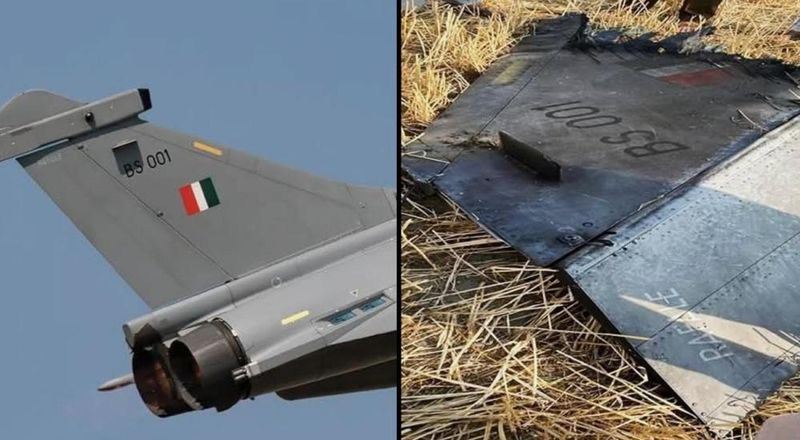
India has long waved its checkbooks at high prices to the top fighters in all countries, but has not been able to build a modern air force capable of working together. To solve this dilemma, we may wish to look at two countries that are equally dependent on external technology and that have come out of different paths: israel and japan. By comparing the key differences between them and india, it may be possible to see what is really at stake in india。
Also relying on out-of-source purchases, how does israel qualify the "gang" as "king bang"
The choice of israel as the first target is well founded: it, like india, has a limited size, a high level of defence and security pressure, and cannot fully rely on its own industrial system to meet all of its equipment needs, requiring substantial outsourcing. But the results are quite different – israel has integrated its “troika” equipment into the world’s leading autonomous defence system, while india’s equipment has always been “separated” in bulk。
Key difference one: "system integrators" rather than "parts assemblers". Israel's core capacity lies not in the manufacture of all parts from zero, but in its robust system design, integration and upgrading capabilities。
In the case of the well-known iron dome air defence system, radar, command systems, and interceptors may come from technologies of different countries, but israel's defence companies are able to integrate them seamlessly and optimize the rocket saturation scenes facing the country, ultimately creating a single global operational effectiveness。
In contrast to india, whose home-made “light” aircraft are “assembled” for american engines, israeli radar and french technology, the national-made “astra” air missile cannot be hanged on the rule-of-law “wind” because france refuses to provide key interface control documents (icd). What is lacking in india is this top-level design and integration of the subsystems from different sources to “wrote into a rope”。
Key difference two: “demand pull” is different from “technology showdown” r & d logic. Israel's equipment research and development is extremely pragmatic and closely revolves around operational needs, even to meet specific tactical requirements and to modify or overthrow original designs. India's military engineering projects are often caught in the wrong zone of “seeking the most advanced parameters”。
For example, india's “ajun” main battle tank blindly piled up the country's most sophisticated subsystems (german engines, british turrets, israeli fire control), but failed integration led to excess weights, high-temperature puddles and turned into “seeker tanks”. This logic of “assembly” for “national production”, rather than “design” for “winner”, has severe disconnected indian military engineering from the demand for combat。
This is inspired by the fact that real autonomy is not about creating everything behind closed doors, but about taking ownership of “defining needs, integrating systems, and continuously upgrading”. As india is negotiating 114 “winds” with france, it is a step in the right direction that india has taken in the right direction in the midst of a painful determination of the bottom line of access to the icd document。
But the persistence of the negotiating table alone is not enough, and there is a greater need for indigenous technological teams and industrial ecology capable of digesting, absorbing and renovating。
Also authorized production, why does japan have access to technology while india has only assembled manuals
Japan is another excellent match. Both it and india have adopted the “out-of-pocket + authorized production” model to acquire advanced aircraft, and both wish to upgrade the indigenous aviation industry through this process. Japan, through the f-35 project, has gradually achieved indigenous assembly and partial technological absorption, while india, through the su-30mki project, has remained in the “feat assembly” phase for 20 years。
The key difference lies in the industrial base and the spirit of contract. Japan has the world's most sophisticated manufacturing enterprises, such as mitsubishi heavy industries, with industrial discipline, quality management systems and supply chain levels, making the united states willing to transfer parts of f-35 production lines and advanced manufacturing processes to it. Japan not only assembles, but also learns in the process of high-end technologies such as composite material processing and the maintenance of hidden coatings。
In contrast to india, its stan airlines (hal), which assembles su-30mki, has a good rate of lingering at around 60 per cent for a long time, with frequent accidents, revealing a huge gap in quality control. When your co-authors are unable to guarantee even basic assembly quality, the technology-exporting parties naturally have great doubts about the transfer of core technology and source code。
Deeper differences are strategic stability and efficiency of implementation. The ministry of defence of japan has long-term, stable and well-targeted cooperation with industry. India's defence procurement has been eroded by bureaucracy and corruption, and decision-making has been erratic。
For example, india's “gorshkov” carrier deal with russia eventually went up from the original claim of a “dollar gift” to over $3 billion, which took 10 years to become a joke in the history of international military purchases. This confusing, inefficient and rent-seeking procurement environment allows foreign suppliers to either raise prices as compensation for risk or be extremely conservative in technology transfer。
This serves as a warning to india that there is no hard industrial fundamentals and a clean and efficient procurement system, and that any “market for technology” scenario is an aeroplane. India had recently concluded a technology transfer agreement with the united states for the f414 engine and was planning to nationalize on the luminoso mk2. The success of this will be a direct test of whether india has completed the two mandatory courses on industrial foundations and contract management。
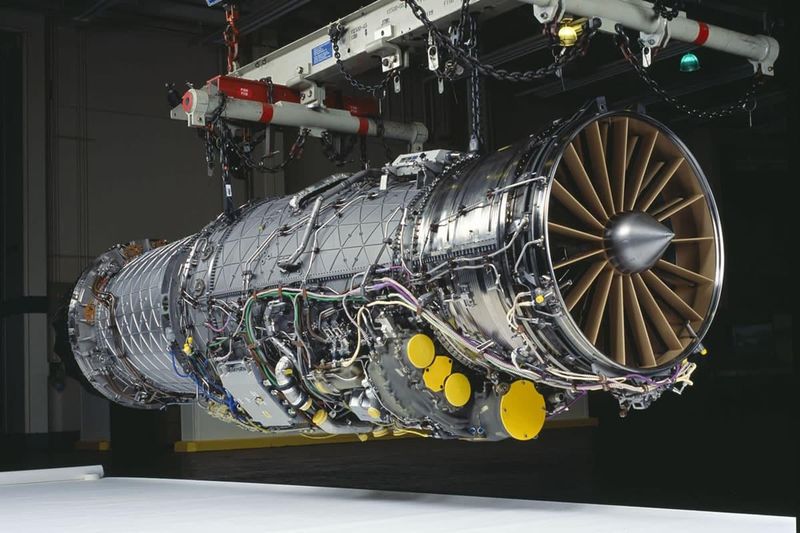
Otherwise, history will repeat itself。
It's not just technology that needs to be overcome in india
In the horizontal contrast, the root causes of the indian air force system’s war-force dilemma are clear: it lacks neither the strong integration capacity of israel to “do it” nor the industrial base and management credibility of japan to reassure technology exporters. Therefore, any break-up must be a comprehensive reform of the regimen。
First, “access to control of technology” must be given higher priority than “quick access to equipment”. This means that, in all major future acquisitions, the integration of systems such as access to icds should become an uncompromising red line of negotiation。
At the same time, the procurement rules for the “minimum price winnings” need to be reformed to increase support for indigenous r & d firms' technological strengthening, even if there is a need for higher costs in the short term or to endure a slight gap in performance。
Secondly, there is a painful determination to reform the defence industry and the procurement system. The introduction of private enterprises, such as towers, into the amca-5 project to break the hal monopoly is a step in the right direction. But what is more fundamental is to address corruption in the procurement process, to establish professional and efficient project management teams and to reshape the relationship of trust between the military and industry。
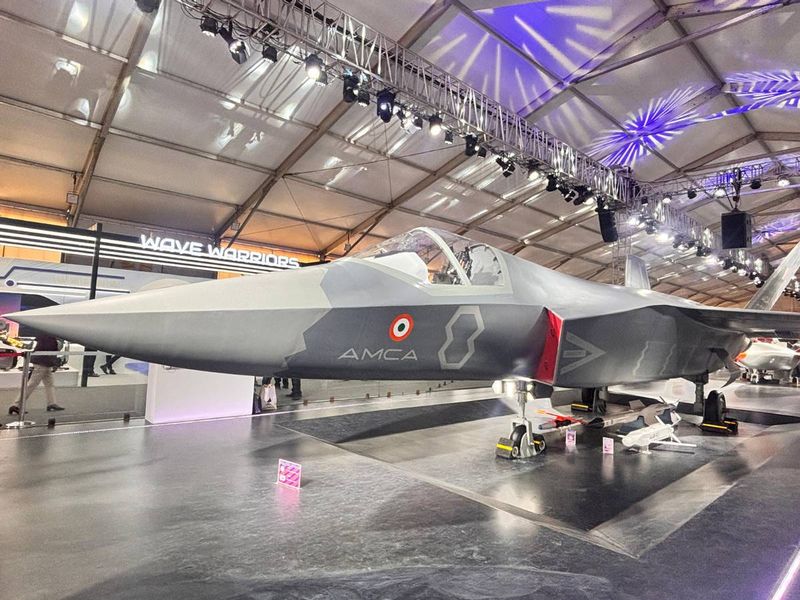
Finally, and most difficult, is to change the mindset of “speak autonomy” and accept that “autonomy is a marathon”. China's aviation industry has gone from introduction, digestion and innovation to decades of solid experience。
India needs to abandon the illusion of “one step up”, beginning with upgrading the quality and capacity of existing projects such as the “light” warplanes, and gradually building the foundations of materials, processes, supply chains, etc., in order to finally move away from the “charter-purchase assembly rights” cycle。
India holds enormous market leverage, but to transform it into real technological capacity and systemic power, what is needed is a self-renovation that touches upon fundamentals. Otherwise, even if more advanced warplanes were purchased in the future, they would still be a “information island” in the system and would not change their fate, which has been undermined by systematic forces in modern air warfare。