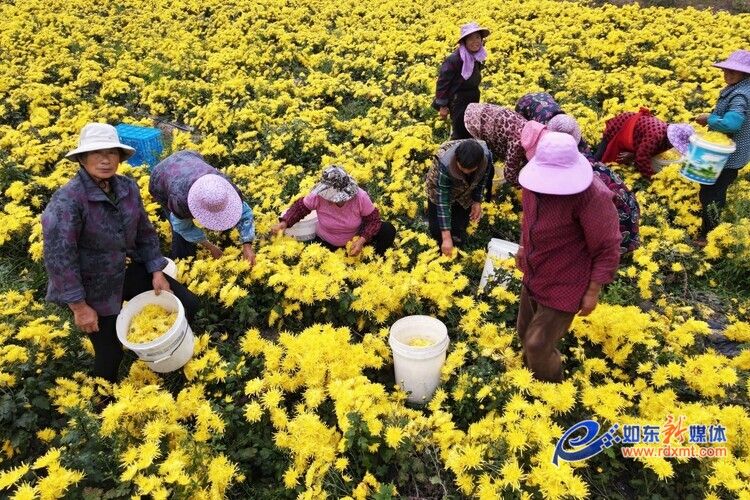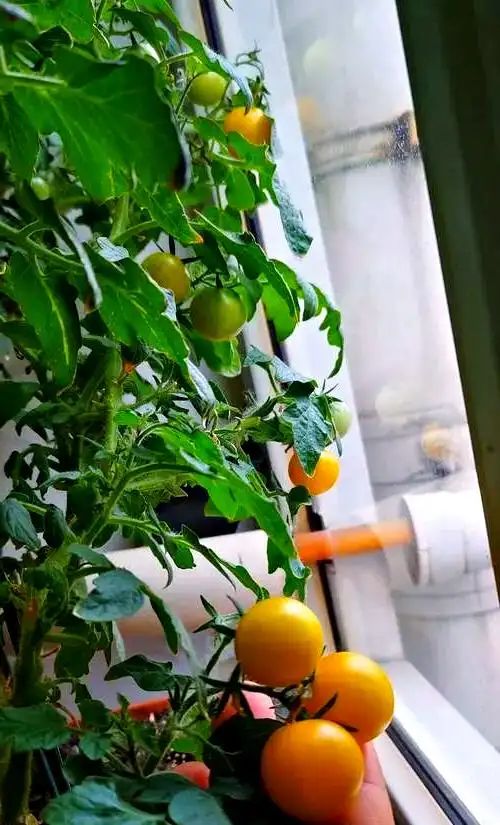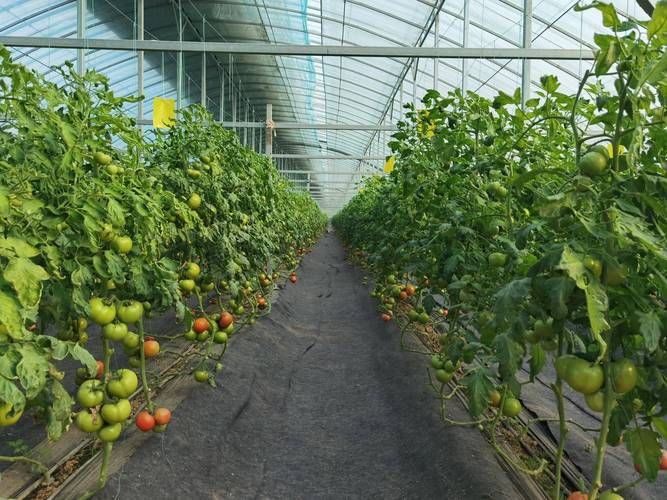
Ten sheds of tomatoes in lower chen village are in the process of rewriting the economic books of this village. (blockview://markdown-image-tos-cn-i-t/7618bc71c74c74c4925b4d5a909b36f9819) a few years ago, watermelon, oilseeds, limited by market conditions and planting techniques, were planted in the sheds, and the economic benefits were never ideal. Today, the same land, produced tomatoes, are packaged in the field and sent directly to the beijing and shanghai markets. The key variable of this transformation is a partnership of village enterprises, which are linked by the hard streets. # the cooperative model in which the village group, the company, and chen village under the technology and channels of the company, is the agricultural industries development co. Ltd. Public reports indicate that there is a clear pattern of cooperation between the two parties: the village collectively rents 10 greenhouses to the company as a whole to operate, and the company invests in mature tomato cultivation techniques and stable direct distribution channels to manage the whole process. Village groups receive stable annual rents for sheds under this model. The investment of enterprises in shifting land has brought to bear idle shed resources that were previously inefficiently used. The chief of chen village, lu bojoon, outlined this model as a tripartite win-win model, “tribunal collects rents, villagers secure employment and business expansion”. However, key operating data, such as the specific start-up time of the cooperation, the size of the single shed, and the specific amount of the village's collective annual rent, were not disclosed in public reports. # 20 people are working on a seasonal basis, and the horizontal cross-reference of the upac data is the most direct indicator of such projects. The chenmura tomato growing base can absorb more than 20 close workers from the village during the pick-up season, covering nursery management, field care, sorting, packaging and transport. The statement of the working villagers of zhuo jiu quan reflects the real value of such jobs for the rural labour force: “no work outside the home, no work outside the home, can work in front of the home, can take care of the elderly and children and have a steady income every month, and can live a more secure and secure life than previous casual work”. # compared within the streets, rental earnings are expected to be more explicit in comparing the chen village project within the streets, with a clearer pattern. The cabbage breeding project in peshawar is another case in point. The project's 30-acre field farm base, with a combined annual revenue of approximately $5,000 per acre, uses the “cooperative + order enterprise” model and has no shed lease chain. (blockview://markdown-image-tos-cn-i-tt/f92829eb1ced450a83bc2283acbdc) the peking village project relies on output from order planting compared to chen village, which receives more stable fixed rents on a lease basis — without having to take on the market risk of planting, selling links. Another dimension was provided by the vegetable shed upgrade project in osakamura in 2026. The total budget of the project was $1076 million, but post-operational data on benefits such as rent, work, etc. Were not disclosed in the publicly available information. In contrast, the chenmura project has a clear number of upa farmers and stable product outlets, with relatively higher operational efficiency certainty. # the product ends are differentiated, but the details of the product and sales are not made publicly available for the competitiveness of chenmura tomatoes, and are derived from local natural endowments. It has been reported that chenmura is rich in soil and clean in water, and has grown full of tomatoes, sour sweets and high tastes. Annually, in march, the pick-up period is stable and mature tomatoes are packaged in the field and sent directly to the kyoto market. (blockview://markdown-image-tos-cn-i-t/68b14f288448ee97bf9b02a5f7c63) but more specific information on the end of the product is not covered by public reports. For example, the names of specific tomatoes or varieties grown, the use of order farming models, and details of logistics distribution cooperation on which the direct delivery is based are not disclosed. Whether there are any similar cooperative projects in other parts of shandong, other than jinan steel city, for which information is not available through open channels. # chenmura's path was tested in 10 huts: the village collectively converted the ecological advantage into the industrial advantage by leasing fixed assets, using enterprise technology and marketing channels. The village group receives stable rents, and more than 20 villagers work in close proximity during the season, leading their products directly to the high market in kyoto. The full book of this path has not yet been fully developed. How long has the partnership been? What is the annual annual rent for the village? What's the background of this business? The lack of such information temporarily prevents a more accurate assessment of the sustainability and replicability of the model。