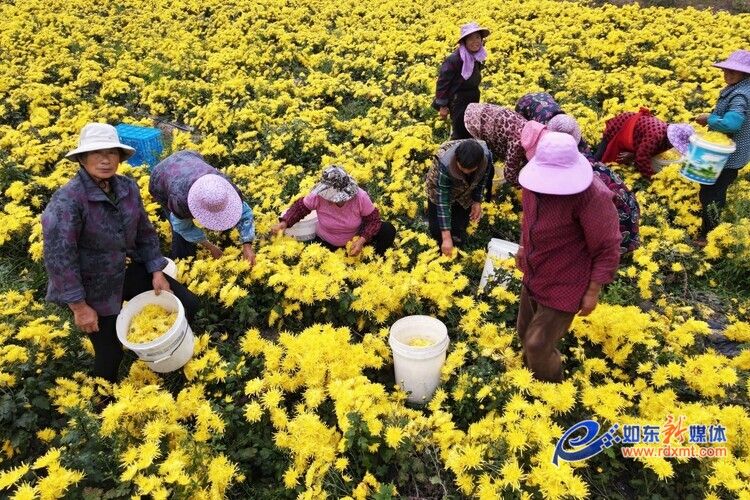
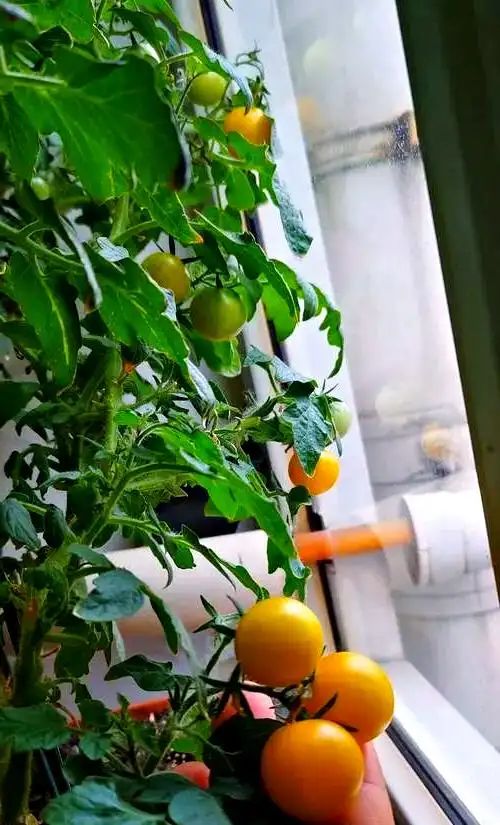
In the eyes of the new farmers, vegetable harvesting in the greenhouse shed is not only a harvest of crops, but also a promising harvest ceremony. The vegetables that have just been removed, with the fresh smell of dirt and the freshness of the mornings, are designated as the top。
Every time i walk into this green shed, my eyes are filled with a green and glamorous air of fresh clay and ablaze vegetables。
Feeding is by no means easy. It requires adapting to seasonal climates, understanding soil characteristics, rationalizing species and not wasting land resources. But when a seed of seed comes out of the earth, until the fruit is fruitful, the joy and satisfaction will be enough to ease all fatigue。
Care for vegetables is like caring for children, growing food not only for the sake of results, but also for a sense of serenity and life, sowing hope, joy and joy on the land that belongs to them。
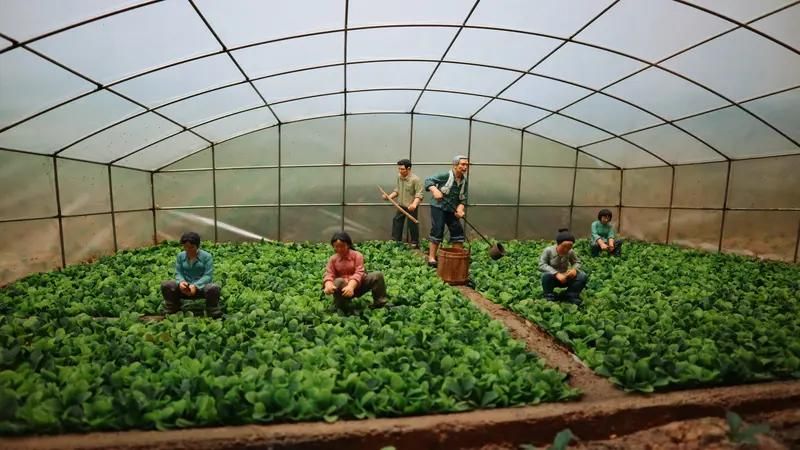
The significance of harvesting goes far beyond spiritual consolation, and it is even more true that it fills farmers' pockets. The emergence of greenhouse sheds has radically changed the fate of the villagers in those barren lands that were once dry for 10 years。
Today, a standard steel shed is organized in such a way that more than 30 vegetables, such as cucumbers, peppers, tomatoes, and so forth, are popular enough to meet the needs of the four seasons of the year. The income of the villagers has made a qualitative leap by relying on the production of large sheds。
There are villagers and wives working in large sheds and growing their own land, earning $780,000 a year, as well as growing three grape sheds with hands, selling about $5 a pound of grapes, and earning around $10,000 per shed alone。
In the larger production areas, 69 greenhouses produce more than 1 million pounds of agricultural products annually, with a value of more than 10 million yuan; 30,000 acres of vegetables in county-wide development facilities, 6,000 acres of melon fruit in facilities and 73 specialized vegetable cooperatives, with an estimated annual economic benefit of 632 million yuan. These solid data are the firmest possible base for the farmers to obtain。
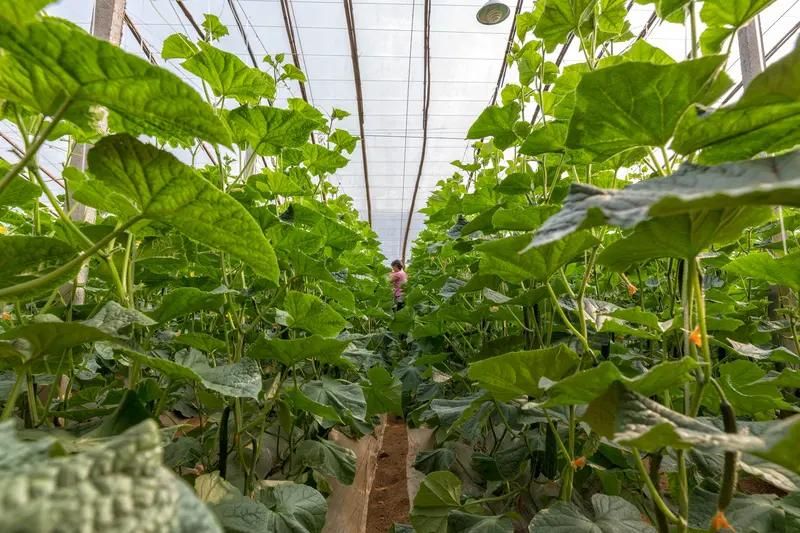
Behind these bright data, the new farming community is playing an irreplaceable role. They both work low and look up at the market and use a flexible mind to run the sheds。
After 90 years, the new farmers were a vivid microcosm of it, having the courage to contract eight standardized sheds, focusing on special fruit and vegetables cultivation, planning six sheds for oral tomatoes and two sheds for strawberries。
This fine-tuning management, while difficult, has high market recognition and smooth returns. New farmers have moved away from the traditional crude-stamping model, with drip-drive routes in full, and applied hydro-fertilizer integration techniques that allow water and nutrients to be accurately delivered to seedling roots。
Moreover, the greenhouse studio control system achieves scientific precision control and remote operation through the application of sensors and smart machines. The fact that people can monitor the condition of the entire shed only by computer greatly reduces the workload and increases efficiency。
This precision and timely control has created the most appropriate growth environment for plants, thereby growing high-quality green vegetables with high yields。
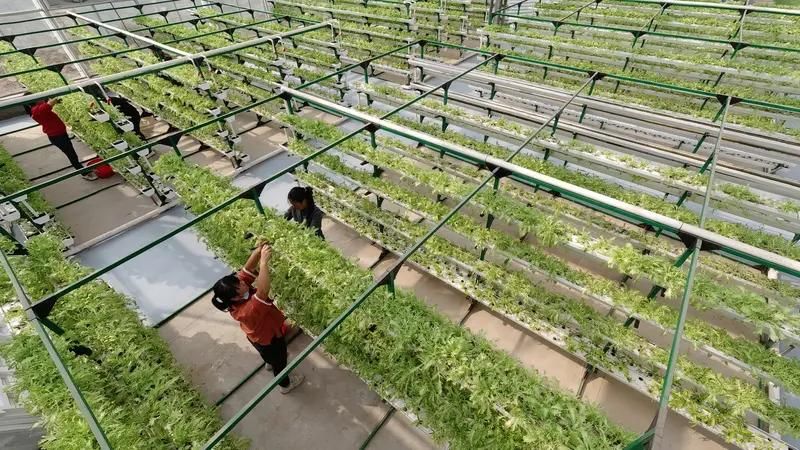
Vegetable harvesting in greenhouses is a link between traditional farming and modern technology. Here, picking means not only removing fresh and fresh vegetables from branches, but also providing the best feedback for hard work。
New farmers have settled in fields, cultivated high-value-added cash crops, combined organic agriculture with order sales, and allowed agricultural products to move directly from fields to urban tables. Each pick, and every subcontracting box, is expanding the harvest channels and driving facilities agriculture towards diversification。