In july, the country entered hot weather and spring-spring cucumbers, tomatoes and bean horns gradually entered the end of the harvest. A number of old farmers, who have been eating for half their lives, as well as friends of their families who have small gardens, feel that the temperature is high and the sun is hot, and that the seedlings are hard to survive, so that the floor is empty and then they do it after autumn. Indeed, july coincides with the golden window period for the seeding of the autumn, with the selection of drought-resistant varieties, the planting of seedlings and the return of the autumn temperature, which coincides with the booming season of vegetables, not only in terms of their strength, disease and insects, but also in terms of their overall output and quality, which are more stable than the spring crop。
The following nine regular vegetables are suitable for planting in july and are managed in such a way that they can be harvested in the autumn and can be eaten until the frost falls。
I. Autumn cabbage: autumn and winter food, with a tight and durable storage
The old saying, "the radish, the radish, the cabbage, is the first option to grow. In mid-july, pre-cooked, disease-resistant and smoke-resistant varieties were given priority, with a net of simple sunshields to avoid strong mid-day light, which, after seedlings and at times, was weak and strong and could be relocated for about 20 days. The cabbage is pre-heated and cold. After its planting in august, it happens in the autumn and cold weather. The warmth of the day and the night is better than the heart. It grows with a tight heart and a sweet taste. It is more durable than the spring seed。
Ii. Autumn radish: creamless, live seedlings can work
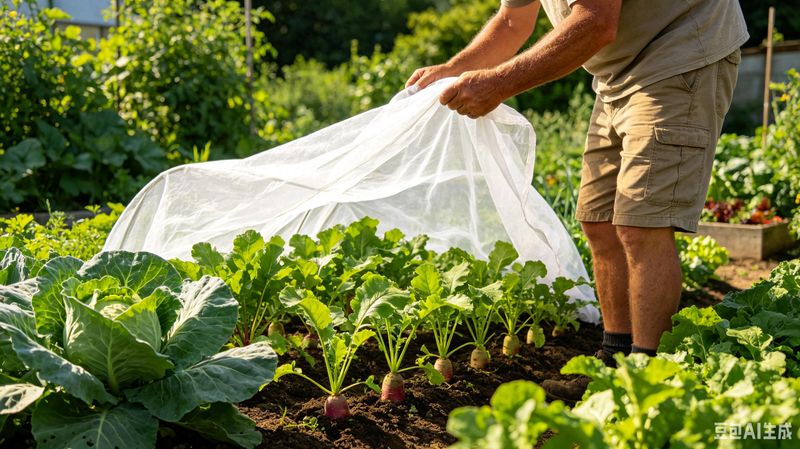
Autumn radish is a classic cultivator. White radish, blue radish, red radish fit. Carrots are semi-cool-resistant crops that hold short-term high temperatures during periods of seedlings, and the expansion of the meat root tends to favour cold and cold environments, planting seedlings in july. The growth rhythm is right on the right side, growing radish water is high and sweetness is rare. The plant is based on live broadcasts, which, after seeding, can be harvested for more than two months and stored and managed, and is the standard vegetables for the autumn garden。
Iii. Autumn kale: a tight ball is less ill and cold weather is growing fast
Chou gang blue, which is often called cabbage, is the best place to breed in mid-july. The kale is inherently cold and cold, the heat tolerance of the seeding season is not poor, and the seedlings are protected from the rain and have a high rate of survival. The temperature has gradually declined since the planting in august, with a fast and tight ball ball, a much smaller infestation than in the spring, and special daily care. The selection of pre-cooked varieties, with short growth cycles, would allow for a smooth harvest before the frost freeze and would be suitable for both the field and the small courtyard plant。
Iv. Autumn cucumbers: brilliance, high-temperature protection
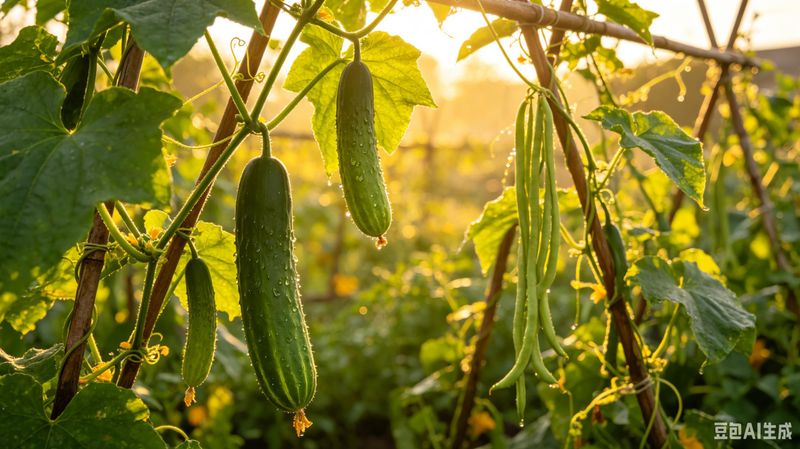
Many people only know how to grow cucumbers in the spring, but the taste and production of cucumbers are not bad. In mid-july, seedlings were selected with a heat-resistant fall cucumber variety, and in august, when the plant was set to cool, they entered the melon season. Autumn cucumbers are born for a long period of time, can be harvested more than a month after planting, and fall temperatures are low, aphids and pollen diseases, common diseases, such as aphids, have been reduced significantly, do not use frequent drugs, and the cucumbers have been fertilized, the cucumbers have been fertilized, and fresh pickles are suitable。
V. Autumn beans: drought-resilient and rich in quality okay
The soybeans themselves are hot and drought-resistant, and in july planting was completely free of pressure, with the option of using pre-cooked and cold-tolerant autumn bean varieties, either live or seedlings. Autumn bean seedlings grow fast, and the flowering season happens in the autumn and cold weather, and the bean bean is fully full, it is difficult to age and is of better quality than spring bean. At the same time, there are fewer insects in the fall, which are coarse, so that two or three of them will be enough for a family to eat。
The broccoli: nutritionally good quality, cold season tastes okay
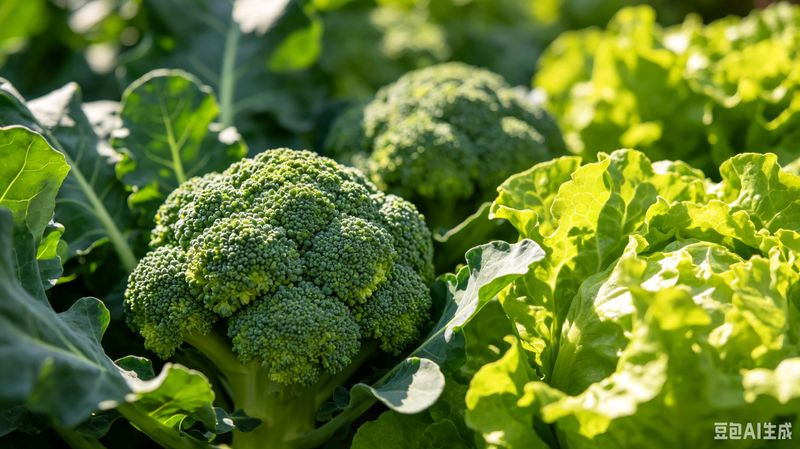
The orchids are cold and intolerant to high temperatures, and are the most suitable in mid-july. They grow in low-temperature conditions in the fall, with tight balls, green colours, nutrients and tastes well above the spring sprouts. During the gestation period, sunnets are to be built to avoid tan and heavy rains to wash the bed and to keep the soil wet so that the seedling can be established for about 30 days. The orchids are very cold, the mild frost basically does not affect quality, and the harvest period can continue into the deep autumn, which is a regular vegetable of high nutritional value。
Autumn celery: little brilliance, regular food for autumn and winter
The celery is cold and hot, and the july seedlings are just in time for the fall, with the celery coming out of thinness, low fibre and better taste. Pre-plant seed seedlings can significantly increase the rate of seedlings, so that they are humid throughout their breeding period and can be established around september. The celery has a longer but particularly durable growth cycle, which can be stored for a long time after harvest in november, can be used in autumn and winter for cooking, collide and paping, and can be grown in family gardens for a few months。
Viii. Autumn fragrances: the scent is strong and fast. It's easy to eat
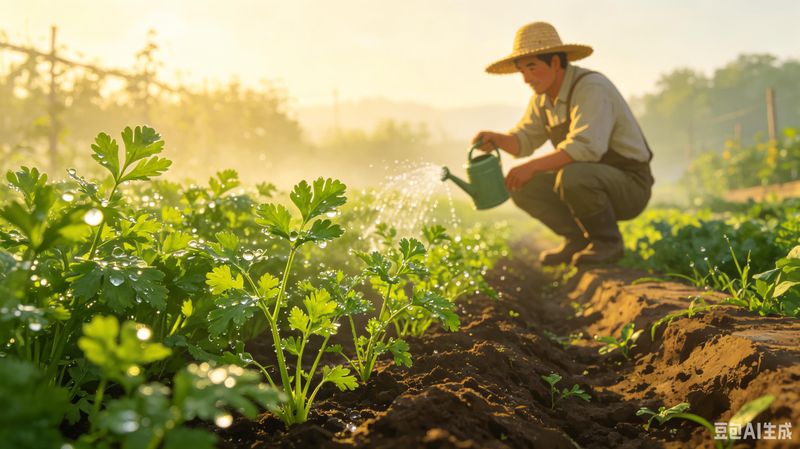
Many people think it's hard to grow fragrance in the summer, but it's no problem to choose heat-resistant varieties. The cuisine is cold, the seed season can hold the heat up, the temperature slowly drops after the leaf grows, the growth will increase and the scent will be much more fragrance than the summer season. Just soak it up, and then harvest it in the next, and eat it in the next 40 days or so, and eat it until the beginning of winter。
Ix. Preparatory: quick-live and easy-to-cool management, and growing in groups
The raw vegetables are typical cold-resistant vegetables, and in mid-july, the heat-resistant varieties of leafy or ball-laying vegetables were selected for nursery and live broadcasting. The raw vegetables have a short growth cycle and can be harvested more than a month after they are sowed, and the fall temperatures are suitable, the leaves grow soft and bitter, and the taste is much better than the summer ones. The seeds can be distributed in batches and every 10 days, with fresh raw food throughout the autumn, cooling and pots, and new growers can grow easily。
With high temperatures and heavy rains in july, three key points for attention should be noted: first, proper shades during midday hours to avoid the burning of young children by strong light; secondly, the preparation of beds to drain water from the rain to prevent the planting of dead seedlings; and thirdly, the use of water as much as possible in the morning or evening, with small-scale water effort and the early preparation of nursery pest control, which would significantly increase the productivity of the nursery。
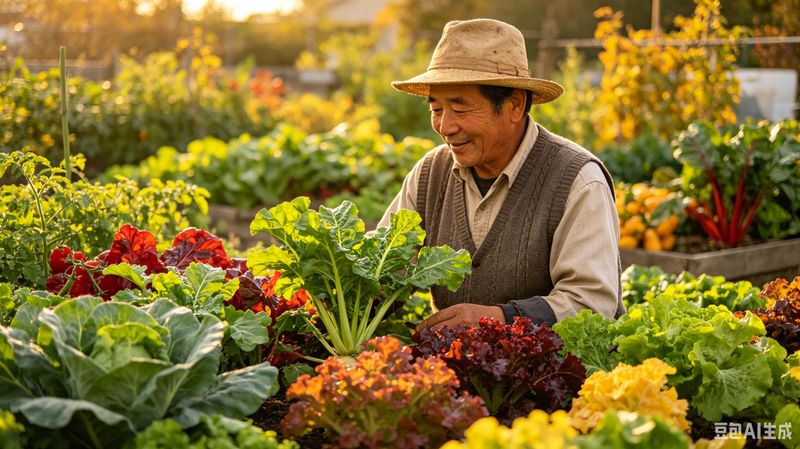
In general, july was not an empty window period for the planting of vegetables. The nine drought- and cold-resistant autumn varieties were selected, the planting of seedlings was timed, the harvest peaked in autumn, production was stable and of good quality, and daejeon and family gardens were easily planted。
What kind of autumn food do you guys grow in july? Are there any recommended varieties of high yield and good taste? You're welcome to share your experience in planting in the comment area。