The planting of seedlings in the arches and the timely transfer of the fruit is carried out with the roofs of the acreage, which is reduced from 350 kg to 25 kg per acre, and the production of more than 3,000 kg per acre, an increase of 30% over conventional cultivation。
I. Preparation of ji ji-chae
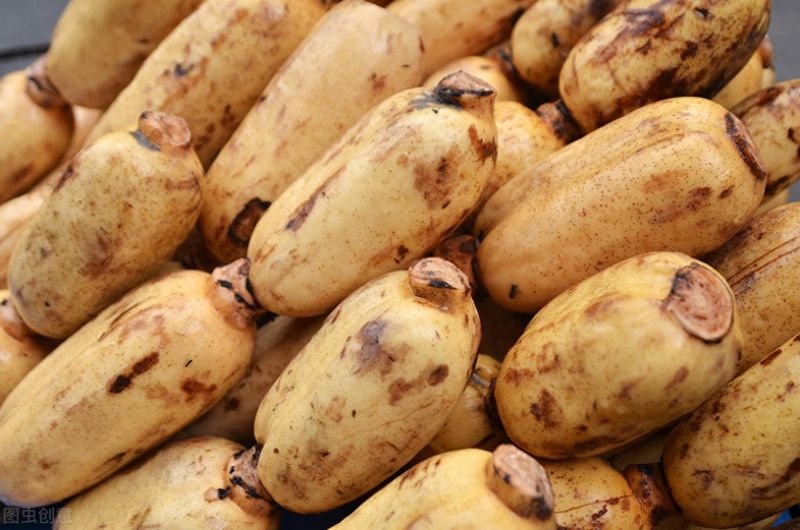
(1) pooling. The choice of low-lying areas with sufficient water sources, water conservation and better water quality. Till winter, till 23-26 cm. After spring, the earth and water were levelled. 40-50 centimetres high. Top 40-60 centimetres wide. Then it digs out 23-26 centimetres of the soil and lays the bottom of the pool. The bottom acre is applied with an organic weight of 4,000 kg, carbon ammonium and phosphorus of 50 kg each, and is mixed with the excavated soil and refilled back into the pool. (2) construction of seedbeds. A seedbed shall be chosen for the purpose of building a 1-minute bed at the top of the pond. One-minute seedbed application of 700 kg organic fat. Pre-winter deep cultivation of 23-26 cm. 700-800 seedlings per acre. The bed is built up to 33 cm high, 23 cm wide and the pool is 3 m wide, depending on the size of the seedling。

Ii. Building sheds
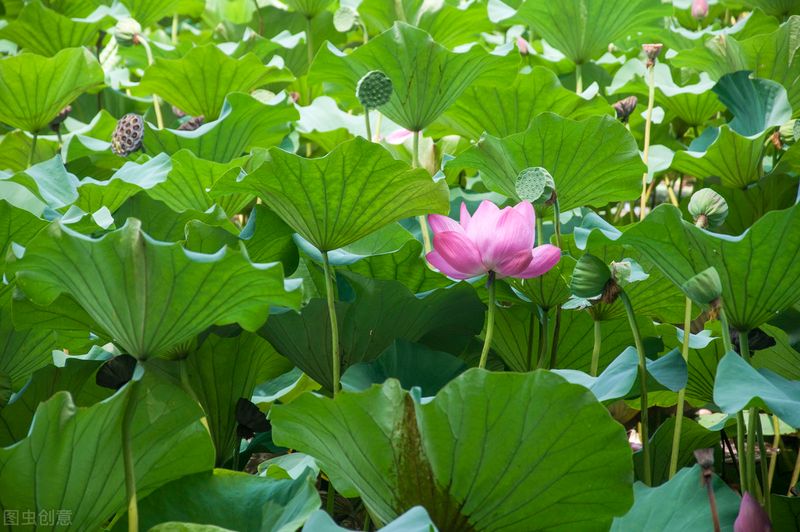
The nursery began in late march and early april. 1. The shed, which is 1 metre high, 3 metres wide and is long depending on the nursery. Three centimetres deep after the shed was built. 2. Selection of seedlings. The seed shall choose to be strong, strong, undamaged, insect-free, sprouted, and slit the top ten cm long. 25 kilos per acre. The top sprout in 0. 1% of the plant growth agent solution ... I. E. Into the seedbed, which is gently pressed into the surface with the hand, without the need for deep burial ... The top sprouts of the sprout are exposed outside, with a density of 10 cm. 3. Regulate water levels and temperatures. After breeding, three centimetres of shallow water are regularly maintained, and the temperature in the shed is 25c, not exceeding 30c. At night cover the cold。
Three in time
After 7 to 10 days of seedlings, the sprouts grow, and the seedlings work for 2 to 3 days. Prior to planting, the well-established called ponds are draught 17 cm deep and the seedlings are buried 1. 5 cm underground. The root causes of damage are carefully protected during planting, and are subject to trial, with a distance of 1. 5 metres and a distance of 1 metre, evenly separated. The first line, where the top sprouts are grown in one direction and the second in the opposite direction, enables the top sprouts to grow in one direction. When seedlings are moved to the field, the water level is maintained at 3 cm to increase the temperature。
Iv. Strengthening field management
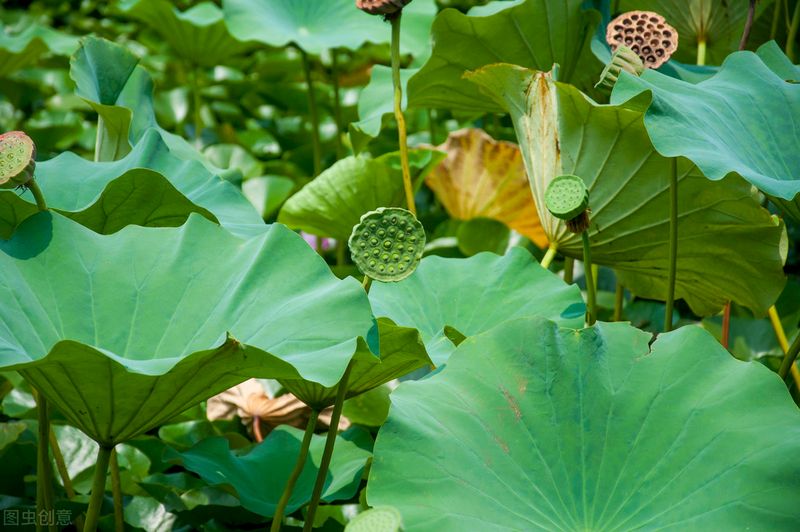
(1) timely regulation of water levels. After planting, if the temperature is low and unstable, the irrigation surface must not exceed; overleaf; and when the temperature increases and stabilizes gradually, 17 cm will be released to increase the temperature. In may, the whole-baby phase, with 17-20 cm. 6-7 months of strong water depth and 26 cm deep, and from late july to late august, the critical period of saturation was gradually reduced to 14-17 cm to increase the temperature differentials between day and night。
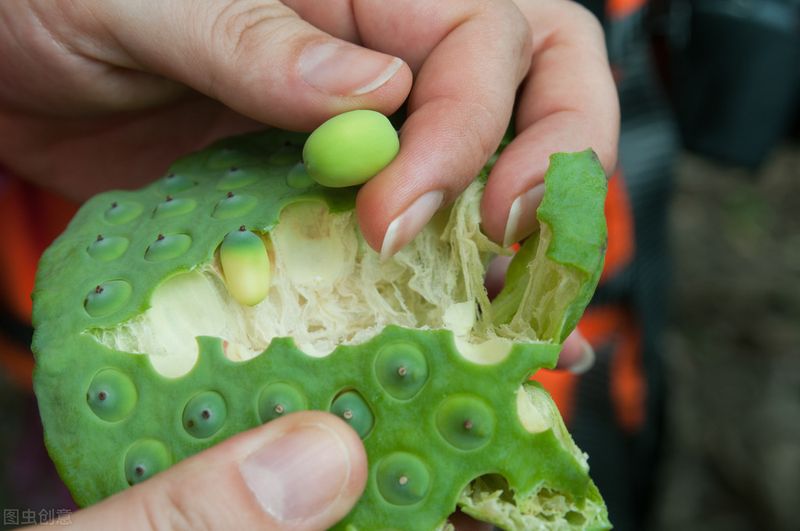
(2) reasonable pursuit of fat. Bottom fertilization, 70 per cent of which is required, 30 per cent of which is followed by organic coarse fat and manure and pie fat. Nitrogen, phosphorus and potassium are used in a phased manner. A small amount of fertilizer can be traced 10 days after seedling planting, at which point it is inappropriate to use ammonium carbon to prevent leaf burns. After medium-term potassium nitrogen is combined with late phosphorus, with conditional additional compound fertilizer. During the first half of may, 50 doses of urine dung were applied in acres, 25 kilograms of bread fattening and 50 kilograms of phosphate-free supplementation were applied. The may-june hysteria lashes entered the vagaries for a long time, with urea being chased 2-3 times at 10 kg per acre and potassium sulphate at 25 kg per acre. Upon entering the stairwelling period in mid-july, 1-1. 5 kg of potassium dihydrophosphate or spray plant growth agent was applied per acre。
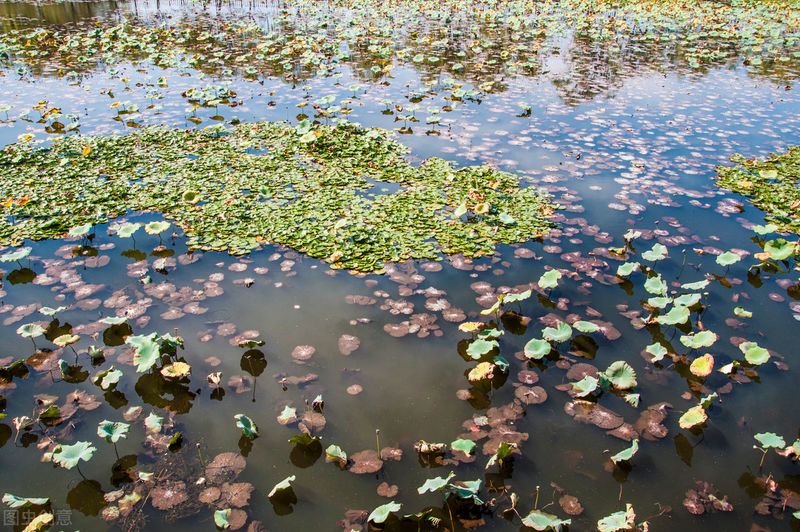
(3) clear the fields of weeds. The weeds in the fields are removed from the front stage. In order to prevent the occurrence of atrophy and pests, a multibacterium spirit could be sprayed in late may to combat it. Lactation pests are mainly gold turtles, aphids, slashed night moths, which can be treated with severine powder of 1 - 1. 5 kg per acre; aphids, which can be treated with 40 per cent of acetone milk 1,000 times the fluid; and slashed moths, which can be treated with 90 per cent trichlorfon 1000 - 1,500 times the fluid, with 0. 2 per cent alkaline flour added to the medicine, which is more effective. Redirecting the field. During the booming season, when the head is found to be out of the pool, the head must be in the pool in a timely manner, and the head of the leaf should be in the thin zone。
V. Timely collection
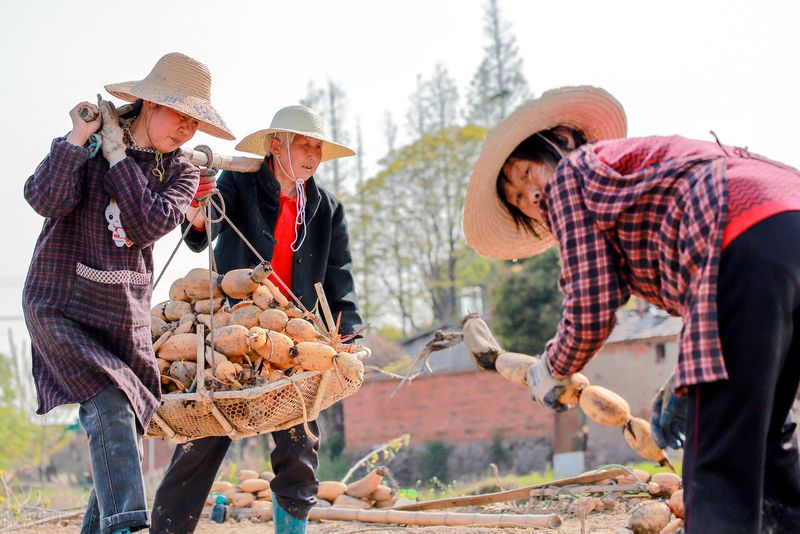
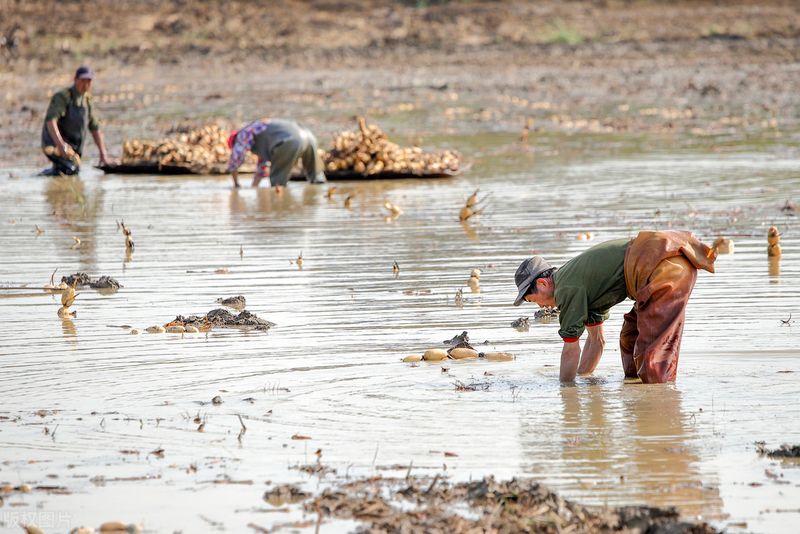
The harvest period is from late september until the spring of the following year, before the gushing. In order to ensure the safety of the seeding, during the yellowing of the leaves in early september, the water was stopped and the leaves and leaves were removed from the fields after the surface soil had been dried. Vegetables for winter can be grown in the field, such as ginseng, spinach, etc。