1. Choosing to turn back to the sun, to drain and drain, to cultivate 20-30 centimetres, to have ploughed ploughed ploughs of fertile fields. Pond species require water depths of not more than 1 metre, with more stable water levels and plough bottoms。
The whole field is fertilized, as in the case of the area 25° north and 1,300 m above sea level, where the lichen is grown around the spring, so that the whole field can be fertilized after shock. Base fertilizer is dominated by organic fertilizer, with 225,000 - 3550,000 kg per hectare and 750 kg per hectare. Particular attention is paid to the fact that hydra cannot be applied to the field。
3. Cultivation means that the head is placed 10-13 cm in the mud and the tail section is slightly strewn on water, with a distance of 2 m x 2 m or 2 m x 2. 5 m, with a seedage of 3,000-4500 kg per hectare. The density can be increased appropriately if breeding fields are set aside. When planting, the head is better crossed with the nesting, and the edge is better in the direction of the field, where the head is always directed. Lotus growth is generally carried forward in the direction of head, and this planting method is beneficial to the bonding and growth。
4. Field management
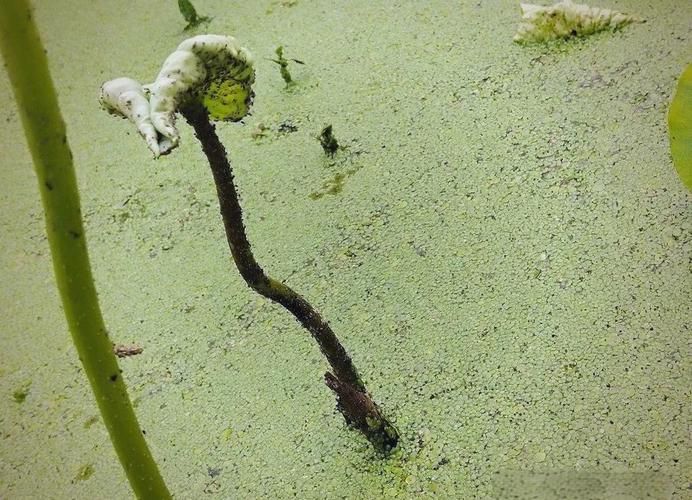
4. 1 weed cultivation in china occurs from planting until the time when the leaf is covered, with two to three times the first before the leaf is sprouts, the second after the leaf appears, and the third after the leaf rises。
4. 2 in the lichen season, fast-effect fertilisation is followed in due course, depending on the strength, usually twice. For the first, urea was 112. 5-150 kg per hectare at the time of the first 1-2 leaf; for the second, urea was 75-112. 5 kg plus potassium fat 225-300 kg per hectare prior to the closure. Fertilized pie or farm fat can be used as fat。
4. 3 water-level regulation the requirements for moisture vary between periods of growth and the principle that water-level regulation should be from shallow to deep and then from deep to shallow. Plantation is maintained at a water level of 5-10 cm before the rise of the leaves, and the rise of the leaves is expected to increase to 30-60 cm with the growth of the leaves and to decrease to about 5 cm for the end of the term. Drained water for 15-20 days before extraction for profit and extraction。
5. Pest management
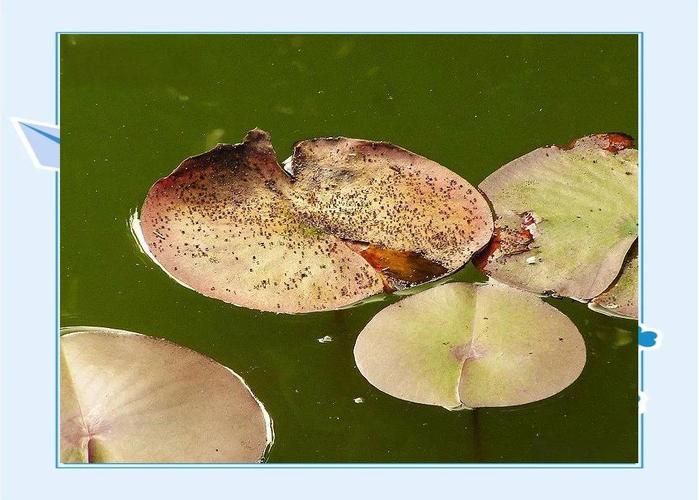
5. 1 lactine virus disease. Prevention and treatment methods: attention is paid to the selection of resistant varieties; investigation should be intensified and, once the strain has been discovered, it should be dug up as soon as possible, and the digging of the strain should be marked with bamboo and continued monitoring of the disease, and no strain should be kept in the vicinity at the time of harvest; acupunctures should be seized; foetal nutrients (e. G., potassium phosphate, folate, etc.) should be sprayed with 0. 05 per cent - 0. 1 per cent black soap or soap, two to three times or more times in a row, one in 10 to 15 days, with a passivated poison source to promote plant growth and reduce the incidence; seeds should be selected from the field free of disease. 5. 2 neoplasmic foliage. Prevention and treatment methods: there is no established experience of prevention and control, and it is recommended that 5 per cent of the acinogen water or soluble powder be administered with spray or pouring, or 50 per cent of the non-inflation (vinyl fungus nuclei) be wet with 1,000 to 1,300 times the fluid, or 30 per cent with a double cream with 1,000 times the fluid, or 50 per cent of the fungus with humid powder. 2-3 series of sprays, 1 in 7-15 days, alternate application, pre-separation. Like pouring. The amount of fluid used for the above-mentioned drugs should be multiplied and diluted to ensure safety. The water level is reduced as far as possible before the application, and the water level is restored after 24-48 hours。
5. 3 pests. The main pests in the field are the lantern piping, paddy leaf blades and slashed night moths, which can be combated at the onset with generally low toxicity and high-efficiency insecticides。
6. Collection
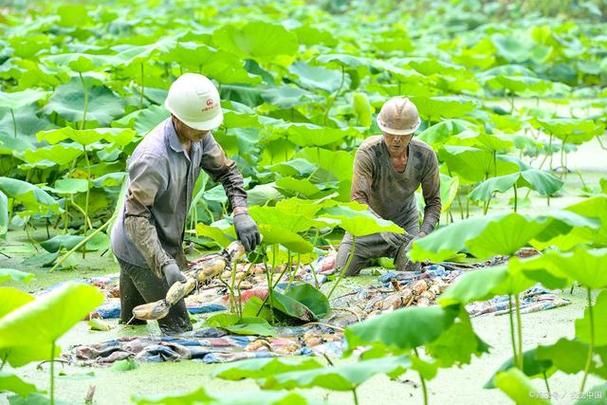
Entering the autumn winter, the ground partially stopped growing and gradually atrophy. It's the best time for the harvest. If processing and sales progress are affected and constrained, if collection is not made in a timely manner, it is also reserved until the spring break of the following year. The field has been drained in advance of the harvest, with the advantage of drying up the mud and breaking the chicken claws. The whole lotion can be extracted only if the soil is slowly turned away in the direction of its growth (i. E., in the direction of its head when planted). It can be operated from the field to the point where it is possible to avoid blindly digging or dragging mud and water before drying, in order to complete the harvest, increase production and minimize damage in order to better preserve its commercial nature。