In 2010, the villagers of the village of yasaka, the city of yongkang, raised more than 4 hm2 of rice on their village and neighbouring village land. As some fields were low and were not suitable for rice cultivation, he was able to grow a variety of land, with better economic benefits. By 2015, the area had grown to more than 2. 67 hm2, both to solve the problem of land clearing and to increase the economic benefits of farming. In the process of planting, the varieties of lotus are constantly being updated, and now both of oleen no. 5 and oleen no. 6 have early, short and large, cortical and smooth, thick and thick, high-yielding quality, with a product of 2,500 to 3,000 kg/667m2, with a value of 6,000 to 10,000 kg/667m2, thus leading to a wealth-rich path, which has also created a record of guinnis, zhejiang province. Specifically:
1. Field selection and seed selection
1. 1 selection of fields
Although abandoned fields are not suitable for rice cultivation, fields with deep, fertile and better hydraulic conditions should be chosen, with no floors of dirt and cold-water fields, or fields contaminated by industrial sewage, dust, sludge, etc. Upstream。
1. 2 choice of species
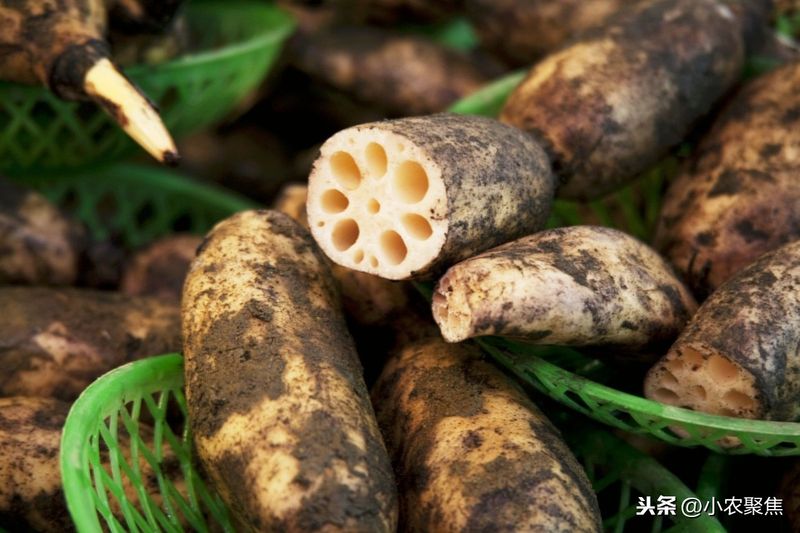
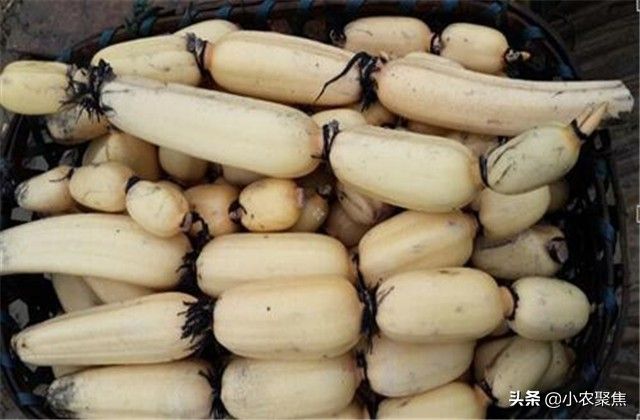
Olympian 5 and olympian 6 are highly productive, disease-resistant and highly qualified medium- and well-established species. It is more appropriate to select the main body with four to five knots, which is smooth, fully mature, with two full lumbers, with no insect wounds, and which weighs approximately 500 g or more。
1. 3 treatment of seed
In general, a stronger sprout with a weight of more than 500 g should be chosen as a seed, and a larger sprout should be used as a seed, with a maximum of 400 kg/667 m2 being used. Before planting, 70 per cent of the methyl tobuzin humid powder is sprayed with 800 times the seed, then suffocated with 24h, and then planted in the field after the medicine is basic。
2
2. 1 ground-based fertilizer
Ten days before the planting of the lichen, suitable application of ammonium carbonate, calcium perphosphate, potassium sulphate compound fertilizer, fully decomposed pig manure of 3,000 to 4,000 kg/6772, lime 150 kg/667m2 as bottom manure, evenly distributed and deep-drived to level the fields, mud and grass。
2. 2 lian yuen's plant
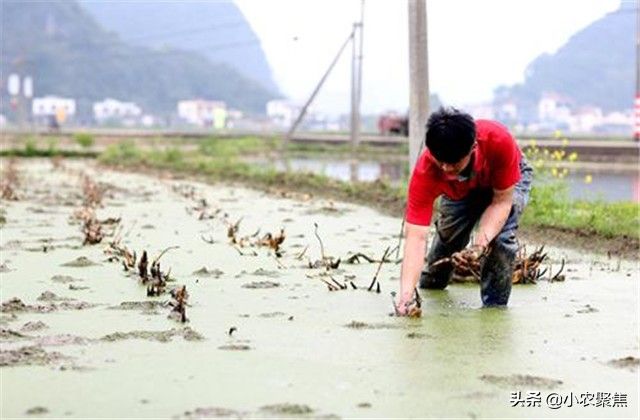
The temperature is stable at around 15°c and above 12°c, usually between late march and mid-april, with plantings taking place in clear weather, with 7 to 10 cm of water remaining in the field, first digging a shallow pit of 12 to 15 cm deep, then burying the seed in the mud at a distance of 200 to 250 cm and 70 to 100 cm, with one main or two sub-crops per den, lower before and later slightly higher, so that hews are slashed into the earth, with the planting positions of the various species being staggered and staggered into the field. After the plant was planted, the field was kept in the water layer of 3-5 cm, and gradually deepened to 20-30 cm when the leaves appeared, and then the leaves gradually fell back into the water layer。
3. Management of hinata
3. 1 weed management
The pre-pastoral period is highly susceptible to the growth and growth of weed cocoons due to the abundance of sunlight on the surface. Soil closure treatment using 80-100 g/667m2 and water pouring of 50% of the net wettable powder of herbs in advance should be at a good dose of pesticides. If weeds are still present in the field after chemical weeding, weeding can be done by artificial extraction, and the cleaner weeds are treated, the better the growth of the lichen。
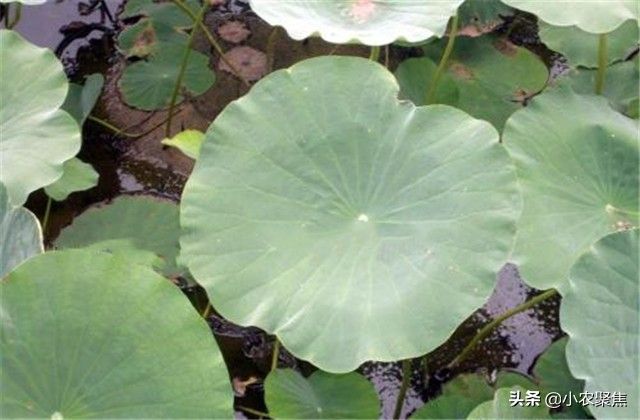
3. 2 fertilizer management
The urea 5-10 kg/667m2 is used to promote branching and leaf production. When the field is full of leaves and parts of the plant are produced, it should be fertilized with nitrogen, phosphorus and potassium compound fat from 30 to 50 kg/667m2。
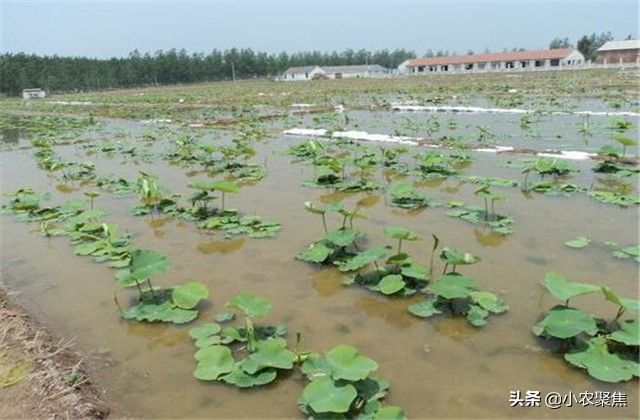
3. 3 water management
Lotus is a aquatic plant that is not dehydrated during its growth and maintains a shallow layer of 7-10 cm during its infancy, which is conducive to increasing the temperature and growth. In the summer, which is a season of abundant flowers, combined with high temperatures and high evaporation volumes, the greatest water demand is for the summer, so it is important to be careful that water cannot be cut off in the field, and that, after growing leaves with the plant, the water level needs to be gradually reduced, with a shallow water level of 10 cm to regulate the temperature of the field and to promote the tie. Spraying the leaf with new, high-fat membrane can make the leaf sprout and green, enhance the accumulation and direct trans-shipment of products for light cooperation。
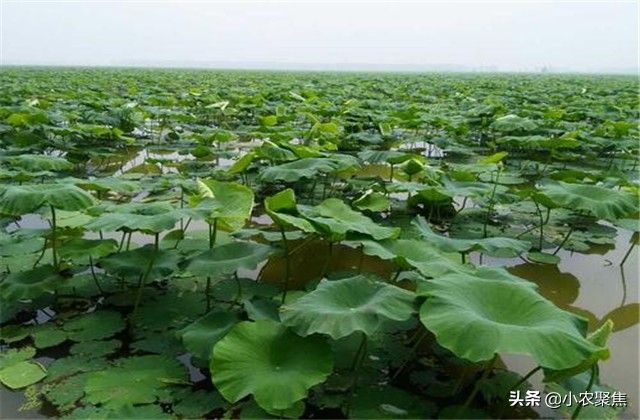
3. 4 lifting of the head
When a single field is growing a new leaf, it should turn its head (if there is no need to turn the head between the field and the field) and turn its head better in the middle of the day, so that it does not end up outside the field, and if the middle is not evenly grown, it should be adjusted and pressed with mud to prevent recovery。
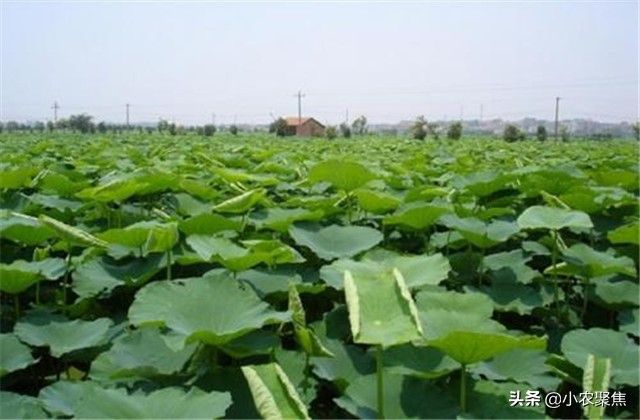
3. 5 prevention and control of pests and diseases
The main pests and diseases are corruption, foliage, aphids, mackerel, etc., and endangering the leaves and buds. Corruption was a major problem in agriculture, with the field being replaced by a rotational system, which should normally be completed over three years. The appropriate increase in the application of fertilizers, the application of phosphorus, potassium fattening, the enhancement of resistance to strains, the timely removal of strains when found, and the prevention of them with polybacterium. The juice of the root, tub and leaf can be sucked in by water, and the method of killing can be applied with an appropriate amount of lime, which works better。
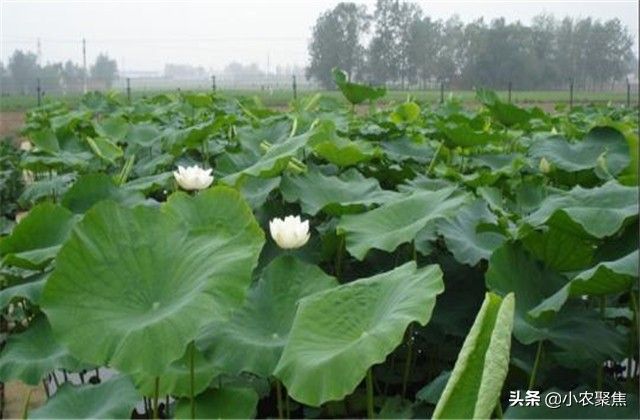
The harvest of lotus
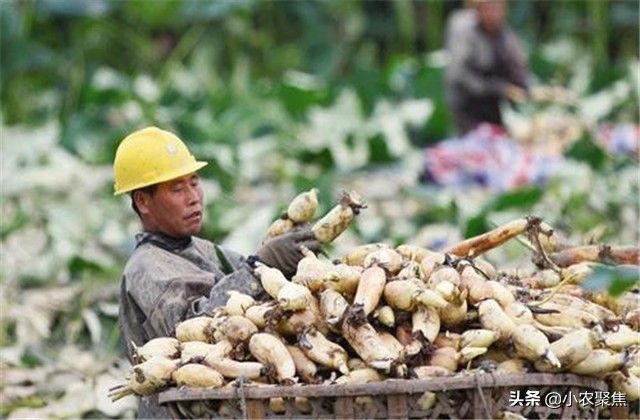
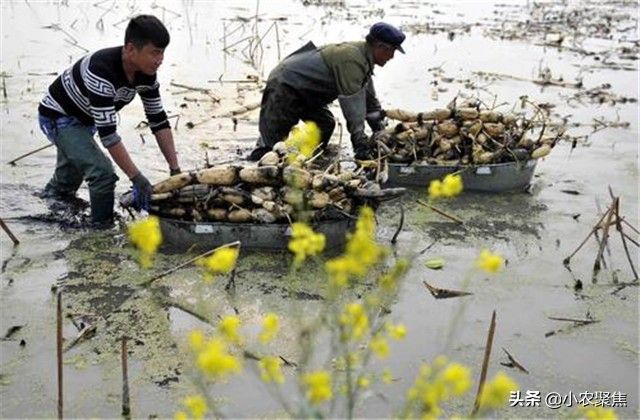
The early harvests of olympia 5 and olympian 6 are generally available before autumn, depending on market demand, and the relatively high prices of fresh production, while influencing, will yield higher economic benefits. After autumn and after summer, it will be possible to collect maturely mature land in accordance with market demand and labour conditions until april of the following year. In order to ensure that the harvest is white and white, as much as possible, the soil is removed from the ground and not washed immediately after it has been excreted, so that it does not produce black spots, which affect the face of the sale, and the soil is kept to ensure the beauty of the freshness, which is better for sale。