It is a long-term parasitic plant, growing and developing in the ring. This typical type of altruistic higher plant has a unique set of technical requirements for sterilizing. Because of the lack of circulus to provide them with nutrition, the plume shrinks slowly and dies within three years. Let's see what the main elements of the technology are:
1. Time requirement for the technical elements of tima cultivation:
Pyramid training took place in late october until april. Winter planting and spring planting can be extended to may in high-altitude mountain areas after the winter planting in late october until the soil freezes in early december and after the soil defrosting in march-april。
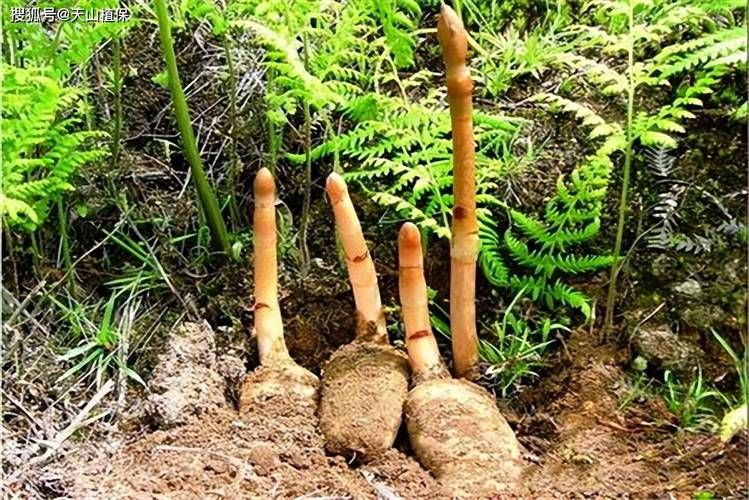
2. Timing of planting and site selection for the technical elements of tima cultivation:
Plantation sites may choose fields of land such as wilderness slopes, orchard lands and, preferably, permeable sandy border soil with soil ph of 5-6。
3. Temperature requirements for the technical elements of tima cultivation:
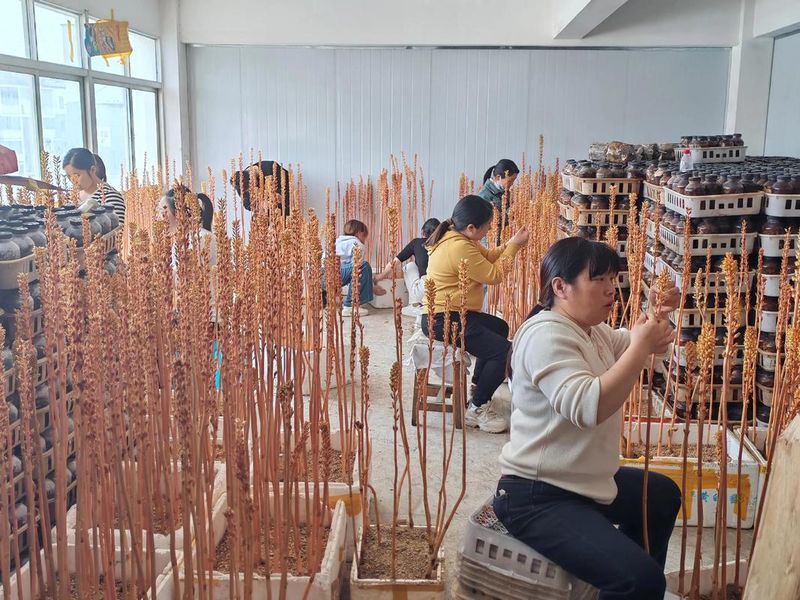
Temperature control is an important part of the management of wild cultivation in the plaza. The suitable seeding temperature is 22 °c ~ 25 °c. If the seeding is initially low, plastic film or straw is added to the temperature. The appropriate temperature for the production of fertilizers is 13-25°c (10 cm below earth surface). The months of july and august were characterized by high temperatures and drought, which could be built into a cavity or sprayed around with water, which could take place at sunsets and lower earth temperatures. In winter, it is safe to plant leaves and weeds covering 10-20 cm thick in areas below 1,000 m above sea level; in areas above 1,000 m the cover can be increased to 30 cm thick。
4. The planting time and humidity requirements for the technical elements of tima cultivation:
Average relative humidity control is generally required at around 80 per cent. Controlling soil moisture of about 60 per cent in april-june. In the months of june-august, the cynic acid enters the long season, at which time it is desirable to keep cool, to keep the luminous lumber down, and to manage it in an integrated manner. If the humidity is less than 60 per cent, it is not conducive to the growth of the cynics and is more than 80 per cent susceptible to the decomposition of the trachea, so special attention is paid to controlling the humidity. At the same time, care is taken to keep the growing sand wet, so as to be able to spray, soak and dry. By september, the accumulation of sterema had reached an advanced stage of physiology, at which point the soil moisture of the bed should be kept below 40 per cent, the soil temperature had been reduced to 10°c in late october and the fertilization had reached a hibernation period, allowing the soil to be excavated。
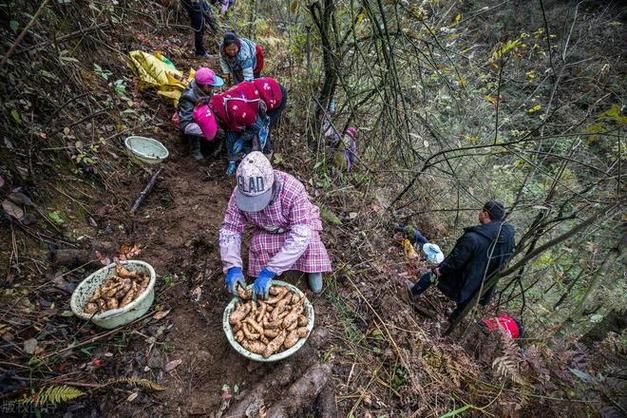
5. Pest and pest control in the main technical elements of sterilisation:
The main pests that affect the growth of fertilized ants are clams, clams, white ants, etc. It is possible to plant 5% chlordane powder and termite-killing agent around the bed of the americium; or to trap termite ants with traps。
At present, the main plant varieties of cynics include red manma, obituary (modified) and red hyena (modified). High-yield quality can be achieved only if it is adapted to local conditions, scientificly grown, masters of the technical aspects of tima cultivation and better management。