Plantation techniques
I. Environmental requirements. Onion-cooled climates, cold and heat-resilient, germinate at 13-20°c, tubers grow at 18-23°c, roots grow at appropriate temperature at 14-18°c and slow above 28°c。
Because of the shallow distribution of root systems, the amount of water required is less than onions, but is not resistant to drought, the suitable soil moisture is 70-80 per cent and the suitable air moisture 60-70 per cent. The light conditions require a medium intensity, with the organization susceptible to ageing, increased fibres and poor quality under strong light conditions。
It is not appropriate to plant land on sand plots, which requires a balanced supply of nitrogen, phosphorus, potassium and trace elements, without a single application of nitrogen fertilizer。
Onion 3
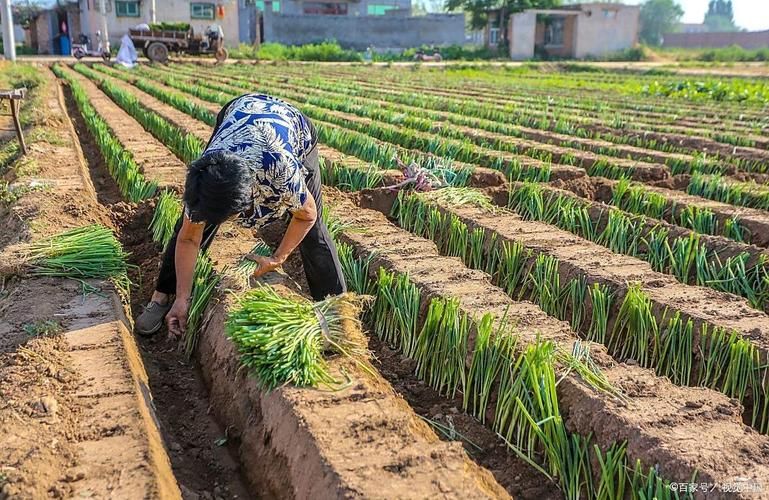
Ii. Cultivation season. The field is grown during the spring and autumn seasons; protected areas can be grown throughout the year, except in the summer; and the northern mountainous areas of yanqing, huairou and myungyun can be covered with sunnet cultivation in the summer. The harvest is 60 to 80 days after the general sowing and 30 days after the transplantation。
Iii. Selection of good species. The choice of a variety of fragrances of purple flowers is now better performed with four seasons of onions and onions。
Iv. Whole area application of base fertilizer. It is important that the plots, whether planted or moved, be fine-tuned and applied to base fattening. Each acre is used for decomposed, shredded organic fattening of 3,000 kg or more than 1,000 kg of decomposed chicken dung; it is made of 1. 5 metres wide and 8-10 metres long, and summer and low-lying areas are to be made of 15 to 20 centimetres high above the ground, surrounded by drains。
Cultivation。
Onion four
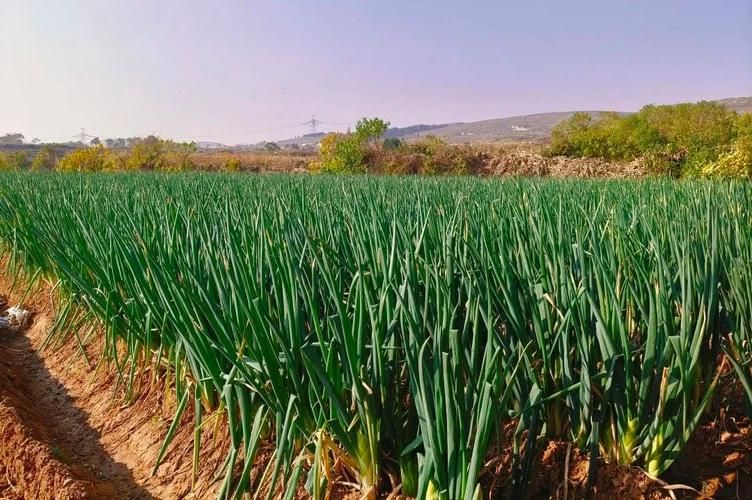
By sowing or sowing at a distance of 10 centimetres and a soil of 1. 5 to 2 centimetres thick; 2 to 4 kilograms per acre to prevent the hazards of underground pests and to sift with thion before seeding and it shall be made a bait from wheat fragrance mixed with trichlorfon, and it shall be spilled in the bed of the seedling which shall be sown in the evening, so as to water its bottom。
Vi. Mobilization. After planting, 40 to 50 days of planting, each of the 8 to 10 dens, 12 to 20 centimetres in length and 8 to 10 centimetres in length, should not be shallow, and 4 to 6 centimetres should be suitable for timely water planting. It is also possible to sow and harvest directly without shifting。
Vii. Field management. The soil is not dry before, after the seedlings are produced and planted alive, and can be watered in a small manner, with the seedlings 1 to 3 leafs and the seedlings being cultivated and managed to water them, with a pine field 1 to 2 times in order to promote the growth of the root system, which is usually watered once in 7 to 10 days. If the application of base fertilizer is low or the harvest period is too long to catch up to one or two times, 300 kg of curing chicken dung per acre is applied, spread between the rows and till in a timely manner, for example, by opening a den. The roots should be cultivated 1-2 times later。
Onion five
During the summer, the temperature is high and the light is strong, and the sunnets are covered by sheds。
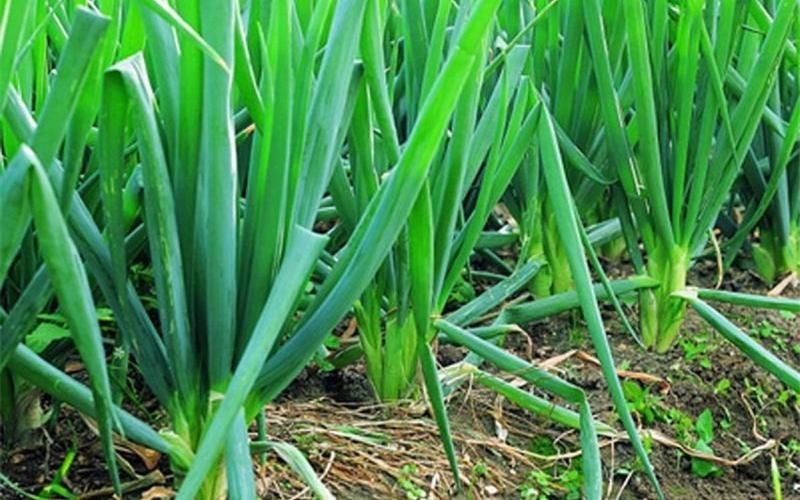
Viii. Pest management. The main hazards are froste, asympathy, purple velvet and tremors, and leaf flies. Agricultural and physical control methods should be used to prevent occurrence and, when heavy, to combat biological or low-toxic, low-residual pesticides, with pesticide aids such as “eliminating antilatives” or “increased effectiveness” to increase foliage。
Edit this paragraph
It's a coincidence
Onion, because of its strong scent, stimulates appetite. In the daily recipes, there's often the words "the onions, the ginger, the garlic, the fragrance."