Base of bookkeeping of assets: $1 million
Realizable value of assets: $1. 5 million
Total liabilities: $300,000
Liquidation costs: $50,000
Cumulative undistributed profits: $200,000
Phase i: calculation of the proceeds of liquidation of a company and liquidation of income tax
Key answer: the total liability is not directly deducted from the calculation of liquidation income, but the liability settlement gain or loss is calculated. Assuming that the liability of $0. 3 million is settled in full at book value in this case, the liability is liquidated at zero。
Loss/loss on disposal of assets = realizable value of assets - basis of taxation of assets
= 1. 5 million - 1 million = 500,000
Proceeds of liquidation = gains and losses on disposal of assets + gains and losses on liquidation of liabilities - liquidation costs and related taxes and charges
= $500,000 + 0-50,000
= $450,000
Income tax liquidated = 25 per cent of liquidation proceeds
= $450,000 x 25% = $1. 25 million
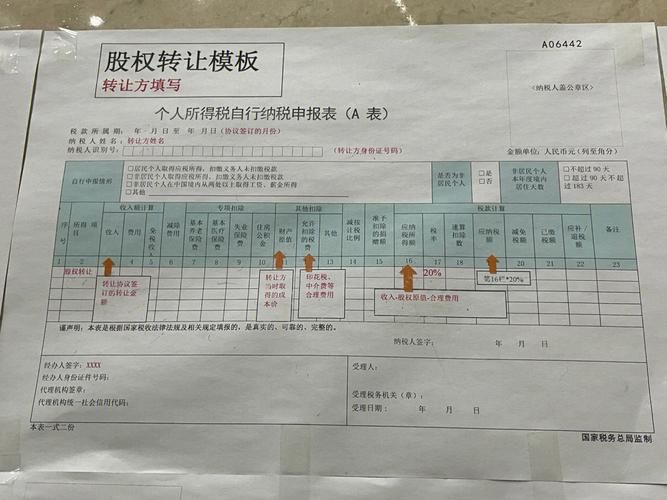
The company thus completed its final tax obligation。
Phase ii: computation of surplus assets and tax liabilities that can be distributed by shareholders
Now, we are going to calculate what the real amount of money that can be allocated to the shareholders after all the debts have been paid and all the taxes paid。
Surplus property to be distributed to shareholders = realizable value of assets - liquidation of liabilities - liquidation costs - liquidation of income tax
= $1. 5 million - $300,000 - $50,000 - $1. 25 million
= 103. 75 million yen
The 103. 75 million is the “household” that can be allocated to shareholders. Shareholders are required to tax the distribution of the money。
Tax treatment at the shareholder level
Scenario 1: shareholders are [company]
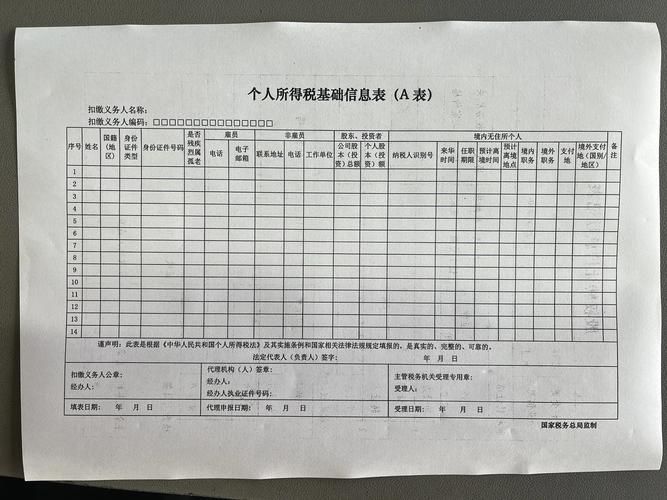
Tax logic: shareholders in a company receive tax exemptions from dividends from resident enterprises。
Dividends: the share equivalent to the accumulated undistributed profits of company a of $103,750 is treated as dividends and exempt from taxation。
Losses/losses on investment transfers: balance (103. 75 - 20 = 83. 75 million yuan) compared to investment costs (1. 0 million yuan)。
Transfer of investment proceeds = $8. 375 million - $1 million = $16. 25 million (loss of investment)
The loss may be deducted from the taxable income of the shareholders of the enterprise。
Case ii: shareholders are [natural persons]
Tax logic: natural person shareholders do not benefit from tax exemptions on dividends. All surplus property acquired by it, which exceeds the cost of investment, is taxable。
Proceeds from transfer of property = total amount of surplus to be divided - cost of original investment

Taxable income = 103. 75 million - 1 million = 37. 5 million
Personal income tax payable = proceeds of transfer of property x 20 per cent
Taxable = $375,000 x 20% = 0. 75 million
Final advice to the owner
It is important to understand the sequence and calculation logic of the “corporate liquidation” and “shareholder distribution” chains。
2. Impact of liabilities: the direct impact of the liquidation of liabilities on the amount of surplus property that can ultimately be allocated to the shareholders, thereby affecting the shareholders ' tax burden, does not directly change the proceeds of liquidation at the company level。
3. Pre-planning: the tax results of liquidation are largely predetermined at the end of operations. It is recommended that professional tax measurements be conducted before the planned cessation of operations。
Accurate tax treatment is the cornerstone of a firm's legitimate exit from the market to safeguard shareholders ' interests。