At the core of the technology for the cultivation of the poaching plant is the bottom-up of two systems and the split for three purposes. While field cultivation is the least costly and most extensive mainstream approach, the facility greenhouses operate through the year through smart temperature control, with different operational paths to planting density and fertilization strategies for the different objectives of seeing and watching the fruits of the forests。
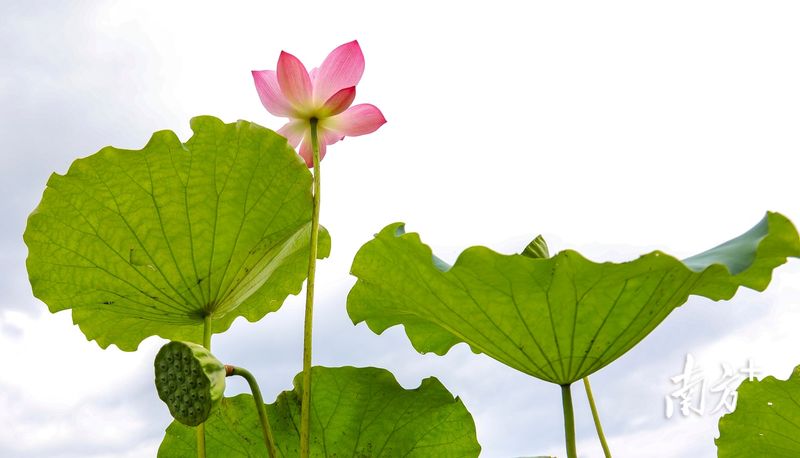
With flowers and leaves and lanterns
It's a field plant
The method of planting is: temperatures are stabilized at above 12°c, with the choice of a strong seed with a full sprout, slashed into mud 10-15 cm, and tails out of the water 2-3 cm to prevent decay. Cultivation density per acre: 150-200 lichen, 200-250 lichen and 300-400 lichen。
Water level control is a technical task: it keeps shallow water from 5 to 10 cm to raise the temperature of the mud, adjusts to 30 to 50 cm in the long term and does not exceed 1 m for short periods and lasts no more than 48 hours. It is a pit that many newcomers can easily step on — a high water level, regardless of type, which can slow down and even decompose。
Facilities grow, and the north has flowers all year long
Hardware is the basis: the henan town plains-holder fair built a 4300 m2 smart solar greenhouse + a counter-season glass complex, and integrated goods networking automatically controls 12 environmental parameters, including temperature, light, co2 concentration, etc., that can be remotely controlled。
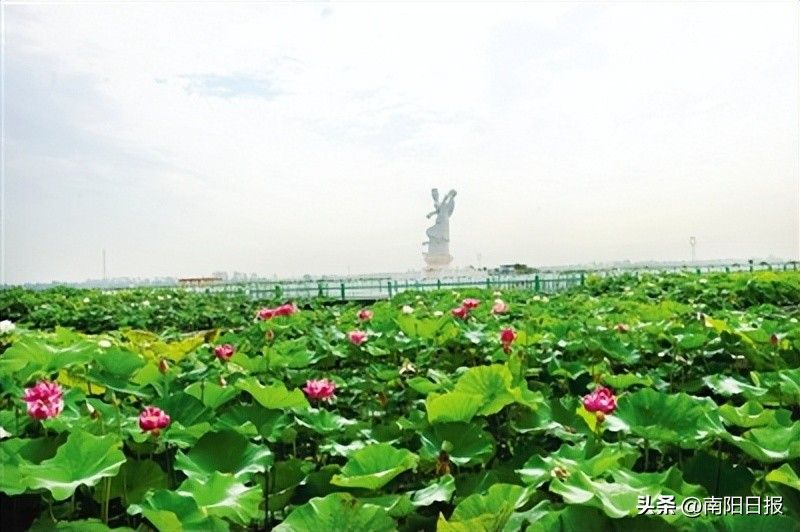
A large area of horticulture
Environmental parameters need to be precise: growth at 20-35°c, with a minimum of 15°c at night; sunlight of not less than 10 hours; and full spectroscopy of light during winter oligarchy to 12-14 hours. The growth cycle can be condensed to 60-90 days through temperature + light + water fertilizers to achieve non-natural flowering。
The counter-seasonal effects are significant: when the northern winter open-air flower is completely dormant, the warm indoor environment allows visitors to enjoy the flowers throughout the year. This complex has earned more than $90 million per year, boosting the per capita income of neighbouring farmers by more than $20,000。
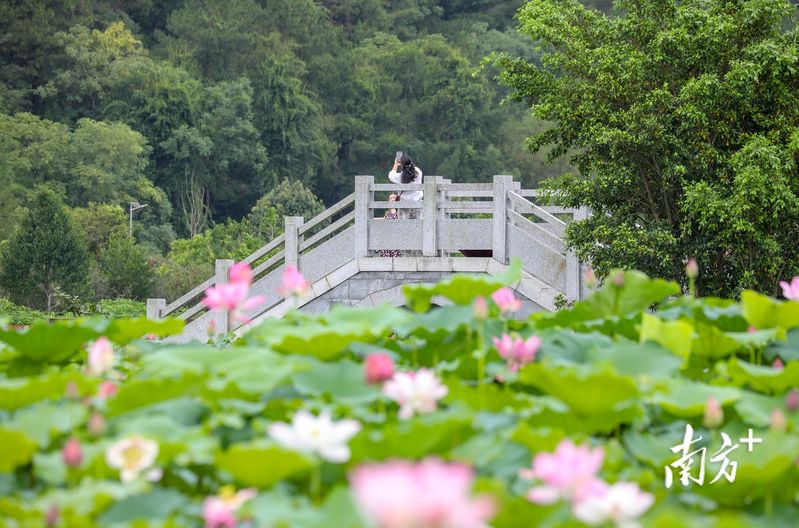
Tourists film the flowers on the stone bridge
What's the key difference
Seen lotus: focus on the pursuit of phosphorus potassium fertilizers and reduction of nitrogen fattening to avoid foliage. Special varieties such as perfumes are required to maintain a level of 30-60 cm per year at a higher depth, with no less than eight hours of light per day, without which the ability to release the aroma is completely lost。
Sub-lean: increased fertilisation of boron and increased sit-in rate, with a high yield of acres producing more than 100 kg of dried fruit. Using a hyena-specific formula, the primary flower and flower season focus on the application of potassium + boron. The variety of “system 36” and other species chosen by guangchang has been extended to more than 80 per cent of the country's white lotus production areas。
Jolly: re-enactment of nitrogen fattening, with conventional acre production above 2,500 kg. The end of the season is gradually returning to a level of 10-15 cm, and 10 days before the harvest, it is easy to dig。
New technology models, reduced efficiency gains
The symbiotic symbiosis has been the hottest pattern in recent years: the acreage of crayfish covers water purification, the pine weeding of the crayfish activity, the excrement as natural organic fertilizer, all yielding an additional 800 yuan。
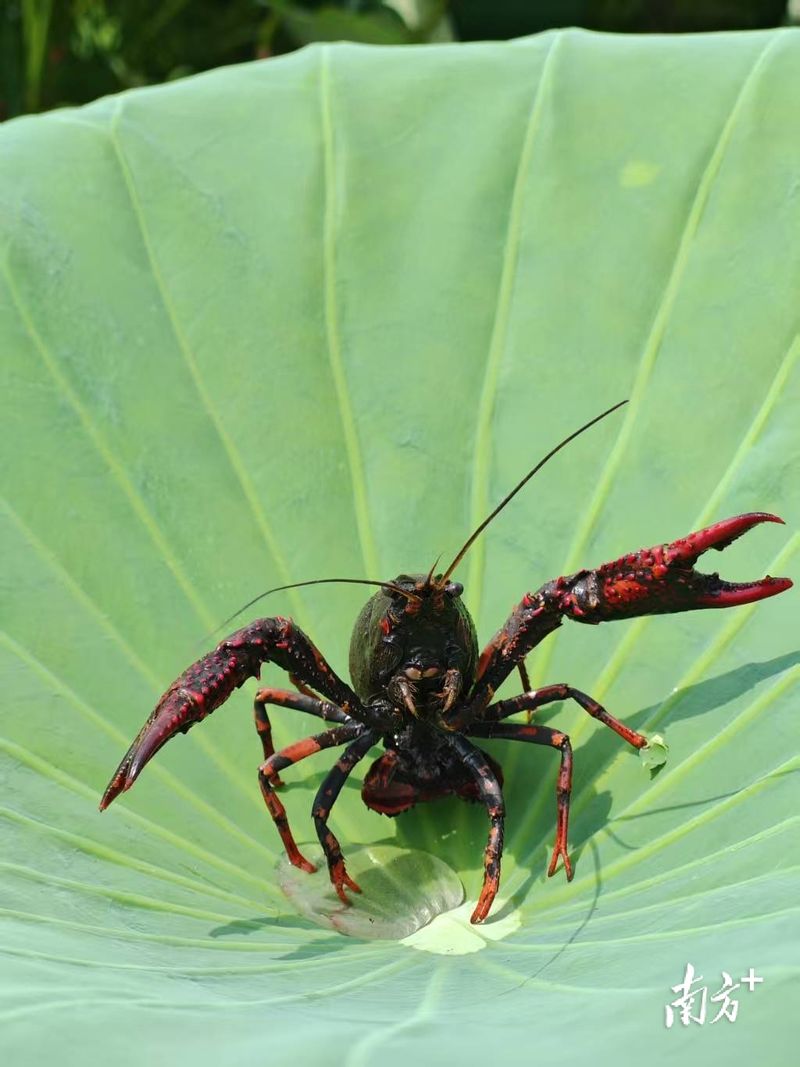
The lobster stays on the face of the leaf
You might want to ask, why is it easy for ordinary farmers to fail in the field? The answer is three words — too hard. Nitrogen fertilizers do not bloom, the light falls short of three hours of direct eutrophication, and the diversion of water levels, regardless of season, leads to rotting roots. Priority is given to local domestication and the blind introduction of rare varieties from the south is the most immediate way to reduce risk。