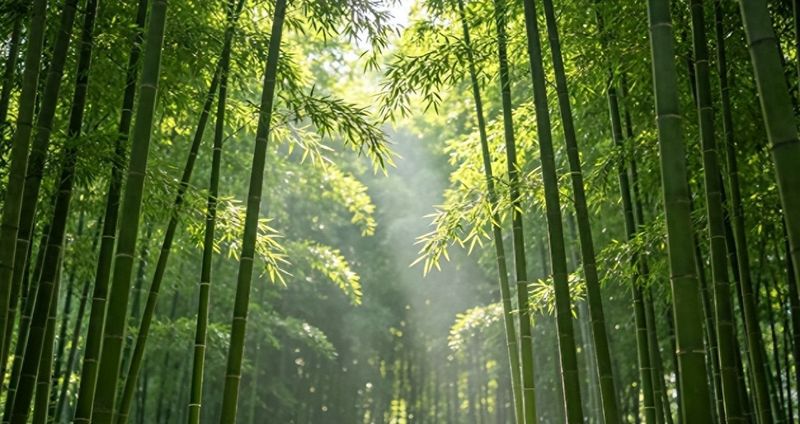
What kind of bamboo do you remember
Is it the elegance symbol of "better to eat than to live" or is it the lovely food that pandas eat? In the united states, the image of bamboo is completely different。
It is known as a “green terrorist” and is an invasive species that many states have explicitly prohibited from growing. It's a fine, a fine of hundreds of dollars a day。
Why is the same bamboo, a treasure in china, a street mouse in america
America doesn't have a national ban on bamboo
The term “united states total ban on bamboo cultivation” that is circulated online is not quite true。
The federal government of the united states has never had such a one-size-fits-all policy。
It is the states, counties and municipalities themselves that are really struggling with bamboo。
So, to be precise, it is the governments across the united states that, to varying degrees, have really moved on to specific kinds of bamboo。
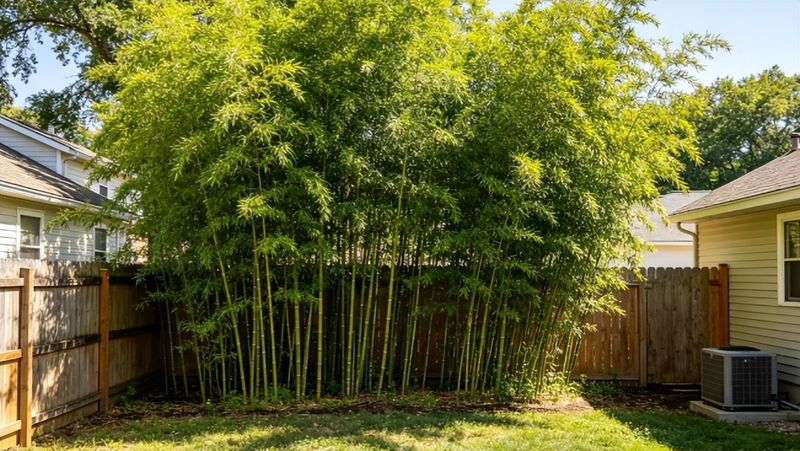
The problem is on the bamboo that runs
There are two kinds of bamboo, one of good and one of bad。
Beautiful, standing still, moving up in a row, not causing trouble. It's called "running bamboo" in english -- running bamboo。
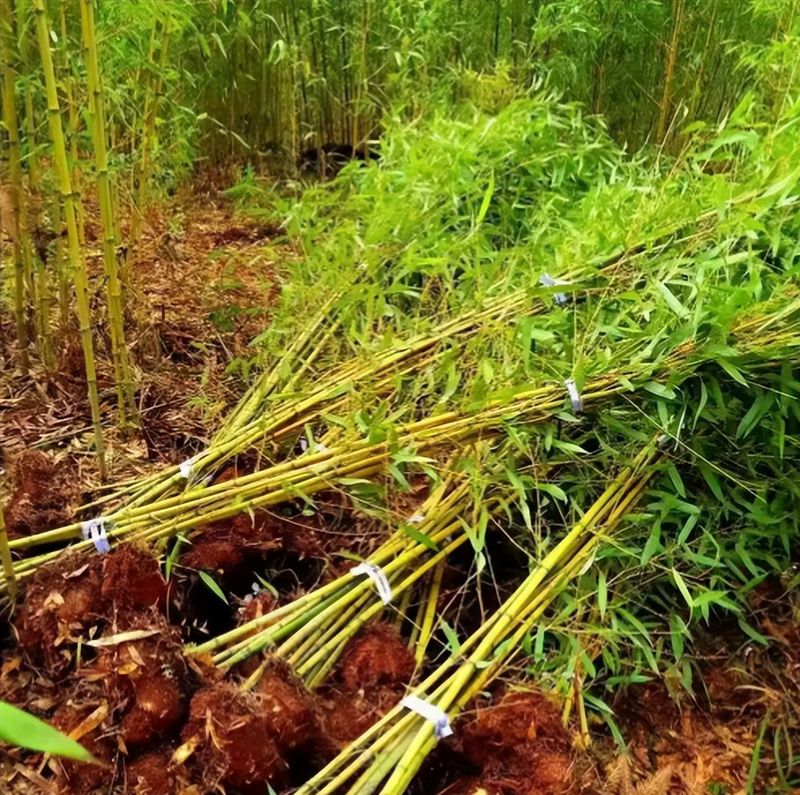
The bamboo can run, all on the underground bamboo whip system。
The whip is its root, not its root, but it is stronger than the root。
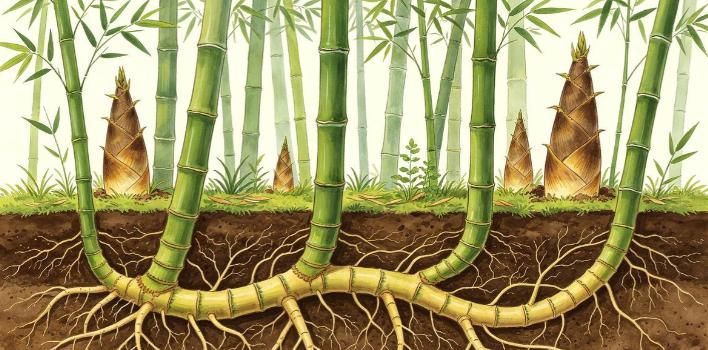
It drills across the earth, each section with its buds and can push several metres out of the country a year。
When you see the tip of the ground, the underground bamboo whip network will penetrate where you can't see。
The physical destructive power of this thing is quite frightening。
Newly emerging bamboo plumes, with a strong presence, can break the concrete road, can drill into the house along the wall, and can squeeze deformed groundwater pipes。
American horticultural experts have said a great white word: as long as the whip is not dead, it can keep moving forward。
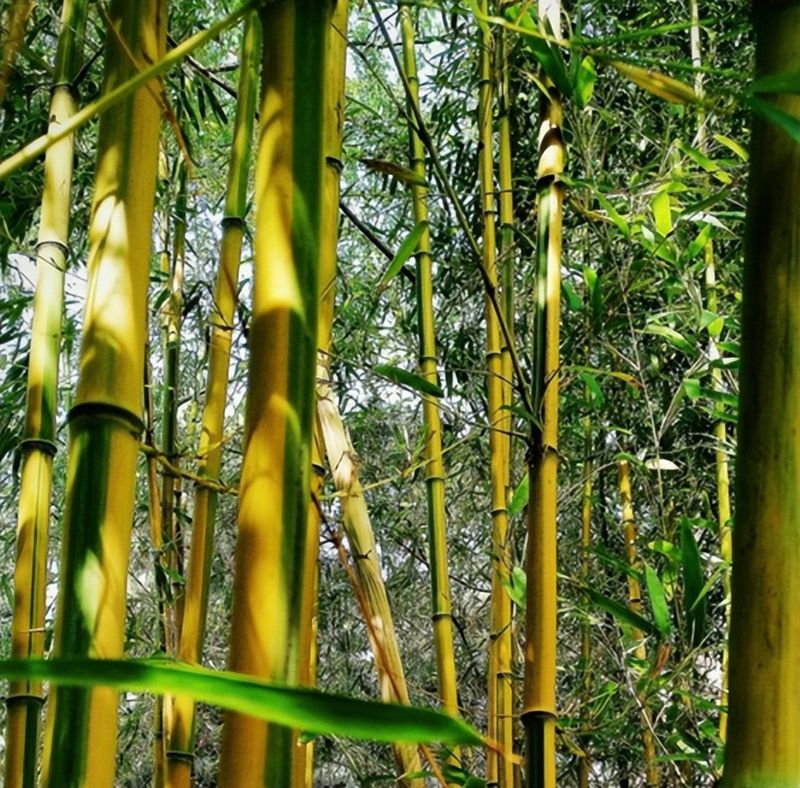
A case involving bamboo
Kentucky's been such a mess。
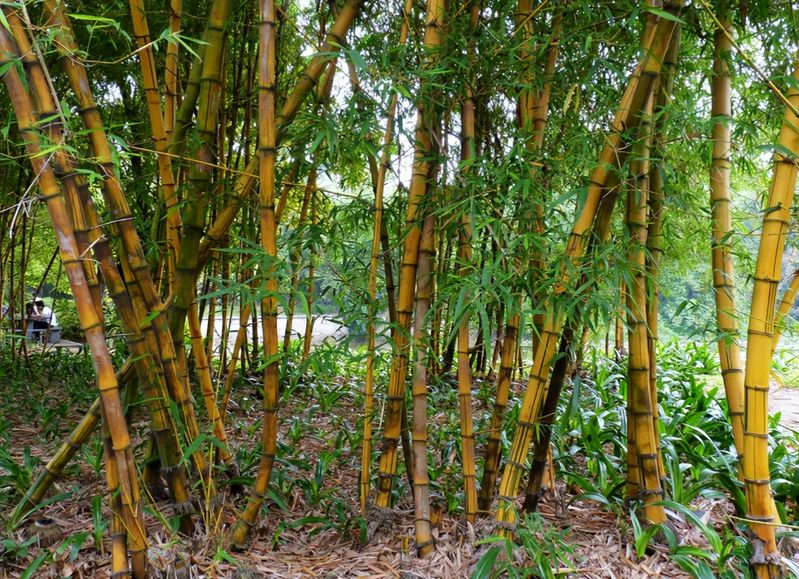
A good family map. A few gold bamboos planted in the yard. The first few years were really pretty, green and able to block the neighbors。
The result was less than five years later, when the underground bamboo whips reached the neighbourhood。
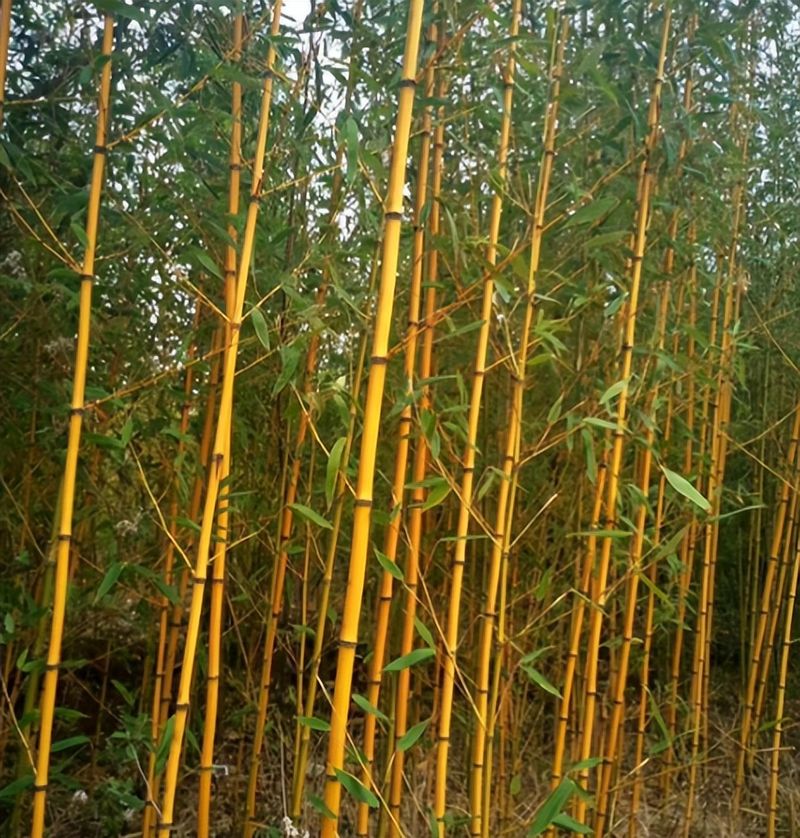
Neighbors' lawns were slammed into pits, the concrete foundations of the garage were slit and even the sewers were squeezed into shape。
The neighbors, of course, went straight to court。
In the end, the family was ordered not only to clean up the bamboo in its yard at great cost, but also to pay full compensation for the loss of its neighbours. Tens of thousands of dollars went in。
The american horticulture association has recorded that there are more than 2,000 cases of cross-border conflict across the country to the courts each year。
There's even a special term in the bar called "the law of bamboo."。
How did bamboo get to america
There were no bamboo in the united states mainland。
Around the end of the nineteenth century, with trade with east asia, bamboo was brought in as a ornamental plant。
The americans at the time thought it was good, green and fast, and it would be a perfect fence in the garden。
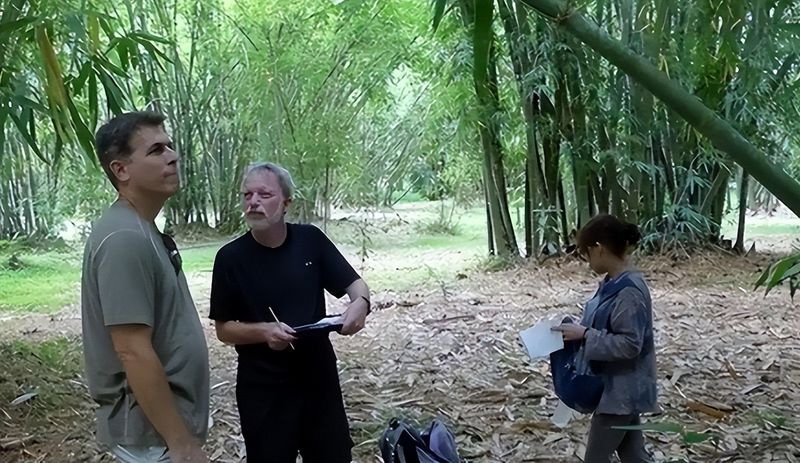
Around 1915, the united states department of agriculture also deliberately introduced bamboo and bamboo varieties from china. In the long period between 1898 and 2010, almost 200 bamboo species were imported from china alone。
The point of departure was simple: the environment was beautified and the earth was reinforced。
No one could have thought that this “good-looking” decision had buried a great thunderbolt for future generations。
Why can't america handle it
In china, the same bamboo has become a scourge in the united states. In china, bamboo is valuable; in the united states, bamboo is a green plant。
At the beginning of 2026, the country's bamboo industry produced more than 500 billion people a year, and there are tens of thousands of bamboo-processing enterprises in the country, with nearly 30 million people living in the industrial chain。
The bamboo can be turned into money from the poles and the roots to the leaves。
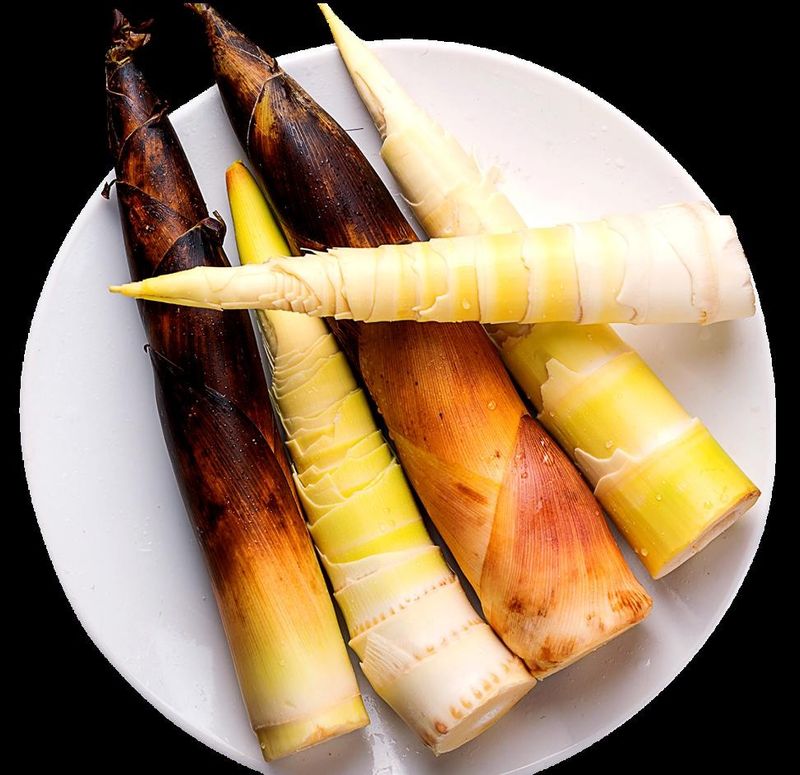
Spring can eat, old bamboo can make building materials, make furniture, make paper, and even bamboo crumbs can be crushed. A thing that's been pushed away by a chain that's so big that it can grow and be a resource。
What about america? There's no habit of eating bamboo, no decent bamboo processing。
After the bamboo was planted, no one cut it, no one used it, no one cared。
More crucially, there are virtually no bamboo-eating animals on the mainland of the united states, and there are few pests or diseases that are specialized in the scourge of bamboo。
So the bamboo spread out the joy, and smote its head under the earth, and no one could stop it。
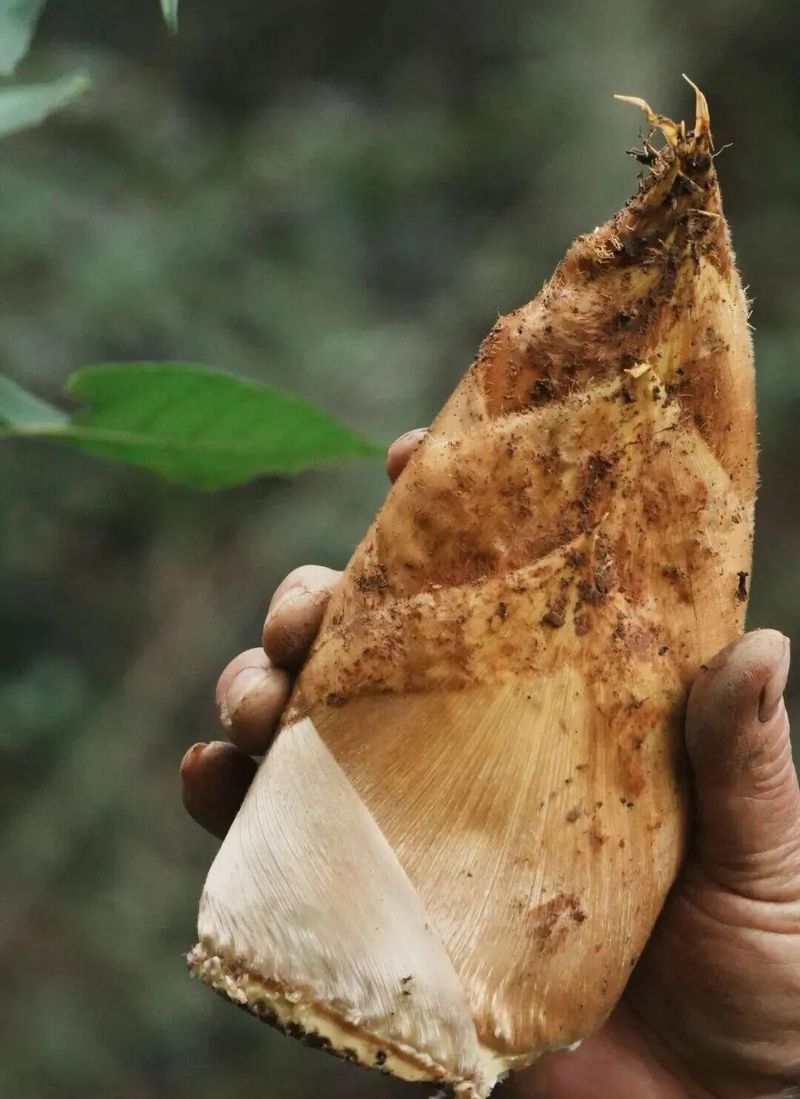
It's starting to get worse everywhere
By the time the local government reacts, the bamboo has gone out of control。
As a result, various local regulations were issued。
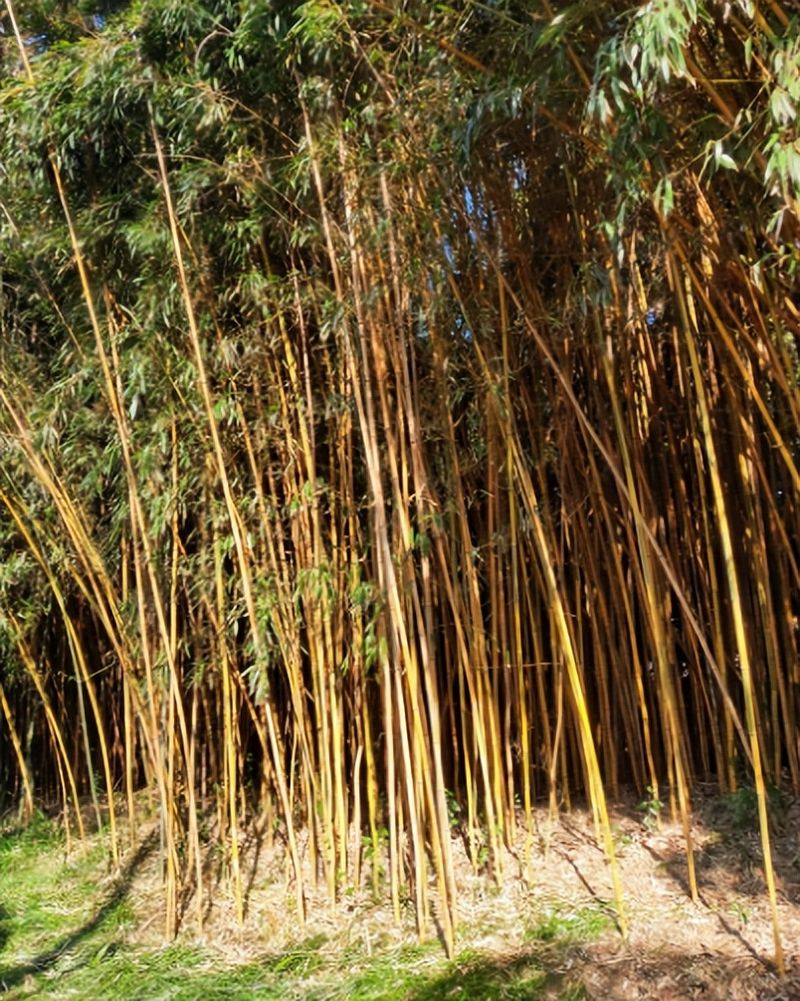
The state of connecticut provides for a 100-dollar daily penalty for the violation of the law by not being able to plant bamboo too close to the neighbourhood。
A town in new jersey was even more severely punished with a single-day cap of $1,200. A county in maryland simply prohibits commercial trade in bamboo from the source。
Similar regulations exist in places such as virginia and new york, where fines range from dozens to thousands, and are mostly in the nature of the day — today is not clear and will continue tomorrow。
But to be honest, it's passive. The local authorities pursued the penalty behind and the bamboo whips ran underground。
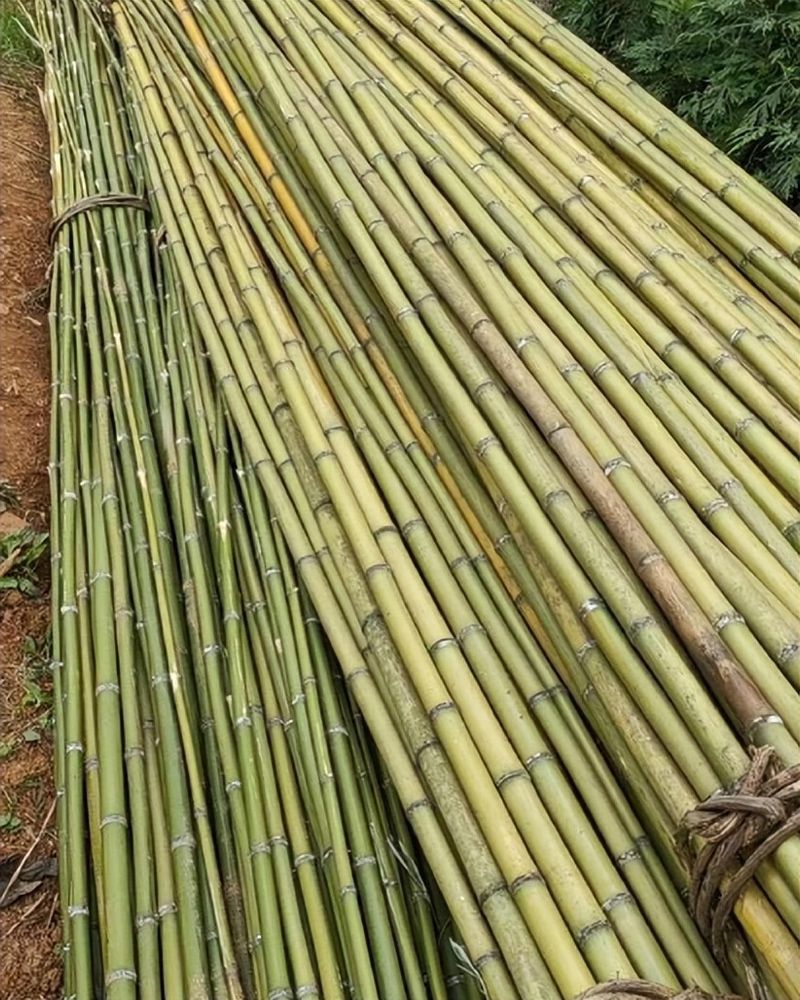
When law enforcement officials came to the door, bamboo would have “run” to another yard。
It's worse than a fine. It's clean
It's a lot harder to clean a bamboo than to pay a fine。
The bamboo whips are buried in the ground and cannot be seen, and it is almost impossible to dig clean at once。
It's been dug today, it's coming out again tomorrow. It has to be slashed and rooted over and over and over again, not necessarily for years。
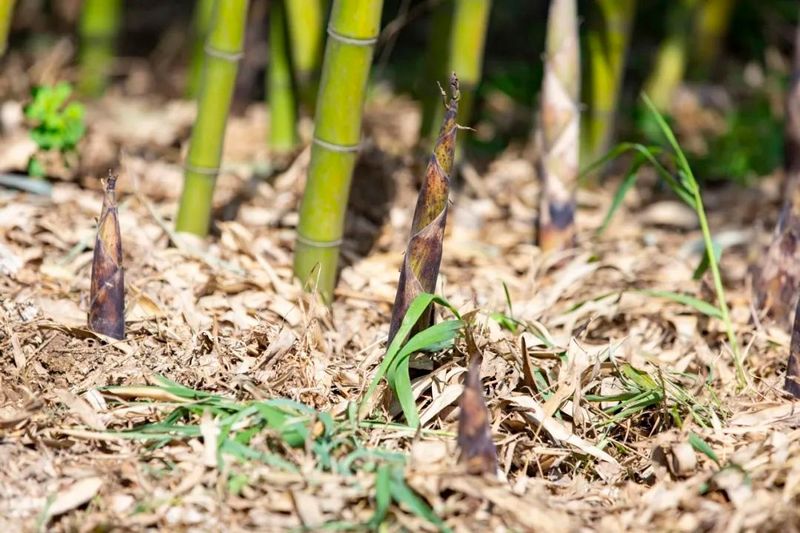
The cost is too high。
According to a home-based forest company in new jersey, the clean-up of bamboo at a one-time start-up cost of $5,000 was serious and could not be sustained by $30,000 to $40,000. Moreover, the united states government did not have subsidies for bamboo removal, which had to be paid for by the owner。
So many american homeowners are so big when they listen to the word bamboo, not because they hate it, but because they can't get in trouble。
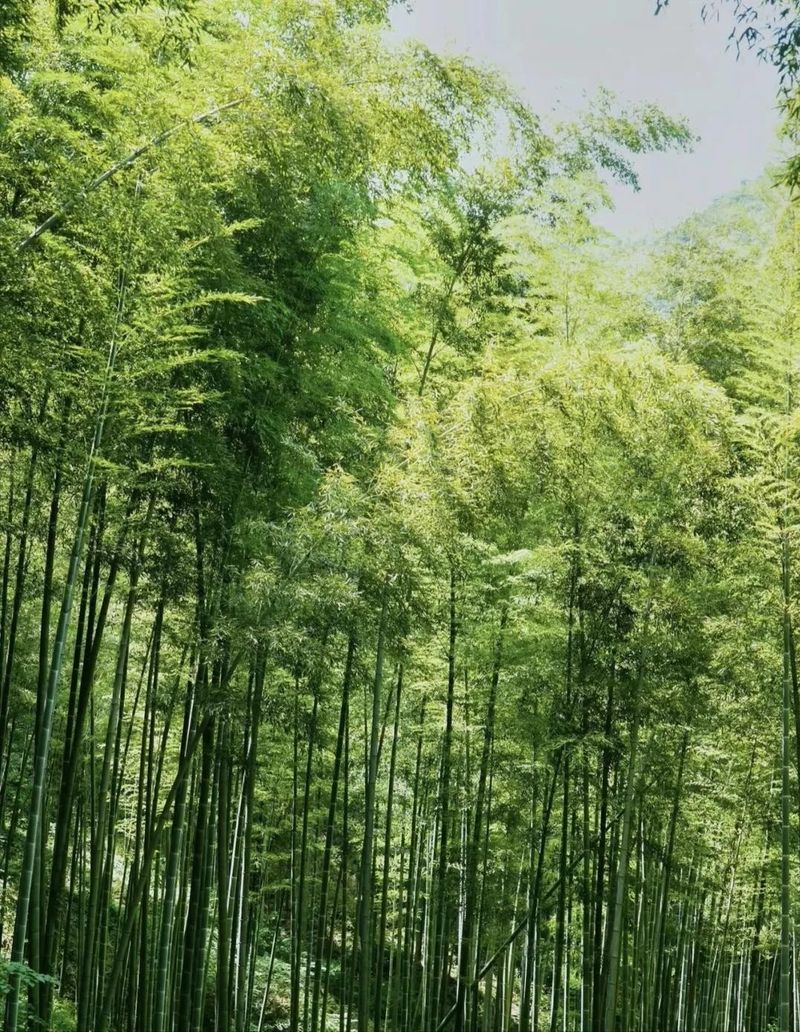
The matter of bamboo is a reminder
What happened to bamboo in the united states is not an isolated case。
Zebra mussels ran to the lake in texas, messing up the local ecosystem; zebra wax, somehow blended into the eastern part of the united states, is now a disaster。
These alien species have left their place of origin, lost their natural enemies and ecological constraints, and can easily lose control in the new environment。
In fact, the united states is not hostile to bamboo, but rather afraid of an uncontrolled growth。
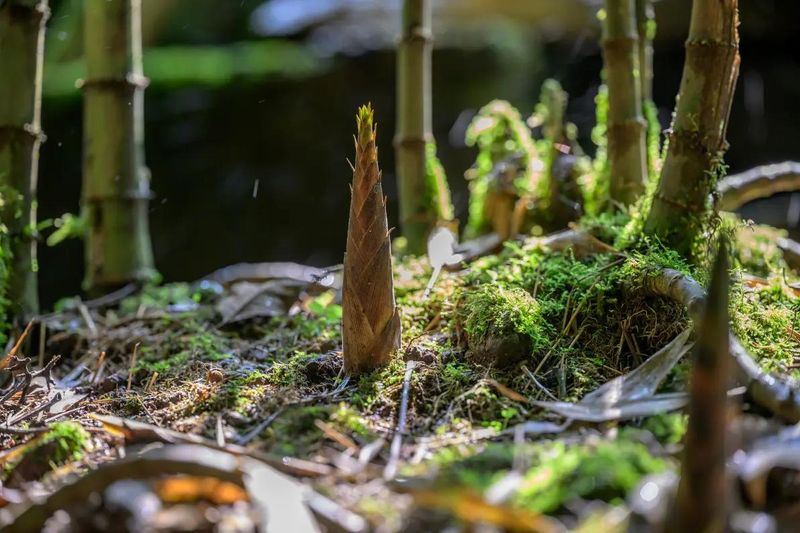
It is also a hazard to look good when there is no natural enemy, no use value and no precursor management。
It also reminds us that the introduction of alien species cannot be viewed solely as an immediate benefit。
You brought in a view or a problem that was unopened. Nature has its own balance, it is easy to break it, and it is difficult to rebuild。