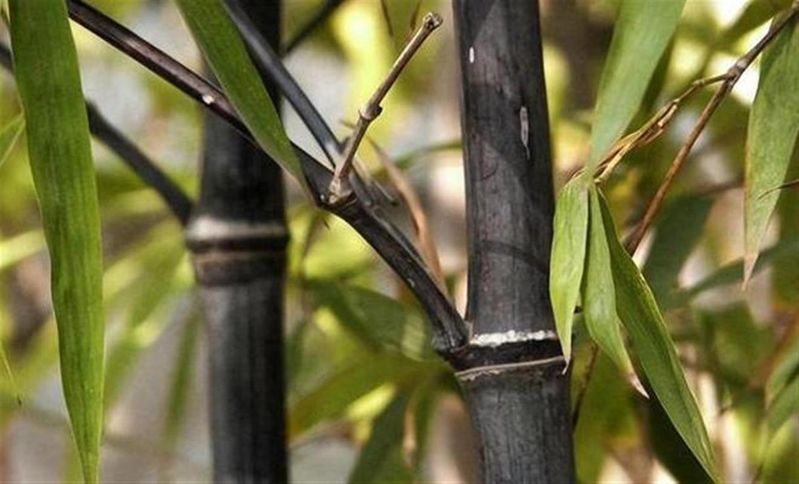
"uploadid": "v0da62g10003d8ds4j2jhtfjn3qm280", "duration":677. 159, "sourceprovider": "readtt", "contanttype":1, "extra": ""audio text":" we're talking about this alien species today. What trouble would it cause if there were no natural enemies without checks and balances, for example, american bamboo, australian rabbits, etc. It is because there are no natural enemies and there are no corresponding constraints. This has led to the wild reproduction of these species, which has resulted in many ecological problems and economic losses on the ground. Yes, it is quite true, so let's just start today's discussion. The first thing we need to focus on is why, in the united states, bamboo can be seen by some local governments as a nail in the eye, a prick in the flesh, and even a name like green terrorists. Actually, this bamboo image is so different in china and the united states that it symbolizes elegance and blessing. However, in the united states media, bamboo had been capped by green terrorists. Some local governments have very harsh penalties for bamboo, and you have planted bamboo, and you are punished with hundreds or even thousands of dollars every day. And it shall be added to it until thou removest the bamboo. It sounds like america's management of bamboo is really very strict. What is america's policy on bamboo cultivation? Well, a lot of people think the united states is completely banned from growing bamboo, either at the federal level or at the federal level. The united states department of agriculture does not include bamboo on the federal list of harmful weeds. So, at the national level, he did not say that the whole country was united in killing bamboo. Turns out the federal government didn't shut it down. Where is that limiting bamboo? It's mostly state and territory, like new york, connecticut, new jersey, maryland. They have scattered some species of bamboo, especially those that run. A separate list of limitations. Oh, yeah, that's one of their priorities. Speaking of bamboo, let's just discuss what is at the root of it, and why is it so destructive in america? With a very powerful weapon, the bamboo is called a bamboo whip, which is in fact a tub through the ground. And he can grow four or five metres a year. It's actually all connected underground. Yes, he did not say that a bamboo would run, but that the whole bamboo forest was moving forward. In that case, you thought it was pretty good when you planted it, but you didn't even know that it had spread to the neighbors. That's right, and there's a lot of buds on the whip. He'll have a spring when the conditions are right. Spring is growing very fast, and he can grow 10 or 20 centimetres a day. And its roots will break your concrete, wooden fences, even the foundations and sewage pipes. One example is in kentucky, where, um, a family grows gold bamboo. Five years later, his neighbor's lawn was destroyed. Ground-based cracks and sewage pipes are damaged. The court finally awarded him tens of thousands of dollars, and think about the damage. What are the social and economic problems in north america caused by this debris? Uh, the american horticulture association did. Each year there are over 2,000 neighbourhood disputes caused by the cross-border movement of bamboo. The amount of compensation then added up to several million dollars. So there are special bamboo laws in the united states. There's a special set of laws for you to bring a case. Looks like it's quite common to have a case between this neighborhood because of bamboo. It's common, and for american families, you have to clean up bamboo. It is normal to spend thousands or even tens of thousands of dollars, because it is not only expensive for manual equipment. Time costs are also very high. So what we're gonna talk about is, how did this bamboo get to america? Actually, it's quite dramatic, more than a hundred years ago. The government of the united states had taken the initiative to import gold bamboo from china at that time, in the 1980s. It was then introduced into the world around 1915, with bamboo and bamboo, which they planted in the south-east of the united states. For example, in alabama. Why does the united states view bamboo like this? Is there a special purpose? What they saw was that the roots of the bamboo were particularly developed. They then grow fast enough to help them secure the soil and prevent erosion. And the bamboo is always green, and the leaves are thick, so they think it's a green fence, or a privacy barrier. Because in north america it's hard to find this green bush on the mainland. So they thought it was a perfect plant at first? Yes, they did. This is a perfect ecological project. And it is neither easy nor fast, nor green, but it brings a little east, but they do not think. This is actually an ecological time bomb. If that is the case, we are about to focus on the core issue. Why is it no big deal for the same kind of hindsight to be in china, and to be a violent green terrorist in the united states? It's a matter of checks and balances, and there are many natural enemies in china. For example, bamboo elephants, mackerel and mackerel, all of them feed on bamboo. And then there were pandas and bamboo rats, and they didn't eat very efficiently, but they were all part of the chain. In addition to these bamboo-eating animals, does china's geography help? Because of the mountains, hills and hills in the south of china. The terrain itself cuts the growth range of the bamboo into small pieces. It's hard to go into a series of expansions, huh. And china's been fighting bamboo for thousands of years. A system of access and management has long been developed. For example, it'll be cut in a few years. Its bamboo can be made of furniture and building materials, and its mackerel can be used to make paper. It's still edible, so bamboo is actually a cash crop in china. Doesn't america use bamboo like china? No, the united states barely eats bamboo and rarely uses it. So there is no industrial chain to consume the bamboo. And america has no natural enemy of bamboo. And with the flatness of the united states, bamboo can grow unstoppable, and yes, that's why the united states bamboo is infested. If bamboo continues to so flourish in the united states, what are the specific problems for the local ecosystem and economy? It was found in a nature reserve in tennessee. The area of the bamboo invasion, the local plant species, was reduced by almost 70 per cent. Because the bamboo will form a very dense bamboo forest, and it's unlighted below. So many native herbs and shrubs can't grow. Insects and birds will then disappear, and some of the bamboo forests on both sides of the riverways grow too dense. Bamboo leaves and dead poles accumulate and are easily blocked during the rainy season. The risk of flooding increases. Wow, that really does seem to be a big impact. How much does the government pay for this? The united states department of agriculture has estimated that each year it cleans up bamboo and then repairs some of the facilities damaged by bamboo. It would cost billions. Bamboo is a managed resource in china. But in the united states, it's a wild, unmanageable species. So the same bamboo has a very different fate in different places. So, what do the states of the united states do when confronted with bamboo invasions? Because the federal government does not have a uniform law, the states have their own way, for example in connecticut. You must be planted 40 feet from the neighborhood, or public land. And then you're going to have to put up a barrier at least 36 inches deep. If you break the law, you'll be fined $100 a day, and he'll be fined if you don't deal with it. There are places where punishment sounds harsh. Yeah, like selville, new jersey. He also introduced a new ban in 2002. It was his single-day fine cap that ran directly to $1,200. The state of new york then added some of the scrawling bamboo to the state-level list of prohibited species, starting in a year or five. You can't sell it, you can't grow new ones, and so many of the places you grow have to be cleaned up before. Are there any more difficult problems with the implementation of these laws? The biggest problem was the lack of uniformity of the law, which the federal government said was irrelevant, but the cantons and municipalities had their own set of provisions. And some are forbidden, others are forbidden. Then the roots of the bamboo are that it does not recognize you as an administrative boundary. He'll sneak around and keep growing. As a result, many local governments and owners have to be led by this whip. All right, let's focus on this bamboo clean-up problem. Why do so many families and local governments feel overwhelmed when dealing with bamboo? A lot of people think i'll be fine if i cut off the bamboo on the ground. Actually, you just cut it。because its life is hidden in the earth, and its whips can be in the earth's layer, deep in the earth. It's like a mess. You cut it off on the ground and it's gonna pop up again soon, and you want to wipe it out. You're gonna dig up all the vegetation. Then you shall dig up to more than a metre to remove all the whips. Even if a very small part of the whip is left in it, it'll come out again next year. It doesn't just sound like it's hard, but it's hard to make sure you get rid of it. Yes, many places are dug over and over, and then accompanied by repeated herbicide spraying. For american families, it is more than just spending on water. And the longer you drag, the farther its roots go. The final bill will only get scary. So some local governments simply raised the fine. Just trying to scare you so you can do it sooner. Don't let this bamboo get hurt. What are the experiences and lessons from the bamboo flurry of the united states in relation to alien species management? The bamboo itself has not changed, but it has reached a new environment. Because there was no natural enemy, and there were no constraints on it. Then there is a lack of human control. So it went from being an ordinary plant to being an ecological disaster. In fact, this pattern is seen in many invasive alien species, such as australian rabbits, asian carp in the united states, and chinese aqueouss. It sounds like there's a common beginning to all these cases, and it's that humans thought at the beginning that i was the last one. Yeah, yeah, when it was introduced, people said this thing could help me with the soil, the environment, the economy. But everyone has forgotten that it is bound by natural enemies, pests, terrain and human use of death at the source. When it arrived at its new home, all the checks and balances disappeared. That's why it's changing from a good people to a gangster. Did the united states find any better balance in responding to the bamboo invasion? Now it's kind of like paying for past mistakes. It is they who now have a ban in every state, but they can't do it the same way. Because some of the fields are completely harmless, and some of the industries they want to develop. So the whole system is still searching for a management balance. When we talk about this, we can make a hypothesis. If you live in an environment like america where labor is expensive and regulations are strict, neighbors like to sue. You really want to grow some bamboo at home? What would you do? I'm not going to challenge it, even if it's beautiful. I'd probably just pick some bamboo or just plant it in a flower pot. I'm not even getting a ticket or a lawyer's letter. So much has been said to us today about the causes and consequences of the united states bamboo disaster. Actually, we're trying to remind you. The introduction of alien species cannot really be based solely on immediate interests. The ecological balance really needs to be maintained very carefully. Well, that's the whole story of the podcast, and thank you for listening"https://tosv. Byed. Org/obj/tos-tingtoutiao/ai podcast m== sync, corrected by elderman == @elder man