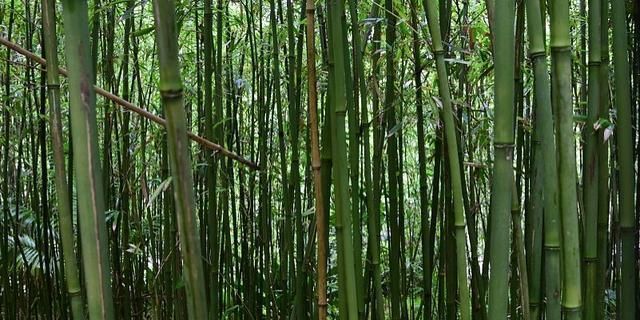
Residents in many parts of the united states have been given court summonses and fines of up to $100 a day for planting bamboo in their own yard, causing the breach of their neighbour's concrete roads, blocking sewers, a problem rooted in the uncontrolled spread of bamboo under the ground, without natural enemies or industrial consumption, and undermining the safety of houses。

In places such as connecticut and new york in the united states, the government has introduced very strict laws to regulate bamboo。

Under these laws, if the inhabitants are to plant such scattered bamboo in the yard, they must dig a ditch of nearly one metre deep in the dirt and then bury thick plastic or metal plates in the ditch, blocking the death of the bamboo。
If this blockboard is not installed, once the roots of the bamboo have grown to the land of the neighbour, the neighbour can go to court and the person who planted the bamboo not only compensates the neighbour for the damage to the house and the ground, but also faces a $100 fine per day until the bamboo is removed。
Many americans, in order to remove bamboo from the yard, had to hire a professional engineering team for thousands of dollars, to tear up the entire courtyard with an excavator and to burn the bamboo in it。
America's headache at this bamboo is due to the fact that it has a very powerful survival instinct underground。
The branches of scattered bamboo grow very hard and spread very quickly in the soil。
When its roots meet stones or concrete foundations in the great ground, it does not stop growing, but rather seeks to drill through the cracks。
As the bamboo roots grow thicker, its power will sew the concrete floor to the top, even deform the base arch of the bricks of old houses, and it will drill into the sewers in the dirt and completely block the pipes。
Such plants, which are common in china, have come to the united states to become a problem that everyone hates. The central reason is that the united states does not have an ecological environment that can control bamboo growth。
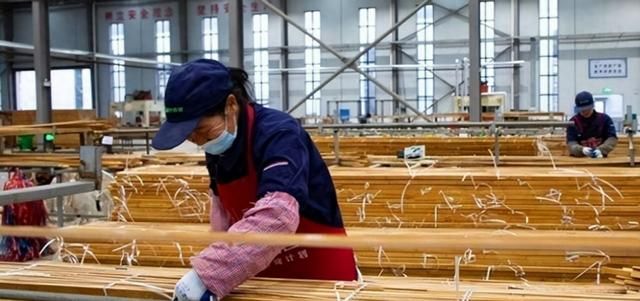
In china, bamboo has been under a lot of survival pressure from an early age。
There are insects in the dirt that eat bamboo, such as oxen and bamboo locusts, as well as fungus that make bamboo sick。
In order to survive, bamboo must use part of its nutrients and energy to defend itself against these insects and diseases, so its growth rate is limited。
But in america, insects and fungi don't know bamboo and don't bite it。
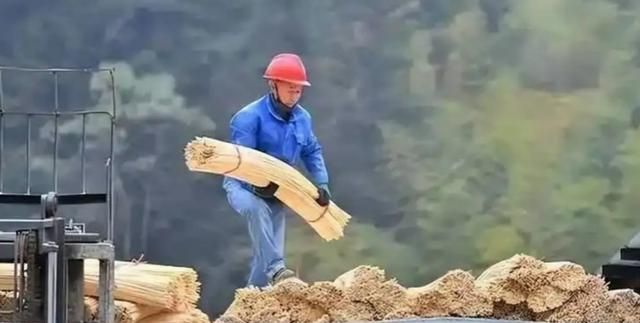
As a result, bamboo is not at any risk of disease in the united states, and it can use all its nutrients and energy to grow and root deep in the dirt, which makes it many times faster to reproduce than in china。
In addition to the absence of natural enemies, the united states lacks an industrial approach that can consume bamboo。
In china, bamboo is the treasure that farmers can exchange for money。
Every spring, farmers go to the bamboo forest to dig and sell the bamboo to the market for cooking, which inadvertently reduces the number of new bamboo。
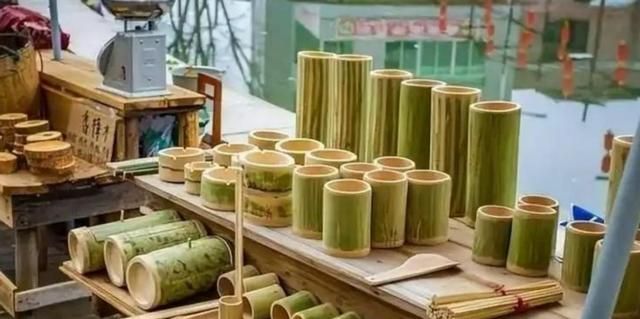
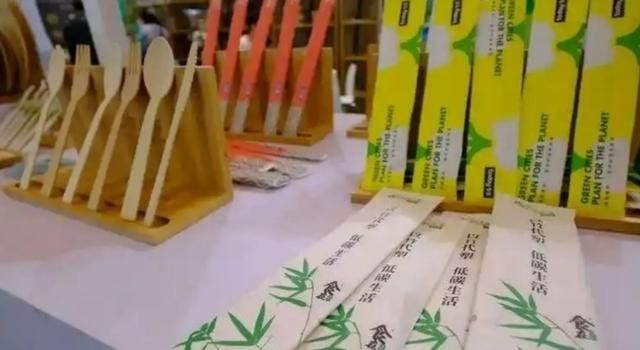
When the bamboo grows, people cut down the strong bamboo with machetes, send it to the paper mill to make paper, or make bamboo chairs, bamboo mats, brooms and even scaffolds for building houses。
With this frequent logging and use, the number of bamboo forests has been kept within a reasonable range。
And in the united states, people grow bamboo just to think it's good enough to block the sight for the wall。
Americans have no habit of eating bamboo, which they find unsavory, and no one uses it to make supplies。

The bamboo has been cut off and there is no room for it, but it has been thrown out as garbage。
This practice, which is neither cut nor eaten, allows the bamboo forest, once planted, to flourish in the courtyard, until it becomes out of control。
The united states, which now spends a lot of money cleaning up bamboo, is in fact paying off its debt for bringing home foreign plants 100 years ago blindly。
In that year, they felt that bamboo was always green, growing fast, that it could be used for the beautification of the yard, and that it could hold the soil away from erosion, but did not think that the plant would lose control in an unbridled environment。
It's like a flood of asian carp in american rivers, because of the introduction of only species and the forgetting to bring together the mechanisms that hold them。
Any plant has changed its environment, and if it is not cut and exploited, and no bugs eat it, it becomes the primary cause of destruction。
If bamboo that can be made of furniture and food is treated as an ornament that can be automatically made good without management, it can only be replaced by destroyed foundations and expensive court tickets。
Can we still count on a plant that is free from natural enemies and learn to be polite and not to destroy people's houses