On 7 april 2026, the congress of montgomery county in maryland, united states, passed a native plant protection act formally prohibiting the commercial sale of invasive bamboo。
Bamboos, a plant that in the eyes of chinese people is treasured and symbolizes high virtues, how can it become a “cross-the-street rat” on the other side of the ocean
In april 2025, the town of edison, new jersey, imposed a ban on bamboo cultivation, which resulted in 25 cases of cross-border cases of bamboo being filed by neighbours over a year。
A resident of south gate, kentucky, has been haunted for eight years by a neighbor's bamboo, which can't be removed. What is the power of this bamboo to get the americans so excited
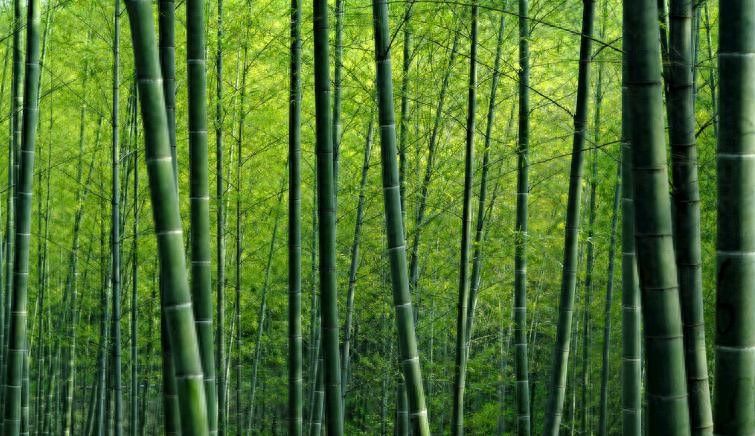
Scratch, green bulldozer, underground
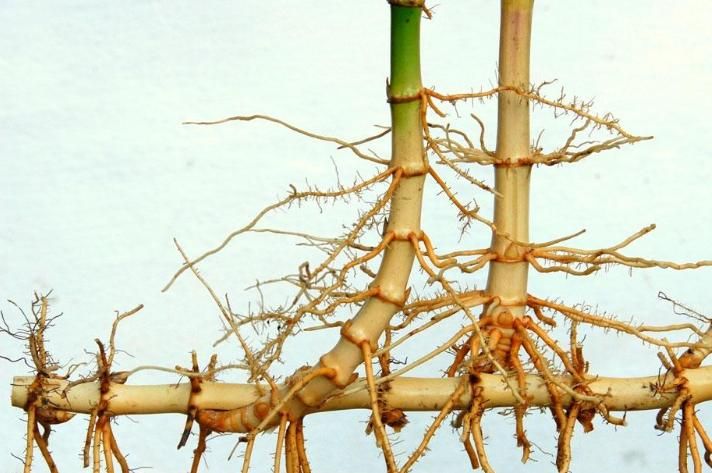
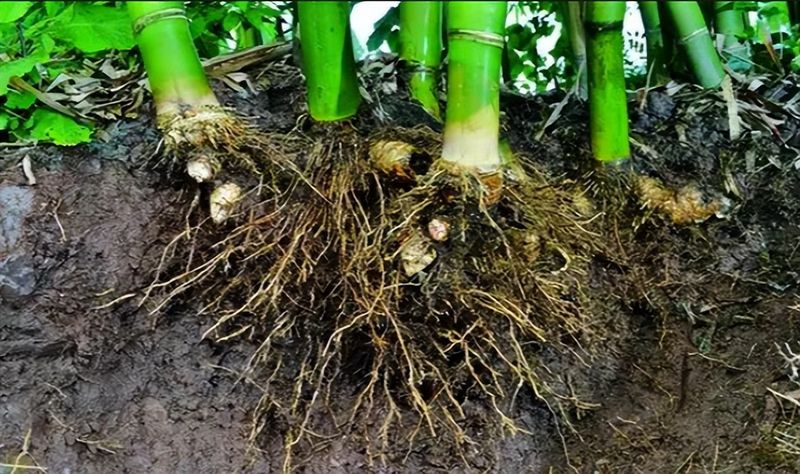
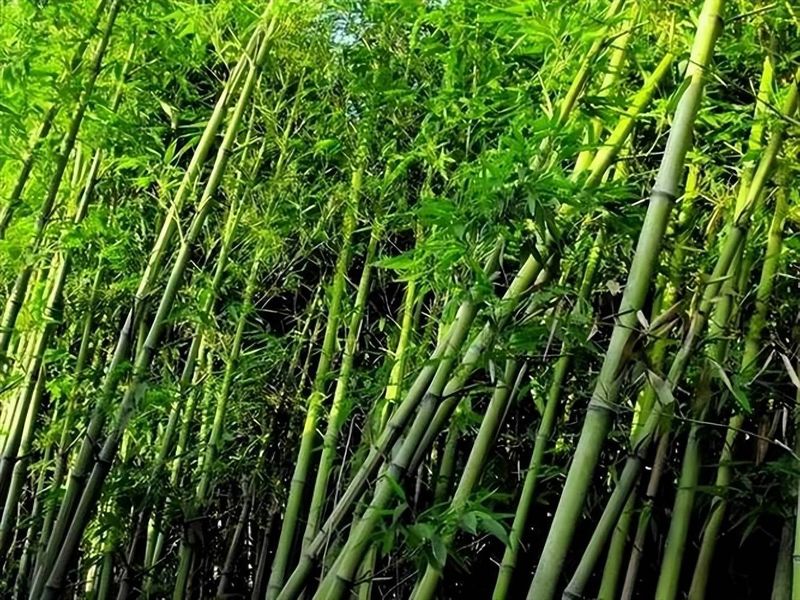
There are two kinds of bamboo: bamboo, grown in a pile, and bamboo, with its roots running through the ground, that is, bamboo whips. This is what the states of the united states do。
Research data from the university of maryland show that bamboo whips spread 15 feet per year. What's the concept of 15 feet? Almost five meters, the width of a normal yard。
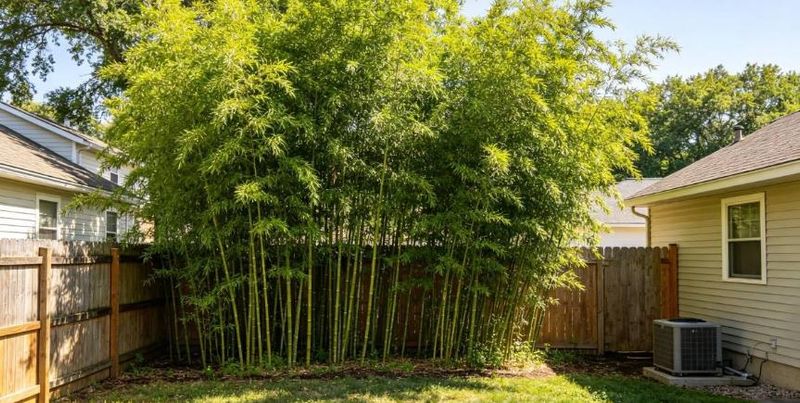
Even more frightening is the fact that bamboo whips can penetrate beyond their limits, with concrete cracks, brick wall cracks and even tardled roads。
Brenda igel, a resident of edison, new jersey, complained to the local media, and the neighbour's bamboo had been in her yard since 2019。
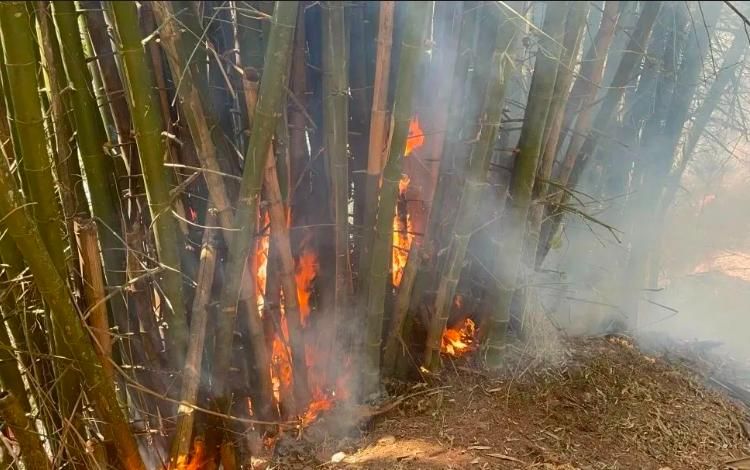
Her husband cut with chainsaws and dug ditches to bury metal plates, which could not be stopped. She said that this thing could go through concrete. That is not an exaggeration。
It is clear from the public information of the united states government in princeton: some bamboo varieties are able to drill into the structure of the house along with holes and cracks, causing structural damage。
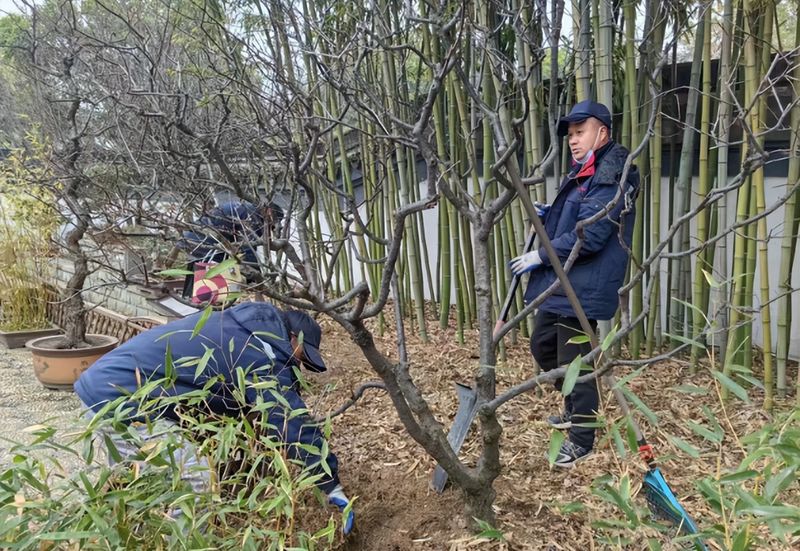
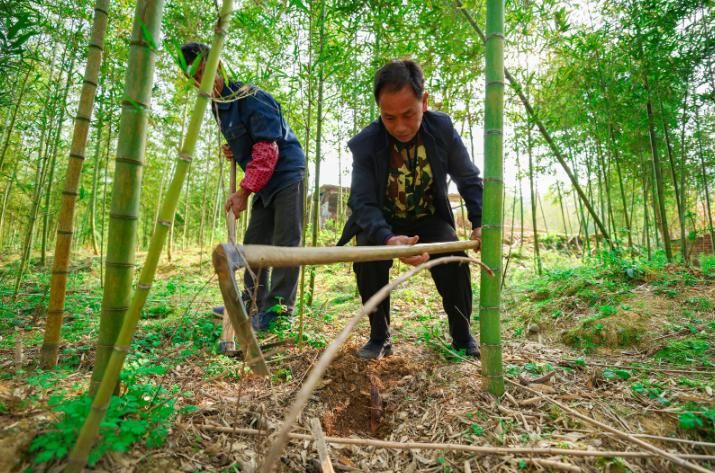
Once the underground root system is stabilized, it is difficult to clear it. We're gonna have to dig out the whole root and cut off the pole on the ground。
The agricultural extension centre of the university of maryland is quite straightforward: the removal of bamboo is a long-term project, which is much less costly than “control”. In other words, either we dig it all at once or we keep it running forever。
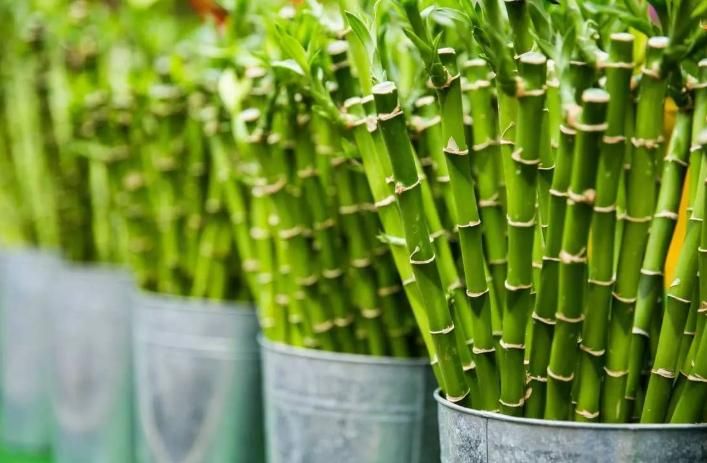
Neighbors turn their backs
Bamboo's trouble in the united states is not just an ecological matter. What hurts the americans most is the neighbourhood dispute and the loss of real money。
In april 2025, edison, new jersey, introduced a ban on the planting of free bamboo. In accordance with local regulations, households with bamboo must keep the bamboo at least 10 feet from the earth's boundary, and new bamboo can only be planted in a ground container, completely locking down the root system。
The violation resulted in a fine of $100 per day. But the provision is a provision, and its implementation is entirely different. By june 2026, 25 households had formally complained to the town government about cross-border incursions of bamboo from their neighbours。
The situation in edison is not an example. Similar deliberations are taking place in south gate, kentucky, where residents christine bauer stated at the municipal meeting that the neighbor's bamboo had invaded her lawn for 89 years。
After eight years of communication with the city's law enforcement department, she now realizes that communication alone is useless, “this thing is too fierce to be eliminated”。
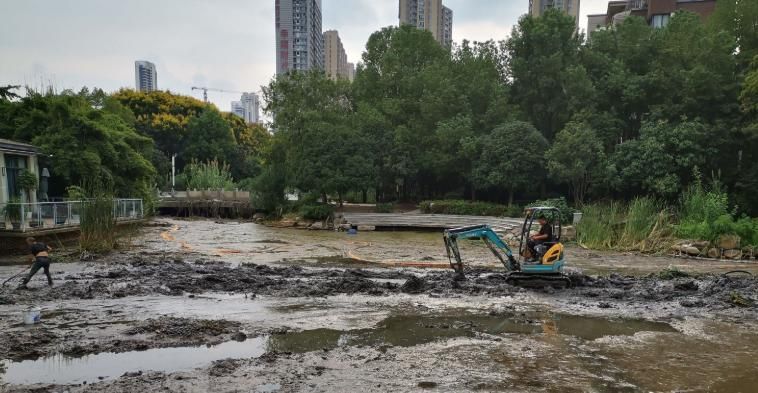
There are two versions prepared by the city of nanmen: one is a complete ban, and bamboo is not allowed to replant when it is dead; the other is a little looser and can be replanted. In either version, the cross-border bamboo has to be cleaned and the violation is fined $200。
Senator evan glass of montgomery county put it bluntly: “the great trouble and headache of many people”. It not only destroys landscapes and squeezes native vegetation but also directly causes economic losses and endless neighbourhood litigation。
From the local to the state, the forbidden layer is coded
The ban on bamboo is not an emerging phenomenon in a small town, but a wave of escalation from the local to the state level。
Maryland is at the front. On 7 april 2026, the district council of montgomery passed the native plant protection bill by full vote. The act prohibits the commercial sale of bamboo and encourages a variety of native plants。
The executive director of the local environmental organization nature forward said that they had spent many years in primary plant science throughout washington and had finally waited for that to happen. The president of the sierra club also praised the benefits of protecting primary ecosystems for the local environment and for addressing climate change。
New jersey moves bigger. In 2026, the invasive species management act was adopted at the state level, formally classifying the scattered bamboo (phyllostachys) as a state-level prohibited species。
In april of the same year, another law was signed in new jersey to phase out 30 non-native harmful plants. However, the state government granted a buffer period, and the retail sales ban came into force only in 2030, allowing time for the transformation of nurseries and horticulture companies。
Massachusetts is not idle either. Since 8 december 2025, new invasive plants have been prohibited from importing and breeding. In february 2026, the city of belvu, kentucky, included “any species of bamboo” in the list of invasive plants。
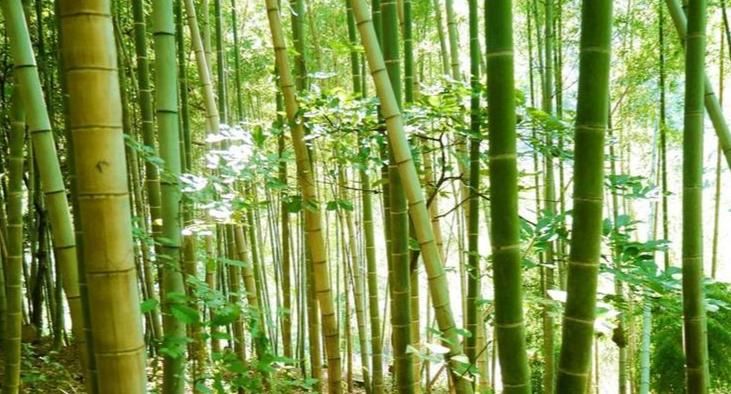
In addition, dozens of municipalities, along with several cantons, from new jersey, maryland and massachusetts on the east coast to kentucky in the middle and west, have all given red light to scattered debris. It's not much in american horticultural history。
The two fates of a bamboo between central america and china
Speaking of which, a lot of people may wonder: is bamboo not good in china? How did you get to america and become a "green terrorist"
It's not complicated. Bamboo was born in china, and for thousands of years it had been mended to its local ecosystem, with its own natural enemies and constraints。
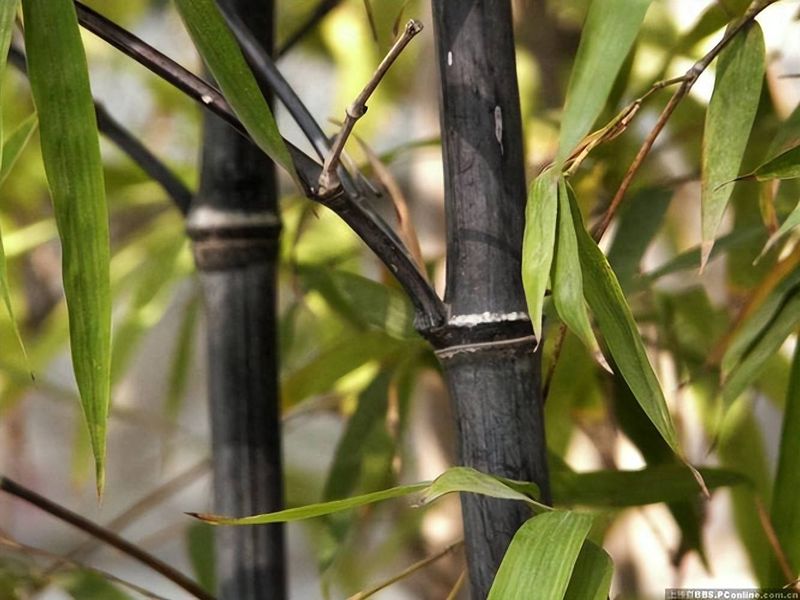
But when the bamboo was brought to the united states, it belonged to alien species, and the insects, birds and fungus did not eat it, and it grew long without a natural enemy。
The native plants of the united states competed with it and were overwhelmed. The research team at the university of maryland has published a report that specifically compares the risk of invasion with the risk of invasion, concluding that the risk of spreading bamboo is “significantly higher”。
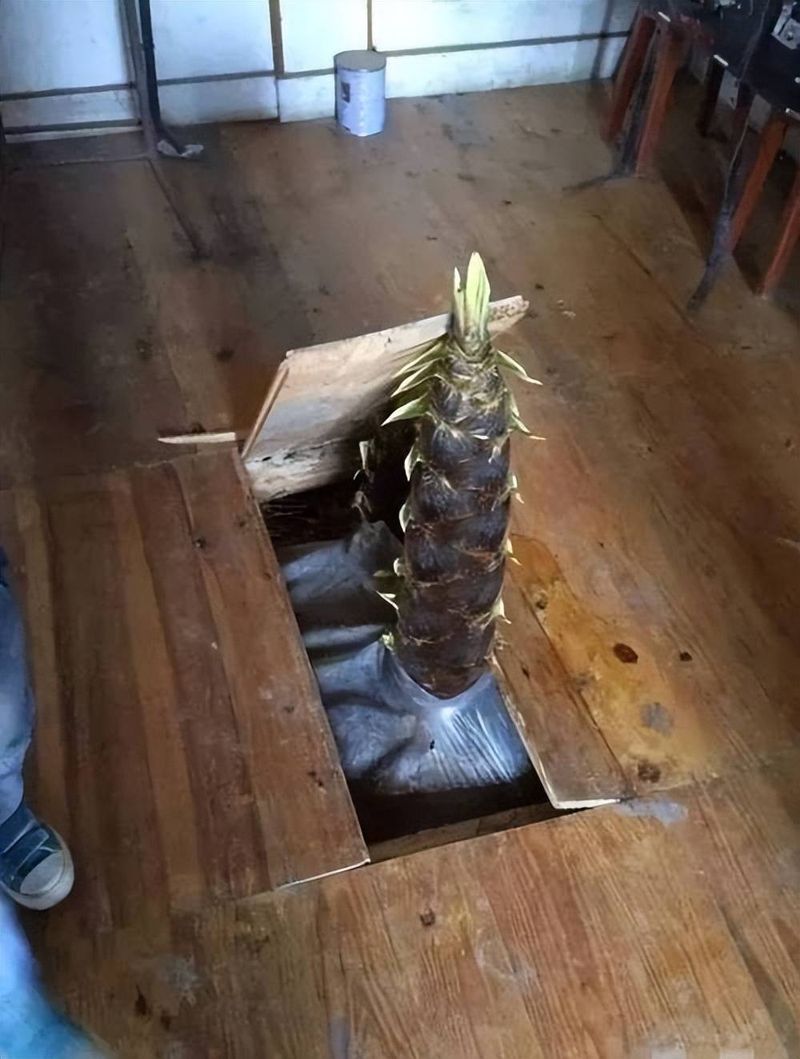
In the eyes of americans, bamboo is not one of the “four men”, it is an intruder who destroys the ecological balance。
In april 2026, 30 non-native plants were banned at once in new jersey, of which bamboo is only one. This means that the united states is systematically cleaning up invasive species, and bamboo is just hitting the gun。
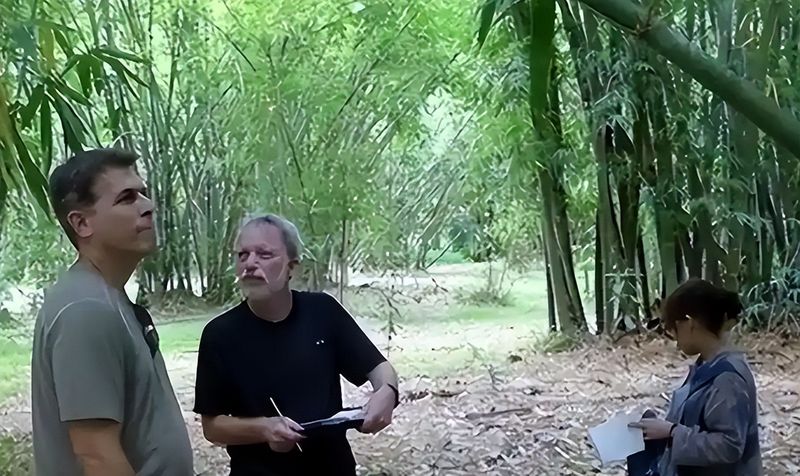
Of course, the united states did not kill bamboo with a stick. The bushes were not covered by the ban, as they remained honest。
The scaffolds that have been planted are in most cases permitted to be retained, except for new seeds and sales. This “old age approach, new human approach” is a step below existing growers。
Concluding remarks
A bamboo is a treasure in china and a curse in the united states. After all, it was not the bamboo itself that went wrong, but it was put in the wrong place. In a new environment, alien species could become “ecological bombs” without their natural enemies。
The ban on bamboo in the united states teaches the world that seeding is risky and requires caution. It's bamboo today. It's probably some other flower tree tomorrow. The ecological thing, who cares who loses。