Sanctuary is an important cash crop, which is widely used in spa farming. Its cultivation techniques cover a variety of aspects, including species selection, soil management, planting methods, management of water fertilizers, pest control and harvesting. The following is a summary and summary of san tree cultivation techniques。
I. Summary of san tree cultivation techniques
1. Choice of varieties
Selection of tree varieties that are adaptable, productive and resistant to pests and diseases, based on local climate, soil conditions and production needs. The most common types of excellence are “husan 39”, “71-1” and “liaosan 1”。
2. Land preparation
Sanctuary trees are less demanding for soil, but are good with loose, well drained sandy or bordered soil. Pre-plantation should be preceded by deep dredges and the application of base fat, usually 3,000-5,000 kg of curing organic fat per acre, with an appropriate amount of potassium phosphorus。
3. Cultivation patterns
There are two usual forms of planting, one by one and the other by the other. It is suitable for large-scale cultivation, usually at a distance of about 1. 5 metres, and for small-scale cultivation at a distance of between 0. 5 and 1 metres。
4. Fertilizer management
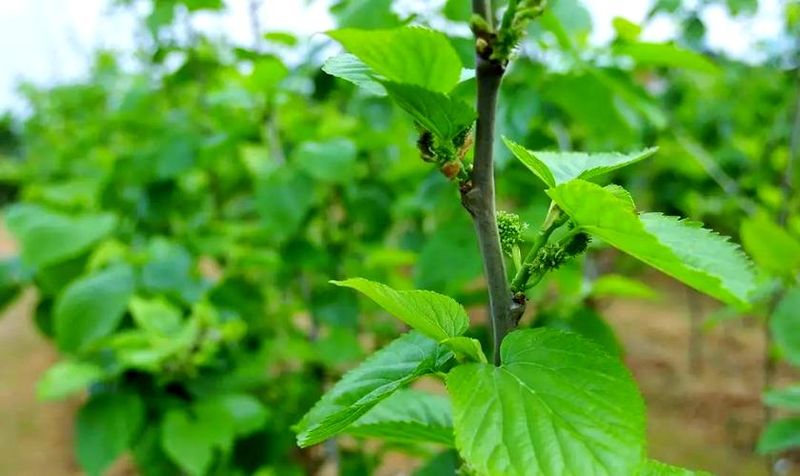
The soil needs to be humid during sauna growth, especially during nursery and fresh birth, to ensure a long-term water supply. Fertilisation should be based on the principle of “basic and complementary” and should be carried out rationally in conjunction with the growth phase。
5. Shearing and plasticization
Regular trimping can promote sanctuaries and improve germinate rates and leaf mass. A winter cut is usually done once a year to remove the old and ill branches and to retain the strong backbone and side branches。
6. Pest management
The main diseases are sauna, sauna plume, etc. The main pests are sauna, sauna, red spider, etc. Pesticide use should be minimized by combining agricultural, physical and chemical control。
Collection and utilization
Sanha is the main product and is generally collected during the spring, summer and autumn seasons. Care should be taken to preserve the leaves and avoid damage to the plant. Quality assurance through timely drying or processing。
Ii. List of technical elements of sank cultivation
Technical component
Key elements
Varieties selection
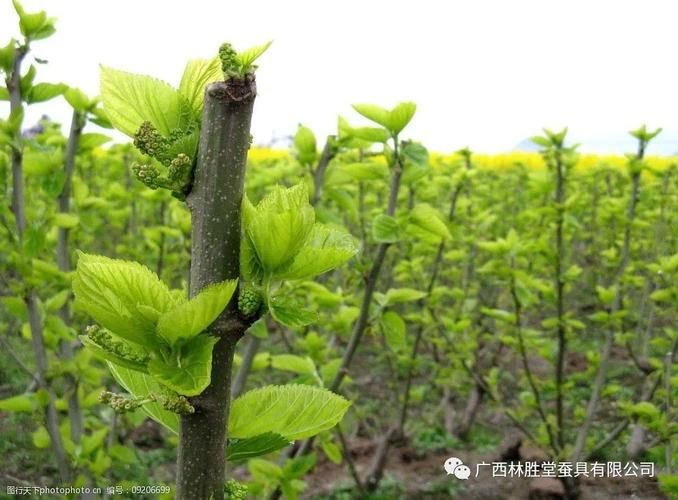
Selection of highly adaptable, highly productive and disease-resistant varieties according to local conditions
Land preparation
Deep-burned dredges with platinum-based fertilizer (organic + potassium phosphorus fertiliser)
Cultivation
Line or den, choice according to size and management
Fertilizer management
Maintain soil moist, fertilize on demand, with emphasis on potassium nitrogen phosphorus balance
Decoration
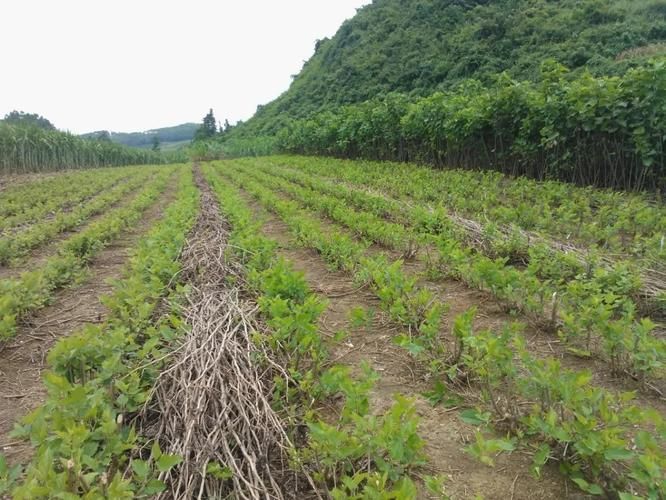
Winter trim, removing old and sick branches, promoting branching and germinate
Pest control
Introduction of integrated prevention measures to reduce the use of chemical agents
Collection and utilization
We'll harvest the leaves in season, keep the leaves and deal with them in a timely manner. Change
The production and quality of sanctuaries can be significantly improved through scientifically sound cultivation management, providing a stable source of raw materials for the spa industry. Attention should also be paid to sustainable ecological development, reducing environmental pollution and achieving economic and ecological gains。