I. Nutritional values
Carbohydrates and energy 1.
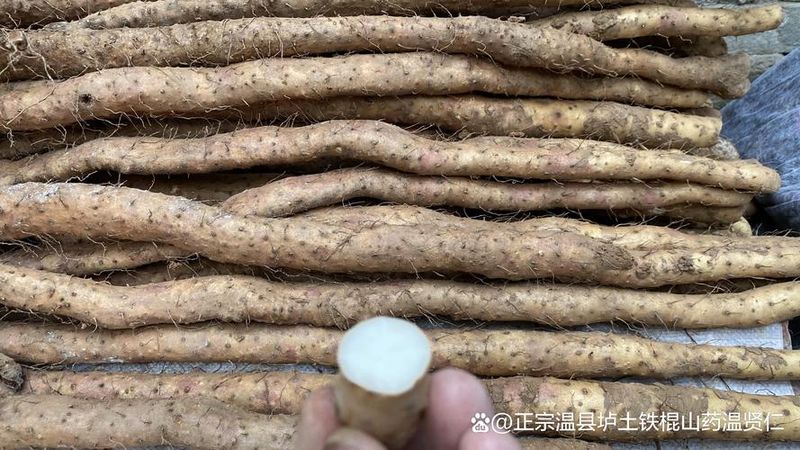
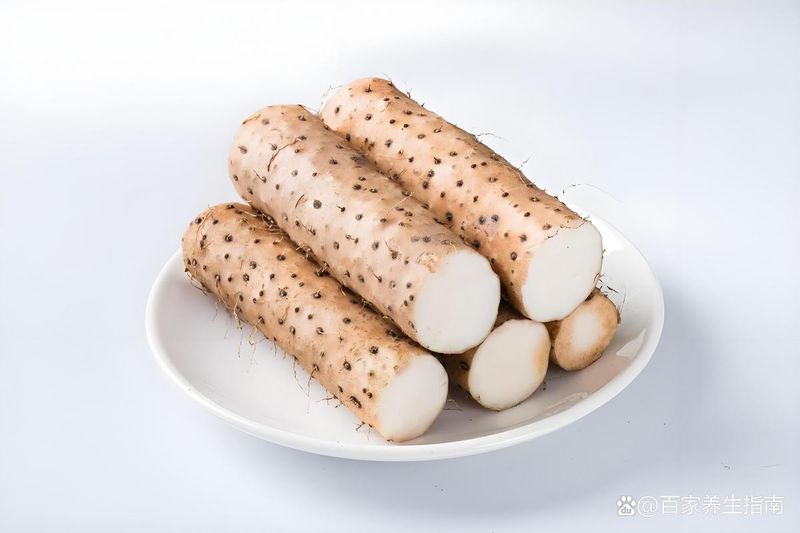
Mountain medicines contain about 15 per cent of the carbohydrates, mainly starch, providing stable energy, suitable for staple foods or extra meals, especially for less digestive populations。
Food fibre 2.
Each 100 grams of mountain medicine contains approximately 0. 8 grams of dietary fibre, which promotes intestinal creeping, improves constipation and increases abdominal saturation。
Vitamins and minerals 3. Active ingredient 4.
Ii. Efficacy and effectiveness
Taste and stomach.
The chinese doctor believes that the spleen, lungs, kidneys can be used to improve the appetite and diarrhoea caused by a weak temper. Modern studies have also confirmed that the adhesive mucular membranes can be repaired。
Auxiliary sugar.
The dietary fibres and mucous proteins in the mountain medicine slow sugar absorption and reduce post-eating blood sugar volatility, provided that they contain their own starch and that diabetes patients control intake。
Increased immunity 3.
Vitamin c and sugar-based substances can activate immunosuppressive cells and increase resistance to disease, especially for people with weak health or post-operative recovery。
Improving intestinal health 4.
Dietary fibres and resistant starch can contribute to the growth of prophylactic bacteria, regulate the intestinal stock balance and prevent intestinal diseases。
Antioxidation and anti-age 5.
Potato soap and polyphenols remove free radicals, slow cell ageing and protect cardiovascular health。
It's a cure for kidney 6.
Chinese medicine is often used to alleviate the weakness of kidneys by soft knee acids and frequent night urine, which are suitable for day-to-day management among middle-aged people。
Food advice and attention
Mountain medicine, as a natural supplement, requires a long-term adequate diet to function, and patients with special illnesses are advised to consult a doctor before eating。