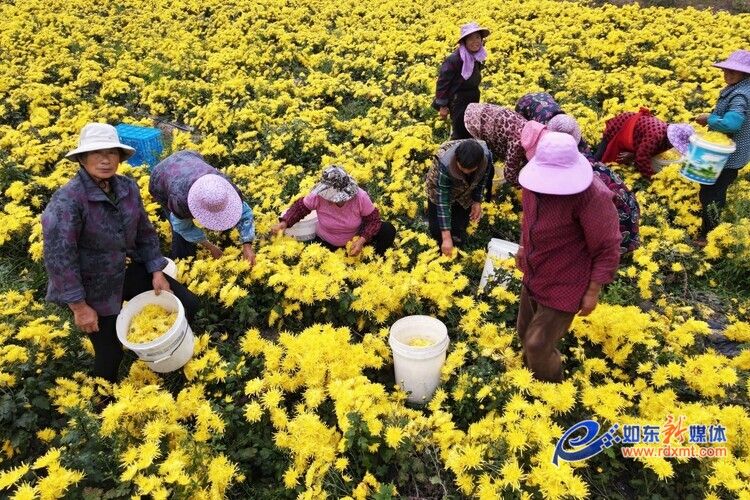
In the 1980s, wild winter worms and summer grass were produced only from the highlands, at very low prices, and the market gap had to be filled。
With the opportunity of the new landing society of the national fireworks program, the local project, which is being carried out through mature in vitro seedlings, has become the country's first place to conduct research on artificial insect grass, officially opening the way to southern bioplanting。
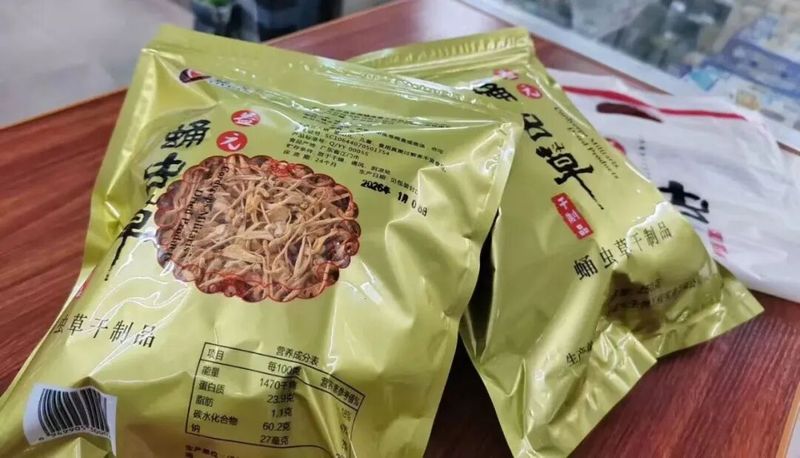
The 1990s were a critical ice break for new weeds. In 1994, local scientific teams travelled to inner mongolia to introduce high-quality herbicide species and joined forces with experts from the chinese academy of sciences to attack ken。
The wet-hot climate in the south is very different from the high cold in the high plateau, with no precedent for temperature control, culture base ratio, growth cycle regulation, repeated failures of initial trials, and ongoing challenges. However, scientists have established laboratories and breeding bases, repeatedly debugging parameters and eventually breaking technical barriers。
They innovated by using natural foods such as rice, milk, soybeans as a nutrient matrix, breeding new insecticidal weeds that are fine, full of spasms, with a warm-milk scent, stable levels of weeds, and far more nutritional than normal northern weeds。
The result was to break the inherent recognition of the "prefectures of the worm grass" and achieve the southern scale production of the famous replicas, which was awarded the national agricultural fair award and the emergence of the new insect grass。
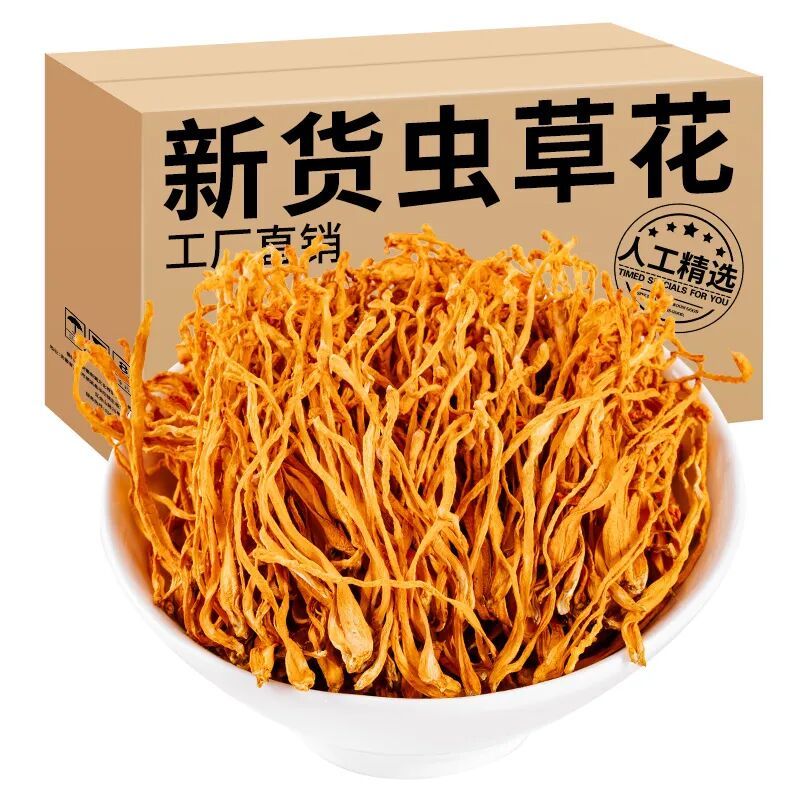
A thousand years later, the new cosmopolitan mosaics are beginning to flourish. It's mild, uncool, a variety of eating methods, such as soup, tea, meals, etc., and perfect alignment with the subsistence needs of the wet southern climate, along with stable quality and pro-people prices, fast-frozen triangles, hong kong and southeast asian communities
In the early 1990s, the emergence of human-planted grass plants produced by bio-planting technology, leading to the emergence of well-known brands of worm grass in and out of the province, such as “the “” and, by 2005, the new club area had grown to 18 enterprises, producing 30 tons of weeds per year, forming a full-fledged industrial chain from seed breeding, harvesting and processing to out-of-packing, generating employment for local farmers, and “breathing” was widespread。
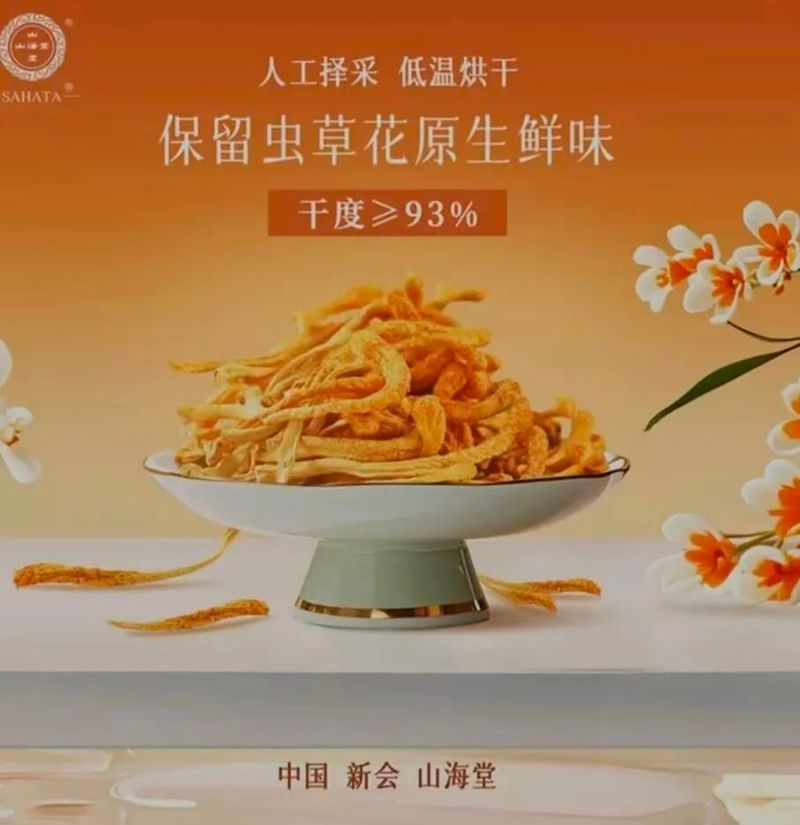
After the red burst, the industry greets the shuffle period. As the heat of the market rises, a large number of small-scale workshops and wind surges, poor-quality products and suboptimal phenomena spread, low-priced and disorderly competition disrupts market order, leading to mixed quality of weeds, misperceptions of artificial weed, frustration of new insects, and gradual cooling of the industry。
In the face of industry disruptions, home-grown established firms have moved away from aggressive expansion and towards precision development, strictly screening, sterile cultivation and natural drying of whole processes, establishing stringent quality control systems, defusing industrial impatience and returning to the nature of food supplements。
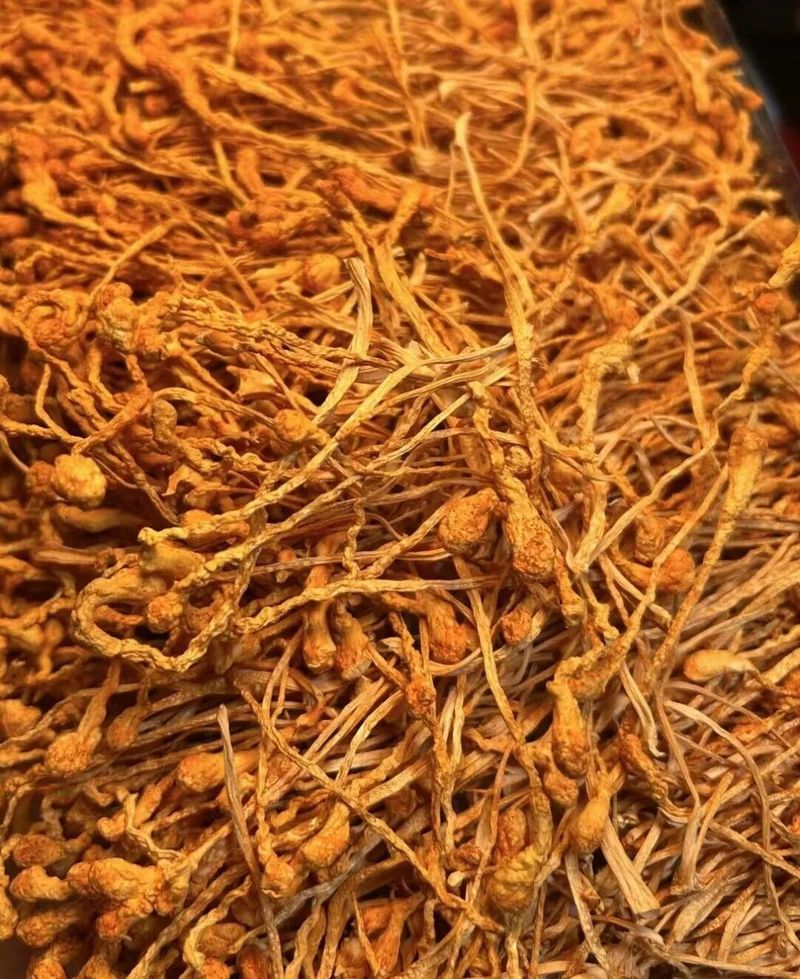
After decades of sinking, today's new vermin has long since left the scenes to fit into normal fireworks. It is no longer a rare and precious piece of cuisine, but a three- and four-season routine for the newcomers, with morning soup, fall winter, day-to-day maintenance, and its image everywhere in the kitchen stoves, mixed with home-grown foods, such as leather and five-finger peaches, feeding generations of aging people。
From the research of the national starfleet program, to the specialty industries of the poor diaspora, to the home-grown foods that take root, the new insect weeds have accomplished a transformation from “industrial miracles” to “living everyday,” carrying with it the newers’ bold innovation and commitment to the ground, in a warm gesture to protect the well-being and warmth of their people。