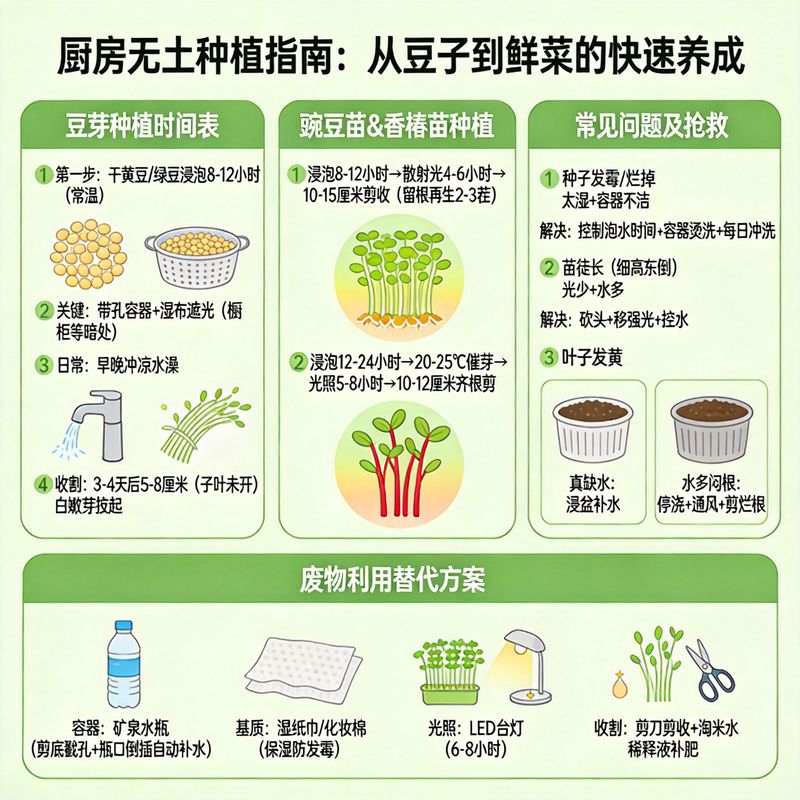
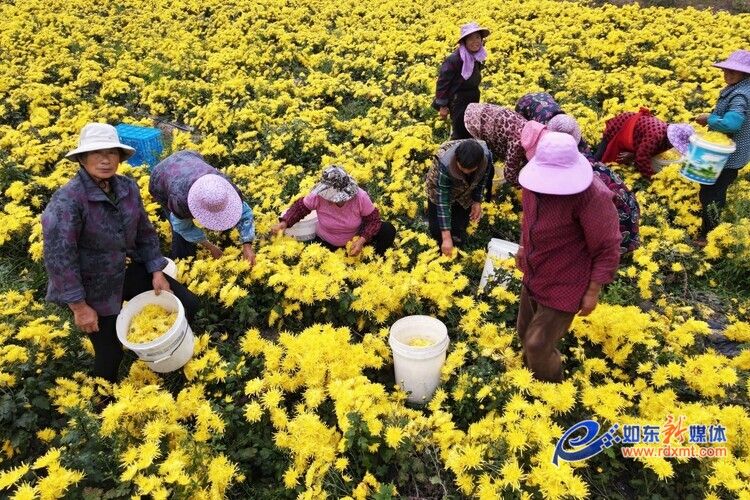
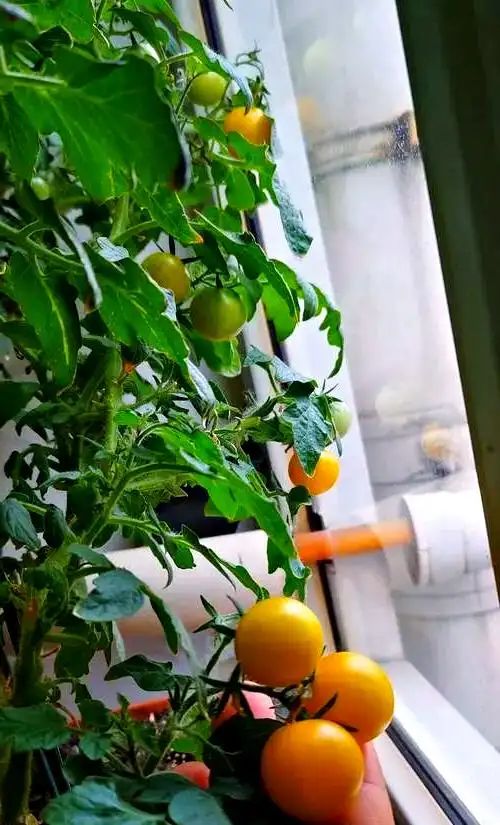
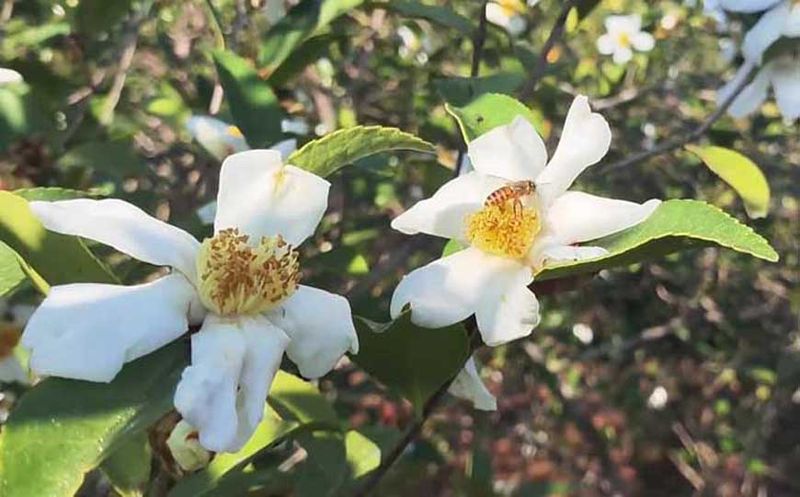
The oil and tea tree is a unique tree in our country, not known as the tea tree, the white flower tea, etc., and is bioclassified in mountain tea, the tea is usually green wood, produced mainly in the yangtze basin and beyond, and seeds can be used to extract oil or be used in medicine, the chemical industry, the beauty industry, etc
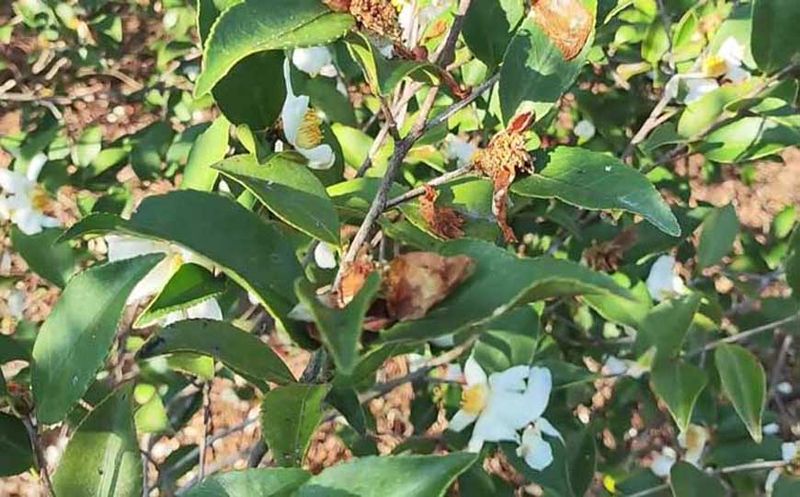
I. Growing habits
Temperatures: temperatures of oily tea trees are warm, intolerant of cold, fear of frost, with maximum temperatures of 15-25°c and freezing at temperatures below 5°c。
2. Humidity: the oil and tea trees are wet, drought-resistant and flood-prone and can grow normally in areas above 1,000 mm of annual rainfall。
Soils: the oily tea tree is fertile and the soil is less demanding, and it is appropriate for the land to be loose, well drained and corroded。
Lights: oily tea trees are suny, intolerant, strong when the light is full, with poor results in long-term shaded environments。
Ii. Breeding techniques
1. Plugs: oil and tea trees can be breeched, with four seasons per year, but usually in the summer and autumn, with the highest activity rates, especially in the rainy season, when they are hot and wet, favour the root and budding, and take root for one to two months。
2. Marriages: the oiled tea tree can be reborn in may-june, most of which takes place in may-june. The tea is based on mountain tea, the sprout is based on semi-moderated new stubs, the twig method is used, the plastic bag is wrapped after the marriage, the pocket removed after 40 days, and the sprouted stubble after 60 days。
3 on the other hand, the oil and tea tree, which is capable of breeding on a plume season, is selected for one year of staggering, 20 centimetres from the top, 1 centimetre wide, and is covered with plastic sheeting on the top and back of the foliage, with roots occurring about 60 days later and can be cut off for direct planting。
4. Seeding: oil and tea trees can sow breeding, mostly in the autumn, soaked for the best, covered by cylindrical stones, covering 6 mm, room temperature of 20-22°c, light for 10 hours each night, and begin to grow 15 days after broadcast, with seedlings of 8 cm high, with two to three leaves moving at times。
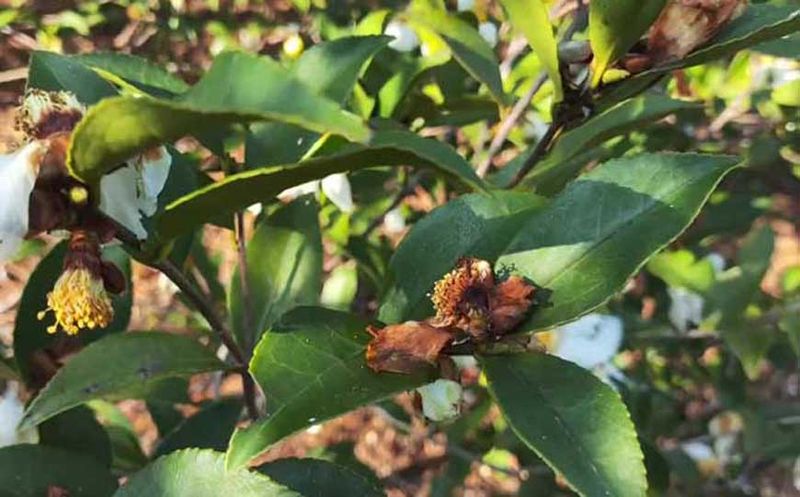
Iii. Field management
(1) deplantation: in february-march or october-november, oil and tea plantations usually take place, digging holes at a distance of 3 metres, 40 centimetres deep, applying base fertilizers, adding 15 to 20 centimetres of soil, taking two to three years of seedlings (sapling and cutting off parts of the leaves) and crushing the soil。
Water distribution: the hot and wet environment of the oily tea tree, intolerant of drought, fear of water accumulation, especially when small seedlings are severely sprung, should be sprayed daily, preferably from 8 a. M. To 10 p. M. Or from 16 p. M. To 18 p. M。
3 fertilizers: tea trees need to be fertilized for short periods, with proper pursuit of leaf paste, water soluble fertilizer, 2 kg per 5 grams of water sprayed, preferably from 16:00 p. M. To 1800 p. M., in order to be able to fully spray the leaves one time every 15 days。
Weeding: the management of sapling seasons in oil and tea is to be carried out in a timely manner, with the aim of preventing pine soil and weeding in order to prevent grassland, the first pine weeding at 10-13 cm heights, followed by 2-3 times per year in the winter and summer months, and the cultivation of roots in combination with pine weeding。
5. Whole branches: since the beginning of the second year of life, young oil and tea trees will have to be repaired once at the beginning of the winter and spring, and will have to be cut out of dead branches, weak branches and root branches, and mature trees will have to be renovated once a year, depending on their growth, to facilitate directed growth, ventilation and the promotion of flower branches。
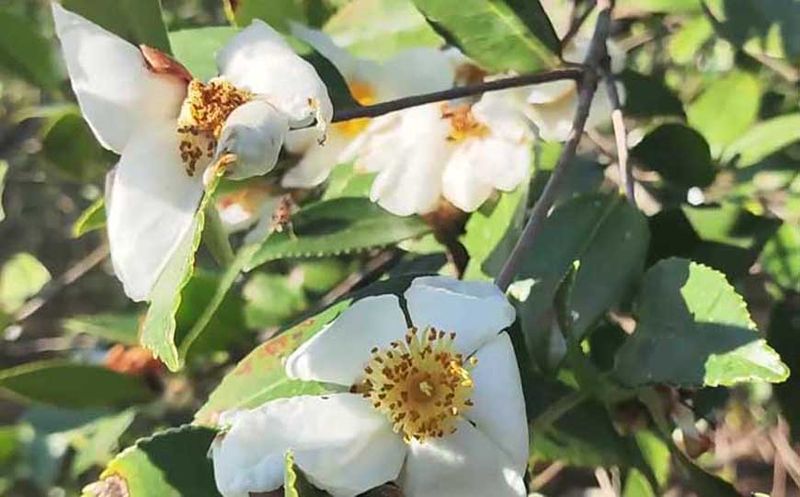
Disease prevention and treatment
1 anthrax: anthrax is a common disease in oily tea trees, with the initial strains showing brown spots, which are reinforced and turned into black and brown dots, by one spraying 75% of the bacterial diluent fluid; and two spraying of 800 times the polybacterium or a low concentration solution of the virus。
2 leaf spots: foliage is a common disease in oily tea trees, with brown spots of various sizes in the early stages of leaves, and leaves drying up to fall in the later stages, by cutting off rotten leaves in a timely manner, and spraying 100 times the humid powder every 7 days。
3. Coal and pyrotechnic disease: this is a common occurrence of oil and tea trees, most often on the face of leaves and branches, with only small scabs at birth, which are then expanded into a velvet, black coal layer, which can be treated with thiomers of pyrochlor, dyson zinc, reysin, bacillus, etc。
4 red spider: the red spider is a common pest in oiled tea trees, mainly leaves and twigs, which are affected by the spraying of 800 to 1,000 times the diarrhea, or 40 per cent of the dicofol cream, 1,000 to 1,500 times the fluid, or 20 per cent of the m2 die of a net wettable powder。
5 shell bugs: shellworms are common pests in oily tea trees, mainly pests, branches and flowers, and die in their entirety in severe cases, by a small number of artificial scrapings and foliage burnings; 2 are sprayed with 1,000 times the cream of oxidated fruit。