Which season is the best fruit tree? How do you manage the timing of fertilization
Which season is the best season for planting fruit trees and when to use fertilizers? Okay
Cultivation and conservation of fruit trees are essential for achieving good harvests. Based on climatic conditions and fruit tree growth characteristics, early autumn and winter were considered the best time to plant fruit trees. During this season, the roots of fruit trees reach their second peak, and the planted fruit trees are better able to recover the damage from the transplantation, thereby laying a solid foundation for future growth。
I. When is the best season for planting fruit trees
Usually, autumn is the third peak of fruit tree roots. In most parts of the country, the practice of planting fruit trees is common in the spring, yet planting early in autumn and winter has many unique advantages. Apart from some of the fruit trees that are vulnerable to freezing, the early autumn and winter are actually the best planting times for fruit trees. At this time, moderate temperatures and relatively high soil moisture create favourable conditions for the growth of the roots of fruit trees。
Ii. Advantages of the autumn tree
1. The root system has recovered well
At the beginning of the fall and winter, temperatures were suitable for fruit trees, which were the second peak in the growth of their roots. The fruit trees planted at this time can be recovered in a short period of time, normally absorbing and accumulating nutrients, because the roots are more susceptible to healing from injuries sustained during transplantation. This provides a good basis for the growth of fruit trees in the spring of the coming year。
2. Best time for nutritional accumulation
At the end of the winter, temperatures declined, leaves of fruit trees gradually fell, fluid flows slowed and growth almost stopped. This reduces the need for fruit trees to consume large amounts of nutrients and limits the ability of roots to absorb nutrients at this stage, mainly to heal the wounds in the root. At the same time, trees store nutrients for rapid spring growth. In this way, before the spring blooms, the roots are able to heal and support the next stage of growth。
Iii. Autumn planting techniques
1. Choice of quality seedlings
The choice of healthy trees is the key to planting fruit trees in the autumn. High-quality seedlings with no pests or pests and no early leaves should be chosen, with an ideal height of 1 to 1. 5 metres, with a base diameter of about 1 cm and an integrated root system. It is not possible to choose sick, thin or old。
2. Proper treatment of seedlings
The soil should be watered during the week prior to seeding to ensure that the root system is not injured and that the root system is as complete as possible. In the course of transport, weed wraps or plastic bags are stored and covered with sheeting to protect the trees。
Rational excavation cultivation the pit
The topsoil and the heart soil shall be separated from each other when a 50-80 cm planting pit is dug. After application of about 10 kg of fertilized soil in each pit, half of the soil is refilled with topsoil, leaving the edges for subsequent use。
4. Cultivation in due course
The optimal planting time is usually between late october and early november, before all leaves fall to the freezing of the land. This period is suitable for the restoration of the roots of fruit trees。
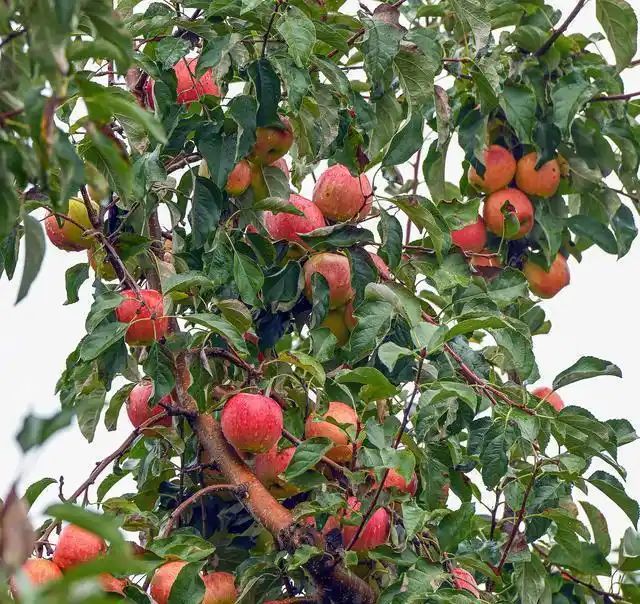
5. Cultivation methods
The use of “slurry” increases survival. This is done by filling half of the topsoil in the pit, pouring enough water, then mixing it into mud and shattering the seedlings behind them in order to prolong the root system. The remaining topsoil should then be refilled at depths greater than three to five centimetres from the original tree。
Strengthening post-plant management
After cultivation, the membrane can be covered to maintain moisture, to prevent cold and to increase the temperature of the ground, and to promote the healing of the roots. If conditions do not exist to cover the membrane, the soil must be bred in the wood base at an altitude of about 30 to 40 cm to maintain soil moisture and cold. Trees should be fixed before winter, incomplete parts should be trimmed and lead oil should be used to prevent water evaporation. The following spring, the membrane was removed and a sprout poured in to promote the growth of the trees。
“thirty look” for “thirty” “thirty set” for fruit tree fertilisation in autumn
1. Importance of fertilization
The autumn was the third peak of growth in the root system of fruit trees, which was flourishing and had strong absorptive capacity. The roots of the injuries are rapidly healing and can significantly increase the resistance of trees to disease and to freezing. Consequently, farmers need to focus on fertilization in the autumn, preferably before leaves fall。
2. Three principles
- looking at the direction of the tree: the appropriate increase in the amount of fertilizer for the weak fruit tree; the application of the corresponding micronutrient fertilizer for the missing fruit tree。
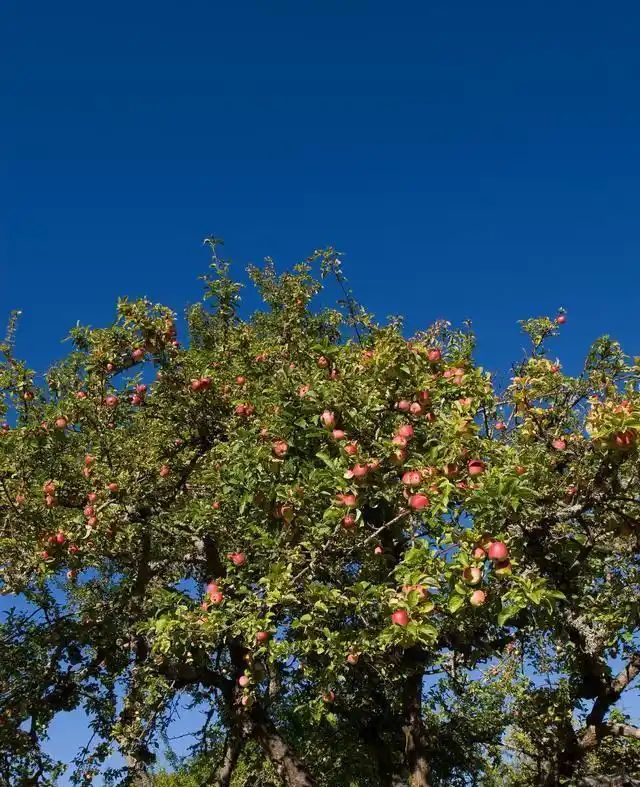
- second reading of soil nutrients: the level of nutrients is known through soil tests and the type and quantity of supplements are determined。
- three years of target production: when the target production is high, fertilization should be increased accordingly, usually on the basis of an average production increase of 10 to 15 per cent over the previous three to four years。
3. Three selection principles
- a selection of fertilizer types: the selection of suitable composite fertilizers, based on the level of effective nutrients in the soil, needs to be reasonable。
- second-selection fertilisation: appropriate fertilization is calculated based on soil tests and fruit tree demand。
- three methods of fertilisation: appropriate methods of fertilisation, such as strip or loop fertilisation, are particularly effective in the autumn。
4. Three combination principles
One is to combine the application of organic fertilizers with fertilizer: for example, the use of human, animal and animal dung, straw, etc。
The second is the integration of large amounts of elemental fertilizers with micronutrient fertilizers: promoting full nutrient absorption。
The third is a combination of fertilization and watering: to ensure that nutrients are fully permeable to the soil and effectively absorbed by root systems。
Through the above measures, the growth environment of fruit trees can be significantly improved to provide good crop security for fruit farmers。