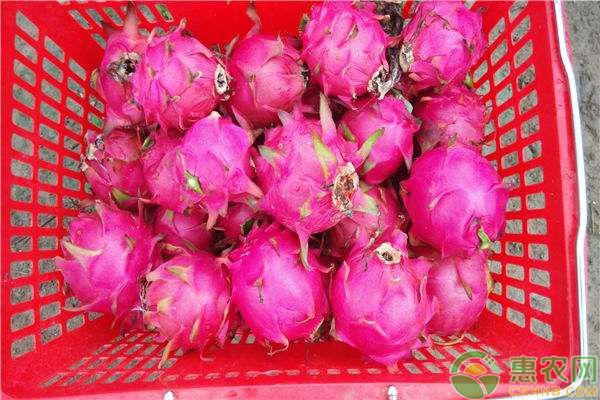
Frozen fruit is a fruit in tropical and subtropical areas that is drought-resistant, high-temperature-resistant and loves sunlight. The most appropriate growth temperature range is 25 ~35 °c, and open-air cultivation can also take place at temperatures of slightly less than 5 °c. The following is a study of the technique and techniques of flamingo cultivation。
1. Soil selection
The requirements for soils are not stringent and can be cultivated, whether on flat land, slopes, water fields, drylands or sandstone. The most appropriate soil ph range is 6-7. 5. In choosing the land to be planted, it would be preferable to choose the land that is organically rich and well drained。
2. Cultivation patterns and timing
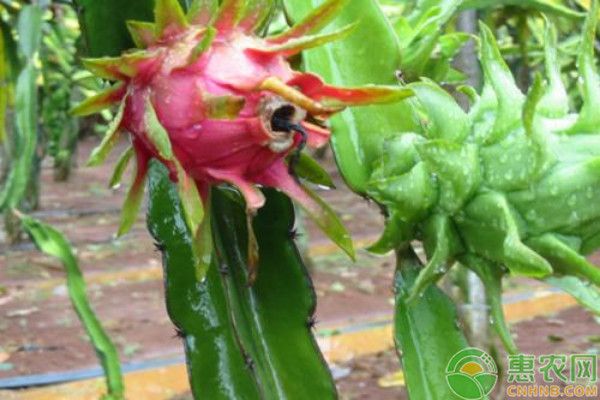
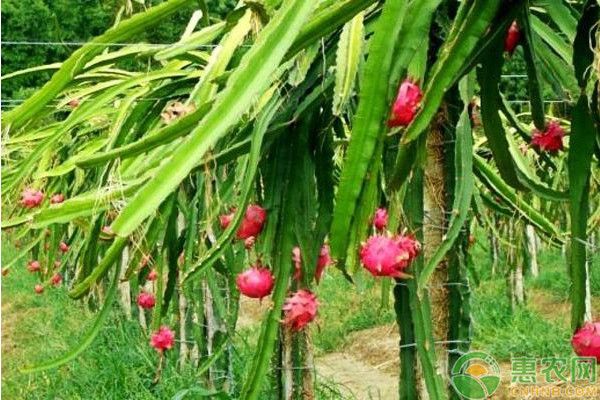
Frozen fruit is not resistant to the frost and therefore needs to be grown in small sheds in areas where winter temperatures are below 0°c. Frozen fruit is grown in many ways, either by climbing walls or by building sheds, but pole cultivation is the most common form of cultivation, with the advantage of low production costs and high land use rates. Plumbing is a concrete or wooden pole, with three to four flaming dragon seedlings planted around the pole, so that the flamingo plant will grow up along the plume. The column has a range of 1. 5 m x 2 m, with 750 plants per 667 m2. Frozen fruit can be grown four seasons a year, but be careful not to grow too deep, about 3 cm deep. The soil should be wet at an early stage。
Three, hard work
Due to the long period of harvest of the pyroclastic fruit, organic fertilisation is repeated each year, with a balanced long-term application of nitrogen, phosphorus and potassium compound fertilisation. Potassium and magnesium fertilizer are to be added during flowering results to promote the accumulation and quality of fruit sugar. Soil moistation should be maintained during the outcome period, covered with grass or shrooms. Water should be pumped every three to four days in times of drought。
4. Cardiac
When the branch grows to 1. 3-1. 4m long, it needs to be heart-cooked in order to promote branching and to allow the branch to fall naturally。
5. Intercropping and artificial pollination
During the planting of flamingos, about 10 per cent of the white meat type is grown. Mutual pollination among different varieties can significantly increase the yield rate. In the event of a rainy weather, artificial pollination is required. The pollination can take place in the evening or before the morning flower is closed and pollen is painted directly on the female column with a pencil。
Six, cut the branches
Every year the fruit is harvested, the branches of which have been fertilized need to be cut and re-emerged to ensure production in the coming year。
7. Pest management
Frozen fruit is vulnerable to snails and ants during its infancy and can be combated with insecticides. During the high-temperature and wet season, the flamingo is susceptible to disease, the twigs are partially dead and moldy, and can be combated with drugs such as rusty, strong copper oxide and so on。
In sum, the main point of the flamingo cultivation is that the flamingo cultivation still requires attention to the geographical environment, after all, the flamingo is a tropical fruit type, and it is difficult to produce quality production in areas where temperature conditions are not met。
You may be interested in and welcome the content of the recommendations below。