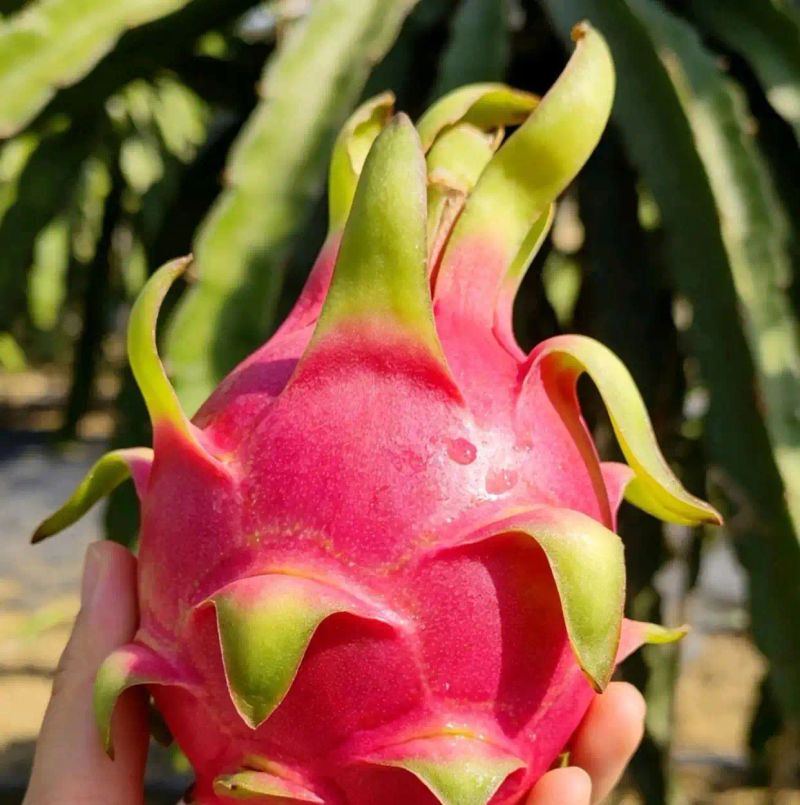
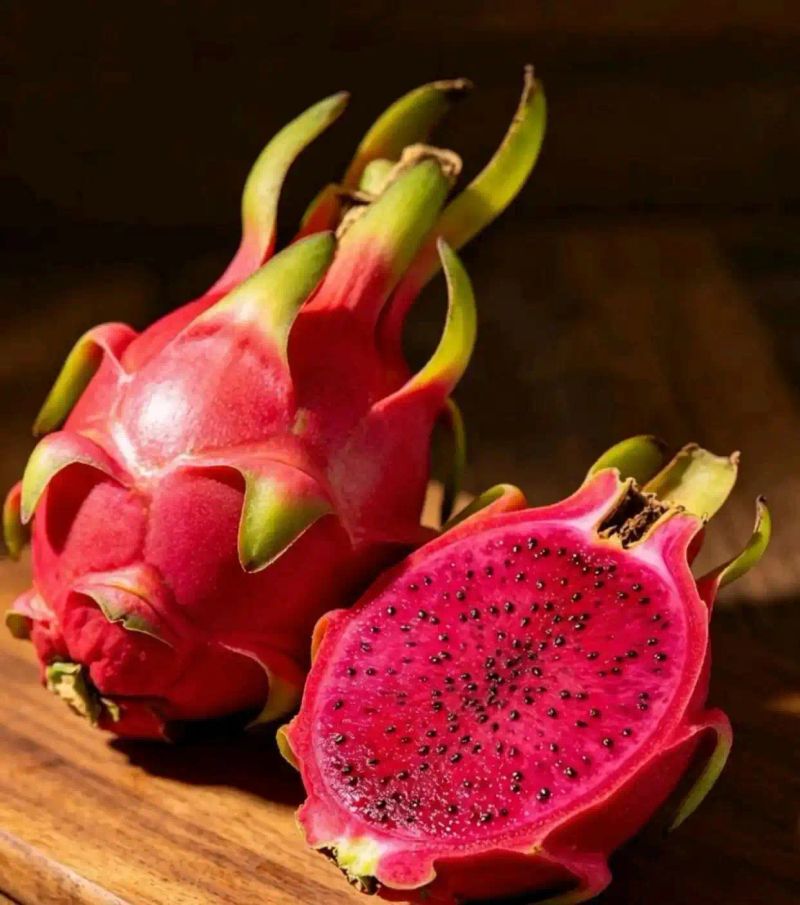
Flamingo is a hot fruit that families like to eat, sweet and juicy fruit with its own fragrance, which is of extraordinary nutritional value, whether it be white or red hearts. It is rich in dietary fibres, vasectomy, multivitamins, and is resistant to oxidation that slows the aging of the skin, intestines are digestive and is of high daily value。
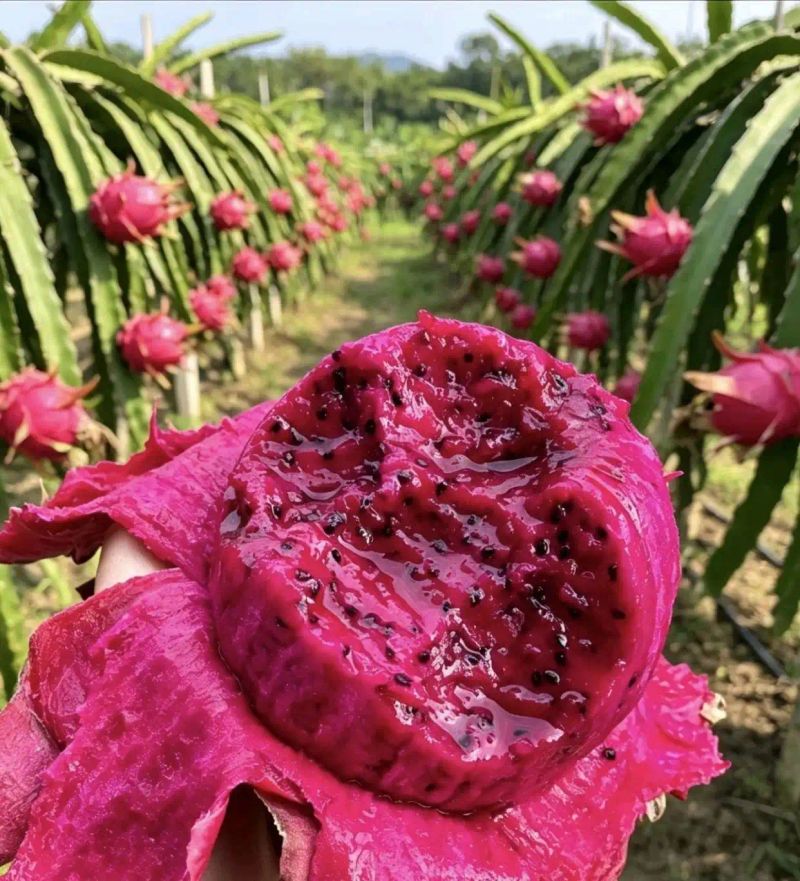
Many fruit farmers and horticultural enthusiasts want to grow flamingo at home, in small gardens or in orchards, but most of them are stuck at the beginning: they do not know what type of planting is to be chosen, water is to be used for fertilizing the pits, late field management is not in place and, lastly, long branches do not work. Today, in combination with the experience of field farming, freshmen can easily grow twigs from planting patterns, management of fatty water, and whole-field management。
I. Three mainstream modes of cultivation with the highest price for pole cultivation
There are three types of seedlings on the market: wall climbing, plaque cultivation, pole cultivation, different scenarios, and orchard-scale planting, the first of its kind。
Climbing walls
The use of the walls of the yard and the wall to allow branches to climb and grow without additional scaffolding has the advantage of having a very low land use rate, a poorly ploughed and lighted, which is thin, suitable for small, scattered areas of the courtyard and for bulk income generation。
Built and planted
The roofs were built, the pyramid vines were covered with roofs, the ventilated vines were well ventilated, and the single-mounted fruit was large, but the steel racks were constructed at high prices, with high input costs and suitable for the large shed orchard。
Pillar cultivation (most recommended)
This is the mainstream programme of open orchards, with full land use and stable acre production with the highest later earnings。
The method of physical exercise: a concrete pillar of 1. 8 to 2 metres is selected, 50 centimetres is buried in the ground, 1. 5 metres is retained on the ground, and three to four flame nuts are planted around a pole, allowing the rods to climb upwards and grow。
The range of field rags is controlled at 2 m x 2. 5 m, a acre can be planted at more than 400 plants, with low pre-construction costs, a natural fall in the branches at a later stage, a high degree of flowering and a high rate of sit-in fruit, and significant economic returns from scale cultivation。
Ii. Precision management of fatty: shallow root fear of water accumulation, thinness and diligence at the core
Frozen fruit is a shallow root crop, 80 per cent of the active root system is concentrated on the surface of the earth at a level of 2-5 centimetres of earth, which is extremely drought-resistant, is the most vulnerable to water strewn roots and the two key points of water and fertilization, and the whole plant is susceptible to decay and death。
1. Points for watering
(a) there is a strict ban on pouring and spraying of water in its entirety, so that only the root soil can be soaked and decomposition of the tubers can be avoided
2 following the dry-wet principle, the surface soil is dry and refilled, the drains are filled in in a timely manner during the rainy season and the field must never accumulate water
3. Appropriate soil moisture is maintained during flowering and fruit expansion periods, with a significant reduction in water irrigation during winter low-temperature hibernation periods, and water protection against freezing and rooting。
2. Phased fertilization programme
The whole process is based on organic fattening by decomposed farmers, with various long-term combinations of compound fat and potassium phosphate fat, refusing to burn the roots with strong fat and insisting on the following:
(a) infantation period: every pillar is pre-planted with decomposed goat dung and composted to manure, supplemented with balanced compound fat every two months, fast-growing seedlings and strong branches
• cultivation period: reduction of nitrogen fertilizer, increased application of phosphorus fertilisation, promotion of flowering, and avoidance of growing branches
Outcome period: emphasis is placed on additional potassium fertilizer, with a small calcium fertilizer, increasing the sweetness of the fruit, the resilience of the sheet of fruit, reducing the fissure, and the application of diluted potassium phosphate every half month
After the fruit is harvested: a fresh application of decomposition organic fertilizer, rapid restoration of fruit tree growth, stocking of nutrients, and laying the bottom for next season's flowering results。
Iii. Complete transport management elements to complete the years
Many people grow flamingo, which is a long, insane branch, and is not productive for many years. The problem is largely in the field management, consisting of the four cores of tectonic repair, light temperature control, pollination and pest control。
1 twisting (most critical)
(a) the nursery stage: only one robust backbone is retained to climb upwards, the rest of the sprouts are cut out and the concentration of nutrients allows the main stem to climb quickly to the top of the pole
(a) pumping branches: when the backbone grows to the top of a pillar of 1. 5 metres, it takes a heart-picking top, prompting the division of branches, which are the main branches of the fiery fruit
Adult tree trimmed: every year, the thin, sick, in-house branches are removed, the strong branches are preserved, the high-quality trunk branches are set at 80-120, the branches are too ventilated to light, and the fruit is so easily lost。
2. Light and temperature control
Flamingo is a strong radiant crop, with the best day-to-day exposure, and it is difficult to flower with light for less than six hours a day; winter temperatures below 0°c in low-temperature areas in the north must be built into hothouses, with plants that are extremely susceptible to freezing and death, and open areas in the south can be maintained for four seasons。
3. Artificial pollination, with a significant increase in seating rate
Most of the kernel fruit pollinators sit on the fruit differentials and, after the flower blooms in the evening, collect the male pollen with a pencil and rub it on the female column. Once artificial pollination is completed, the seating rate doubles, with fewer deformations and larger single fruit weights; the balconies plant is proposed to plant two different varieties at the same time and pollinate each other more steadily。
4. Simple pest control
Pyramid diseases are mostly caused by damp water, stasis and moldy diseases are most common, and daily drainage and venom can be significantly prevented; pests are dominated by snails and red spiders, orchards are removed in small quantities by hand, scalding is selected for application with a special application for low-venom fruit vegetables and green safety does not affect fruit consumption。
Final summary
Whether it is a balconies plant, or an open garden, with most of the scenes suitable for the poles, the newcomers will be able to keep the pyroclastic fruit up to the year with the control of the three core points of "reduced water, fertilized seasons and regularly repaired branches". The low threshold for flamingo cultivation, stable market outlets and reasonable control of costs, whether freeing the fruit from home-grown consumption or increased production of orchards, are high-priced planting options。
The way the flamingos grow