As a tropical subtropical fruit, market demand has risen in recent years, but open-air cultivation is heavily constrained by climate (e. G. Low winter temperatures in the north and water accumulation during the rainy season in the south). The construction of greenhouse cultivation not only regulates temperature and humidity but also prolongs life and increases production. Let's get you to the core of the flamingo house today
I. Location: these three points determine the success of the greenhouse
Despite their infertile nature, the flamingo is environmentally demanding. When selecting a site, be careful:
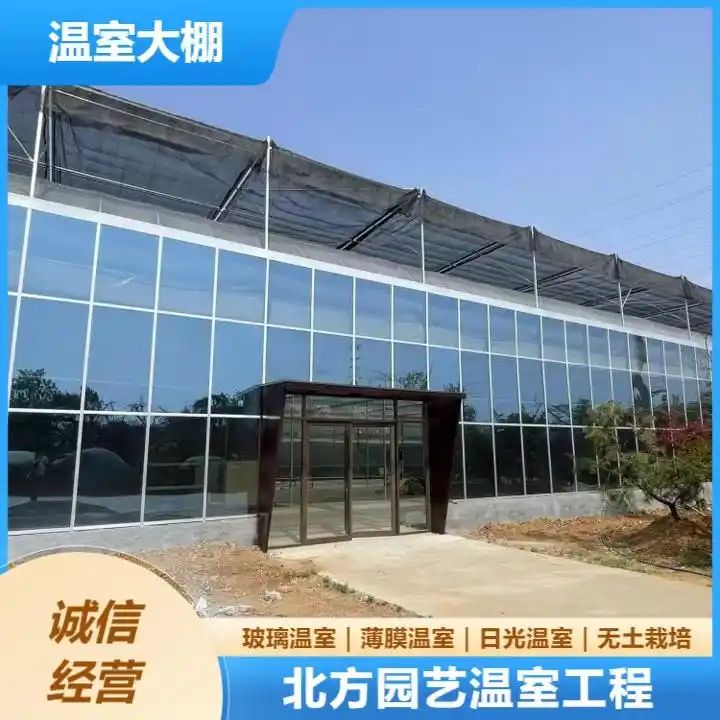
1. Prioritization of the light: at least six hours a day of direct light, avoiding the building's cover, with the northern region opting for the best southward plot。
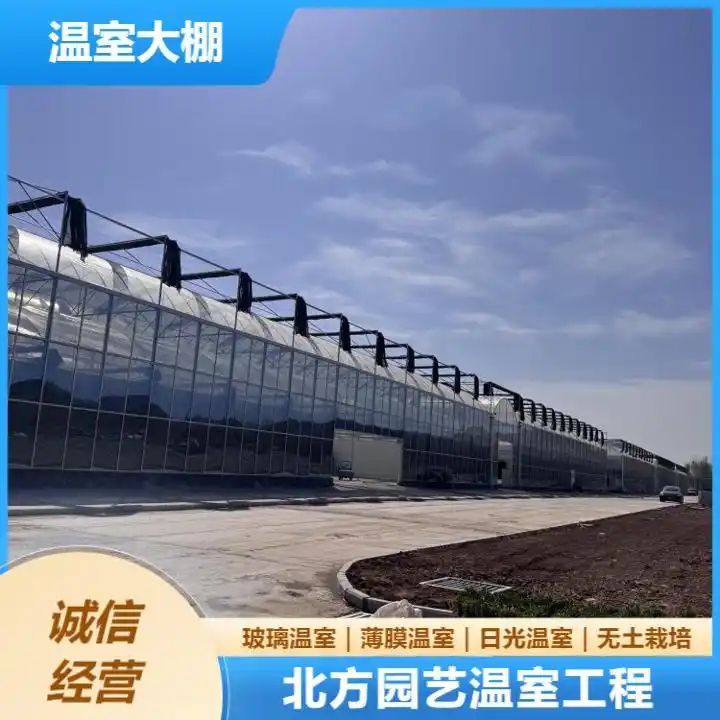
2. Soil appliance: estranged and fertile sandy soil or corrosive soil, ph 5. 5-7. 0, with heavy clay to be modified in advance。
3. Drainage is smooth: the terrain is high and the slopes are 3°, avoiding the accumulation of water during the rainy season (the root of the flamingo is afraid of flooding and the water is ready to rot for 24 hours)。
Ii. Types of greenhouses: 3 main programme comparisons
Three common greenhouse types are recommended, depending on the size of cultivation and budget:
1. Plastic membranes: low cost (about $50 per square metre) suitable for households or small farmers, with a need for warmer + straw curtains in winter。
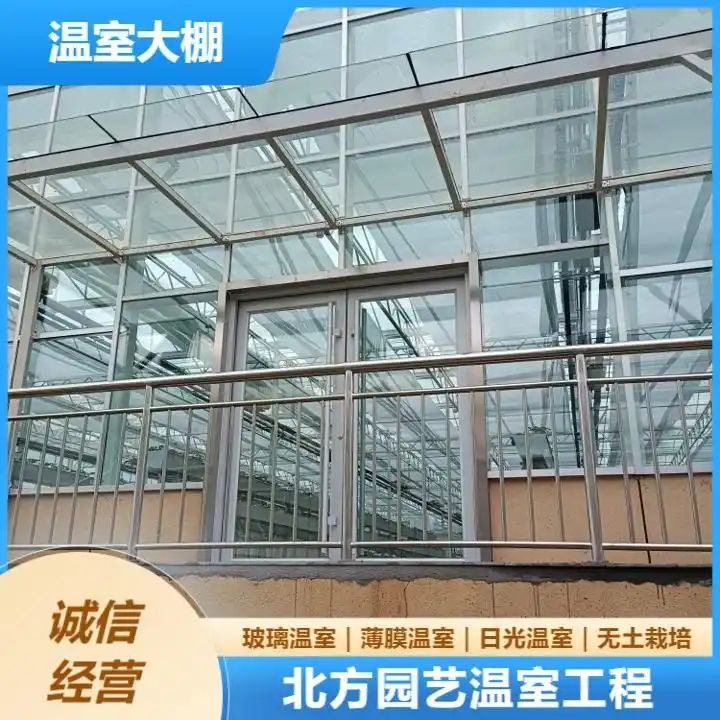
2. Glass greenhouses: over 90 per cent per day, suitable for scalable cultivation, with heating equipment (e. G., fuel heaters) in the north, with winter temperatures above 12°c。
3. Daylight greenhouses (earth walls): using solar energy for heat storage, suitable for areas with high temperatures, at night temperatures of 3-5°c higher than plastic sheds。
Key construction: skeleton + cover + system 3 moves
1. Bone frame construction: the zinc-plating steel pipe is most commonly used with a diameter of 25 mm at a distance of 1. 5 m and a height of 3-4 m (the pyrotechnic vine can climb to the top)。
2. Covering materials: plastic sheds select po film (anti-aging, perceiving) and glass greenhouses use two layers of glass with glass in the middle steel (preventing exposure)。
3. The supporting systems shall be:
• ventilating vents: windwindows on both sides of the top + side, three to four airs per hour in the summer to avoid high temperature burning。
• drill irrigation systems: using drip arrows or microsprays to maintain 60-70 per cent soil moisture and reduce the risk of rotting roots。
• temperature control equipment: hot stoves (one per 500m2) for winter in the north, cooling in summer with sunnet + spray。
Pre-plant preparation: soil + support + planting techniques
1. Soil improvement: 5 kg per square metre of decomposed sheep dung + 0. 5 kg per phosphate and 30 cm evenly ploughed。
2. Construction of a frame: a "human" font concrete column, 2. 5 m height and 2 m spacing, and a fixed raisin。
3. Plantation density: a range of 1. 2 m x 1. 5 m, with a capacity of 200-300 plants per shed and three days to water the roots。
(pretty: keep the soil moist within one month of planting, avoid tan and gradually reduce the water after slowing down)
The greenhouses grow dragon nuts that break territorial limits, and the north grows southern quality fruit! It should be noted, however, that soil fertility is tested prior to the construction of new greenhouses, that ventilation systems are regularly overhauled and that spare power is not left in winter heating. I hope this guide will help you build a high-yield pyramid greenhouse