Site requirements
The site environment shall be in accordance with the environmental conditions of the rice-free food and rice-free land and shall be determined by the provincial agricultural land. In addition, as far as possible, areas with separate, small ecological basins with better isolation should be selected and rice fields should be relatively flat, easily drained, not vulnerable to floods and droughts, with relatively concentrated tracts. The rice field should be adjacent to a well-equipped water-replacement pond. It would be preferable to have a pond with a surface of 5-10 acres and a water depth of 1. 5-2. 0 metres, with approximately 2 acres of open space at the edge of the pond。
Ii. Paddy species selection
The selected varieties must be validated and demonstrated locally, with rice of more than 3 levels above the national standard, and as much as possible select the type of order or quality rice that the processing plant prefers to purchase. The choice of combination resistance is particularly strong with respect to endemic major pests and diseases, with long reproductive periods of early and late rice or one-season rice varieties。
Iii. Cultivation
(i) cultivation
Early rice and one-season rice should have a plastic plough and late rice should have a wet plough。
(ii) seed treatment
Sunshine, immersion, seedling and sowing. One or two days of sunbath before immersion should avoid direct tanning of seeds on the concrete floor. After sunbathing, seeding is selected with fresh water, with 10 hours of immersion and 2 hours of inhalation, and with 10 hours of fresh water continues to be immersed, with an additional 2 hours of inhalation; then the agent is immersed with more than 12 hours (1:1) to prevent the transmission of diseases such as the disease of the seedling. Specific reference to pharmaceutical usage instructions. Absorption is maintained at about 35°c in a well-ventilated device, which promotes breast palsy. When seeding occurs, 48 hours at 30-35°c, 70-75% humidity, or 48 hours wetting with membrane cover (required to be fully watered) are placed in the bed when the bud is fully grown。
(iii) sowing period
Early rice can normally sow at 12°c when the average daily temperature is stabilized, and cover protection can take place, generally between mid-march and early april; a season should be scheduled for planting on the basis of the birth of the species to avoid the high-temperature season from mid-july to mid-august; and two seasons should be scheduled for planting on the basis of the time of early harvest and in conjunction with the birth of the species and the appropriate age period, in order to ensure that the planting period is organized in a safe manner before the fall cold。
(iv) sowing
Sufficient seed stock according to different varieties, manner of planting, etc. Artisanal transfer of conventional rice acre fields yields 2. 5 - 3. 0 kg and hybrid rice 1. 0 - 1. 5 kg. Routine rice acre fields are grown in quantities of 3. 0 - 3. 5 kg and hybrid rice 1. 5 - 2. 0 kg. Regular rice acre fields are broadcast at 4. 0-5. 0 kg and hybrid rice 1. 5-2. 0 kg. Routine rice acre fields are grown at 2. 5 - 3. 5 kg and mixed rice at 1. 5 - 2. 0 kg。
(v) sakada preparation and management
1. Sakada
The choice of easily drained and fertile soil parcels is made for the field. Dryland soil breeding should be done with bed soil disinfection, which should take place seven days before seeding, using 65% of the digsone and water formulations to produce 1 1000-1500 pharmacological fluids, spray the bed soil with appropriate wetting. For current line sowing operations, it is appropriate to spray diagonal pine solution diluted to 2000 times less than 0. 3 g per plate. Machine-plugging pallets are suitable for 58 cm long, approximately 23. 5 cm wide, and machine-plugging machines are equipped with hard (soft) disks with 35-38 pieces per acre of daejeon. The application of organic fertilizers per acre is based on a combination of 200 - 300 kg of farm fat or 25 - 30 kg of potassium nitrogen; the field and honda are generally held at 1:8 - 10。
2. Fertilizers and pest control in xinda
Wet seeding is followed by wet surfaces and shallow water behind the two leaves. The implants are dry-created, the bed is wet and the leaves are not covered. The urea per acre is approximately 5 kg of urea for the four to 5 days before the transfer. The focus of the seed season is on the prevention of rice tremors, rice lice, etc., which are combined with “conjugal fat” and “conjugal medicine”。
Iv. Mobilization
(i) transfer (sliding) planting age
When the average temperature of the morning rice is stabilized at 15°c, it can be moved (painted) when it reaches the age of 3. 5-4. 0, when it reaches the age of 3. 5-4. 0 in a season, and when it reaches the age of 3. 5-4. 0 in a season, it is moved (pasted) as soon as possible after the preharvesting has been completed。
(ii) transfer (past) planting density
Rice is grown using a “blank and narrow range” with a range of 25-30 cm and a range of 15-18 cm. In general, early rice is plugged into 22-25,000 dens per acre, 2-3 seedlings per lacuna, 4-5 grains per lacuna, 12-16,000 lacuna per lacuna per monsoon, 1 grain seed per lacuna per lacuna, 2-3 grain seedlings per lacuna, 20-22,000 lacuna per lacuna, 2-3 seedlings per lacuna and 3-4 seedlings per lacuna per lacuna。
V. Ota fertilization
(i) fertilizer principles
The principle of organic fertilizer as a complement to major fertilizers is upheld, with organic nitrogen accounting for more than 50 per cent of total nitrogen application。
(ii) fertilization
Duck co-production can be reduced by between 5 and 10 per cent compared to the application of rice fields that are not shared by ducks. In the field, 8-10 kg of nitrogen (n) per acre per quarter, 3-5 kg of phosphorus (p2o5), 6-9 kg of potassium (k2o), 9-11 kg of nitrogen (n) for a season, 4-6 kg of phosphorus (p2o5) and 8-10 kg of potassium (k2o)。
(iii) fertilisation methods
Fertilizers are applied mainly on the basis of base fat, supported by fatting, combined with extra fattening. Organic and phosphorous fertilizers are all applied as base fertilizers, nitrogen and potassium fertilizer are reserved for 30-35 per cent of total fertilizer application to be followed by five to seven days after planting (powdering) and by an altitudinal period, with an extra-fouling of leaves with natural aphrodisiac fattening during the beginning of the cycle and in the initial slurry。
Vi. Daejean irrigation
1. Layer management
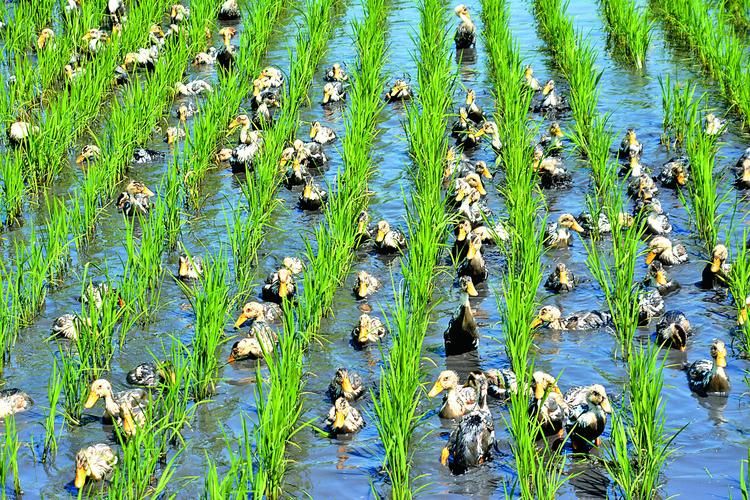
(b) maintaining thin water during the planting period, holding on to shallow water after rooting, with a depth suitable for duck feet to step on top of the surface, and then drying up and weting and shifting seeds as ducks grow up, cutting water 5-7 days before harvest。
2. Control
When the number of saplings in the field reaches about 80 per cent of the planned ears, it begins to tan the field, i. E. Drying its water for two to three days, so that the soil is tanned twice to three times, in order to prevent disease in the fields。
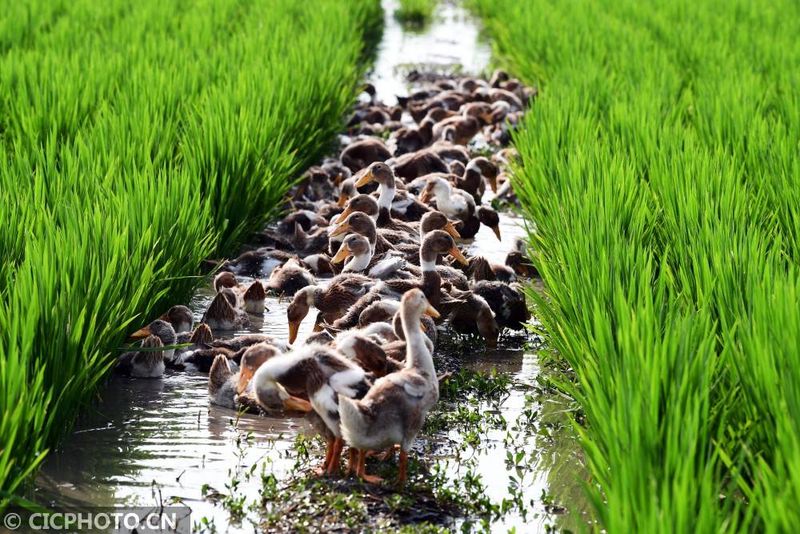
(1) scattered field control: i. E., pulling a nylon net in the middle of a field, half of which is kept in the water layer to drive ducks over the field, half of which is tanned, and then pouring the ducks over and over and over again; or digging a sink of about two square metres deep and over 0. 5 metres deep by the acre by the shed, and opening several canyons 30 to 40 centimetres wide and 30 centimetre deep, during the tan season to keep the ducks in the ditch 3 to 5 centimetres of water in order to operate with ducks; or moving the ducks to the river and ponds by the edge of the field for a period of three to five days。
(ii) deep water control: where there is a sufficient water source and the sun is not easy, it can also be untanned and the use of deep water means to control the non-effective fraction, i. E. When the number of seedlings reaches 80 per cent of the intended ears, the depth begins to be 10-15 cm, and the depth of the water is suitable for a leaf pillow that reaches the top of the full leaf, and the water is gradually deepened as the rice is long until the end of the non-effective partition。
Vii. Treatment of the witness and weapons
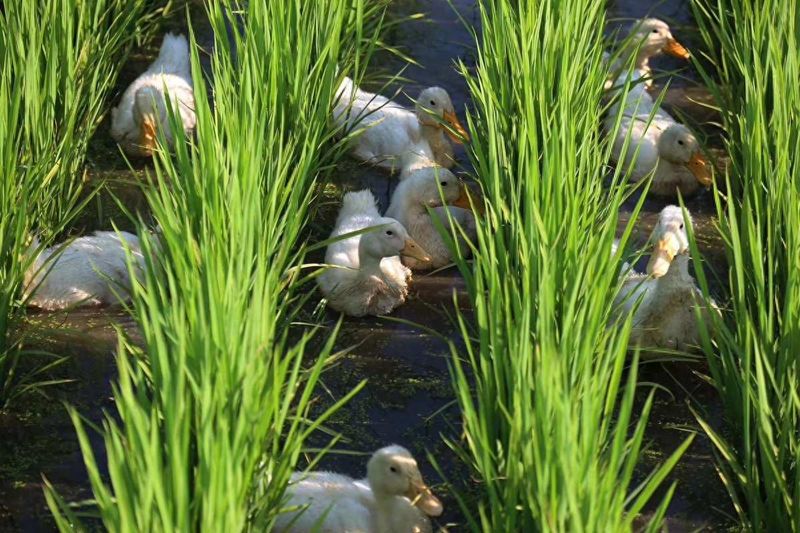
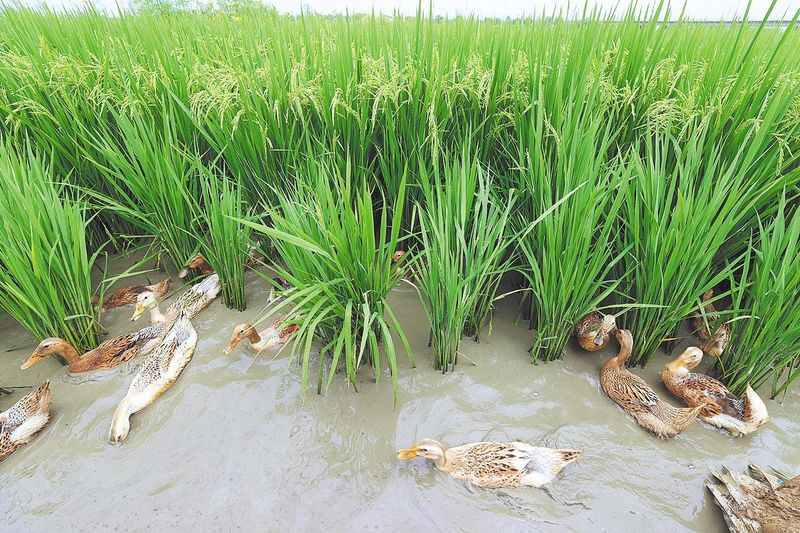
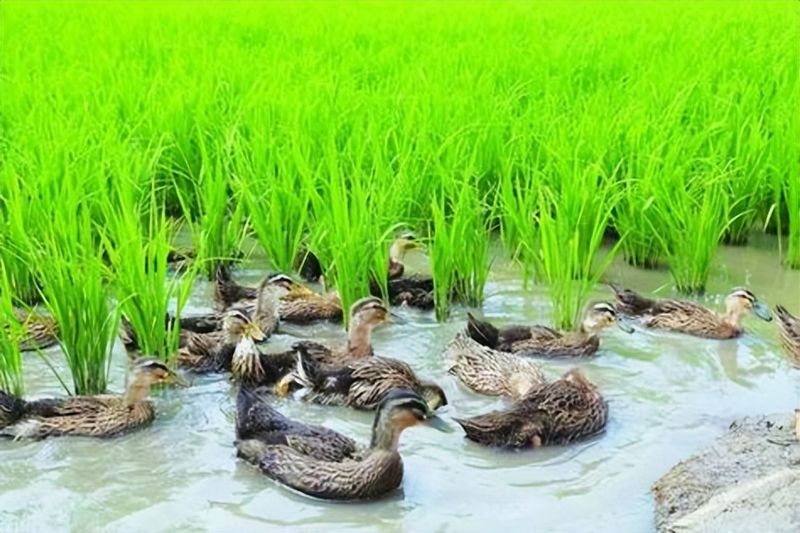
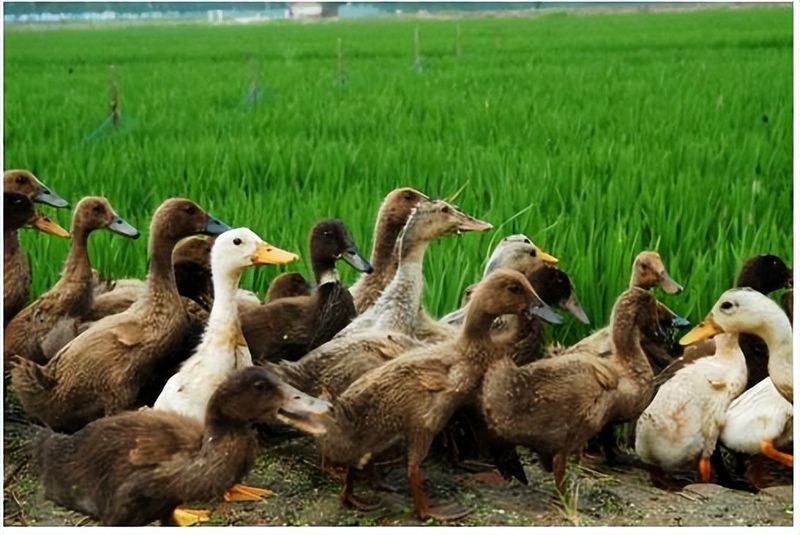
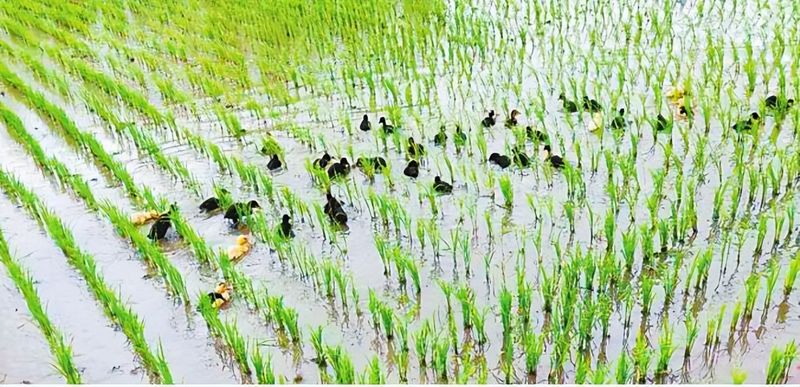
Paddy weed cleaning is largely dependent on ducks for food and foot-pumping, especially in the early stages of weeding, where duck activity can be a good deterrent to the growth of new weeds. The use of chemical herbicides is strictly prohibited. After three to five days of emittering, the seedling enters its youth and is required to release ducks as soon as possible after fertilization, as determined by the pattern of paddy weeds. Rice weeds generally peak 7-10 days after the planting of rice, and because of the early and large number of weeds, they should be fertilized early in the rice (i. E. 6-8 days after the planting of rice) and ducks should enter the field on the seventh day. It would be preferable to opt for sunday ducks from 9 to 10, at a time when temperatures and paddy water temperatures are on the rise and ducks are able to adapt quickly to such changes. If the grass is too harmful, it can be uprooted manually after returning to the youth。
Prevention and treatment of diseases, with a focus on the prevention and treatment of stale, paddy and paddy diseases, prioritize agricultural, physical and biological prevention and minimization of pesticide use. For the main pests, micro-organisms such as microbial fungicides such as chords, plagues, chronin, iricin, olymphocococococin, dead grasse bacterial bacterial agents, sexual inductions and high-efficiency low-toxic chemicals such as 20% chlorochlorfonamide suspensions, thorone, etc., can be introduced to ensure the preventive effects of disease and pests and the safety of rice ducks, using spray or mist application methods; ducks are segregated from rice fields during fertilizer application and replaced with fresh water after 5-7 days。
Viii. Selection of duck species
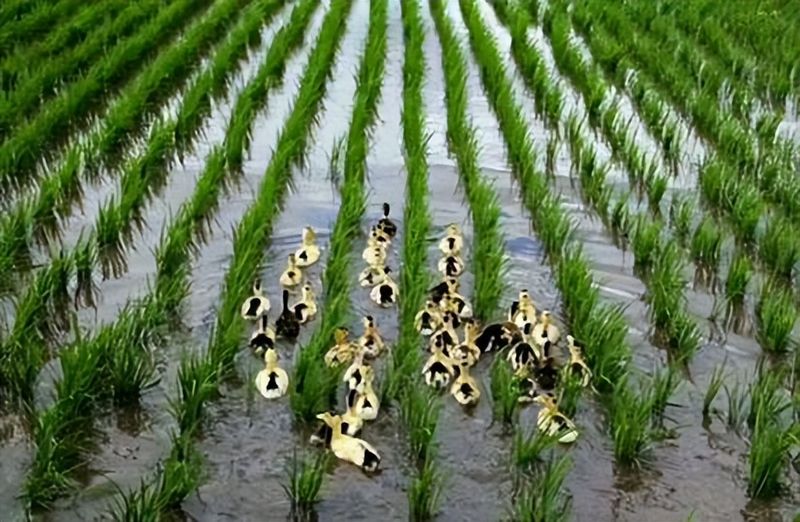
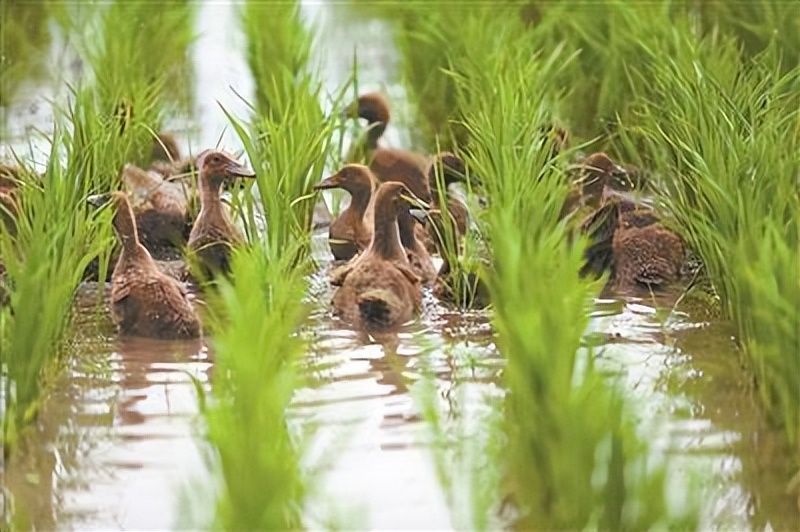
The species should be selected for rice field breeding, red ducks or ducks, which are small- and medium-sized, are flexible in the rice field and have a high level of food consumption, gavage tolerance, low cost, high resilience, adaptability, high growth of ducks, high egg productivity of females and tender meat. The ducks are selected with a fine, fine, hairy, balanced eyes, agile eyes, good umbilical umbilical cords, egg-shaped bodies, full body, and a lean tail。
Ix. Responsibility of guards, fielling
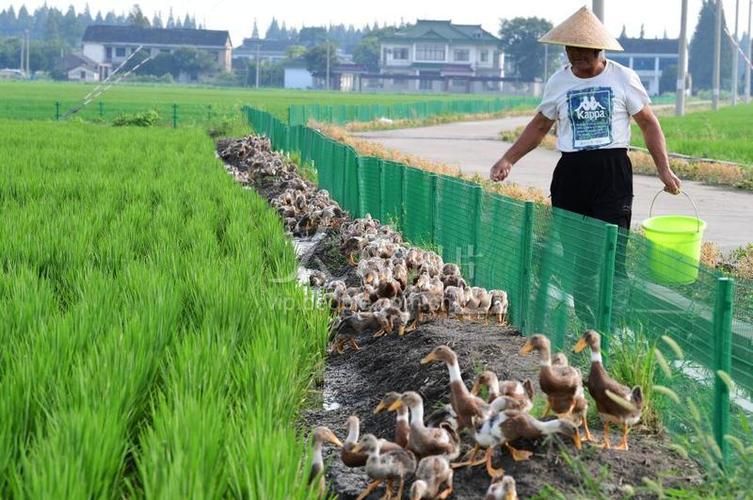
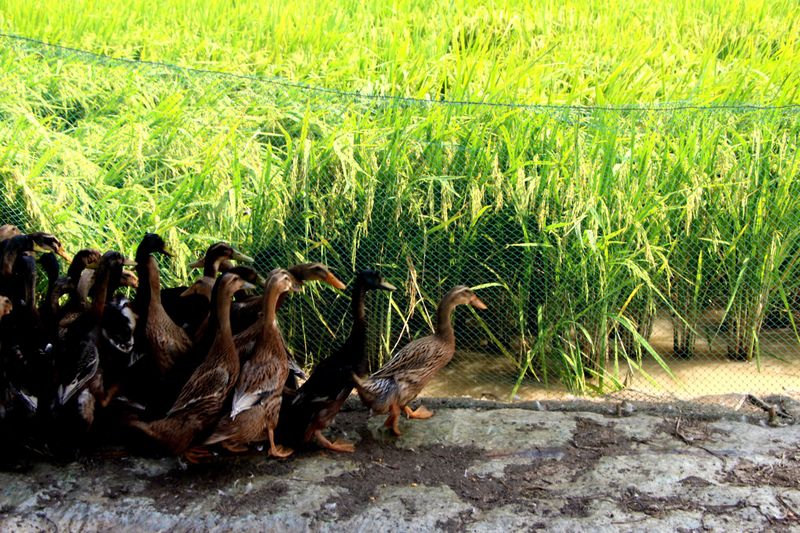
The size of the duck house corresponds to the size of the field. The promotion of purse-seine farming, i. E. The use of a nylon network to keep ducks in a limited range of paddy fields, with 10-15 acres as an area of activity, around the field with a three-finger nylon network as a shield, 60 cm high, a support pole every 1. 5-2. 0 m, and a duckhouse at a level of 3-5 duck/m2 at the corner of the field, which needs to be covered to cover the sun and rain, with three sides covered and a layer of straw added to the outer wall to keep it warm, ventilated, floored and slabed and tilted appropriately in order to drain and remove duck dung。
(i) maintenance time
One or two weeks after the drop, when the seedlings are alive, the ducks who have been raised for one or two weeks will be placed in the initial setting, preferably in the light of the weather, and in the field three or five days after the ducks adapt。
(ii) duck breeding management
1. Duck seed management
Duck seedlings are bought and then admitted to the nursery, with a daily temperature of 28-30°c, 50-60% humidity, 4-6 days, 24-26°c, 7-10 days, 20-23°c, and later gradually cooling to natural temperatures; 15-20 hours after the shell is out of water, suitable for cooling water, are added to an appropriate volume of yellow thallium multigluceous multi-dimensional (in product description) to increase antibody rehydration。
2. Twenty minutes after drinking
For duck feed at its full price, ducks are given water in shallow water containers for three hours a day in the duck shed for a period of one to three days, with 24 hours of light kept in the duck house for a period of one to three days, free to eat after three days and natural light。
3. Duck house temperature
The duck is lively and does not pile up during rest, and can also be observed at any time with a few temperature tables in the duck shed。
4. Initial release period
The selection of ducks at the age of 8-10 days takes place in the early area from 9 to 10 a. M., and ducks who are not adapted to the water must be recovered in time for drying or drying, followed by training until the ducks are free to move in the water and dry when they come out。
5. Duck feed selection
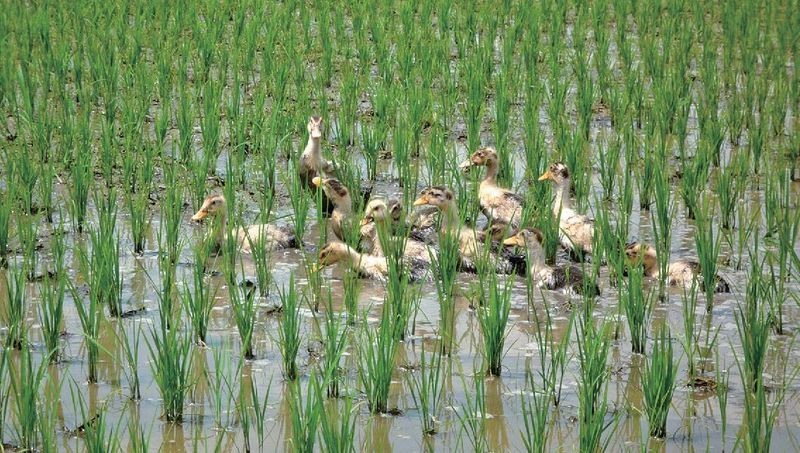
The 1-15-day age is to be fed to the full price of the ducks, the 15-day age is to be followed by a gradual reduction of the full price to the self-ration, which is 20 per cent of maize, 45 per cent of wheat, 30 per cent of millet or corn, and 5 per cent of beans, evenly, increasing the amount of feed as the day age increases, and feeding at regular intervals as the chute is desirable. After 20 days, one can be fed every evening。
6. Pork disease control
Ducks have a stronger self-immunization capacity, 10 days after the incubation of the duck seed, first duck plague immunisation, 40 times the inoculation of a weak duck plague, 0. 2 ml of inoculation (with specialized dilution or dilution of cool water), second dose of 100 ml of inoculation with a weak duck plague at 60 days of age, 0. 5 ml of inoculation, 10-15 days of inoculation with avian influenza h5n7 at a price of 0. 3 ml per subcutaneous or intracortic, two times the inoculation of a month after injection, 0. 5 ml of inoculation with an immunisation. Treatment with chinese medicine and periodic deworming, care for periods of retortion, timely search for dead birds in the field and prevention of death from ducks eating dead birds and their maggots. At the same time, the cleaning of the duck house has been completed and, with the increasing age of the duck and the increasing amount of excreta, it has to be cleaned and kept dry and clean in a timely manner. If it is not cleaned in time, the duckhouse is prone to damp and obscenity, which breeds pathogen microorganisms and is not conducive to the healthy growth of the duck. The duck shed is also regularly disinfected。
7. The rice duck period
The application of chemical pesticides should be avoided in rice fields, and the late rice fields should be manually removed. In the event of serious pests in the rice field, biological pesticides such as rinsing, avilin or low-intoxication and low-efficiency residuals may be used for the safe treatment of ducks, which should be applied in the form of ducks out of the field and in exchange for water。
8. Get the duck out of the field in time
When paddy saps or sprouts fall, ducks should be collected in a timely manner to prevent duck pecking, while rice is managed later in the field。
Rice harvesting
When 95 per cent of rice is yellow, it is drained and harvested in time。
Production records
Duck co-production should be documented throughout the process, including sources of rice and duck seedlings, source and use of inputs, duck co-production processes and field management, and rice and commercial duck sales。