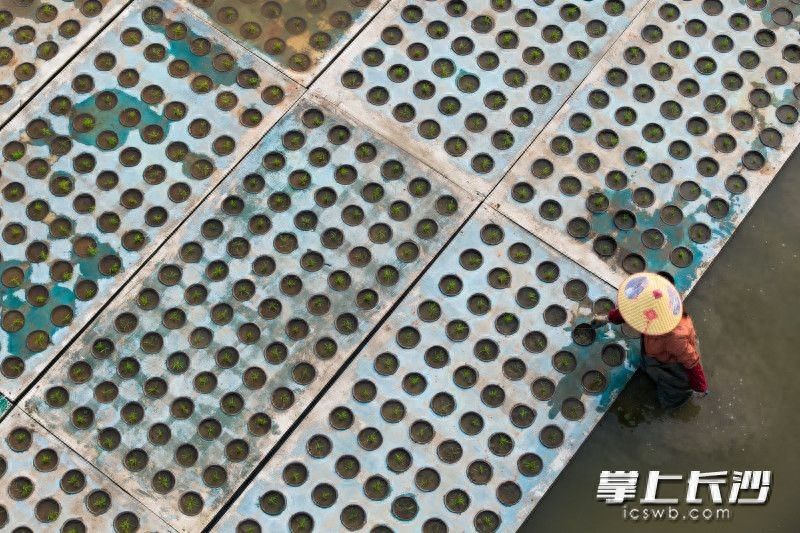
On the evening of april 8th, the changsha evening newspaper came to see journalists, went to the fields, threw their hands, and a clean pair of hands waved to them. Unlike traditional rice fields, which work as a “mud-legged face”, there is some interest in the eye-to-face test。
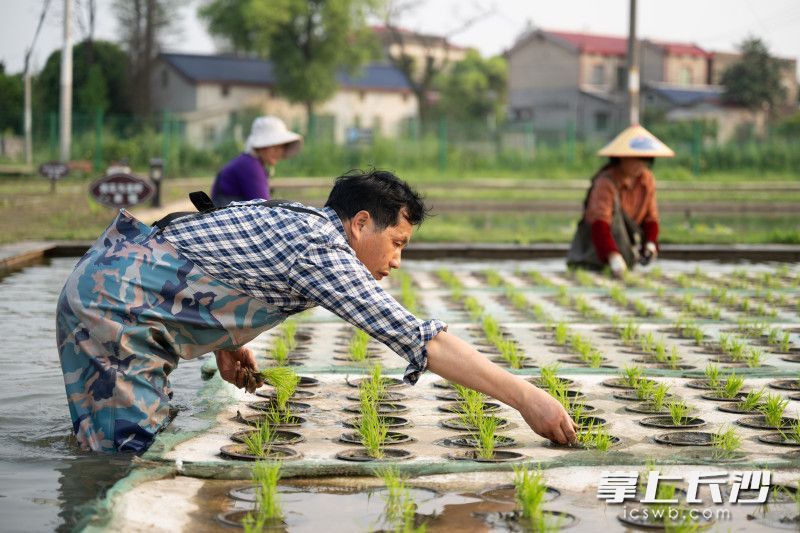
As the founding director of the family farm of the festivities of the month, fu jia has continued to promote waterless, soil-free rice cultivation for almost 20 years and to develop innovative farming models for rice, fish and lobster stereos to support eco-planting of agro-efficiency and farmers' growth as “new rice farmers” on the road to rural revitalization。
Since its establishment in 2007, the focus has been on exploring stereocyclic agriculture and on developing an eco-efficient model of “water cultivation, underwater farming”: in the ponds, rice is grown on the surface, fish and crustfish are fed under the water; in the vegetable areas, lobsters are grown simultaneously, along with vegetables such as pelicans, parsleys and lettuces, which form a closed-ring symbiotic system for fish fattening, rice purification and fish farming. Its cultivation is based on water-free and soil-free cultivation, where seeds are thrown without fertilization and water to grow naturally and are managed in a simple and ecologically friendly manner。
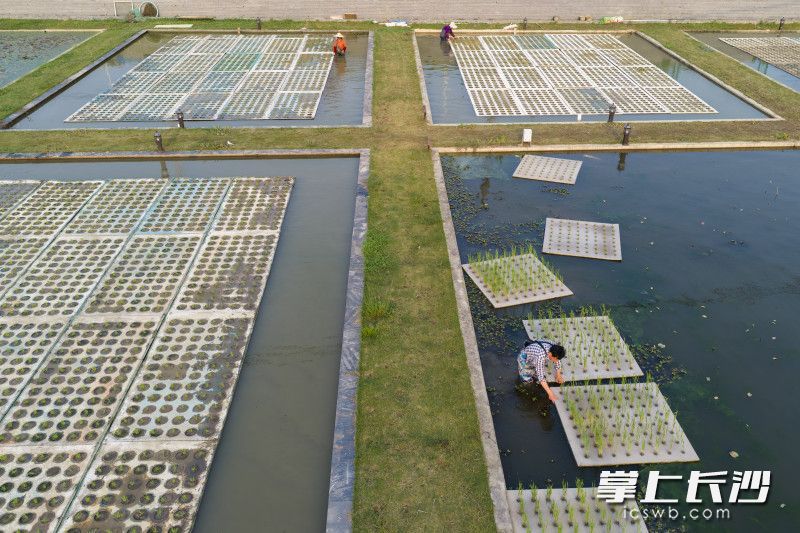
On the farm, journalists observed that, in addition to eight rectangular ponds for cultivation, there were several round pools with crops such as wheat and vegetables. The inspector told journalists that, as early as 2013, the development of water-planting, plant-planting models and the patenting of state inventions had been successful, and that the country's most widely promoted plant rice now originated from that technology system. To date, he has accumulated more than 20 patents related to water-planting, and the research and development of pearl sheeting equipment is environmentally durable, reusable and has a useful life of up to 10 years, effectively reducing planting costs. In 2019, its water-planting model was integrated into a standardized rice-growing system in hunan province, increasing from local practices to demonstration extension techniques at the provincial level。
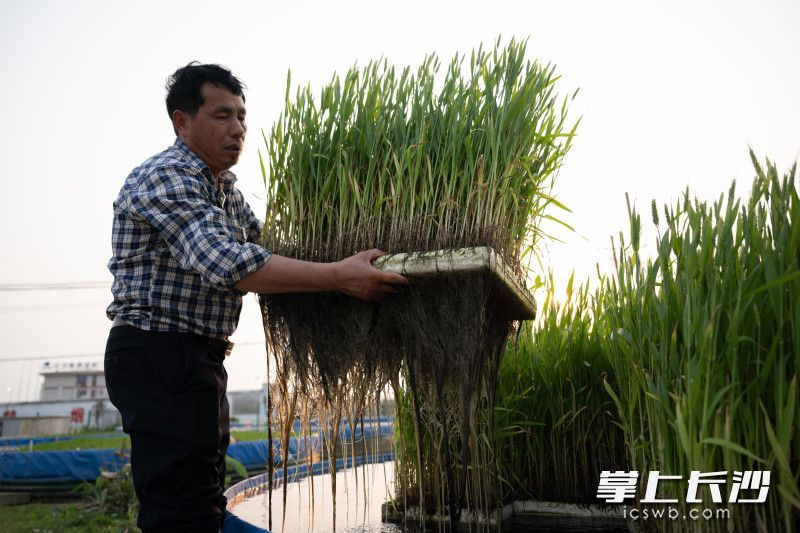
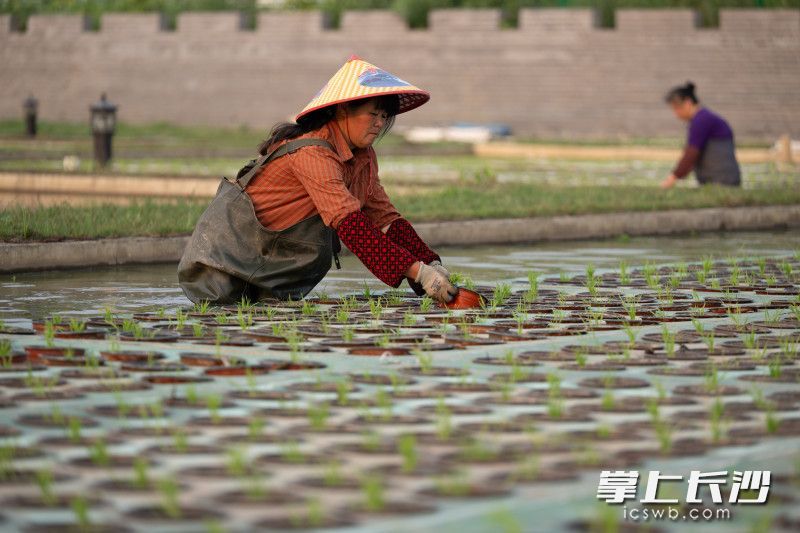
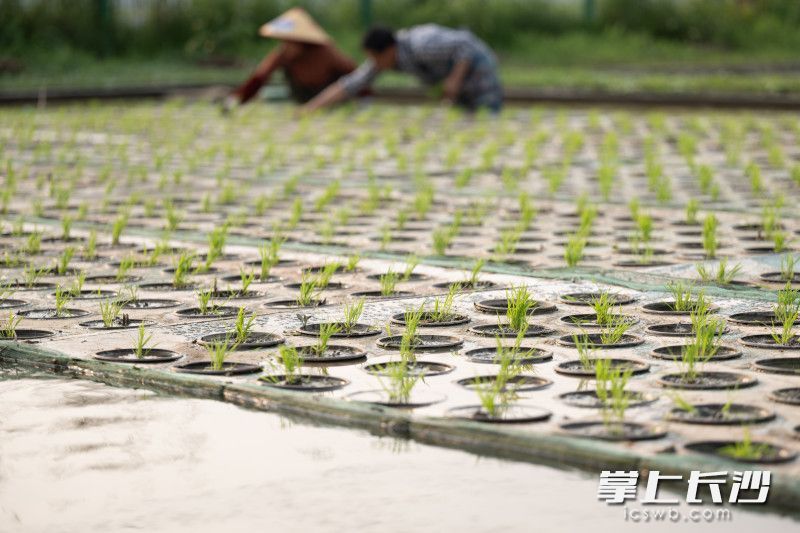
Under different breeding conditions, rice acres can produce between 400 and 1,000 pounds of water, which, when technically mature, is almost equal to traditional water field cultivation. The combination of benefits per acre increased by 1000-2,000 yuan compared to mono-paddy cultivation, with one acre yielding more than three times more than the traditional one-size-fits-all in some areas, with the real realization of “one water for both uses and one crop”. In addition, the roots of aquatic crops can absorb water nutrients, purify water quality, take into account ecological and economic benefits, and can rotate into crops such as pelicans and ryegrass in winter, with a profit of around $3,000 per acre per year。
Fu jinxi's hydro-stereoculture technology has moved from the village of zhangjiang to the entire country, spreading an area of over 5,000 acres in various areas, including hubei, hainan, guangdong, jiangxi and guangxi. In november 2025, at the twenty-sixth central china (hunan) agricultural fair, he established the “aquato fields” exhibition area, where over 10 varieties of rice and vegetables were shown on site, with an increase of over 30 per cent in the average acre value compared to traditional cultivation, attracting agricultural enterprises in several provinces to negotiate cooperation。
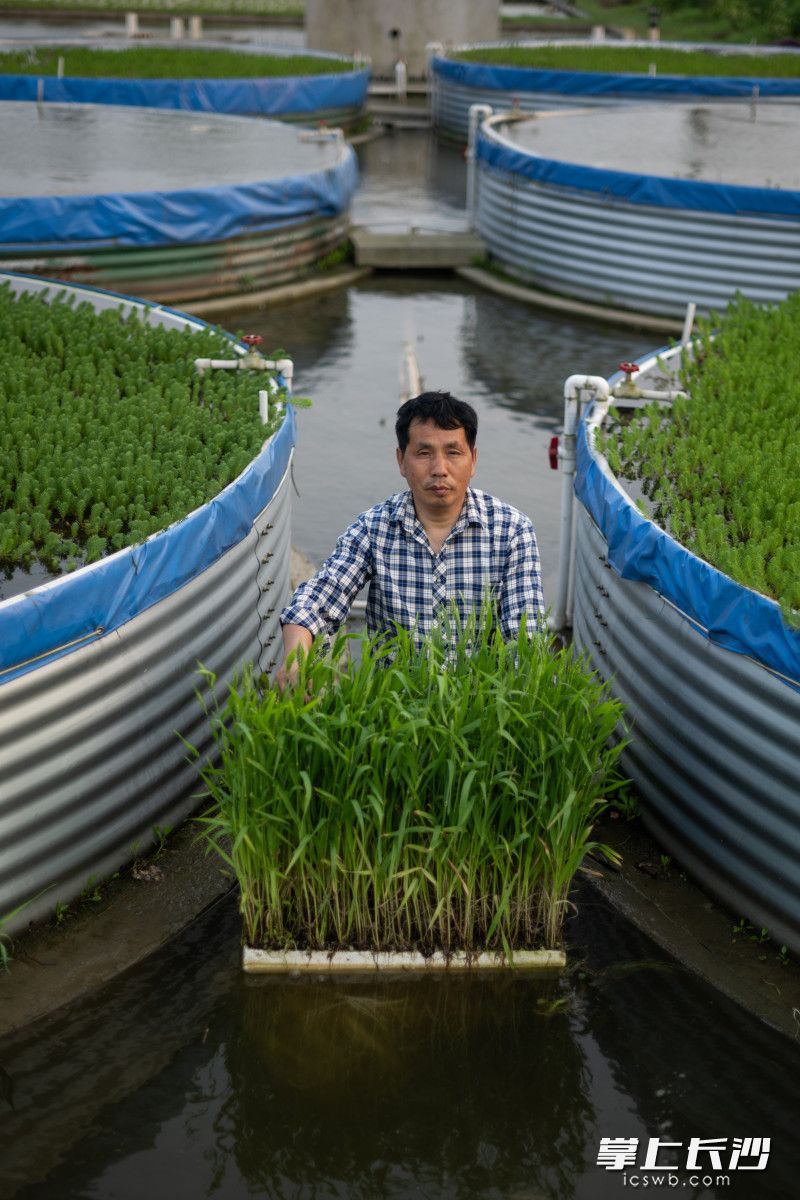
Today, in the farms of fu jincha, where aqueous vegetables, such as screech, screech and lettuce, are flourishing, he remains strong in the fields, continuously refines technology, expands its outreach, and uses nearly 20 years of persistence and innovation to make soilless cultivation and rice fish and shrimp styling a living practice for the renewal of the countryside, leading to an increase in the number of farmers on the path to ecological breeding and efficient harvesting。