It is not surprising that the winter has come to a point where friends who have long-lived flowers should all be surprised to find that they have more or less been slashed. The conservation of long-lived flowers in winter is also a critical period in terms of whether the next long-lived flowers will bloom smoothly and whether they will be appreciated during spring holidays。
The 4-hire of the longevity flower
1. Warm environment
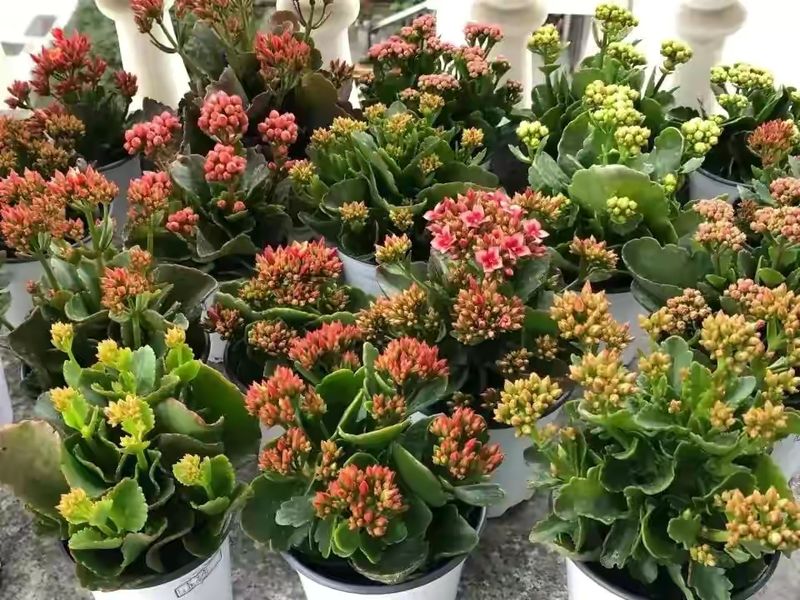
Longevity flowers originate in warm tropical areas, warm throughout the year, with seasons like springs. Because of its beauty and its introduction into the world by pellets, other regions are prone to freezing at very low winter temperatures。
The experience of the florist has concluded that when temperatures are below 10 degrees, the longevity flower grows slowly and even ceases to grow, and when temperatures are below 0 degrees, the longevity flower is likely to be frozen, frozen or even frozen to death。
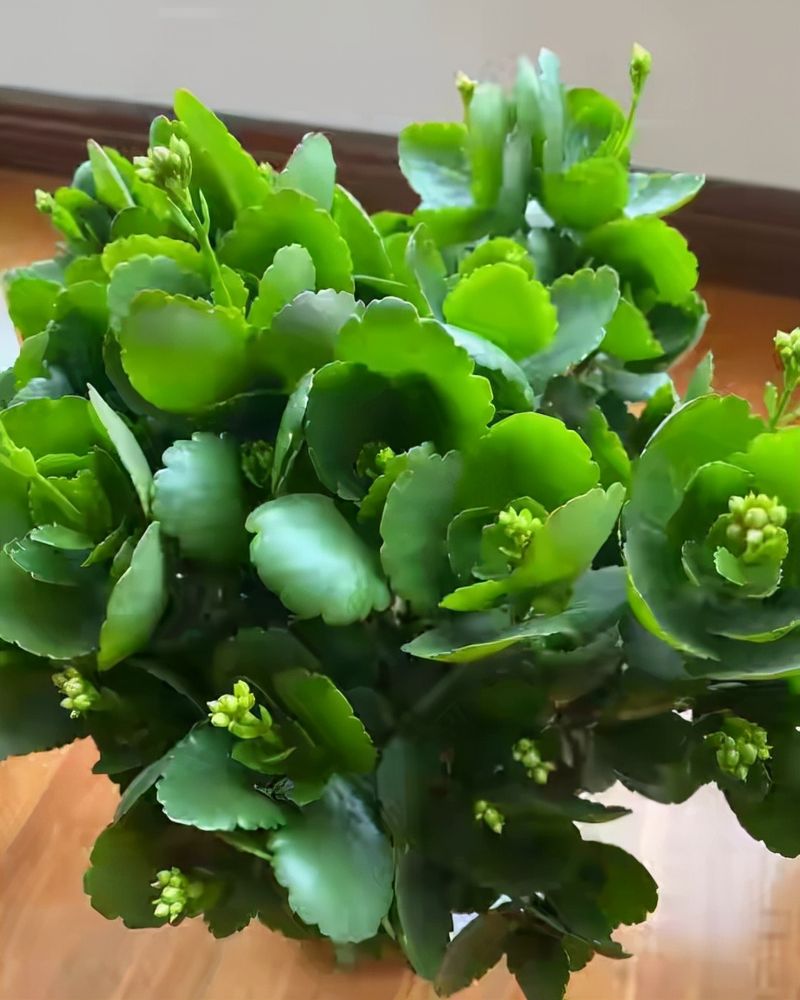
So in winter, the first major focus is to provide it with a warm environment。
Like flowers in the north, there's heat in the house by winter, so it's best to keep flowers in warm rooms. If heating is generally available in the room, the temperature will remain stable at 15 °c or above, which is a very appropriate growth temperature for long-lived flowers, so that normal water and fertilization can be applied to the flowers。
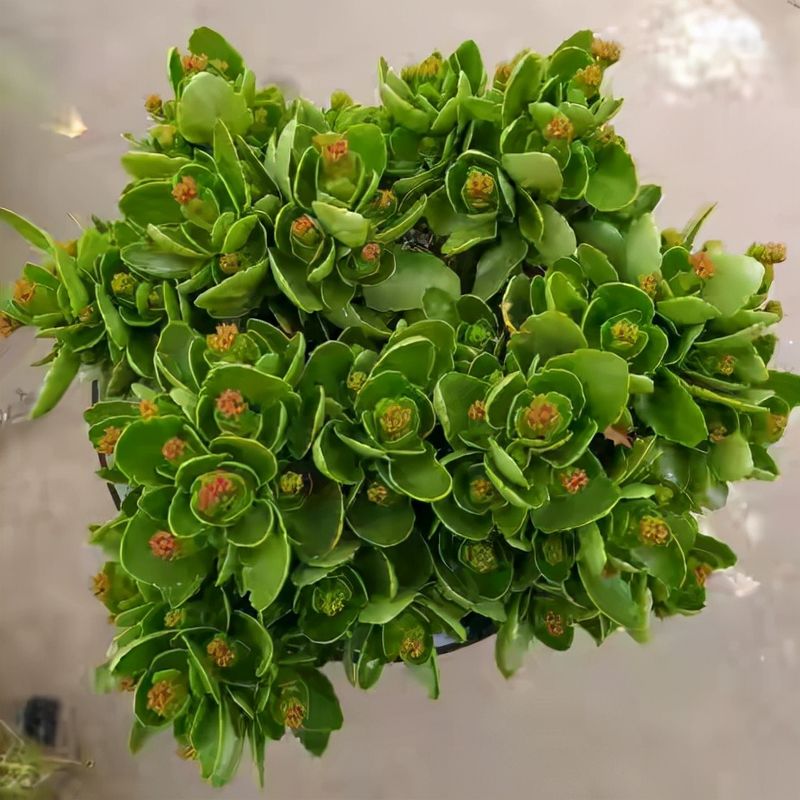
But it's not so good for friends in china. Because winter temperatures are low and indoor heating is not available, outdoor temperatures will remain at approximately -5 degrees, or -10 degrees, for long periods, and the interior is very cold. In such an environment, long-lived flowers basically don't grow。
In order to keep it alive and not let it freeze to death, the measures that we can take are less watering, less drying, more safe for it to survive the winter until spring. So that's why the long-lived flowers in the south are always one quarter later than the long-lived flowers in the north。
2. A warm enough sun
Longevity plants, which are part of the landscape and which are also part of it, are also rich in meat plants, as well as jade trees, non-dead birds, etc., which are very bright and, with plenty of sunlight, the leaves grow more abundant and more flowering。
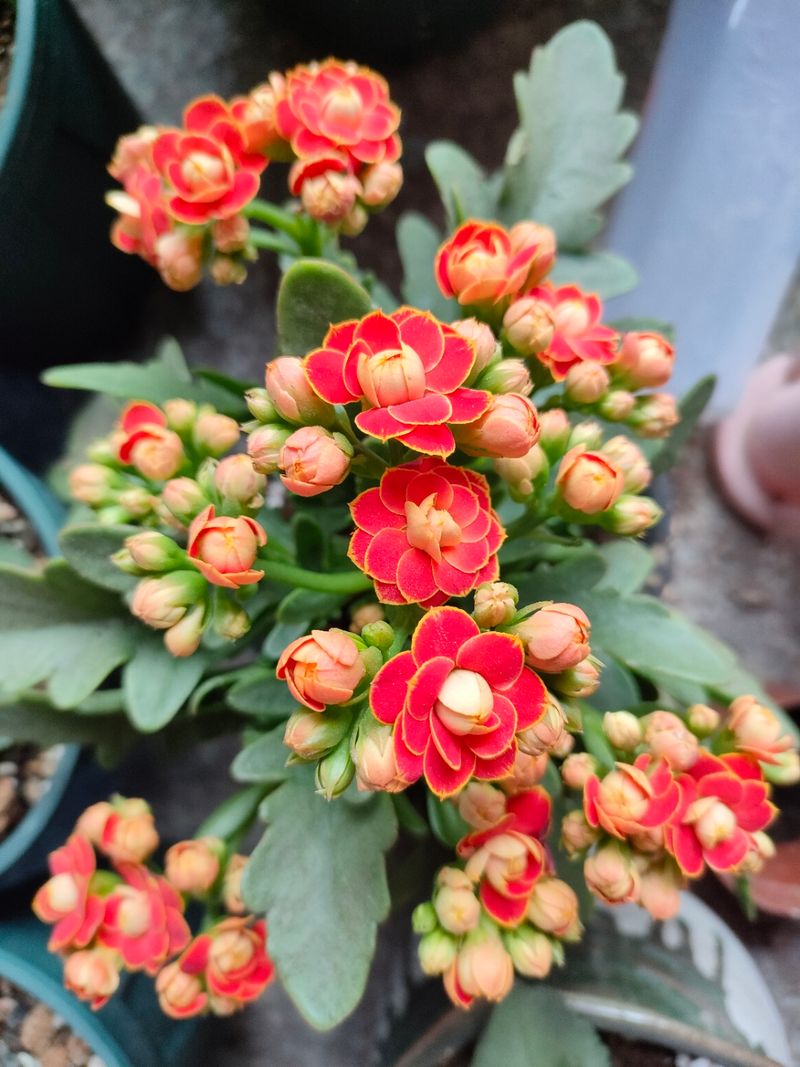
Longevity flowers can be given a full-day light in all seasons, except for the modest shade required in the hot three-volt sky。
By the fall and winter season, if the flowers are to be sprung as early as possible, more flowers are to be sprung, and enough light is to be opened as soon as possible, otherwise it will not be easy for them to bloom, or even “cooking” or not。
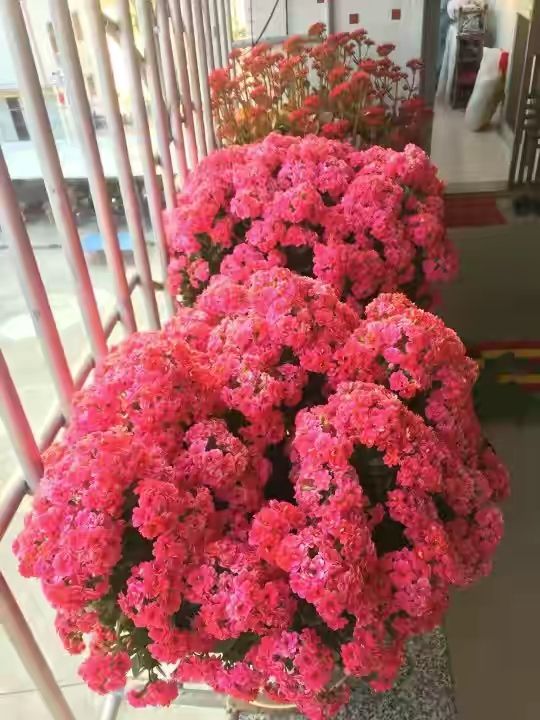
Therefore, this is why it is easier for flowers to bloom on windowsills or balconyes, where there is sufficient light, and for flowers that are indoors and have little access to light。
3. Drying the earth
Longevity flowers are a multi-fatal plant, both of which are of a meaty nature and which store a lot of moisture, along with waxy membranes on the leaves, which are effective in preventing rapid water evaporation, so that they are drought resistant and afraid of flooding。
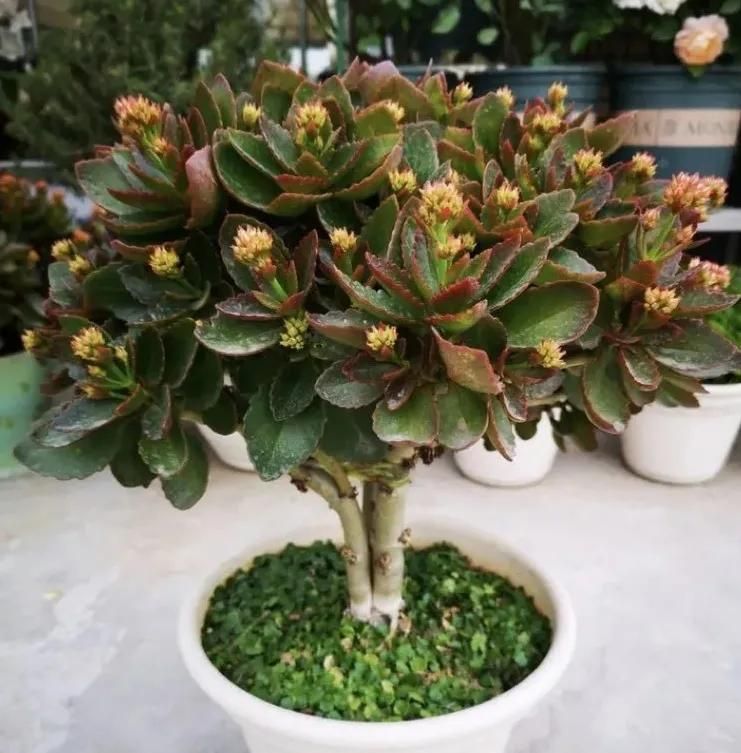
So, by winter, keep the long-lived flowers dry。
When the soil surface is white and dry, it can be watered。
4. Fancy and diligence
Longevity flowers are to be played extensively during the autumn and winter festivals, with flowers and flowers, forming a flower ball, so the supply of fertilizers must not be scarce。
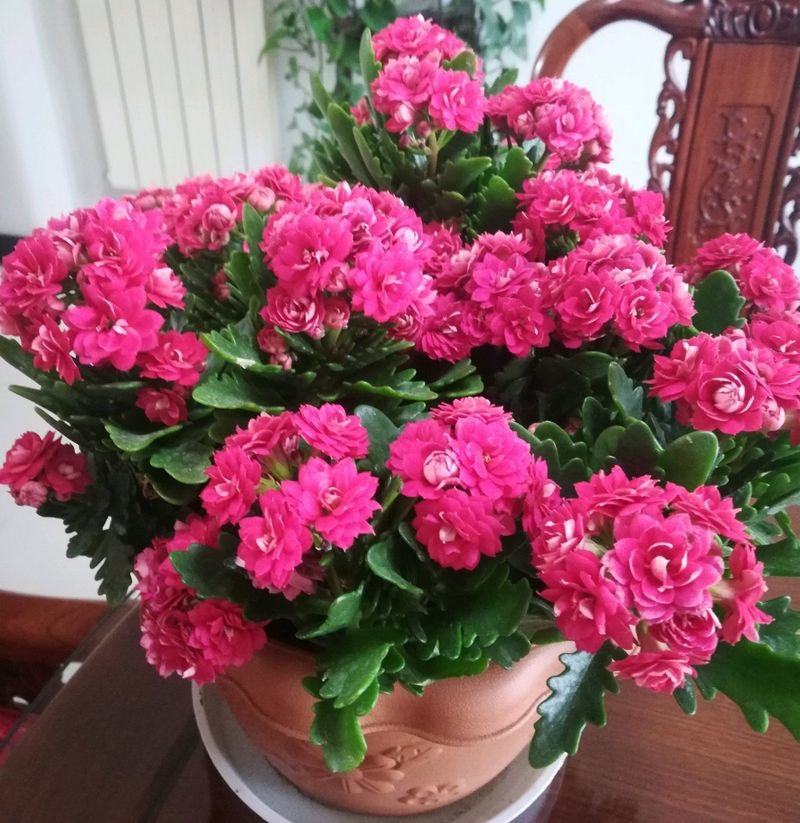
However, it also scores in areas such as the south, where temperatures are low and long-lived flowers largely stop growing, so that water is controlled and weight is lost. However, in the north, where the temperature is right and the long-lived flowers are growing normally, moderate fertilization is required。
At this stage of long-lived flowering, it is proposed to spray the face of the leaf every 10 days or about half months after the use of potassium dihydrohydrophosphate or 2 extra flowers in a ratio of 1,000 times to water。
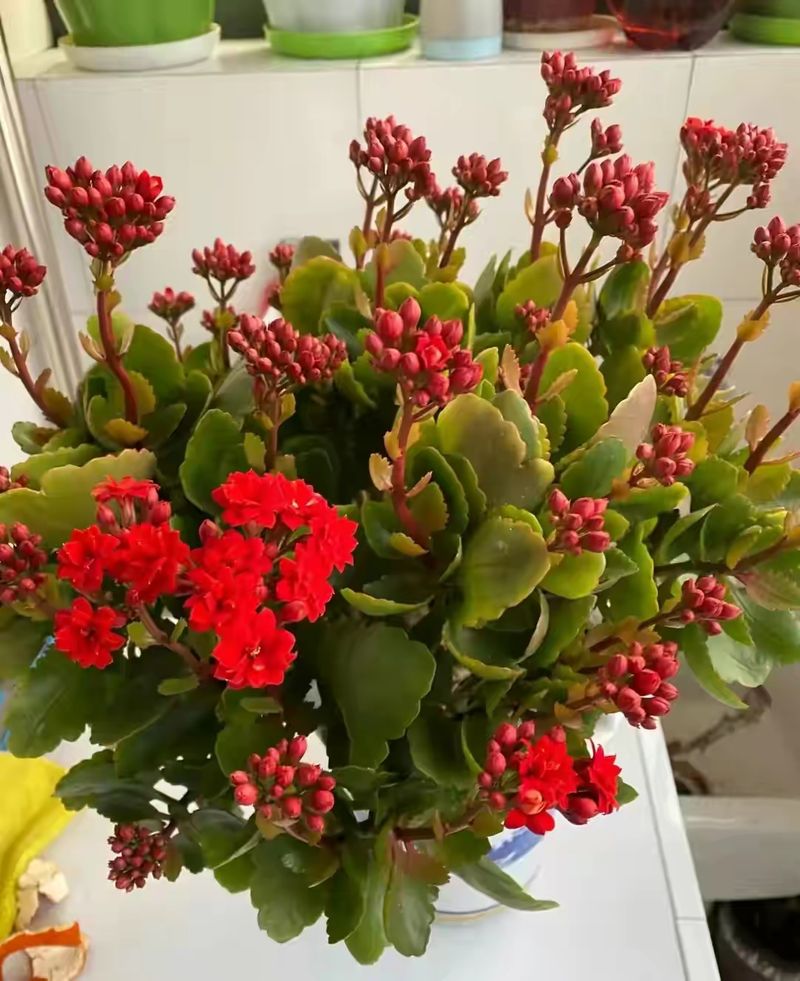
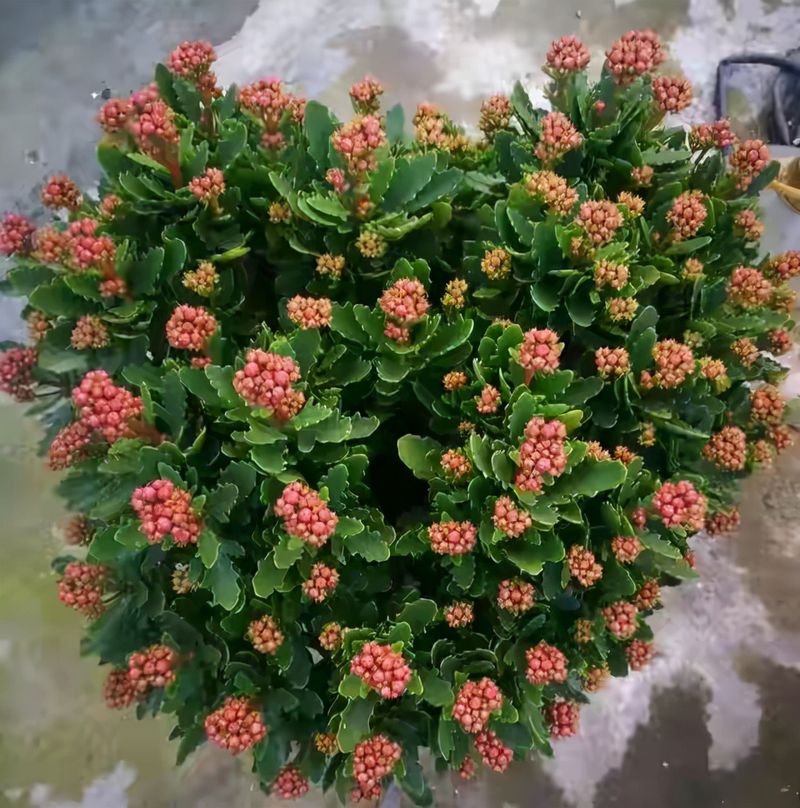
Until, like the above figure, the flowers are almost formed, and when they're ready to bloom, they stop fertilizing。
The three of the longevity flowers
In addition to understanding the habit of longevity and providing it with the four appropriate environmental and conservation methods above, there is also a need to understand its taboos, otherwise it can easily rot or bloom。
1. Fear of oversized flower basins
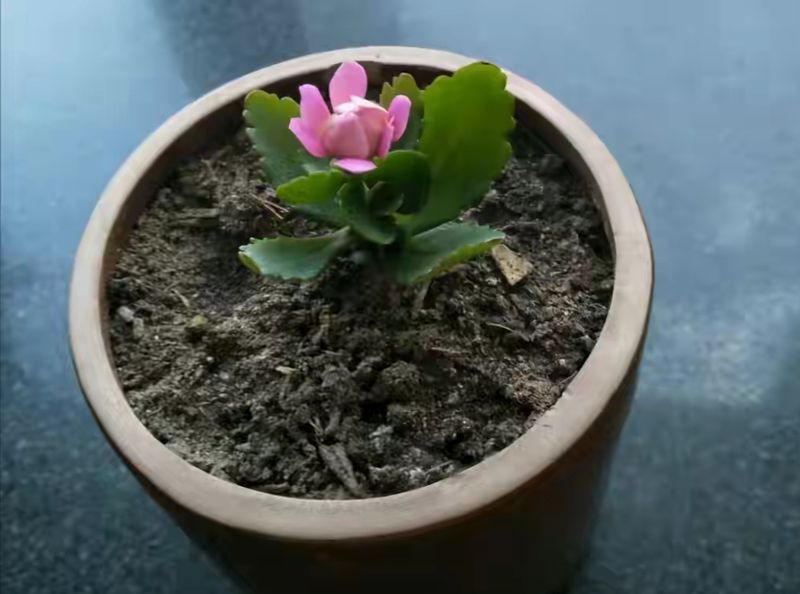
Longevity flowers are very short-lived and underdeveloped and therefore do not need to be planted with too large a flower pot。
Friends who have lived a few years long will learn about the habits of longevity, and will grow faster with a smaller flower pot, just to replace it with a slightly larger one every other time。
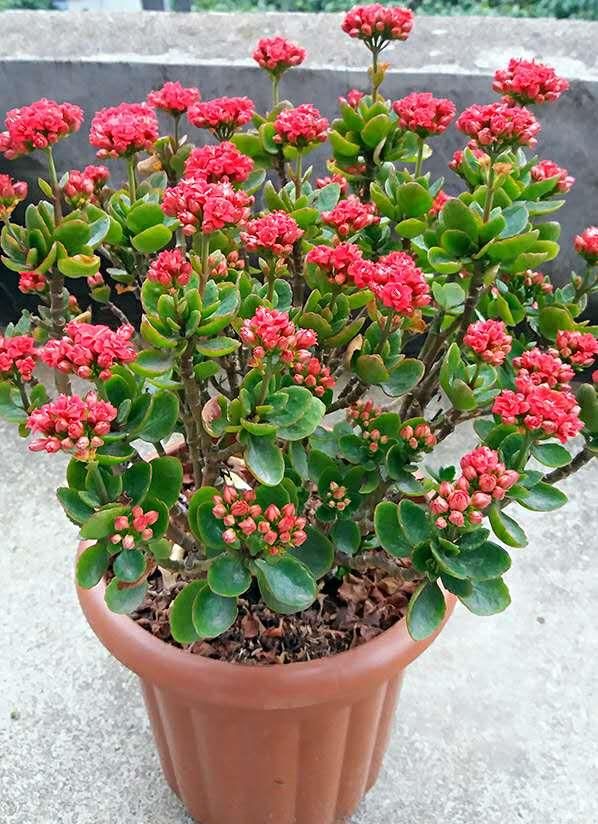
It's too big, too small, so the soil in it is poured. It is not easy to dry after flooding, and long-lived flowers can either easily rot or grow very slowly。
I'm afraid of cutting
And the long-lived flowers shall be round and full, and shall be smote in a small and sturdy strain, and cannot be trimmed in a reasonable manner. But if you want it to bloom this year, do not cut it too late。
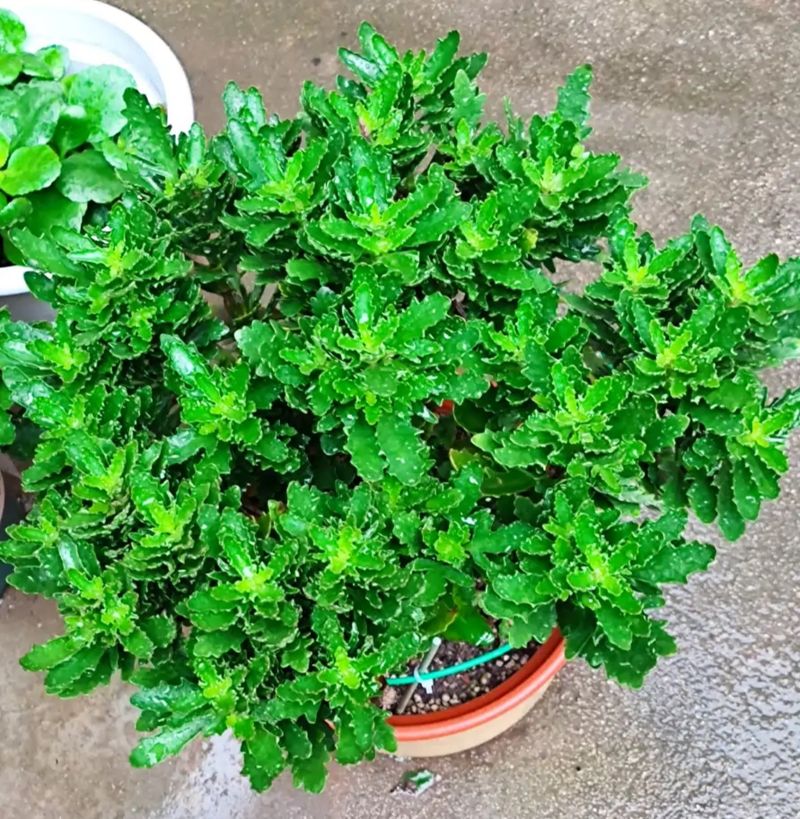
The flower of longevity is formed at the top of each branch, and if it is too late to be trimmed and the new branch grows too late to divide it, it is easy to spend this year。
3. Fearing the wrong fertilization
The growth of long-lived flowers and pregnancy buds are highly seasonal, and, in general, their flowering seasons are largely fixed in winter, with some areas or varieties running late to bloom in spring. After the flower is lost, there will be a long period of nutrient growth, that is to say, the need to rest and grow the leaves。
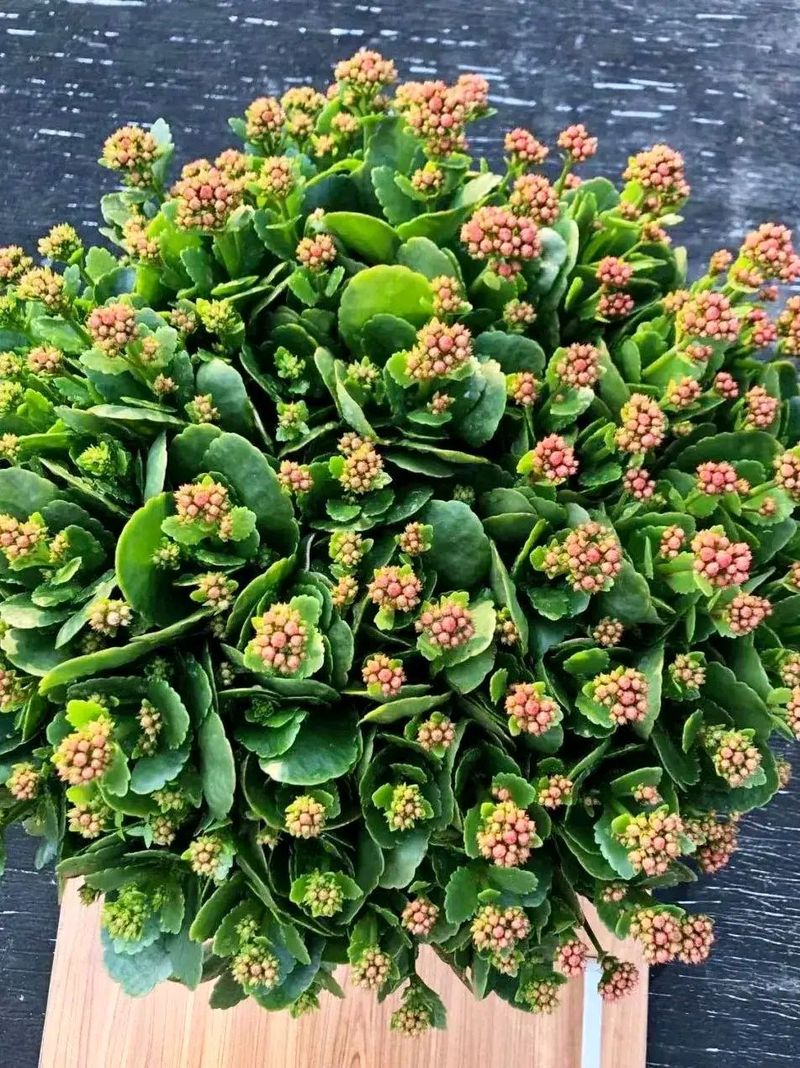
So there's a difference between fertilizing a flower at different stages of growth。
For example, in autumn and winter, when flowering buds start to bloom, phosphorus-based fertilizers should be applied, such as potassium phosphate, or more than 2 flowers, or must bloom。
And when the flowers start to fail, spring comes, and a period of booming growth will come, which should be a period of fertilizer dominated by nitrogen and potassium。
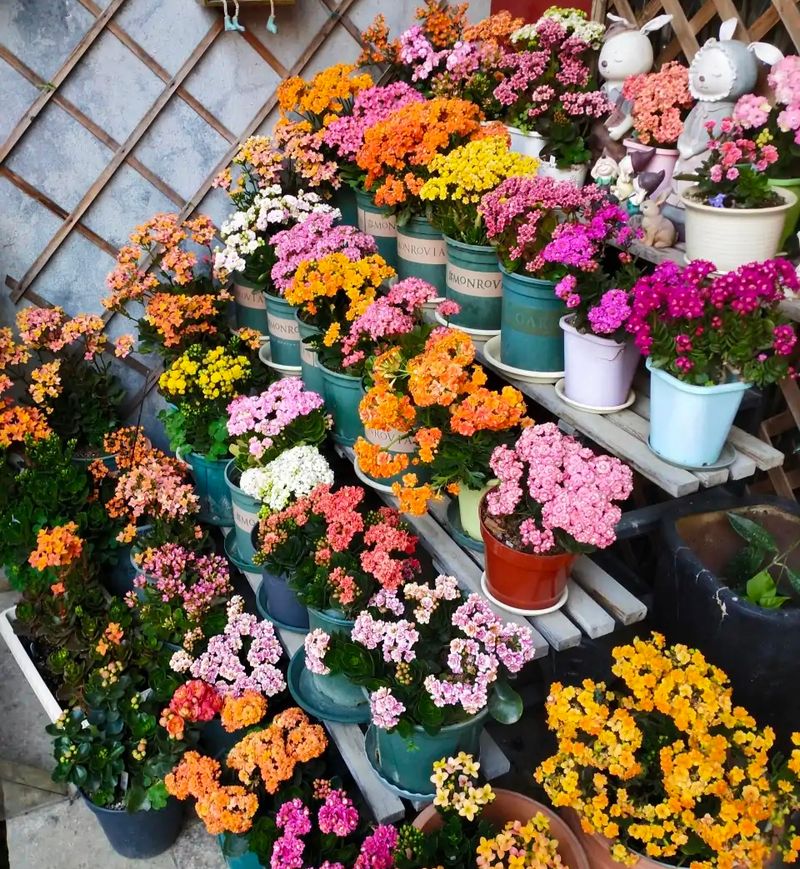
It is difficult to feed and to bloom if there is not a single fertilizer for the longevity flower, which is divided into different categories, regardless of season。
Well, with regard to the autumn and winter festival, the "four hies and three fright", do you understand? Welcome to the comment section, and welcome to the status quo of the longevity flower。