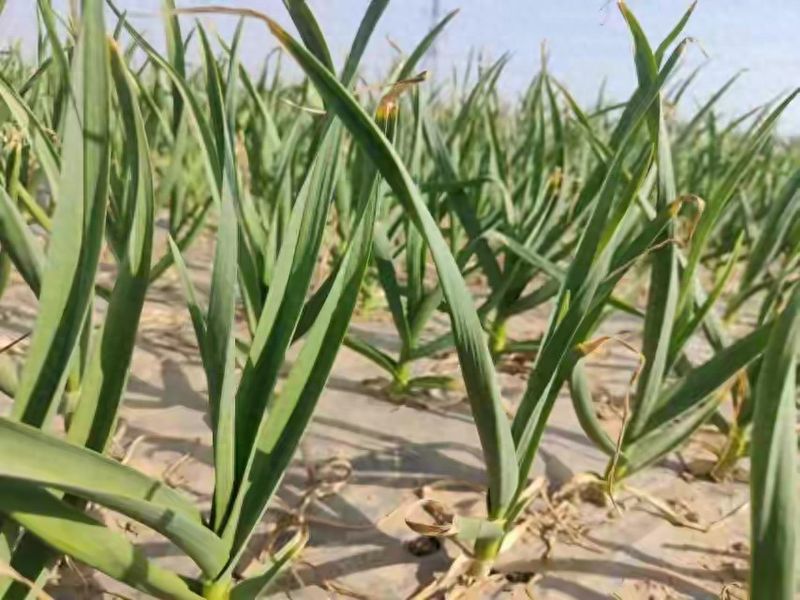
Many of the garlic fields in the chinese garlic region have been in their habit for decades: after the garlic harvest, pick out the big old garlic head and leave the garlic out of the garlic, and keep it for the years. A number of farmers have found that garlic is growing for three or five consecutive years, is growing less than a year, has grown more dry leaves, has become smaller, has grown more and more monolithic and ponytail garlic, has become frequent, and production has continued to decline。
Many thought that there was insufficient fertilizer and poor soil quality, but the problem was rooted in garlic. Garlic relies on the non-sexual reproduction of garlic, which is kept in stock for a long time over the years. The virus continues to accumulate from generation to generation, and the variety continues to deteriorate. The embryonic activity of the garlic petals has been significantly reduced, there has been a shortage of seedlings, and the resilience to cold diseases has been reduced, and even when water fertilizer management is in place, garlic is difficult to expand. The lessons learned from the experience of garlic farming are: it is necessary to keep up with the use of old garlic for years and years, and to keep it to its high yield, it is important to have control over the field and the methods of replanting it。
Let's get to the bottom of the big vices of garlic:
First, the garlic age, and the germs are weak. It has been stored for more than a year. The embryos are less dynamic, seedlings are slow and weak and prone to yellow seedlings and cold seedlings, which reduce winter resistance significantly。
Second, the bacteria accumulate. Chrysotile skins, scaffolds hide purple spots, scabs, soil moisture after seeding, high susceptibility to rotten petals, dead seedlings, and growing in the field。
Thirdly, castes continue to deteriorate. Garlic does not have sexual reproduction, keeps its old garlic for a long time, the virus piles up year by year, the garlic is shrinking, the garlic is growing deformed, the garlic is short and the commodity quality is declining。
Many farmers have a bad spot: if the garlic is big, they can keep the seed. Garlic production cannot be seen only in terms of the size of the garlic, but the strength of the field is the key. The old garlic farmers in shandong and henan are passing on a ground-based soil selection method, so that they can grow garlic continuously without having to buy devenom garlic。
The old farmer's plan to keep the garlic field
Step 1: garlic pre-harvest field marking plant
The garlic is about to mature, and the leaves are not far yellow yet, and they go down and look. A long, green, green, dry, well-developed and well-balanced garlic monolithic strain is marked。
It is not an option to pick yellow, dead, deformed, monolithic. It is the field that is at the core that we must not harvest and plant garlic on the ground。
Step 2: separate garlic fields and separate management of garlic and garlic
A small field is created to produce garlic and not mixed with the goods sold. The focus of the management of garlic plots has been adjusted to reduce the application of urea nitrogen fertilizers to prevent the growth of seedlings; to increase the application of curing organic fertilizers, potassium sulphate and to promote the abundance of garlic。
As a result of the growing of garlic, it is common for farmers to draw up garlic early in the morning and concentrate on the expansion of garlic; leave garlic without garlic; keep garlic to grow normally; and have the nutrients fully regenerated, growing and growing。
Step three: appropriate late harvest, full petal support
The seven or eight achievements of mature garlic products can be harvested on the market; the retention of garlic is delayed by about seven days to harvest until the large area of the lower field leaves is yellow and the garlic is soft. Longer periods of life, full accumulation of underground garlic petals, full of garlic and more dynamic embryos。
Step four: regularizing dry storage to avoid aging garlic
The garlic harvest is followed by a no-smoking garlic, a whole slurry, and the rest of it continues to flow back to the garlic. Five to seven days of drying, then trim the garlic and keep about five centimeters of garlic。
Garlic is given priority in the form of garlic braids, which are held in a cool ventilator room and cannot be stored in plastic bags. Before planting the garlic, it's highly graded。
Step five: disaggregation of garlic before seeding. Petals
A week before the planting, we started making garlic
High-quality garlic: fresh garlic, heavy garlic petals, full budding eyes, full garlic, no worm eyes, black spots, soft hollows。
(a) resolutely eliminated: garlic is stored for more than a year, dried petals, wounded and broken garlic, rotting garlic and garlic。
Farmers remember the message: to stay young, to stay strong and to stay intact。
Flexible choice for farmers in two retention models
1. General open vegetable gardens, small-scale farming: each year, the field is selected, preference is given to new garlic for the year, with no more than three years of continuous cultivation. After three years of cultivation, the shifting of garlic from field to field, or the re-emergence of garlic, slows the degradation of varieties。
2. Scaled garlic growers: garlic is degraded more rapidly every year, and it is recommended to replace the original species every 2 to 3 years. It is possible to reduce the accumulation of the virus from its root causes by using the high end of the garlic platinum (garlico) for three years。
Focus on warning. Avoid two common error zones
Mistake one: one-headed garlic for seeding. Many farmers think it's too big for garlic. The low genetic stability of the monolithic garlic, the uneven seeding of the seed, the disarray of the garlic, the risk of producing large amounts of malformations, do not recommend large-scale seeding。
Mistake two: focus only on the size of the garlic and ignore the field. Some of the garlic is seen to be large, but the plants are planted with premature decay, severe disease, poor resistance to the disease and unstable yields for future generations. Garlic preference is given to the strength of the plant, followed by the look of the garlic head。
The garlic farmers in central china often say that the cultivation of garlic is the root cause of the growth of production over the years. It only grows smaller when you pick up garlic. Seize, manage, harvest at the right time and at the right time, and break down the earth system, with a continuous introduction of pure garlic, a strong and abundant garlic, and a high yield of garlic。
Home-grown garlic wants to make sure that it doesn't use old garlic for long periods of time, that scientific selection is strong enough to make less of a turn。
Interactive topics
Do you keep your garlic? Have there been cases where garlic has become smaller for years? Welcome to the comment section to share experiences in planting
Disclaimer
The agricultural techniques of garlic farming in this paper are intended for the information of farmers only; there are differences in climatic soil conditions; the proposal for the retention of garlic is updated around three years ago to slow the degradation of varieties; and the control of garlic pests strictly adheres to the pesticide safety interval regulation。