The first question that many growers ask is how much garlic is needed per acre, as the fall is approaching the preparation stage. In fact, cropping is the result, and what really determines the cost and laterity is the net size of the plot, the distance, the size of the garlic petals, the gestation rate and the loss and loss of selection. This should be done in order to avoid the waste of garlic and the purchase of short-term supplements。
I. Net plot size calculated first
Fields are marked in areas that are not equal to the area actually planted. Grounds, ditches, arable roads and drainage belts occupy space. The net area is estimated before the total number of plants is calculated, or the amount of garlic is prepared on a total area basis, which tends to add up。
Ii. Total number of lines and ranges
The same acre, with a reduced distance of one centimetre, will result in a significant increase in the total stock. Overdensity, pre-eminence and subsequent exposure to ventilation, mononism and reduced garlic specifications. Low density and insufficient land use. Varieties, soil fertility and target specifications should be determined in combination, and data from others should not be copied。
Iii. Speculation of garlic petals by weight
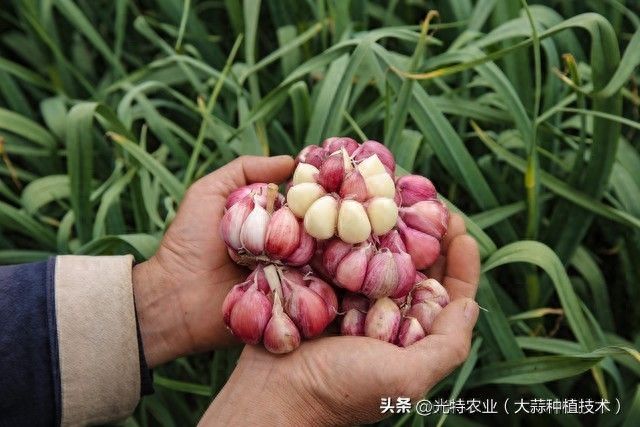
Garlic is monopolistic, high-cropping, usually stronger; medium-carpage costs are relatively manageable; and pasta, even with increased density, does not necessarily compensate for later specifications. When preparing garlic, it would be preferable to take a kilo of garlic at random, to obtain an average single petal weight and to estimate the weight needed for the whole land。
Iv. A separate calculation of the growth rate
Garlic, which is kept for long periods of time, with more tides or mechanical damage, cannot be used as a default for all germinations. A sprout test can be done in advance and if the sprout rate is insufficient, the reserve should be increased or re-screened instead of replanting the seed deficiency。
V. Pre-selection and operational losses
The whole garlic can cause wear and tear during the split, selection, transport and seeding. It is generally possible to set aside between 8 and 10 per cent of garlic quality, with appropriate increases in back-surgery, injuries or batches of mixed origin. The reserve is not as good as it is, but is based on actual sampling。
Vi. Diffusion of separate plots
Areas with high fertility and smooth drainage can be reasonably organized according to target specifications; if heavy, sticky or low-lying plots are planted blindly, the risk of post-mortem illness and inversion may be higher. The same stock of garlic is accounted for separately according to the condition of the plot and cannot be covered in a single standard。
The simplest option would be to take out a small bag of garlic, weighing, ploughing, examination bulging rates, then calculate the total number of plants in combination with net area and range, and eventually add reasonable wear and tear. The amount of seed obtained is more accurate than simply copying “how much per acre”. Are you going to expand the area this year or do you want to increase the density of acres more rationally