One: watch the planting time
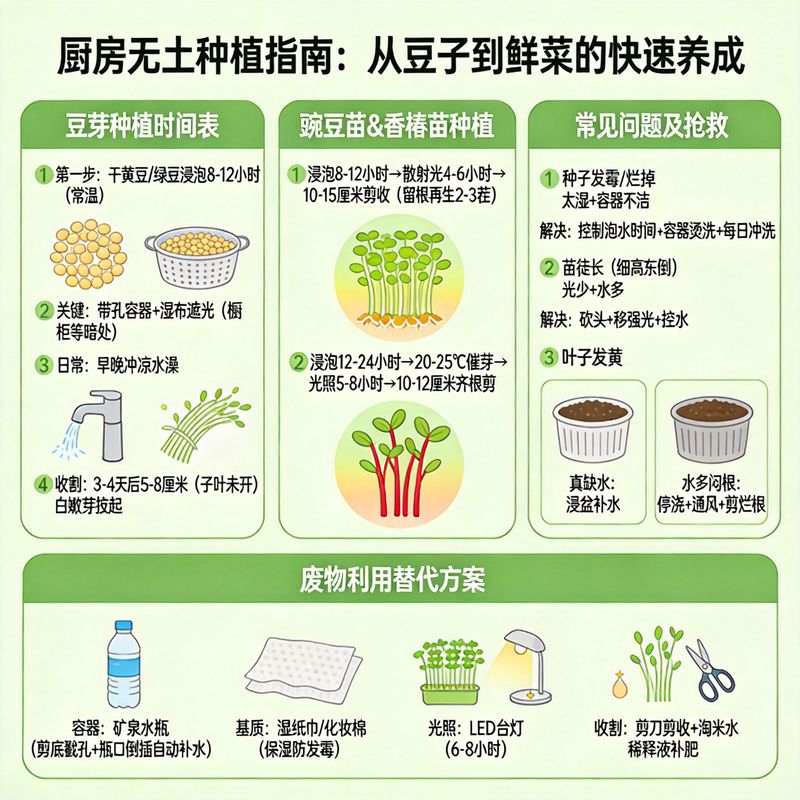
The cabbage is cool and hot, and the time for planting should be the spring and autumn seasons. The planting of cabbage in the spring takes place after the soil has been unfrozen, with planting taking place in march-may to avoid the flowering before summer. In the autumn, however, cabbage was planted in august-october, when the climate was cool, with fewer pests and the best quality. If seeding is chosen in the summer/winter, additional measures are required. If the sun is to cool in the summer, the winter is to plant in the shed or indoors。
You'll have to take two: and time
Since cabbage is usually soaked and becomes extremely crowded after seedlings are produced, it is necessary to have a seedling, which would otherwise impede the growth of cabbage and lead to the planting of small, small and long “high-foot seedlings”。
The number of saplings in cabbage is usually two, once when one or two leafs grow, removing the overcrowded seedlings, leaving a slight gap between the seedlings and the seedlings. The other was seedlings based on final harvest demand when 3-4 leafs were grown. If small seedlings are harvested, the distance is 5-8 cm; if they are grown up, the distance is 10-15 cm。
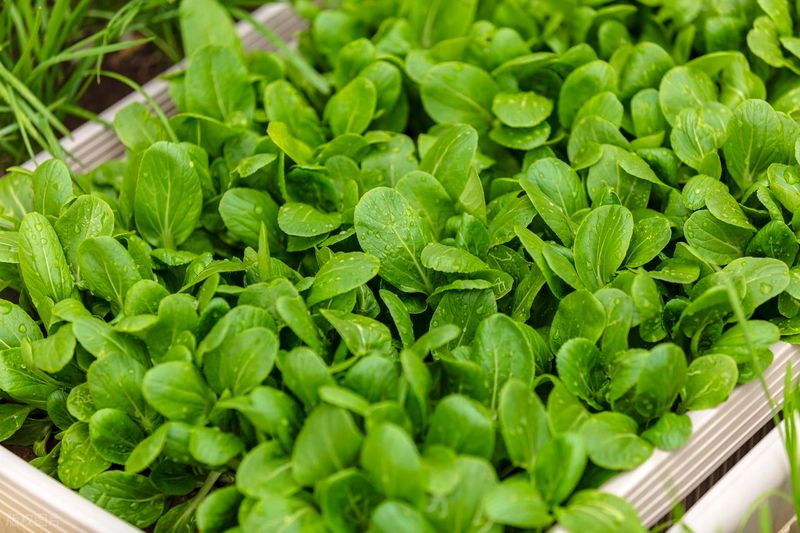
In practice, it is recommended to hold the root of the seedling to be removed with its finger and to raise it gently up, so as to avoid, as far as possible, easing or injuring the root of the seedling to be preserved. And the fresh and fresh seedlings can be eaten, don't waste it
Three: fatty
Vegetables grow fast, and demand for water fat is concentrated, but they are shallow and intolerant。
Watering of cabbage cannot be based on the principle of “dry-dry-drinking” as long as care is taken to keep the soil wet, but not to accumulate water. Watering times should also be chosen in the morning and evening to avoid watering at high noon temperatures, while during the rainy season the number of times needed to be reduced, as appropriate, to avoid the deterioration of the water。
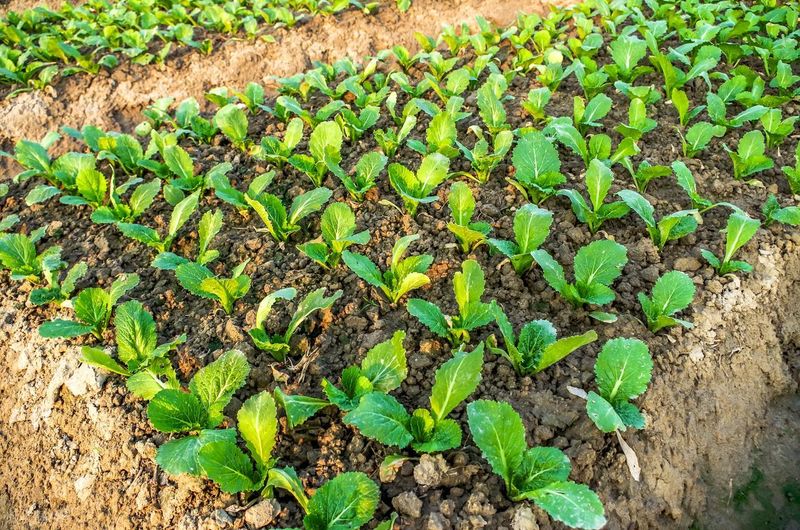
The cabbage is mainly fertilized by nitrogen, which is hard to fatten. Prior to seeding, small amounts of decomposed organic or compound fertilizers can be mixed into the soil, which can help to increase soil fertility and provide security for the growth of cabbage. When the cabbage enters the nursery and grows in the medium term, fertility can be combined with water (e. G. Fermented rice water) or a small amount of urea can be diluted 5-10 times until the colour is close to the clean water for application。
Four: early insect control
Cabbage, especially in summer, is vulnerable to pests. The cabbage is vulnerable to pests such as aphids, larvae and moths. In the case of excessive watering and heavy soil accumulation, cabbage is prone to soft decay。
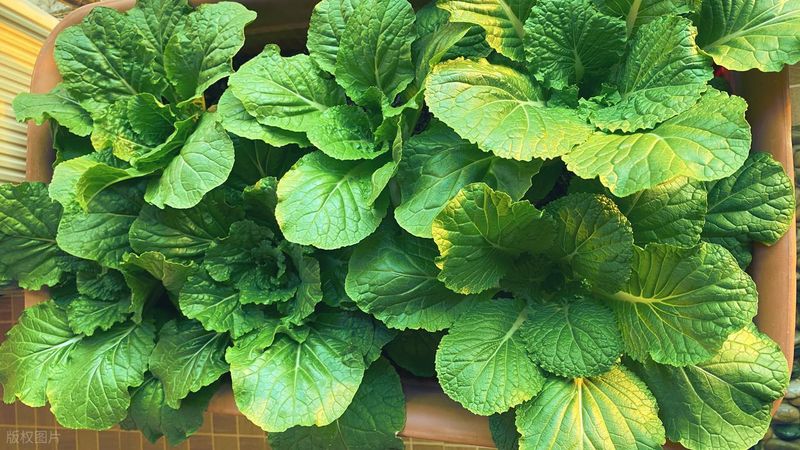
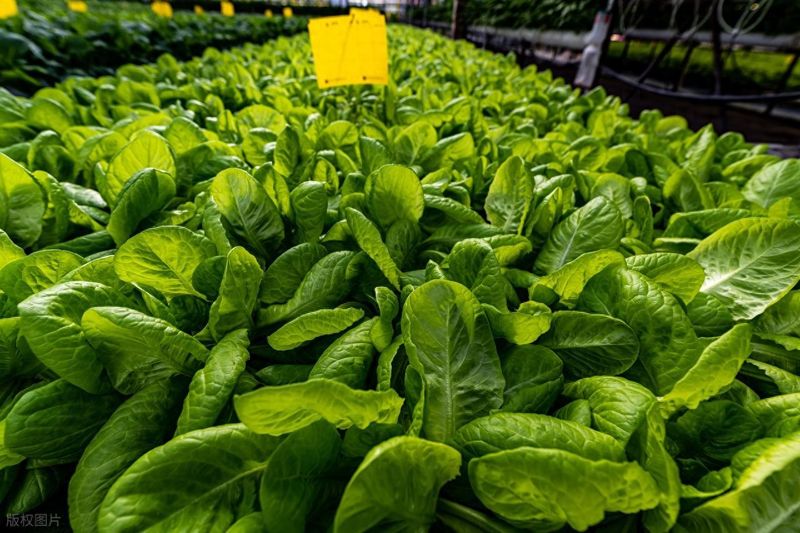
Therefore, as the cabbage enters its prime, it is recommended that aphids be lured with yellow viscos and that the geisha be hunted manually. Biopesticides such as bacillus (bt) or low toxicity pesticides such as aphids (for aphids) may be used if they are found to be in trouble or if the pest is serious。
In addition to pest control, care must be taken in the medium and late stages of the growth of cabbage to remove leaves from old and sick in a timely manner and to maintain a good ventilation environment. Avoiding chronic high humidity in the centre of the plant and breeding bacteria。