There's an old saying: "sunseeing, summer and autumn." many newcomers feel hot and rainy after lunch and are not fit to grow food, but on the contrary. A steady rise in temperature, sufficient light and abundant rainfall during the midday season is the golden planting period for many hot-speed vegetables。
In august, many family gardens had become “fruity”, with spring-plant vegetables almost aging, smoking, striking, high market prices and empty gardens. The old vegetable farmers know how to set it up early and, taking advantage of the critical node of midday, grow several types of high-temperature, fast-growing, infested vegetables, with high rates of activity and rapid growth, until the high-temperature season in august, just in the form of large amounts of ripe harvests, with fresh and green vegetables eating daily, and never enough。
Today, we are sharing the most suitable items of regular vegetables for midday planting, which were concentrated in august, with simple landing techniques, and newers can grow and fill the summer and autumn gardens easily。
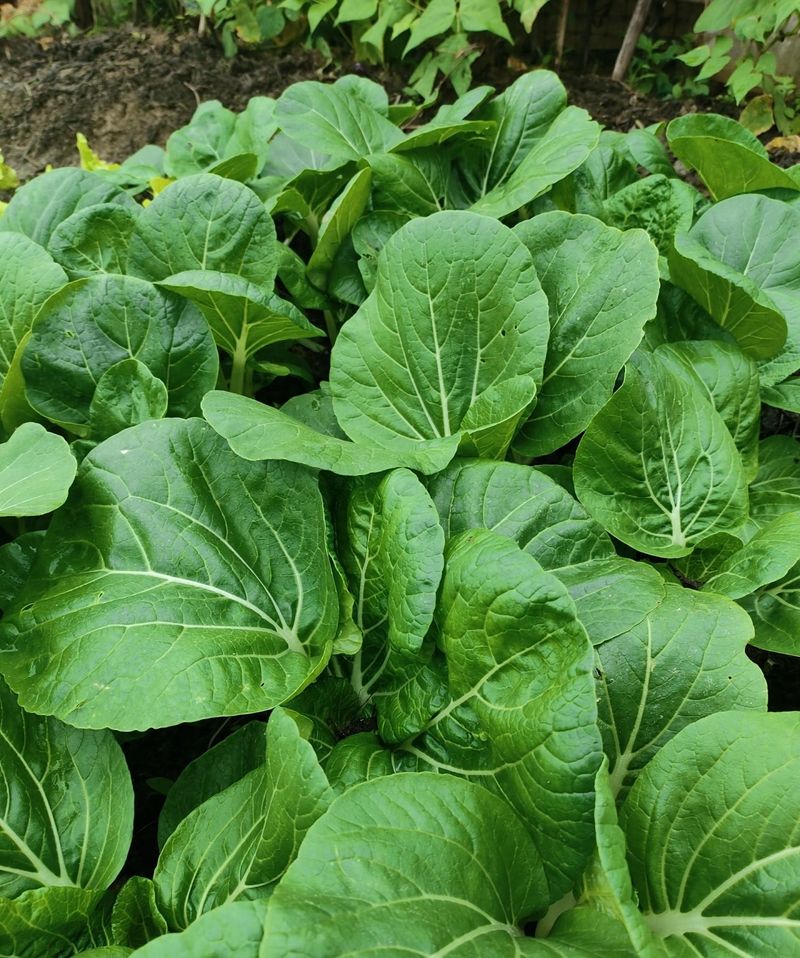
I. Empty cabbage: compulsory midday, regular summer vegetables
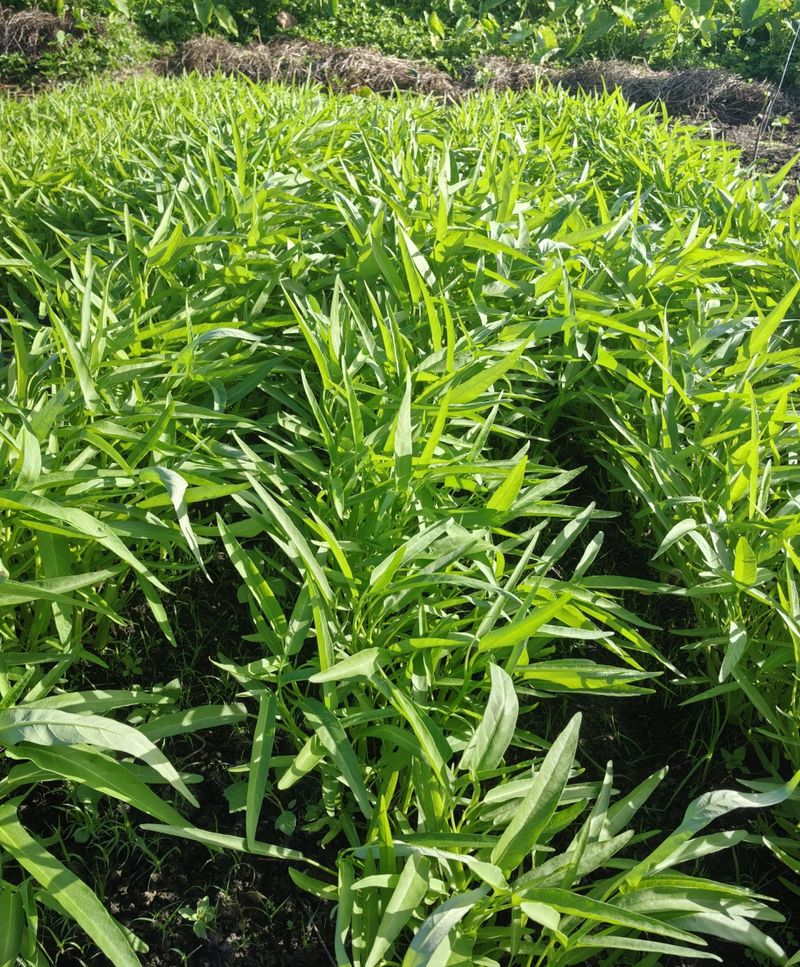
Empty cabbage is recognized as a summer “landnut vegetables” with extreme heat tolerance and damp tolerance, and the faster it grows, with perfect weather for midday to three volts, it is the first option to fill the missing vegetables in august。
Empty cabbage, which is grown at the end of the spring, tends to grow old and rough in the summer, and freshly soaked before and after noon, is the most powerful and the most tender. It is highly regenerative, is a harvested vegetable, has been cut in length, has been harvested since the end of july and has continued to produce throughout august, with more and more cuttings and higher yields。
Practising techniques
Empty cabbage is fertilized, suitable for wet soil cultivation, and can be sowed without a pickle, with a normal flat course. Seeds are immersed in warm water for three hours in advance, sprouts are sown and seedlings are produced faster and better。
After seedlings are produced, water is not deliberately controlled, the soil is moist and the seeding period is slightly fertilized. The first harvest can take place up to 20 centimetres long, with three to four nodes at the bottom, with no roots to be applied, and with more branches and longer durations。
The summer high temperature and strong light do not need to be covered, and empty cabbage is tanned, and there are virtually no pests or pests, and it is very difficult to produce green vegetables。
Ii. Hot cuisine: 3 volts undead, mass harvest in august
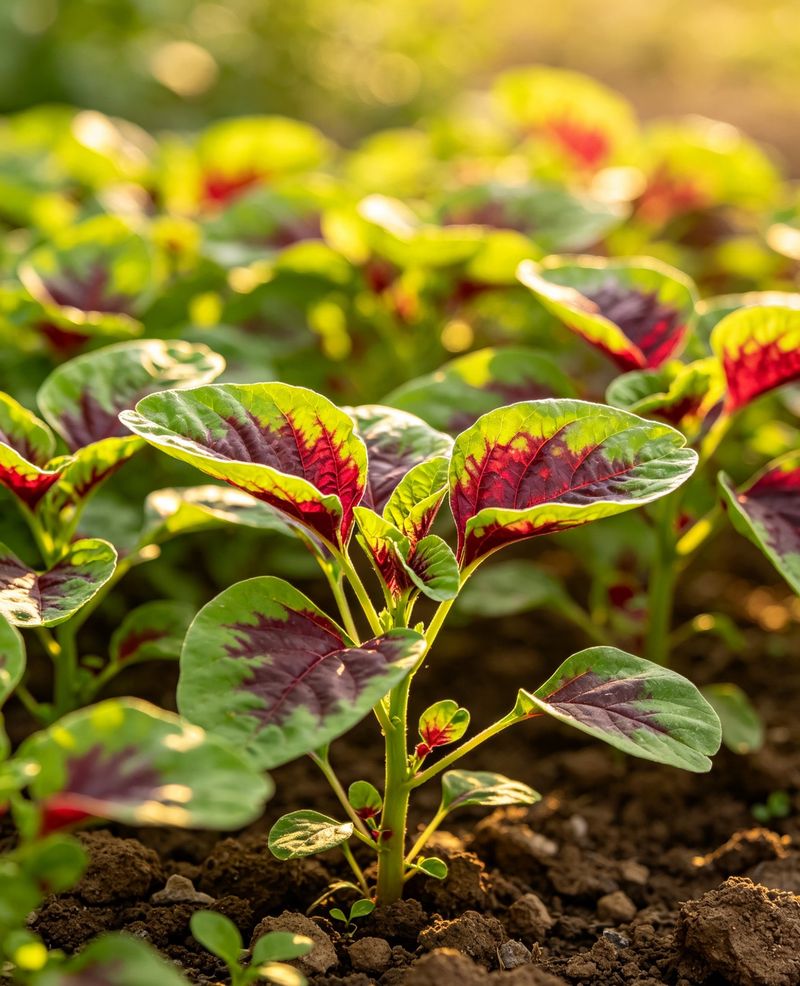
Vegetables are typical of exclusive vegetables for the summer, and the higher the temperature, the faster it grows, the longer the temperature stops. The midday seeding coincides with the best hour of life, with a long and short birth, and more than 30 days after the planting, and completes the august slot for vegetables。
Vegetables are made of red, green, soft, adaptable, open, balconies, and infertile and unscathed soil. Other vegetables in the summer are prone to illness and loss of production, except for vegetables, which are not affected by high temperature storms and which are highly stable。
Practising techniques
Seed seeds are small and sow in small pieces, so that a thin layer of dust is sufficient and so thick as to affect the seedlings。
The growth of the seed season is slow, with a rapid outbreak after the appearance of four real leaves, during which weeds are removed in time to avoid competition for nutrients. The saplings are soaked and soaked, families are advised to plant them properly, collect them in batches, eat them first, keep them growing, and collect them continuously in august。
The whole life is almost free of medicine, natural green vegetables, and it's appropriate to cook and make soup。
Iii. Autumn bean bean horns: midday planting, full shelf in august
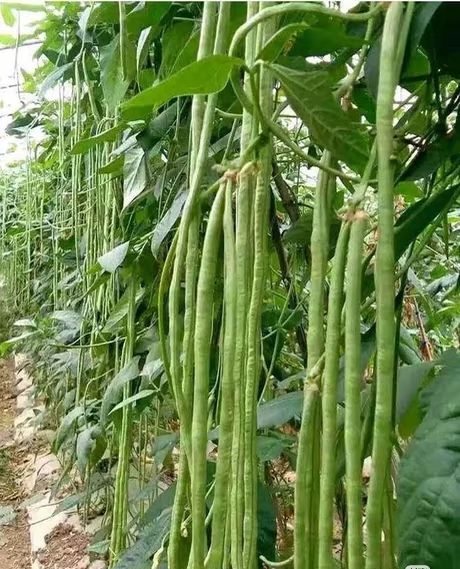
Many people only know how to grow beans in the spring, but ignore the midday soybeans and produce far more than the soybeans. Spring bean horns are prone to cold temperatures, pests and flowers, while midday bean bean beans are grown with suitable long-term temperatures, pests and pests are significantly reduced and sit-in rates are higher。
Pre- and post-morning planting, fast-growing vines, mid-july formations, august fertilisation, long-term harvest periods and a perfect solution to the summer problem of beanless eating。
Practising techniques
Beans are suitable for on-demand planting and can survive without seeding, with three seeds per den at reasonable intervals. The soybeans are the most afraid to accumulate water and grow the plots as shallowly as possible, so that they are drained and they do not die after the rain。
Water-control fattening during seed seasons to prevent vines and vines from growing and then supplementing phosphorus potassium fat. When the vines are mounted, the branches are combed in a timely manner to ensure that the air is ventilated so that in august they will be covered in soybeans and the extraction will continue。
Iv. Hot-resistant cabbage: fast-growing, short-term green vegetables
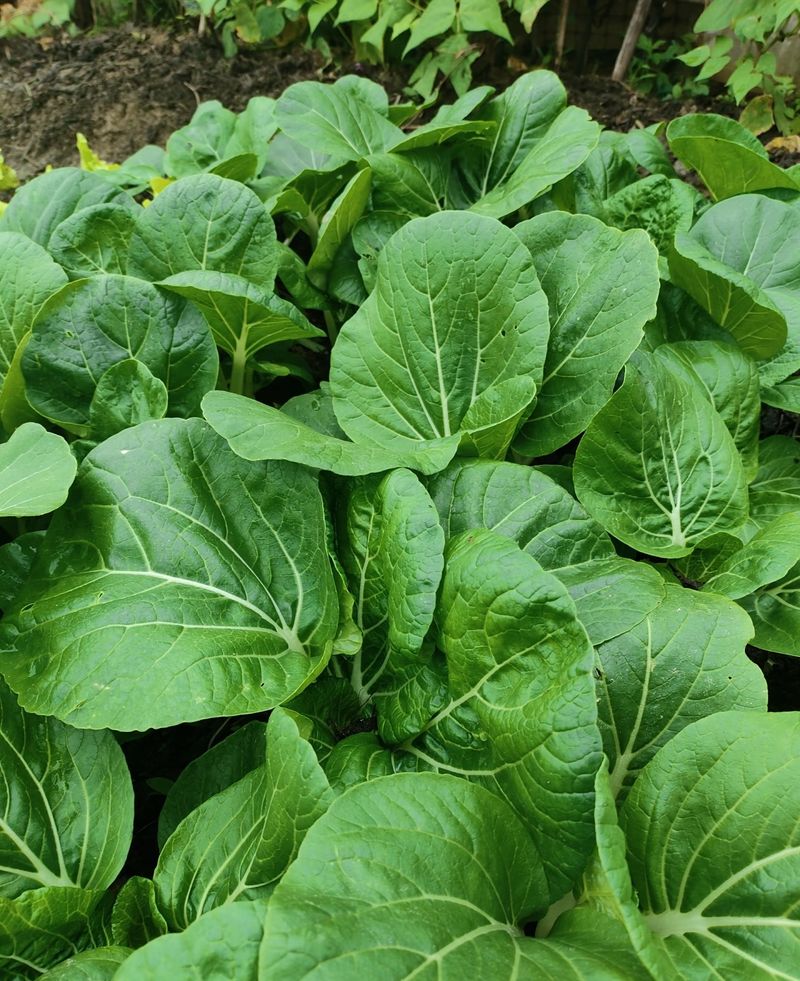
The normal cabbage, which is afraid of hot temperatures, tends to grow in the summer, which is greasy and aging, but hot-resistant, four-season cabbage, which is suitable for the summer climate, with no problem of planting at noon。
The cabbage has a very short growth cycle, matures about 40 days, grows at midday, collects in bulk in early august, is compact, leaves are fresh, does not easily draw early, and is well suited for short-term family food。
Practising techniques
In the summer, we grow cabbage, avoiding high noon temperatures and choosing to sow in the evening, with a higher rate. The soil is kept wet and dry during the seed season, which tends to lead to aging of the leaves and poor taste。
In the form of batch seeding, no one-time cropping, small pieces every other week, maturation, fresh and fresh cabbage on a august day, and no one-time ripening。
V. Ruguas: gynononoon responsibilation and central continues
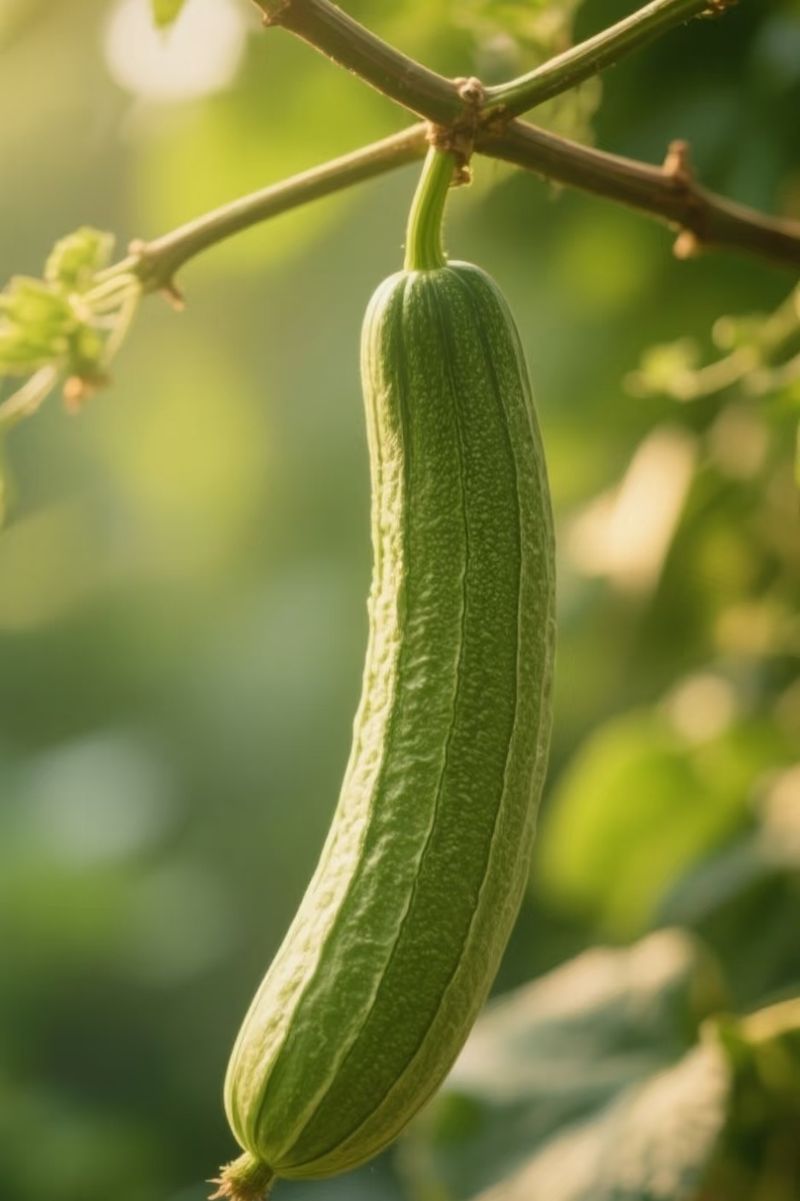
The melons are hot, wet and hot, and the temperature at noon is stable, and they are the last gold period for planting them. At that time, the guacamole was planted, with slow seedlings and no hypothermia, and in july it was full of scrambling and august it entered the ferocious season, with large and sustained harvests throughout the summer and autumn。
During the summer, many guacamole and vegetables are prone to early decay, and the silk melons are extremely resistant. As long as the water is fattening and the water is not strewn, they continue to bloom, making them the most expensive guacamole and vegetables in the summer。
Practising techniques
The silkmelon chooses to be planted in the middle of the sun, so that it can water its roots and soak faster. • accompaniment of the chicken in time to trim the ineffectual side branches of the base and concentrate on the feeding of the chicken。
During the flowering season, the soil is kept moist, a small amount is replenished with thin fat, and in august, the guacamole was strewn, and cannot be removed at all。
Core management points for lunch-breeding, easy and high. Production
1. The root causes of water scarcity are abundant in the summer season, with all vegetable fields rising as shallow as possible, leaving drains and drains, and then draining in time to avoid oxygen depletion。
2. Fatty and indigence: high summer temperatures, prohibition of strong fat and fat, easy to burn roots, and long-term low levels of complementary fertilizer to meet growth needs。
3. Miscreased seeding: quick-leaved vegetables are planted in batches, and melons are planted in due course, avoiding concentration and maturity and achieving long-term harvesting。
4. Weeding in time: weeds grow fast in the summer, weeds are regularly cleaned and water fattening is avoided。
Summary of text
It's easy to grow food, and it's easy to catch up. A suitable midday temperature and adequate light is the golden window during which summer vegetables are planted。
Vacuums, cabbage, hot cabbage, pickles, silk melons, which are warm, resistant and well prepared, are fast growing in the afternoon, and fill the august vegetable slot perfectly. There is no need to buy food, there is no need to manage it carefully, there is no need to collect it, there is no need to save money。
Topical interaction
What kind of summer vegetables do you grow every afternoon? What do you think the best and most productive food is in summer? Welcome to the comment section to share your experience in growing vegetables