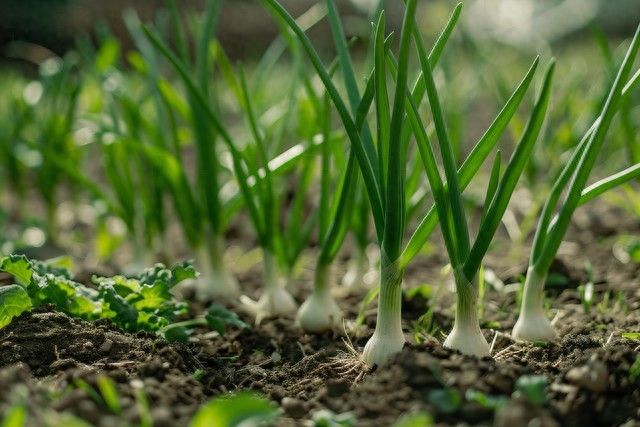
Rural households grow garlic, whether in small gardens or on a large scale, which is a cash crop with a high value for money. It's a good option for farmers to raise their incomes。
But many old people grow garlic from year to year: either out of thin, empty or weak, or out of low levels, with low levels and small amounts of garlic, the most important thing is that the garlic that is sown is light, not fragrance, and taste is much less than others. Many people thought it was soil that was not good, water that had not kept up, but the problem had been buried since the first day of planting, and it was the most taboo core mistake of garlic, with 90 per cent of the farmers stepping on the pit。
The fatality zone is the early and early handing out of garlic and the long-term bare storage of garlic。
A lot of people, in order to save themselves, had to open their whole garlic head half a month or even a month in advance, filtered the garlic bags and stored them, waiting to plant them when they were free. It appears to be pre-prepared, time-saving, and directly overstretching the entire nutrients of garlic, which is the root cause of the poor and poor taste of garlic。
It should be clear to all that complete garlic is a protective layer and that the skin is firmly locked into the water and nutrients of the garlic petals and is in the best state of hibernation. Once broken by force, fresh wounds will occur to the garlic petals, and water will continue to evaporate without protection from the skin, and internal nutrients will continue to be lost and consumed。
The longer it's stored, the worse it gets. The seeding is followed by a series of problems: a significant delay in the seeding time, normal garlic is available for 7 to 9 days, early-disturbed garlic tends to take more than 10 days to germinate, and even some of the garlic is flattened directly in the soil, leaving the fields empty. Garlic seedlings, which are barely seeded, are also congenitalally malnourished, with weak roots and small leaves, and are not fattening at any later stage。
More importantly, the spicy taste of garlic is entirely dependent on its own accumulation of dry matter and nutrients, the loss of nutrients is consumed early, the natural spicy, fragrance of mature garlic is low, the production and quality are declining, and the sales face and the prices are not keeping pace。
All farmers are given the right skills to grow, which are simple, operational and cost-effective: the garlic plant is determined not to plant in advance. It follows the principles of graft, selection and sowing。
A few hours before seeding, the garlic is opened, and a high-quality garlic is selected with full head, no cracks, no stains, no pests and no dry, weak and injured garlic. It is fresh, full of nutrients and the strongest of activity. It takes its roots quickly, grows fast, grows strong, is full of garlic, and has a heavy smell of garlic, and produces a single product。
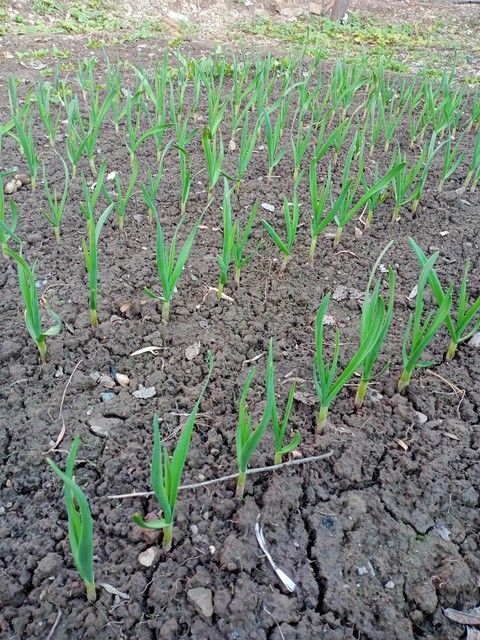
In addition to this core taboo, the sharing of practical pit avoidance points from garlic cultivation among rural growers is a lesson learned by old farmers and can be a success for newers。
First, avoid planting time lapses. Garlic is sowing in due course, and the best time is after the white show, late september to early october. They grow too early, they grow before the winter, they overwhelm, they become less resistant to cold, and they tend to grow deformity. Garlic petals; seeding at too late, the temperature is falling fast, and if the seed system is not stabilized, it is exposed to cold freezing, springing to death and a severe decline in production。
Second, rational water is not blind. It's a big mistake for many people to feel that extra fertilizing is a high-yielding, blindly fertilizing nitrogen. Overweight nitrogen can lead to long garlic seedlings, soft leaves, easy to fall back, slow-growing garlic and poor quality. The pre-grain cultivation period was dominated by potassium phosphorus fertilizer, which boosted the seedlings, followed by a small increase in fertilizer, followed by dry and wet water, protected from heavy water and prevented rotting petals。
Thirdly, there is a lack of cultivation. Garlic cannot be grown on the same land over the years, with heavy strains that accumulate soil disease, pest residues, causing high levels of endemic disease, as well as withering of garlic seedlings and a high incidence of rotting roots, growing from year to year. It is recommended that crop rotations such as maize and beans be used to effectively improve soil quality and reduce pests and diseases。
Rural farming is now a major area of support for the three farmers, with fresh crops such as garlic, ginger and fruit and vegetables, with high downfall market flows and stable demand, and a steady increase in state support for farmers. Many farmers do not know that scalding garlic can be used to apply for special preferential farm subsidies, including special farming subsidies, farm land protection subsidies and plant equipment subsidies。
There are no uniform standards for subsidies, time limits and conditions for filing, and there are no uniform national standards. In order to apply for subsidies, the local agricultural and rural directorates and village councils must be consulted on their own initiative and submit information in accordance with official processes to avoid missing policy dividends。
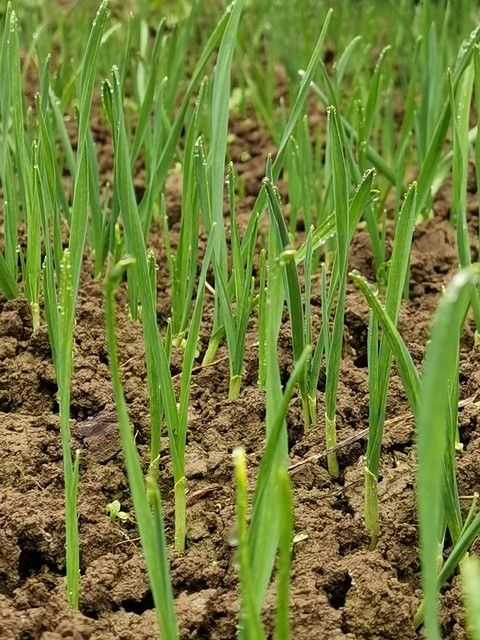
At the same time, there is no need to worry about the market. In addition to local fairs and vendors, rural electricians, short video-tapes and local group purchases can be relied upon, as well as agricultural buying cooperatives, wholesale markets for produce, where mature garlic, garlic and garlic can be acquired on demand, provided they are of good quality, sold and earned。
In addition to garlic, rural poultry aquaculture, fruit tree cultivation and chinese medicine cultivation are now high-quality breeding projects. Whether it is small-scale seed testing or the scaling up of old farmers, the core is to avoid planting faults, learn technology, eat policy and find the right market for steady gains and losses。
There are no shortcuts to farming farming, but as long as basic faults are avoided, practical skills are mastered, and policies are well implemented, it is also possible for ordinary farmers to make small farming a good industry with a steady yield。
This paper, which is intended for the public information and documentation of the three agricultural policies, farming technologies and the general public, does not constitute a guide to entrepreneurship and a commitment to profit。