1. Reproduction methods: reproduction methods are divided into adhesive and monoculture。
2. Cultivation: a planting density of 1 x 2 m is appropriate, with planting going to the established dens to apply sufficient base fat。
3. Orthopaedic trimmings: the main branch is usually in the form of a natural happy branch, with a total of 3-5 branches retained. During the larvae period, emphasis is placed on the development of the main branch, the formation of the branch after the beginning of the first fruit period, the cultivation of the branch during the ferocious period and the renewal of the large and medium branch。
4. Day-to-day management: strengthening a range of management practices such as pine cultivation, weeding, water fertilization and wiring。
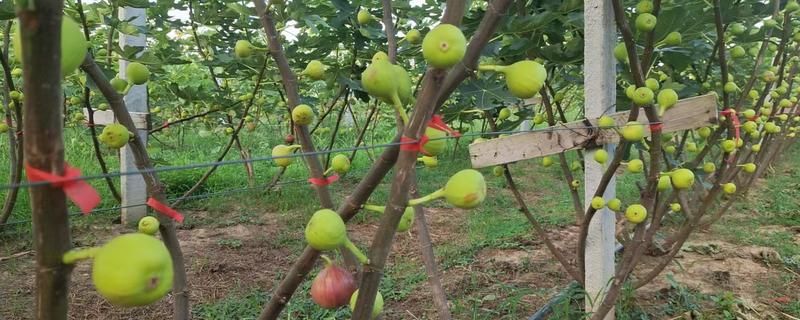
I. Frozen fruit breeding methods
At present, figs are grown, mainly by means of adhesives, strains, barbs, etc., which are most frequently used。
I. Implant reproduction
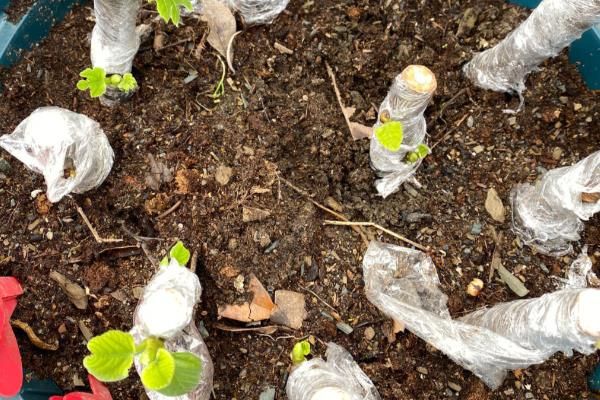
(1) in the second half of march each year, a single-and-a-half-year-old, unspruced, short-term, thick-and-breeded, around 1-1. 5 cm, cut into a 30-50 cm-and-cm plug, open a ditch at a distance of 50 cm, and tilt the plug into two-thirds of the soil, while the rest of the soil is exposed outside the soil, then the soil is pressured, and water is subsequently wet。
(2) in the summer, half-timbered green branch plugs may be selected, rooted after a month or so, and grown after a year, and may be stored in wet sands for about 30 days, after which the plugs form the tissue of the wound。
2. Division of reproduction
In february-march of each year, separate plant planting is carried out, with cave-opening at a distance of 3-4 m x 3-4 m, prior to planting, with cutting, removal of secret branches or dead branches from the plant and the best planting before the tree fluids flow。
Ii. Standing
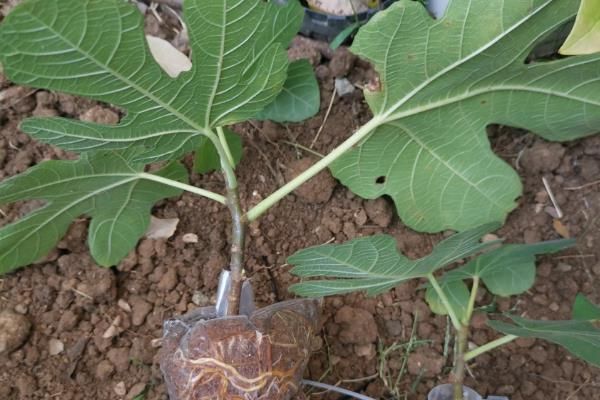
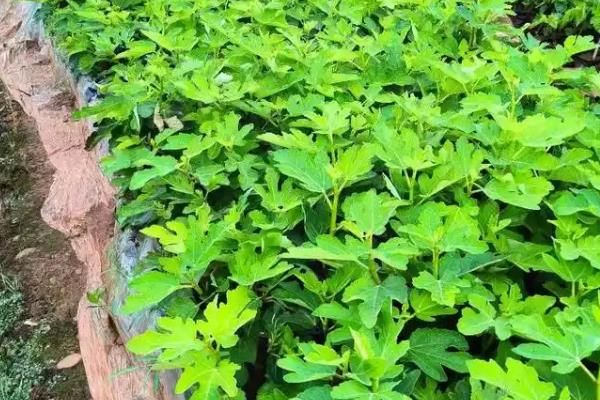
1. A flowerless fruit can be planted in a pot or in a field, slope or courtyard, preferably with an appropriate increase in density, using 1 x 2 m, a single pit at a depth of 50 - 70 cm and a diameter of 40 - 60 cm, filling the pit with human animals, poultry dung, green manure, pie fat, or chemically compound fat as base fat。
2. The northern part of china is best established before and after the dawn, while the north-eastern part is built before and after the rain, and the southern part can be replanted after the fall of the leaves, but without the flowering outcome period。
Iii. Intracting
1. Plantation is usually trimmed by the main branch, which is naturally happy, in the form of three-to-five branches, without side branches, so that the main branch is born directly on the main branch。
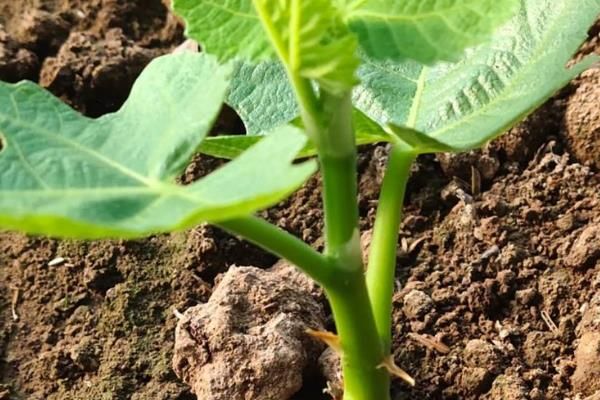
2. During the larvae period, emphasis should be placed on the development of the main branch, raising its angles, causing it to grow more branches and promoting the rapid expansion of the canopy; after the plant enters its early years, the plant must grow more branches and increase production to a certain extent; during the festivities, the branches must grow more branches, and the large and medium-sized branches must be renewed and the weak branches may be cut short; if the plant is old or the pest is more severe, the branches and branches may be re-planted on the basis of the plant or on the branches or on the incubation。
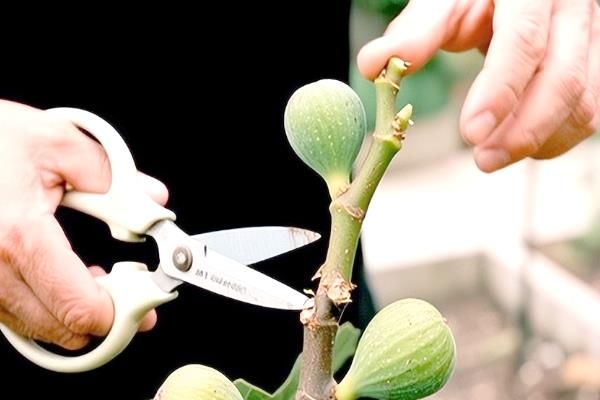
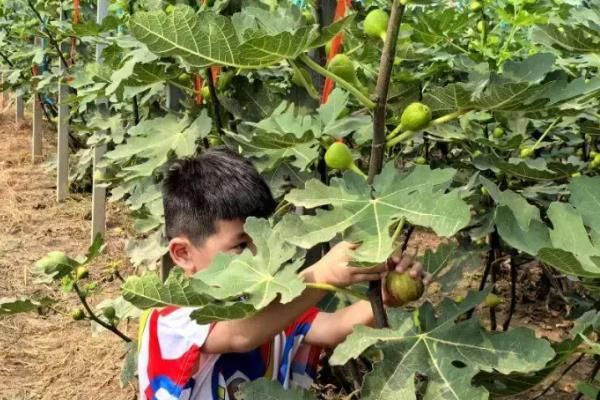
The months of march and july-november are a fruitless period, where a summary is usually taken in the morning or evening of the sun, where the top of the ripe fruit is slightly opened with a small hole, where the colours of the species inherent in the fruit sheet can be picked up, and where the precocious figs are not transported and stored。
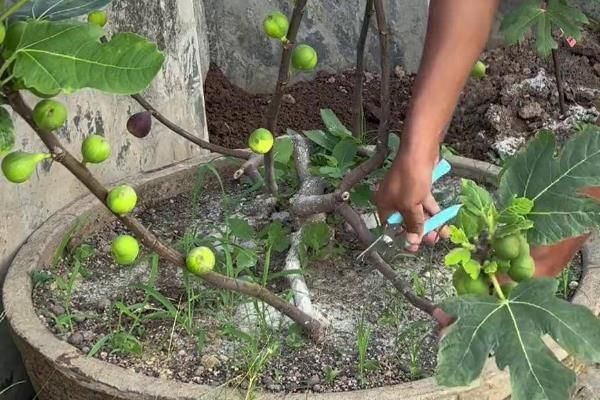
Iv. Daily management
1. The planting of planting plants is followed by pine soil, weeding and the pursuit of human urine or ammonium sulphate at one time in june and july, and is followed by the cultivation of tree crowns in the form of non-layered trees or the natural happy tree of the main branch, with the option of drying at a height of 50 cm in the trunk, retaining 5-7 branches on the stock and filling them with appropriate side branches。
2. After the styling of the trunks, shears are regularly performed on a daily basis, the shears on the plant are removed, the insect branches and the dead branches are removed, and the shears are carefully cut. If the harvest is mainly for autumn fruit, two or three sprouts can be briefly contained on the outcome branch, and if the harvest is mainly for summer fruit, it is advisable not to make a short cut。
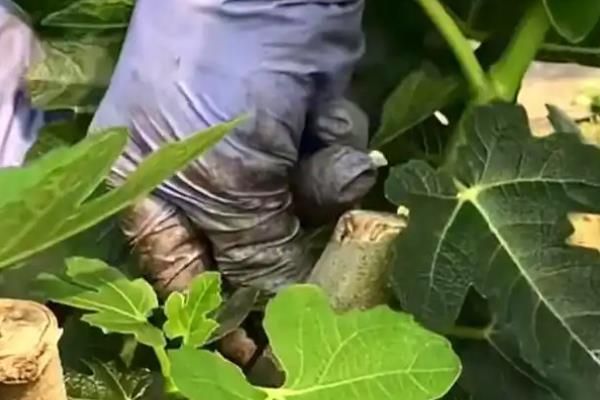
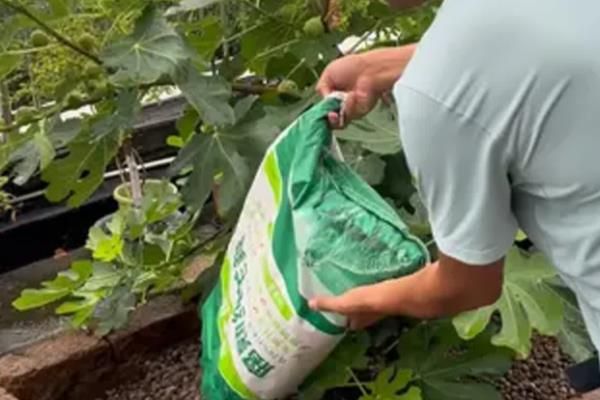
3. In the long term, young figs must be fertilized periodically, usually about 5 kg of decomposed fertilizers per plant, around 40 cm from the root, and a minimum of 1 kg of fertilizer in the case of plantless fruit. Growing-age plants are required to distribute about 15 kilograms of grown-up farm fertilizer as a base before and after the fall of leaves, and catch-up is the best option for new and longer periods of rapid expansion of fruit。
4 the figs are more fertilized, with a preference for the application of potassium phosphorus fertilizer, and the ratio of potassium nitrogen phosphorus in general is best controlled at 0. 5:1:1。
5. Drought-resistant but intolerant figs, the demand for water during new and growing growth periods is greater, but if planted in areas with long-term impregnation or heavy water accumulation, flowers, fruit, leaves and even death are more likely, drainage facilities are established in gardens, and pelvis-free fruit is expected to be drained, especially during the rainy season, and rain-covering and refilling water control of pelvis-free fruit is required to ensure normal growth。
V. Pest management
The unique odor of figs, which emit in the long run, attracts the danger of sauna cattle, and when the fruit matures, it is vulnerable to birds, who, in addition to being able to manually capture and excavate sauna cattle and birds, can be eliminated by artificial or pharmaceutical means, and birds can be driven out of their fields with straw and plastic tape。