Waiting for a year, it's the season of trees below the mausoleum. A mausoleum in his hand is a happy time of hot summer。
Not only are walnuts, but from the beginning of the summer of june, there has been a wide variety of native fruits and a long summer。
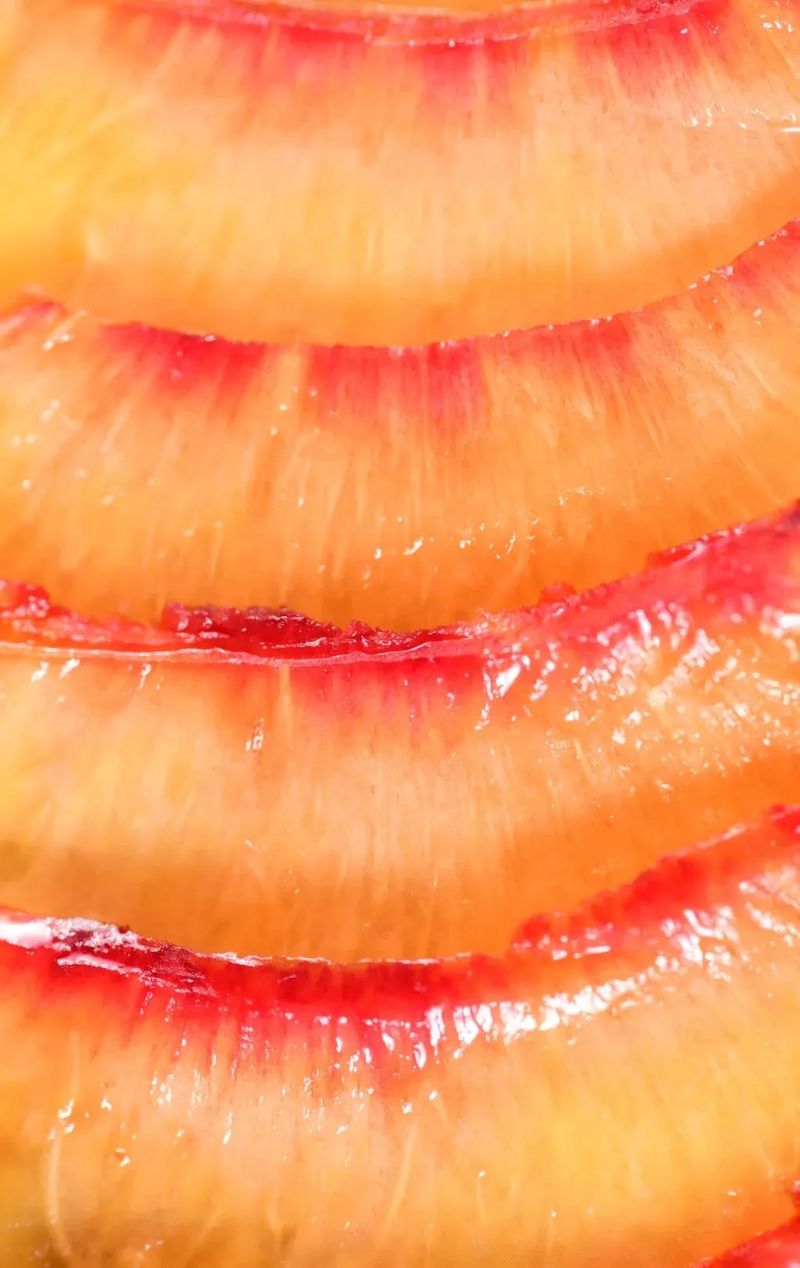
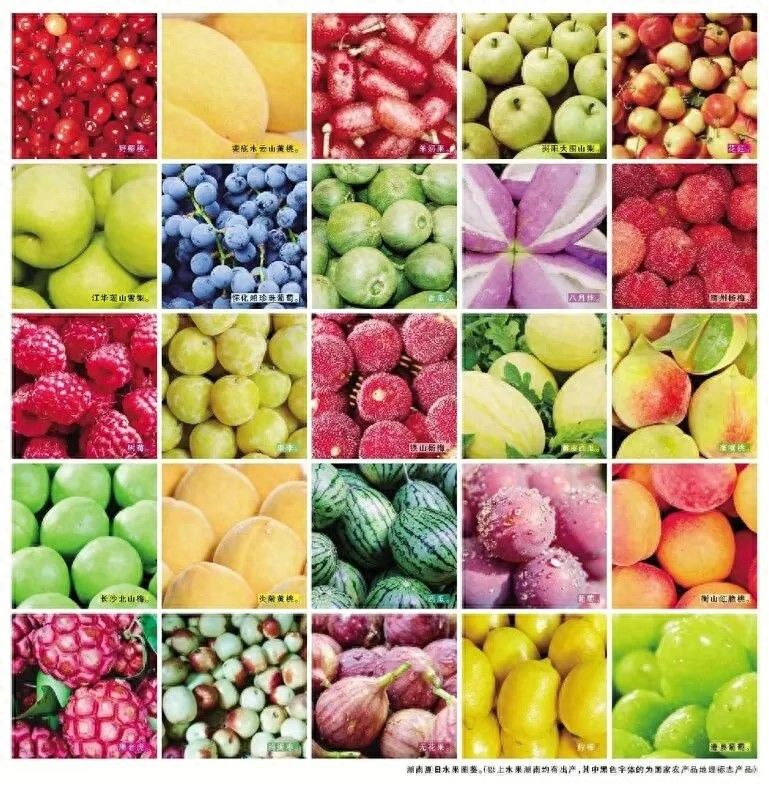
Fruit is the thermometer of summer. The northern plum of the early summer is the most suitable for making green plum wine; yang mei of jingzhou, the best taste time is only a short half-month; the cherries of the mountains are the indigenous species of hunan, which matured in the early summers; the cherubs of the river's pineapple and pineapple are born “early ripe” and avoid intense competition in the autumn pear market; the grapes of the prefecture, full of summer sun; and the walnut season, which is an event in the summer of hunan, which is a fragrance of walnuts, euphors and cucumbers. The fruits of the summer, and the fruits of the summer, to heal it, and hope and care。
Fruits have long been free of time and space, and long-term food for fresh twigs and even for fresh fruit in the americas is no longer a luxury and does not require a long-distance relay of national mobilization. But fruit, after all, has strong geographical attributes and a strong home-grown taste that cannot be replaced by external “fruit assassins”. Today, we will all taste the unique sweetness of hunan。
In the eyes of the field, hunan summer was hot first and hot second。
In fact, if you're always running around the country in hunan, you'll find hunan's summer is sweet. The pears surrounding the mountains, the peaches of the inhospitable mausoleums, the plums of your city and the grapes of the plains of toyako are the sweets of hunan summer。
The subtropical monsoon climate, hunan, is a grain barn and a basket of vegetables, but it is not a choice for fruit, which is difficult to produce. However, for three days, seven points are destined to be fought, and hunan's fruit farmers, working in the mountains, cultivate a world of fruits that is unique to hunan's sweet summer。
Hunan has geographical marker products in more than a dozen countries, such as the mackerel mackerel, the grapes of yanzhou and yang mei, which have become hunan's business cards, absconding the bitter summer of hunan, comforting hunan's homeland, and allowing more outsiders to know that hunan tastes not just spicy, but a little sour and sweet。
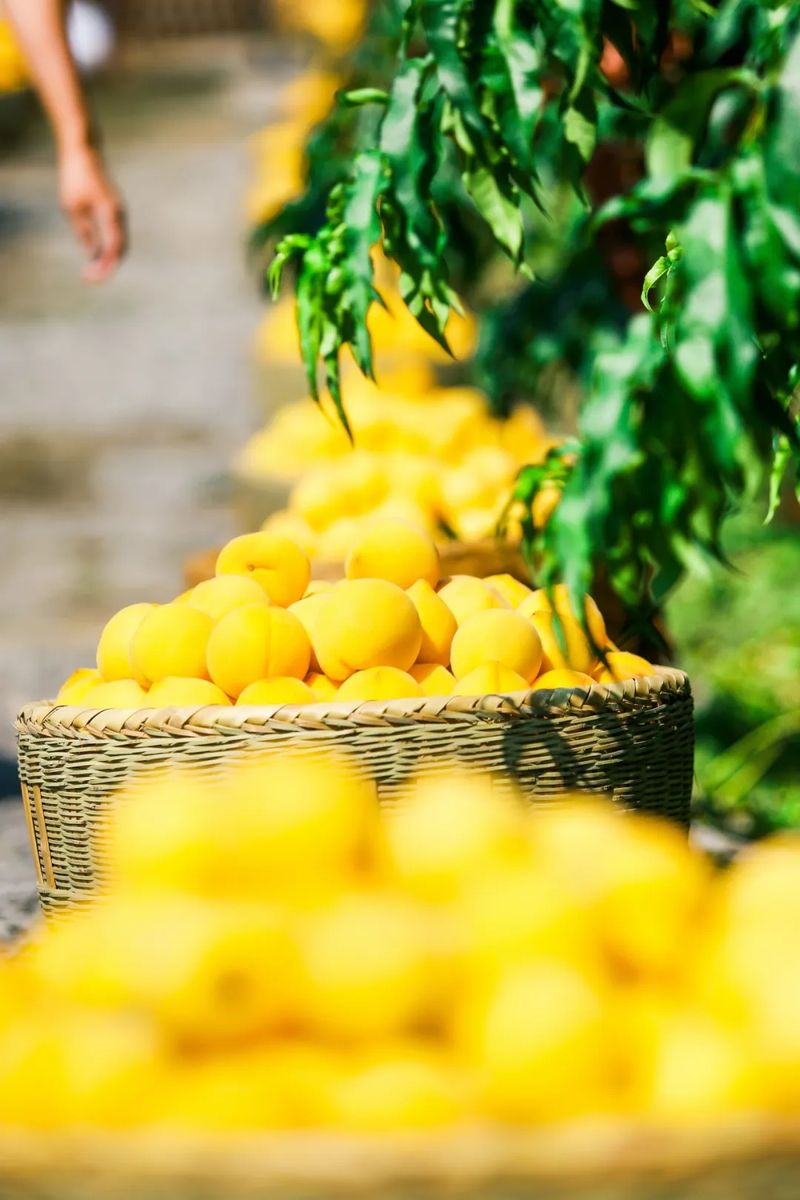
Hunan summer, starting with may
The hunan summer fruit season was opened by green may。
Qingmei fell out of the tree when reza arrived。
Qingmei was planted in the northern hill town of changsha county, where mei-shin was snoring. It's just that the taste of green plum is not as sweet and friendly as it looks, it's inherently sour, it's hard to get in, it's eating directly, it's out of control and it takes a lot of courage。
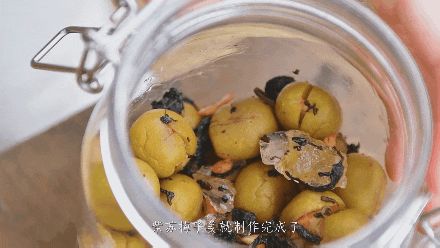
The sweetness of green plum is hidden, and green meddles are used to make wine. After the green plum pick, when it is processed, dry, added to the glitter, and then sealed with white wine, a month later, the wine is done, the taste is sour and the wine is so rich. It's better to taste the secret sweetness of green plums by making them purple succulent plums or green plum sauce. The sour, sour, sour, sour, sour, sour, sour, fork-burned, and roasted meat ribs are all the best。
When the wine is made, the yang mei of hunan is red. Although both are called may, they are completely different fruits, the former belonging to the dragon brain spectrum and the latter to yang mayko. The most spectacular view of the yang mei in hunan is in the bellies of the fruit. Yang mei of huaiyang state has a long history and is well known outside, and yang mei of yang dynasty of yang dynasty is a royal tribute, and jianmei of the wood cave is particularly famous, with a local oil poem: “the hundred dollars and the money, the hate, the hatred, the desire to grow up in kyoto”. Jingzhou, which is surrounded by subtropical green forests, provides the best place to refine a yang mei. Yang mei of yangzhou is not only on-line but also juicy and sweet. Jianzhou, which produces more than 1 million tons of yang mei annually, has become the yang mei export centre in the south-central region。
Hunan also has a yang mei known as tieshan yang mei, also a product of geographical indications of the country's agricultural produce, from the iron mountain village of the town of slags in luang dynasty。
The history of iron mountain villages growing yang mei dates back hundreds of years, and the 100-year-old yang mae tree that the village retains is the best witness. At a time when mineral resources are flourishing, yang mei is only the sanctuaries of their lives, and when mineral resources are depleted, yang mei becomes the most important industry in the village. In addition to old varieties, new varieties introduced from the zhejiang have taken over the open areas of the village, and yang mei trees have been planted in the hills and in the front yard. During the seasons, the mountains are red in the green, white in the red, in the forest, in the sound of the mouth and in the sharpness of the spirit。
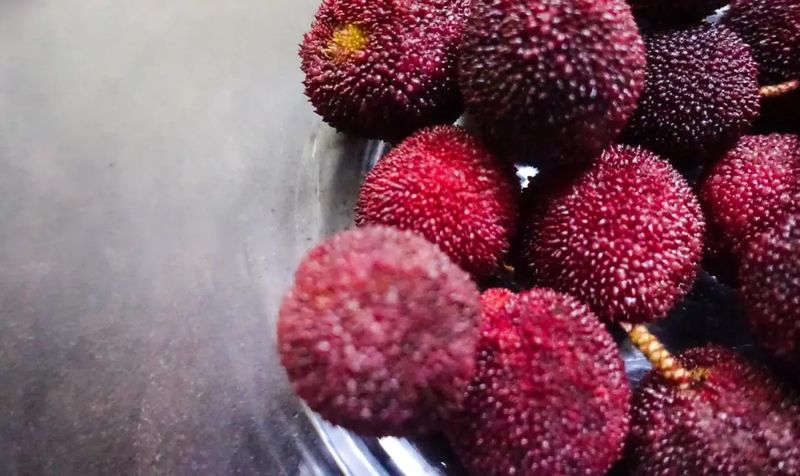
Peach licp, it's the hunan fruit season
Yang mei's best taste period is only half a month, and, well, as soon as yang meiji ends, hunan's hottest peach lee season begins。
In mid-june, the cranberry is ripe。
The cherries are the representatives of the hunan native peaches, and because of the red red fruit of the fruit, there is an image called "peach of the pig" which tastes sweet, thin, and denuclear and is a rare species。
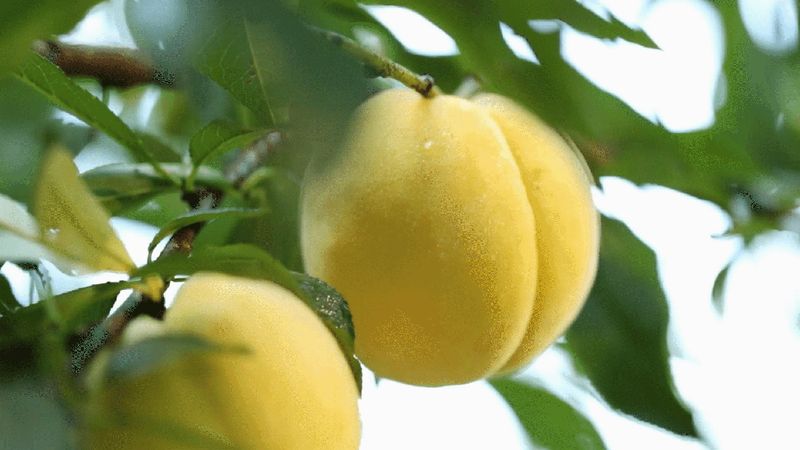
The frown is the "fruithead" of the hunan peaches, and the next walnuts are the real fun of the hunan fruit season。
In hunan, speaking of walnuts, the first thing that comes to mind must be walnuts。
Peach, not hunan native. In 1987, the inflammation hills ushered in the era of the hunan walnuts by introducing the newest species of fine walnuts of choice from the shanghai city academy of agricultural sciences. The mountains of the inflammation mountains, 300-1400 above sea level, are the promised land of walnuts. The mountains of the inflammation hills are characterized by high temperatures of day and night, with more sugar accumulated, high levels of sweetness of up to 17 degrees of sweetness and high pigments, diverse tastes and fresh tastes, which, if they are ripe, will fill their mouths with pure sweetness and fresh fragrance。
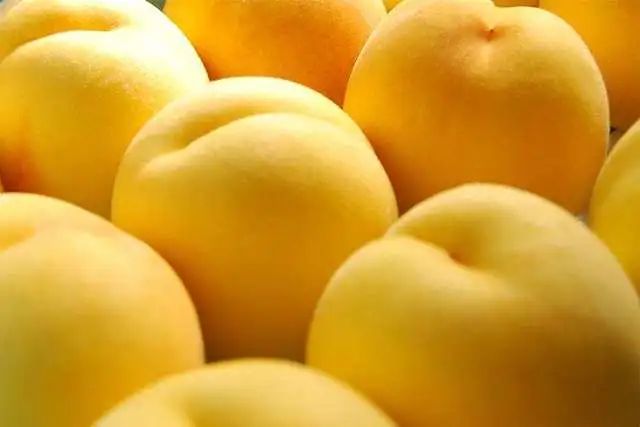
In the first place, the prizes were soft, ranging from the country’s geographical marker product to the green food certification, to the 10 major agricultural brands in hunan, and china’s agricultural flagship products. In 2022, the area under cultivation was close to 100,000 acres, with nearly 40,000 fruit farmers growing it, i. E. Nearly one fifth of the population growing it。
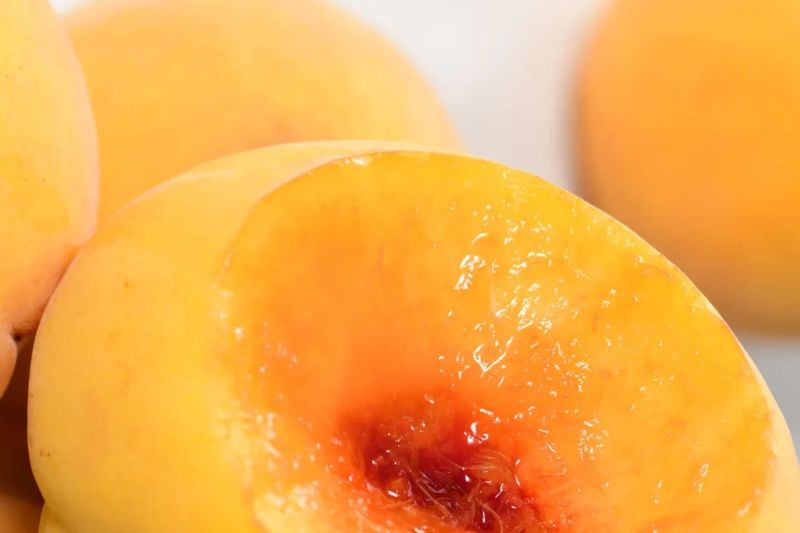
In recent years, hunan's walnut legion has grown stronger, in addition to the ferocious walnuts that have sprung up by foreign forces, as well as the lumbery clouds of cucumbers, pheasant walnuts, quidong cucumbers, and so on。
With peaches, hunan plums are more like a low-key sweeper, green leaves for peach plums. Peaches and plums are a set of strong “cps”, words such as “peach peach plums” and “peach peach plums”。
As one of the oldest and most widely grown fruits of our country, plums are red and sweet, but they never compete with peaches, appear with peaches on time each year and leave a piece of their own sour sweets。
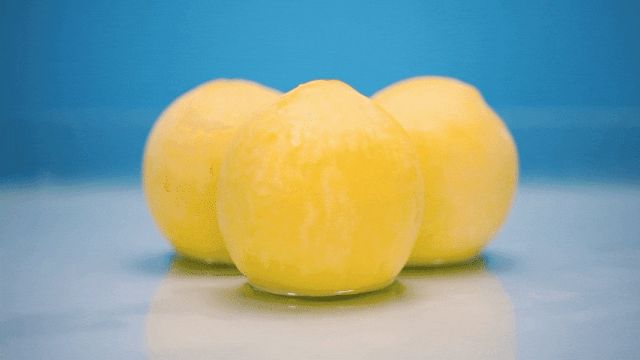
Hunan's plums, without a national geographical marker product, cannot be ignored. The chicken-blooded, colorful, skin-skinned, small, flesh-skinned, the best thing to do, and the best thing to do with the words lee and the weird ones. Chun hua li, changsha county, has a thin skin, a red colour, a fine flesh, a sweet sweet smell. But chun hua li is so “proud” that moving out of the country is not going to work. Sugar lee is a traditional and well-known fruit type in jinshan county. Your city is so sweet and soft。
Please hold on to your stupidity, wait. In a few days, we'll have a real walnut season. It's just that when you taste peaches, and don't forget its cp-plum, which is sour, it's a full summer。
Haonan's "chea pear" is a bit of a rush
Pear, like tomatoes, has a strong “northern” and is named after autumn. Pear, fall。
However, in hunan, in addition to the familiar “gin autumn pear”, there is also the sexual “chem pear”。
It began at the end of june, and earlier than it was yingzhou's zhushan sydney, which matured into a tree in mid-june. It was about 40 days earlier than the oldest pear in the north, and 7 to 10 days earlier than the pre-established southern pear. This perfect time lag is enough to allow it to go ahead and seize the pear market ahead of time without any suspense。
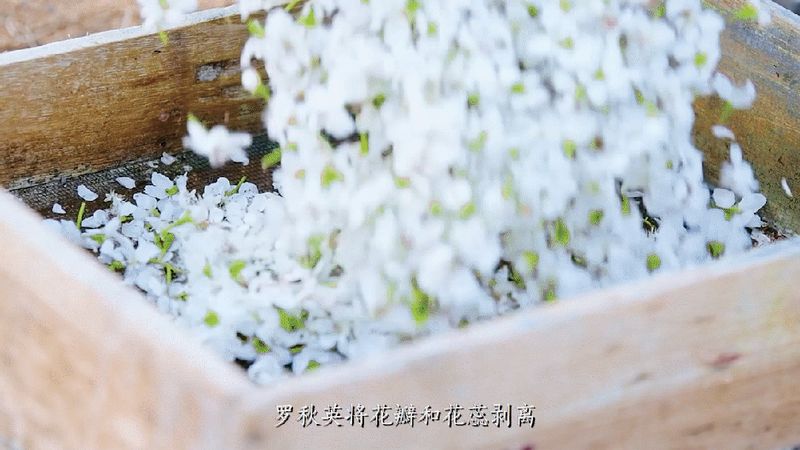
Pears belong to temperate fruit trees, like cold weather, and the more northward, the better they grow. To date, the vast family branches of chinese pears are located in the provinces of north-west china, north-east china, north-west china and the yangtze river basin, with anhui, hebei, shandong and liaoning as the most concentrated production areas。
As an “advanced” species of pears, sydney is more demanding for the environment and soil. At the southernmost end of hunan, jianghua has its ideal growth environment. The precipice and its arteries cut across the territory of jianghua, with the north, south and east high and the west low. On the ground, jianghua acts as a “port” that both prevents the cold air from entering the air and prevents extreme temperatures。
This unique geographical condition, which brings the average annual temperature in jianghua to 18. 7°c and the frostfree period to over 300 days, is the “natural greenhouse” growing in sydney. It is also a water source, a dense stream of rivers in a reckless mountain forest, rich groundwater resources, with no source of pollution for dozens of kilometres, and a constant source of energy to supply the water needed for sydney to grow in the long term。
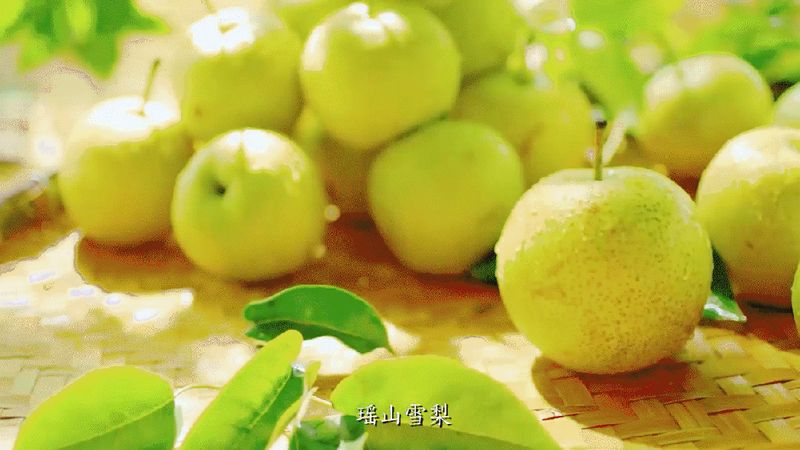
And in the growing snow of zunan is a strange grain of fruit。
There is plenty of water, and it's clean, and it's one third more juice than the usual pear. Skinny sydney, the best for a lazy, skin-cutting, rough man to eat, a soft bite, and his mouth to be a natural juicer, sweet, dry, almost comparable to a watermelon。
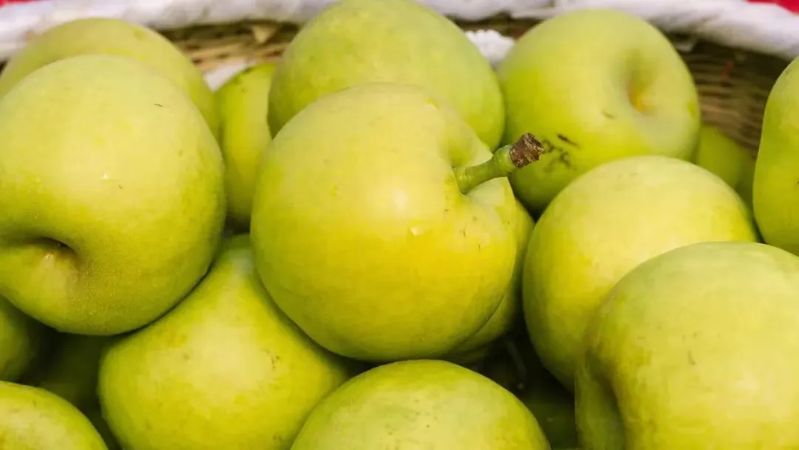
The mountains have their own small forest climate, which is the fruit bank of the sun。
Today, the main varieties of the pear are three, crowns, round yellow and gold. The crowns are pre-cooked varieties that will be available by the end of june and the other two will not be able to go down until august. The pineapple is on the right end, the largest single fruit is close to a pound, and the mature consequences are brilliance, juicy fruit, tiny fruit nuclei, and summer heat relief。
Grapes, the end of hunan summer fruit
In the list of summer fruits, of course, there are grapes。
In the case of hunan, it is also very easy for farmers to grow grapes, and when they stick in the front of the courtroom, they grow crazy. But when we talk about grapes, we think about xinjiang. In fact, hunan has his own "torrupan" and "vine trench"。
Changdeo county, known as “southern trump”. In the country's vast plains, wild grapes are rich in resources and have a long history of growing them, as recorded in the qingyuan state book, which was written by the qing dynasty: “virgins, leafs, and a large number of people grow in broad court to protect the summer. It's sweet, it's brewable."
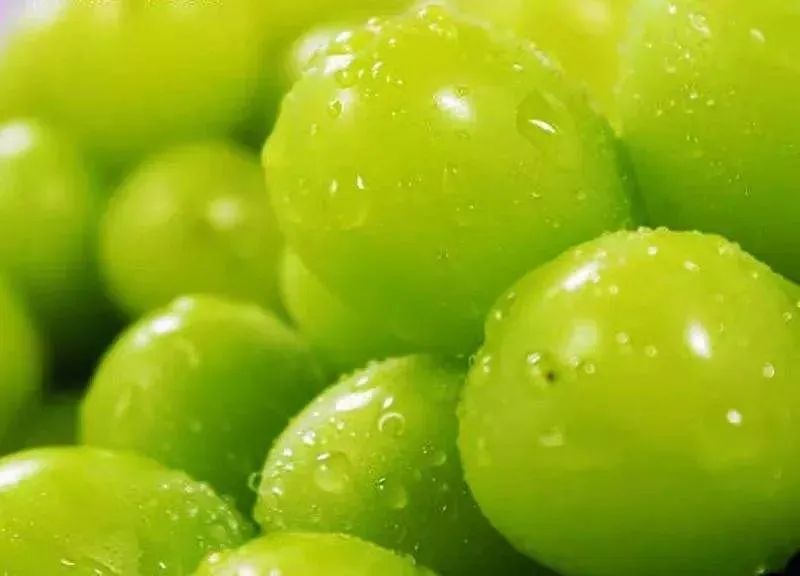
In the village of toyako, it is a fertile land where light, air, water, heat, and grape. However, the grape industry began in the late 1980s. The grapes spread quickly on the land following the introduction of the giant pristine grapes. Beauty means, red earth, victoria, sunshine roses... A variety of species from all over the country, nourished by land and sunlight, with unique tastes that belong to the plains of toyako, which once sold hundreds of pounds to become the ceiling of native fruit. Grapes are popular because of sweetness and the sugar content of grape grapes is 30 per cent high。
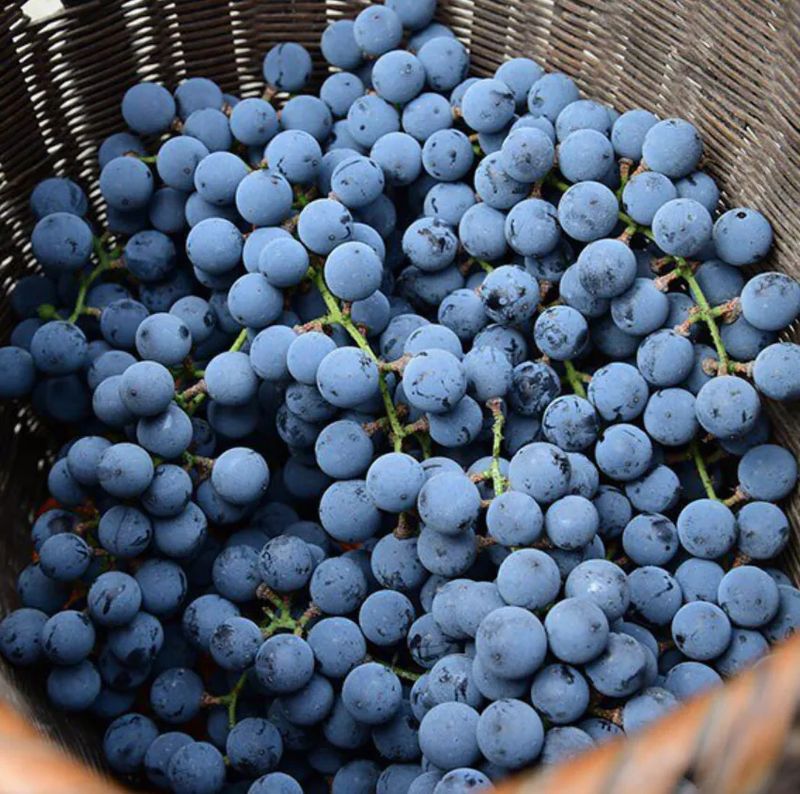
China has a long history of growing grapes, and a 100-year-old stinging of vines and vines, covering an area of 414. 66 square metres and a radius of 22. 5 centimetres, with a maximum length of 23. 4 metres, has been found to be more than 120 years old by means of carbon-14 cross-positioning。
China's grapes are an absolute local species, and the crystals are called "the pearls". "the pearl" is a wild stingy grape (not a stingy grape, but a stingy stingy vine). Chinese stinging grapes are different from ordinary grapes, which are “one by two, three by three” and “one by one by one”, “one by one”, “one by one by one”, “one by one by one”, “one by one”, “one by one by one”, “one by one by one”, “one by one by one by one”, “one by one by one by one”, “one by one by one by one”, “one by one by one by one by one by one by one by the hand,” “one by one by one by one by one by one by one by one by one by one by one by one by one by the hand, “one by one by one by one by one by one by one by one by one by the hand,” and “one by one by one by one by one by one by one by one by one by one by one by one by one by one by one by one by one by the by one by one by the by one by one by the other, by one by one by the other by one by one by one by one by one by one by one by the means of the by the by one by the by one by the the flesh is tender, juicy and fragrance, and it tastes soft。
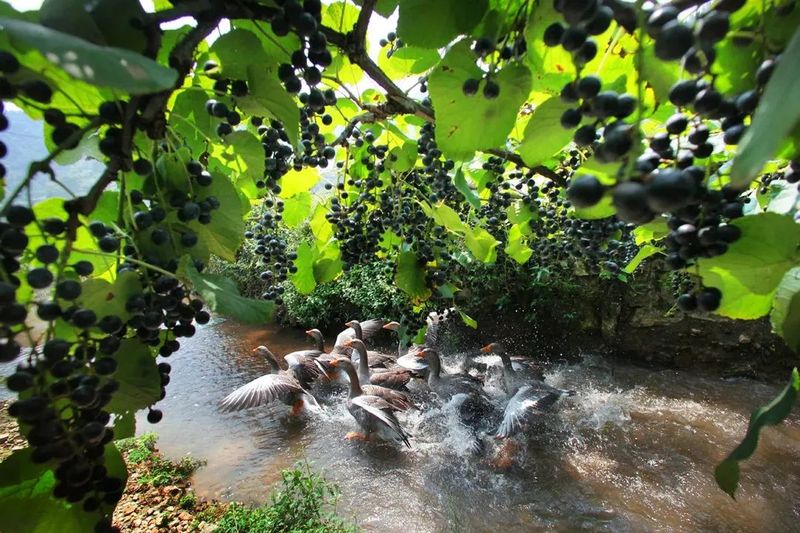
Grapes, the end of the hunan summer fruit feast, are on the market around august and after the last grape, that means hunan's summer is over. But don't worry, hunan's fruit season isn't over, and then the fruits of monkeys and quim autumn are on the market, while the citrus season is the peak of hunan fruit, after all, more than half of the fruits in hunan are citrus。