Vacuums are also called vegetative, hot and wet, fast-growing, long harvest times, with several repeated cuts, few pests and pests, simple management, and can be grown in rural gardens, sheds, water fields, drylands, and hydroponics, whether they are suitable for food or sale。
I. Land selection, soil requirements
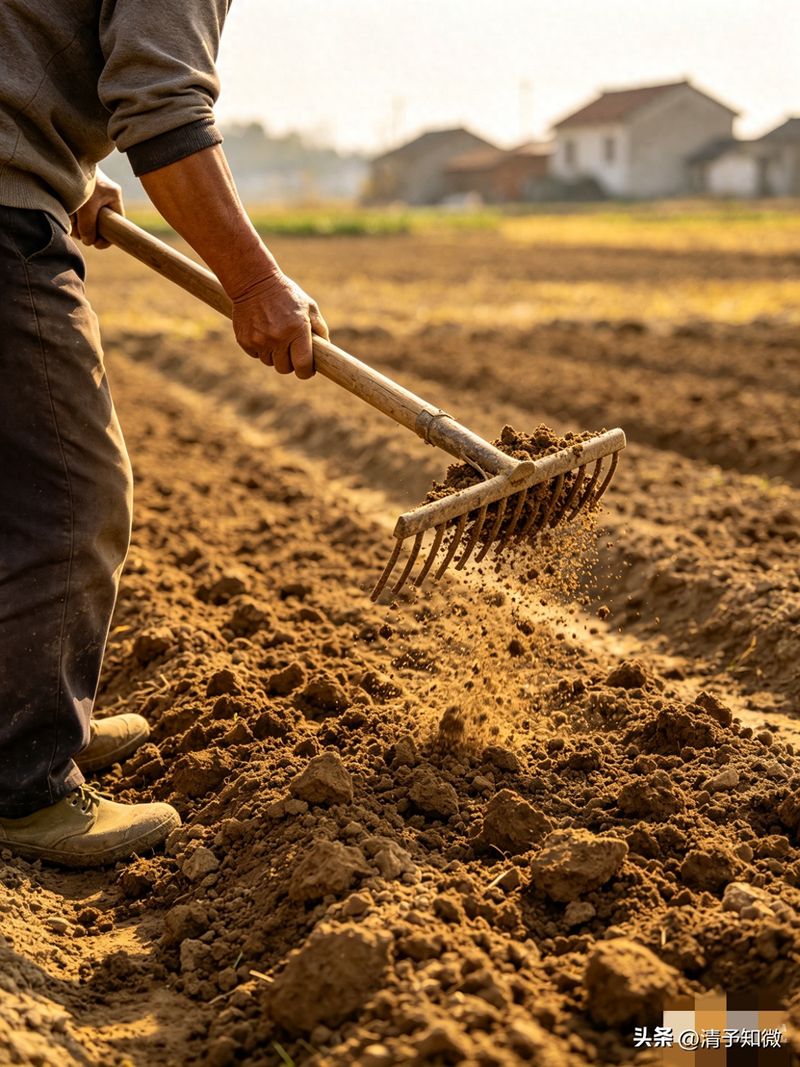
1. Land selection
Empty cabbage is good for fat, and water fields, low-lying areas and vegetable gardens are appropriate; drylands are the best for water supply, sandy soil and fertile pine soil。
Fearing prolonged drought, the lack of water is thin and old。
2. Fertilizing the whole area
The land is covered with 2,500 to 3,000 pounds per acre of corroded farmers + 30 to 40 kilograms of compound fat for bottom fatting, drenched up to a width of about 1. 2 metres to facilitate water harvesting。
It is sufficient to plant a field directly shallow。
Ii. Cultivation time (all available in the north and south)
- south: 2-3 per year in march-september
- north: temperature stabilization above 20°c is most appropriate in late april to early august
Temperatures below 15 °c are slow and below 10 °c are largely low。
Iii. Two types of planting: seed planting / piping (fastest)
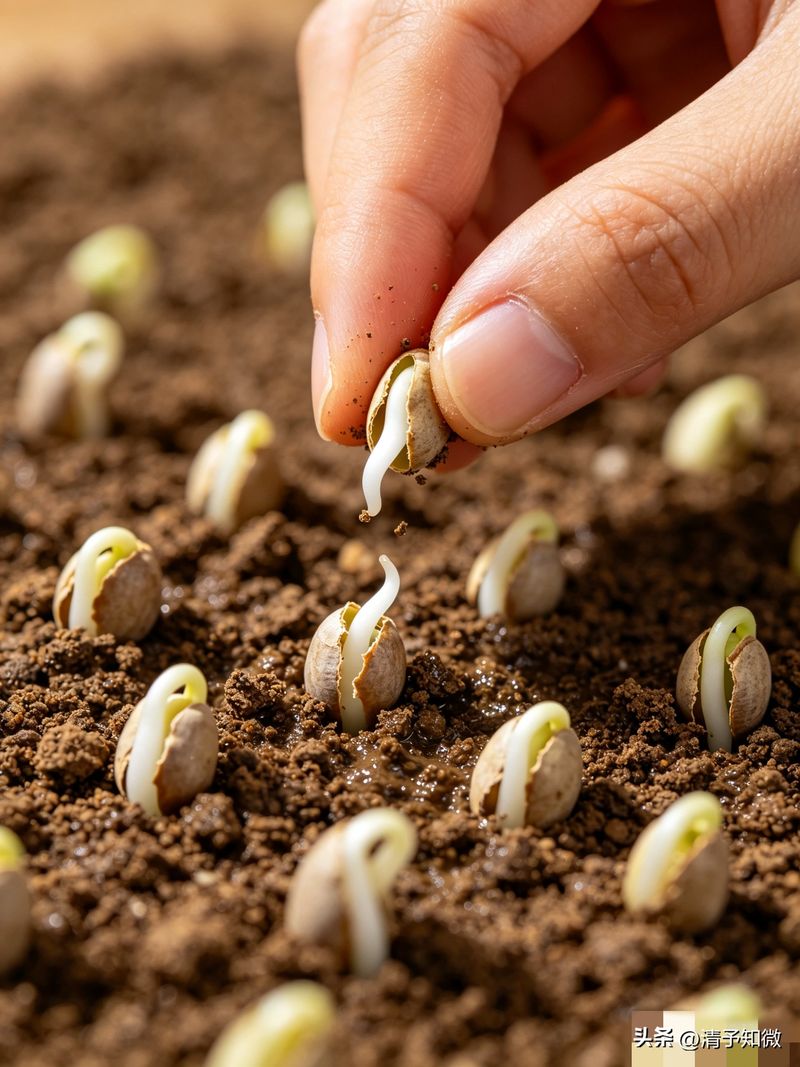
1. Live feed (most commonly used)
Seed casings are hard, 12 hours in advance of hot water bubbles, 2-3 days incubation, white replanting, and fast seeding。
2. Radio: 20-25 cm long, 2 cm deep, evenly sown and 1 cm long。
3. Spraying: the garden is distributed directly, with a thin cover。
4. Crops per acre: 4-6 kg in drylands and about 3 kg in water fields。
2. Plug-in (no seeds, quickest harvest)
Buy fresh cabbage, cut 15 to 20 cm long branches, leave two to three knots each, slash into the earth three to five cm, pour water, three to five natural roots, harvest in more than 20 days, the fastest in the summer。
Iv. Field management (landnuts, focus on water fertilization)
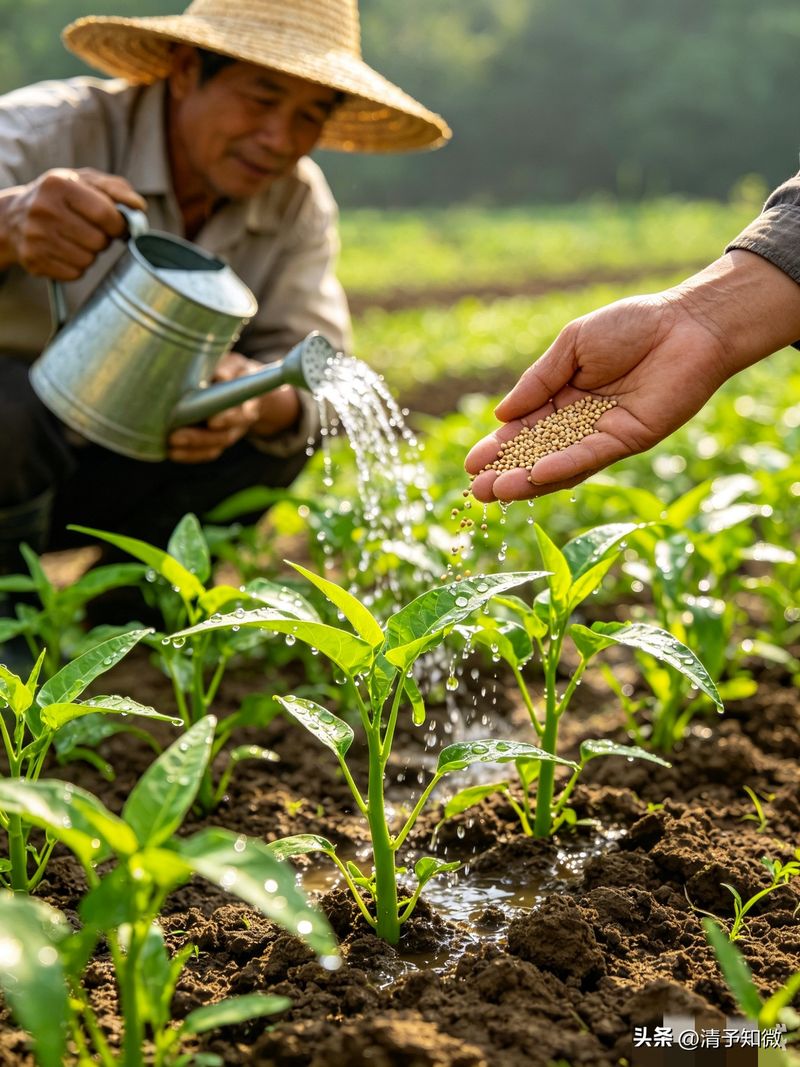
1. Watering
The empty cabbage is watered, the soil is moist and dry land is watered sooner or later; the field is shallow from 3 to 5 cm。
It's hot and dry in the summer, it's hotter and colder。
2. Retrieving fat (more and more, more production)
They grow to 10 cm, first urea seedlings
For every harvest, the nitrogen fertiliser is chased once, for 7 to 10 days, fast-growing, thick leaves。
Weeding
The front stage is artificially weededed, and the hollow cabbage has flourished since its closure, and weeds have barely grown。
4. Insects and diseases
They are mainly aphids, moths and rusty diseases。
There are few medicines available in home gardens, which can be distributed with herbivine ash; large areas are planted with low-toxic pesticides and are cut off seven days before they are collected。
V. Harvest methods (key: more and more harvests)
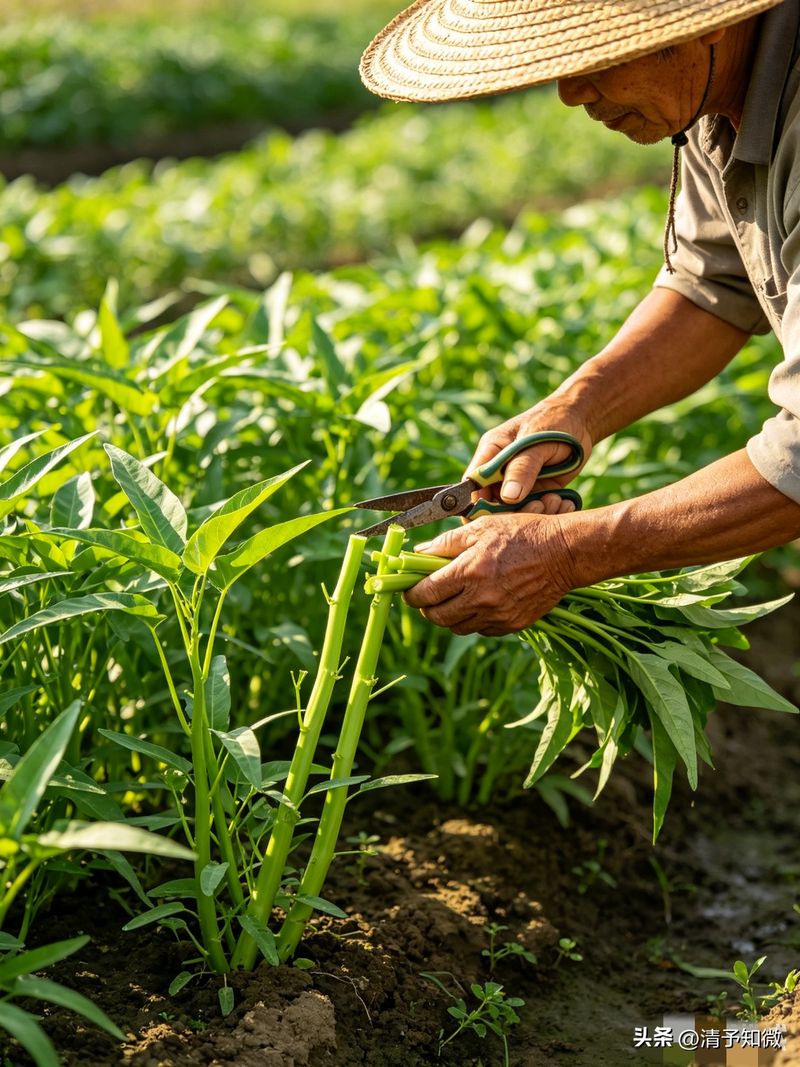
1. For the first time, a plant of 25 to 30 cm can be harvested, with two to three nodes in the base, without the root cut。
2. Every 15 to 20 days thereafter, the fastest growing summer, with a capacity of 6 to 8 per year。
3. The harvest time is chosen in the morning, and the leaves are tender and good for sale。
Vi. Simplified revenue generation patterns
Empty cabbage can be shared with rice, fish ponds, fish, water for fish, water for open cabbage, both water and water; it can also be grown in large huts in the opposite season, and is available in early spring and late autumn at higher prices。