The radish just sprouts. How do you manage the field
A number of farmers grow carrots, all of which are finished in the previous period, and when they grow, they do not know what to do next. Many people feel that seeds grow in the ground, so they don't have to worry, waiting for the carrots to grow up. That's not the right idea. Carrot shrunk periods are a critical stage in the entire growth cycle, and if management fails to keep pace, weak, dead seedlings continue to occur in the field, with the latter growing small and production declining. In order for the radish to grow well later, after the seedlings have come out, the field management must be carried out on time。
The first thing that happens after the radish is to go to the ground and check the seedlings. The whole floor goes through and looks at every line. Some of the plots, because of inappropriate soil moisture, are gnawed by subterranean insects, or are not of the same thickness, and parts of them do not yield seed and form empty holes. The void cannot be set aside. The empty space is small and allows for the selection of large and normal seedlings from relatively dense surroundings, which are excavated with soil and planted in vacant positions. The seedlings select the dark sky as far as possible, or they operate at low temperatures sooner or later, and then water it again. There are plenty of empty holes and there are not enough seedlings to replant them. Seeds can be seeded early before replanting, reducing seeding time. The filling of seedlings cannot be delayed, the size of the plots is too wide and subsequent management becomes more difficult。
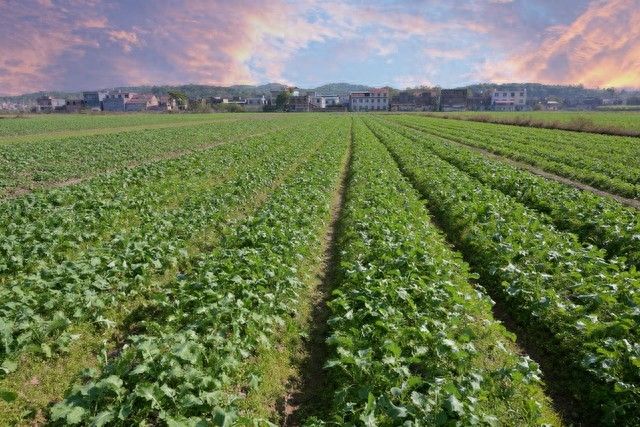
Once chamoor is completed, the seedling work will begin. When the radish sows, each pit is filled with seeds, and its seedlings grow from within. The seedlings are caught together, soil nutrients are inadequate, ventilation is poor and all are poor. Don't do it once, in two or three operations. The seedlings grow two leaves and start the first seedlings. In the same pit, only two to three saplings of normal strength were left and the rest were removed directly. When the seedlings continue to grow up, they grow into three or four leafs, perform a second seedling, and continue to remove them. Until the plant is stabilized and the seedlings are completed, only one strong seedling is retained for each planting pit. Keep the seedlings on the side, so that they don't relax。
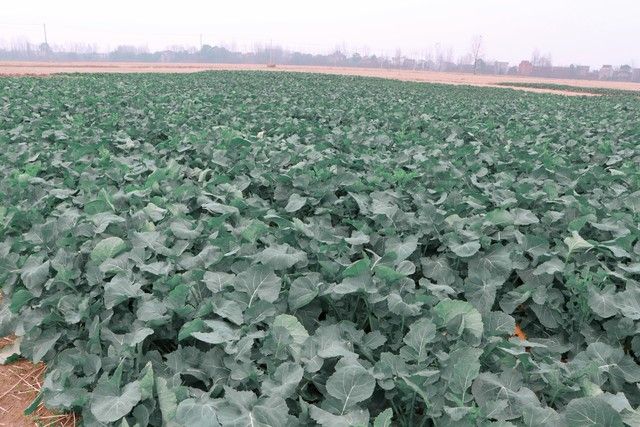
The radish is fresh, its roots are shallow, its intake capacity is limited and its management of moisture cannot be maintained. The surface of the soil is dry and the atrophy of the seedlings requires water. Watering time in the morning or evening. Don't water at noon. The water is used to control the volume of water and slowly to water the surface soil, rather than rushing into the ground. If water is accumulated in the fields after the rains, the drains should be unwinded as soon as possible. The water is kept in the soil for long periods of time, and the seedlings do not breathe properly and die. Soils are chronically wet and the probability of disease increases。
Many farmers saw the seedlings grow and immediately applied large quantities of fertilizers to the ground in order to grow them quickly. This approach is risky. The seedlings are small, the roots are weak in absorptive capacity and the concentration of fertilizers is too high to burn. There's no need to rush to fatten up during the seeding phase. After the seedlings have ended and the seedlings have stabilized, it will be decided whether to pursue the fat, depending on the fertility of the ground. The soil itself is sufficiently fertile and the seedling colours are normal and can be suspended. Land saplings are weak in size, leaves are light in colour and can be followed up with a small amount of fat. Fertilizer usage controls are in place, and no one-time input is required. Following fatting, water can be poured once and fertilizer concentrations reduced。
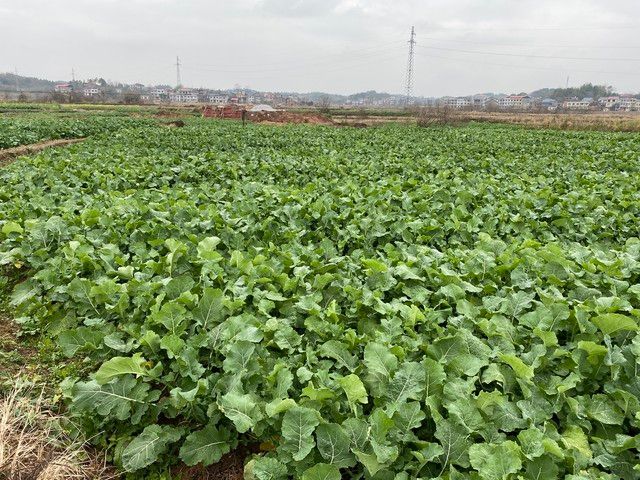
Carrot sprouts are also used for pest and weed control. We'll check on the leaves while we're down there. Some of the pests eat the leaves and the seedlings are vulnerable to bite. The number of pests is small and can be handled manually. The number of insects continues to increase, with the choice of a compliance agent. The ground weeds are cleaned up. Weeds grow fast, compete for soil nutrients and shield light, slowing the growth of radish seedlings. When weeding, don't hurt the root。
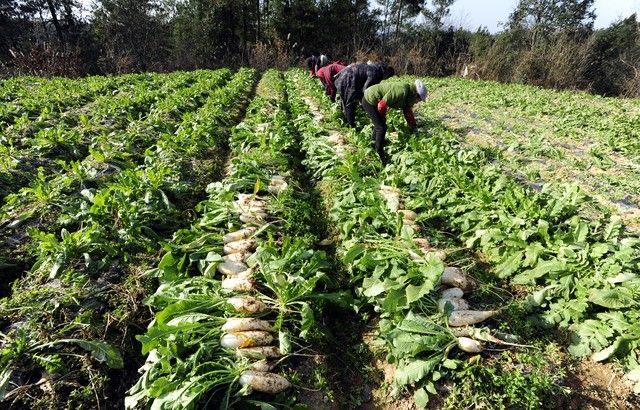
In general, the radish seeding phase focuses on seedlings, sub-saplings, control of field moisture, rational arrangements for fatting and pest control. There are no fixed criteria for each job and farmers are required to combine their own plots of land. Efforts are being made to ensure that the seedlings are well developed and less problems are encountered in the later development of radish. The final yield can only be guaranteed if basic management is done prior to neglecting the details of nursery care。