How do you grow empty cabbage? It's good for a new guy
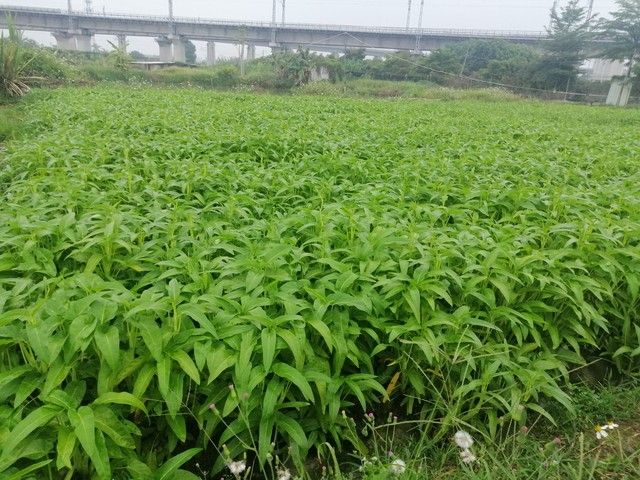
Many people want to grow empty cabbage, and they think it's either a complicated tool or a technology that doesn't work. Empty cabbage is alive, whether it's a balconies plant, a small yard plant, or a hydroponic green plant, can grow, and it's cut and eaten for months. Today, in big words, the whole process of the cultivation of hollow cabbage is made clear: from the selection to the harvest, every step is given to the practice and the newcomers can follow it directly。
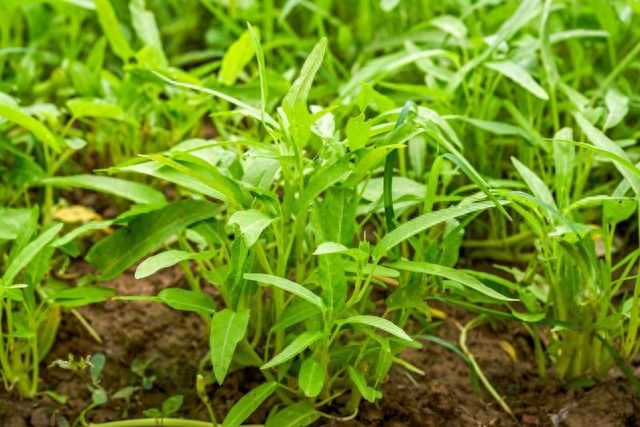
I. Selection of species: selection by method of cultivation results in high growth rates
The selection of seeds, which are not expensive, focuses on the planting environment, in two cases:
Tut (battle, ground) seeds for conventional cabbage, such as “thai cabbage”, which is common on the market. When buying, the date of manufacture on the packaging is selected for nearly a year, the gestation rate is guaranteed and no imported species are specifically bought。
Hydraulics (glass bottles, foam boxes): fresh empty cabbage runners that can be obtained either from earth-breeding seeds or directly from the market. In the case of a penis, if you choose a thick, yellow leaf, you leave 15-20 centimetres in length, remove the lower leaf and leave the top two-3 leaves, much faster than sowing。
3. Volume reference: pelvis (30 cm) with seeds 10-15 g; seed 20-30 g per square metre; and 3-4 root in a 5-litre bottle for hydroponics。
Ii. Cropping methods: a dual curriculum for indigenous water production, selected on an as-needed basis
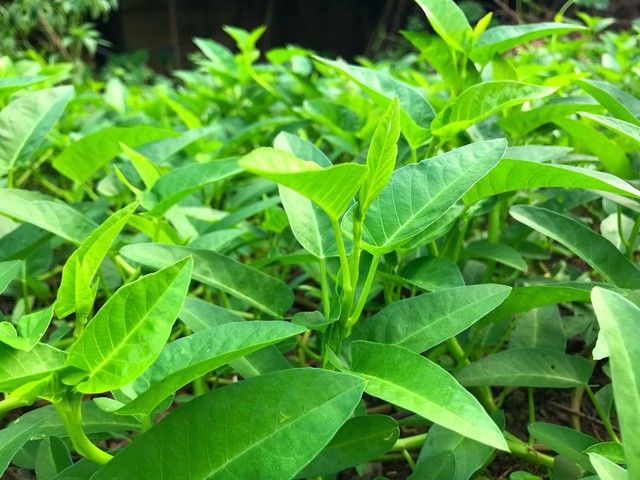
(i) cultivation (suitable to friends who want to eat more productively)
Preparatory work:
- pelvic soil: ground + decomposition of organic fertilizers, 7:3 pegged. There is no garden, no general nutrient soil, no fertilizer to avoid burning seedlings。
- containers: basins with drainage holes with a calibre of 25-30 cm or more are planted; areas with abundant sunlight are selected, soiling 20-30 cm ahead of schedule, and earth blocks are crushed and stones and weeds removed。
2. Casting steps:
- leaching: seeds use a temperature of 30-40 °c to bubble 6-8 hours, so that they are soaked that they grow quickly。
- seeding: the seeds are spread evenly on the surface of the earth, covering 1-2 cm thick soil, and water is poured out with a canteen, which is not so heavy as to be wet。
- saplings: at 20-30°c, three to five days of seedling; at temperatures below 15°c, it may take 7 to 10 days to keep the soil clean。
3. Deplantation (optional): if the seeding is too dense, the seedling will grow up to 5-6 cm high for about 10 days. Weak seedlings are uprooted, 5-6 plants are left in each basin, 10-15 cm apart, and the seedlings can be moved to other basins。
(ii) hydroponic cultivation (fit for small balcony space, dirty friends)
Preparatory work:
- containers: glass bottles, mineral water bottles (cut out of the top half), foam boxes, if they are able to fill water, without holes。
- nutrient fluids: purchase of hydroponic generic nutrients, or use of decomposition rice water (fermentation for 3-5 days, filtration), without the use of complex fertilizers。
2. Plantation steps:
- handle the stalks: empty cabbage bought at the market, cut out the roots, leave 15 to 20 centimetres long, remove the leaves from the lower five to 10 centimetres, and avoid the leaves falling into the water。
- water plugs: half a bottle of water is in the container, 5-8 cm is inserted into the water, and a gap of 3-5 cm is left between each root, so that it is not crowded together。
- water exchange: one change of water each day for the first three days, one change of water for the following two or three days, with a small amount of nutrient after each change, which, according to the instructions, is usually 1 litre plus 5-10 ml。
- roots: at temperatures above 20°c, the white root system can grow in 5-7 days, which can reduce the frequency of water exchange by 3-4 days。
Iii. Daily management: 3 keys, not too hard
1. Light: the hollow cabbage prefers sunlight and requires more than six hours per day. The balcony is planted on a window or balcony facing the south; if there is no sunlight, the light is applied for four to six hours a day, otherwise it is thin and low-yielding。
Watering:
- teenage: after the seedlings are produced, the soil is drained and then watered, until the bottom of the basin leaks; when the soil is planted, it is watered without the need for natural rain to prevent the soil from growing its roots。
- hydraulic: keep the water level stable, with no roots of 5-8 centimetres, and do not let the roots show themselves outside, nor leave the water unspoiled。
Fertilisation:
- tetanus: around 20 days after the seeding, a decomposition of organic fatty water (e. G., sheep dung water, rice water) is applied once, or a small amount of potassium nitrous phosphorus-balanced compound fat, 10-15 grams per basin, which is then watered. Then every 15-20 days, it's not too much, or leaves are yellow。
- hydraulics: every change of water is accompanied by nutrients, not too high concentrations, and a halving of the length of the instructions would prevent the burning of roots。
Iv. Receiving and receiving: making time and methodology, through eat
1. Time of harvest:
- tetanus: 30 to 40 days after seeding, the first harvest occurs when the seed is 25 to 30 centimetres high; 20 to 25 days after water rooting, the tubers grow to about 30 centimetres and start harvesting。
2. Collection methods:
- first harvest: cut 10-15 cm from the base of the truncheon and retain 2-3 knots on the truncheon, so that later branches can grow and continue to harvest。
- follow-up harvest: after the first harvest, it is possible to collect it every 10-15 days, with 2-3 knots reserved for each harvest, which grows more and more。
- caution: clean scissors are used to harvest, and no hand pulls are used to avoid damage to the plant; once the harvest is taken, a thin fat can be applied to promote the growth of new branches。
V. Common problems: two pits unplugged and cultivation smoother
Leaves are yellow: either there is too much water and the soil is dry or there is too much fertilization and roots are burned. Solutions: soil culture reduces water irrigation and maintains soil gas; hydroponics change quickly and dilutes nutrient concentration。
2. Slow and thin: mainly insufficient light or too dense. Solutions: move to a place where there is plenty of sunlight or time for encrypted light patches; too dense and time-sensitive to allow enough space for plants。
3. Insects: there are occasional aphids and larvae in empty cabbage. In the home, the leaves are washed with water or the aphids are wiped out with a cotton sticker; in the case of insects, the bioinsecticide is sprayed with instructions and collected seven days after the spraying。
In conclusion, it is easy to plant emptied cabbage, with traditional seeds being selected and water being planted in a step-by-step manner; fresh saps are used for water and regular changes of water and nutrients are made. Just to ensure that the light is well-fed and watered and fertilized, the harvest can be picked up from spring to autumn。
Have you ever planted a cabbage? Any problems? The comment section said, "let's exchange experiences."