In the summer, families like to grow cabbage, heat and cook soup, but most of them have the same problem: they grow very slowly, have thick poles and thick fibres, and they chew all over scum after they're cooked; and look at the empty cabbage from the garden next door, the leaves are green and soft, so they can harvest in just 20 days, before they're finished in three or five days, and the new ones appear。
It is now hot and rainy in june, the golden season during which emptied cabbage grows most strongly throughout the year. Temperatures of 25-35°c fully match the demand for emptied cabbage, catching up with current field management, and growing fresh, juicy and fast empty cabbage without large amounts of compost. Today, we share the full range of practical management steps that have been taken for over 20 years by old farmers in rural areas, ranging from ground-planting, watering and fattening, pine-earth thawing, insect-proofing and scientific harvesting, each with real field experience, with new hands and gardens and open fields being taken directly, and a collection of two or three times more for the summer。
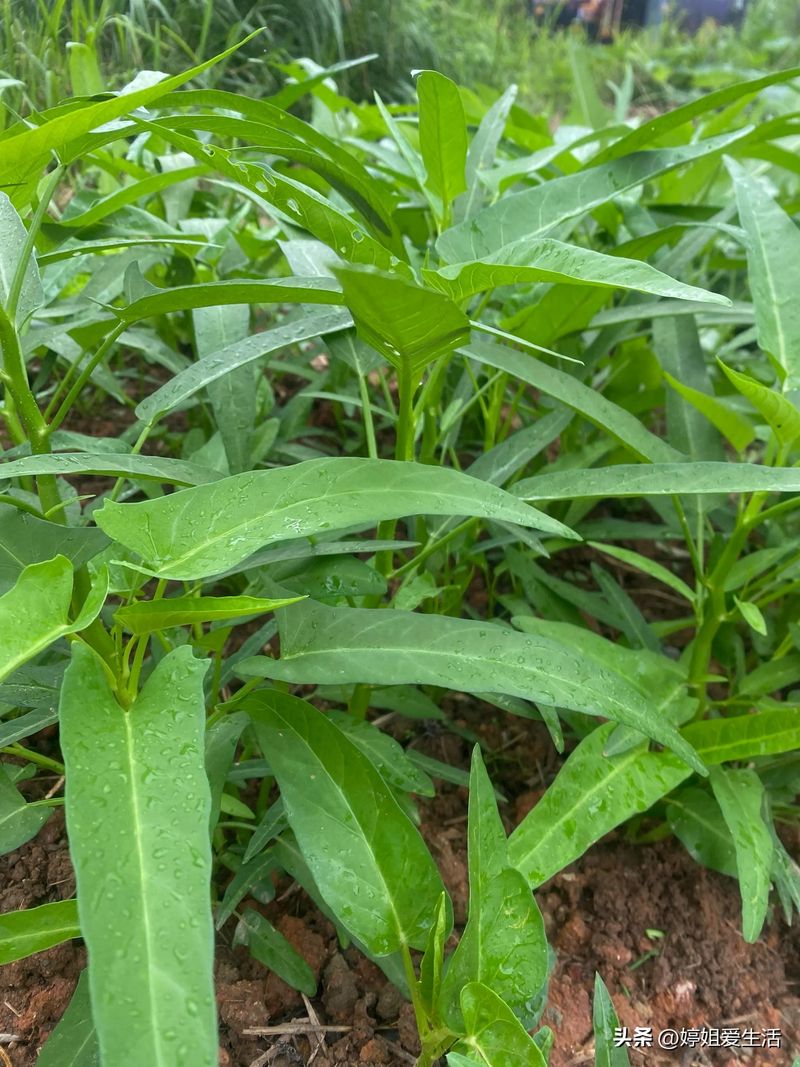
Many people mistakenly think that empty cabbage can grow mad with seeds and water, but it's simply a mistake. Empty cabbage is coarse, but does not stand up to fattening, drought, soil plastering and any unmanageable step can lead to rapid wood ageing. Many of the fast-growing vegetables on the market emphasize more urea, and for the short term look at the growth, in fact the leaves are empty, the mouth is bitter and the food is not tender. The core, which truly sustains the growth of empty cabbage, is a complete, step-by-step care process, and the following sub-module is clear to you。
I. Flooring: soil and bottom fertility control to avoid old poles and weak seedlings from root causes
The first step in the follow-up of hollow cabbage is to establish the basis for planting, whether seed seeding or, now more commonly used by farmers, soil conditions directly determine the quality of the subsequent season. The current high temperature in june and the faster than sowing pace of rooting in hollow cabbage are the most efficient methods of planting and the first choice for old farmers。
1. Soil improvement, rejection of sheeting land
Vacant vegetables are shallow, with the main absorbent nutrients concentrated in 15 centimetres of soil in the surface. Once the soil is sorely condensed, the root is prevented from breathing, the capacity to absorb water is significantly reduced, the plant is slow to grow and the tubing is fast fibrogenic。
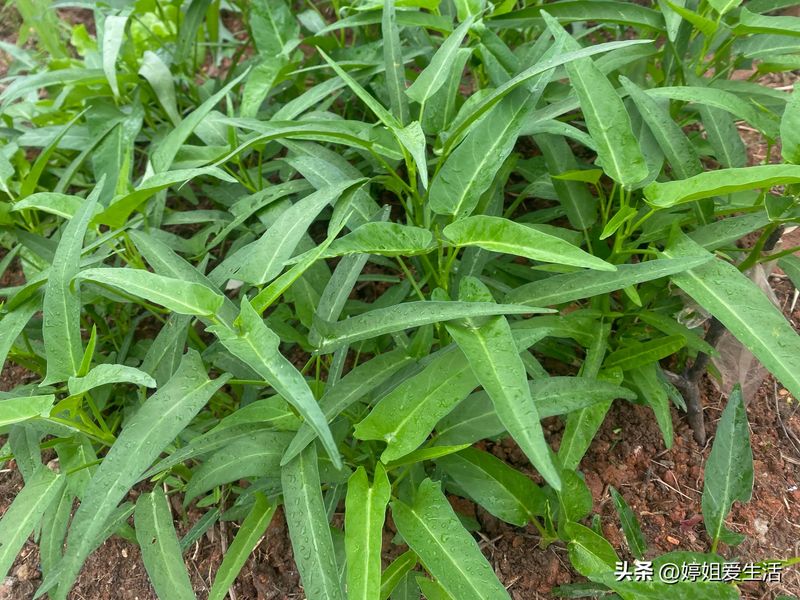
Whether it is a vegetable garden or a foam tank plant, the ground must be covered with a laxative base: 2,000 pounds of decomposed farm dung per acre (cooked chicken dung, sheep dung best) mixed with 300 pounds of straw, straw or river sand; and 5 pounds of foliage per square metre in a family vegetable garden, with a small amount of sand, which is completely flatted。
The focus here is on a high-frequency error zone: many farmers bury their soil directly with raw chicken dung, undefeated dung, high-temperature weather fermenting roots in the soil, and empty cabbage seedlings grow yellow and stagnant directly, and even late fatting is difficult to remedy. Farmers are required to decompress and ferment more than 40 days in advance, free of stinking and loose black。
2. Bottom-comparison balance, no single application of nitrogen
Many grow only urea, with young babies looking green in the early stages, and with large troughs and more fibres. Bottom fertilisers are to be “mainized by organic fertilisers, supported by a few slow decomposition compound fertilizers”。
Standard ratio for open field: 2,000 kg/acre of decomposed sheep dung + 30 kg/acre of potassium sulphate compound, distributed evenly on the earth floor; pelvis garden, mixed with 50 g balanced compound fertilizer per square metre. Sufficient organic fertilizers provide a continuous supply of trace elements, allowing hollow cabbage blades to be thick and soft, composite fertilizers to supplement potassium nitrogen phosphorus, and to guarantee rapid division of side branches。
3. Cultivate density control, which allows for adequate ventilation to prevent ageing
Vacant branches are spread at a fast rate, they are overcultivated, they have poor ventilation in the fields, they do not see light in the lower branches, they are quickly yellow and they tend to breed pests。
The seedlings are 12 cm in length and 20 cm in length; in the case of seedlings, the seedlings are grown up to 10 cm in height, with 2-3 cm in size per cluster, and the extra seedlings are repainted and removed. There is plenty of room for growth, every branch of the branch is tanned, and it continues to grow, without the presence of a thin old pole。
Water-water management: 90 per cent of rural households are wrong, and water scarcity becomes a direct ageing day
Empty cabbage, originally known as veggies, is inherently watery and damp, and moisture is a key factor in maintaining the foliage and accelerated growth of the leaves. In june, high temperatures and tans, water management is divided into two main plates: daily water recharge, rainy season water control, simple operations, and immediate results。
1. Daily water supply time fixed and soil wet
The high-temperature season is characterized by high evaporation levels, and once the soil is dry and dry, empty cabbage immediately activates the self-protection mechanism, and the staves quickly produce coarse fibres, even if followed by large amounts of water, the aging poles cannot turn back into fresh branches。
The water was fixed at two hours in the morning: before 7 a. M. And after 18 p. M., it was watered at high noon, and cold water was used to sow the heat. The surface of the soil is kept micro-humid, with hand-pumping of the soil forming in clusters, with light touching and dispersing as the optimal humidity; open vegetable gardens are poured on a daily basis and foam tank basins are lost more quickly and water is replenished once a day and again。
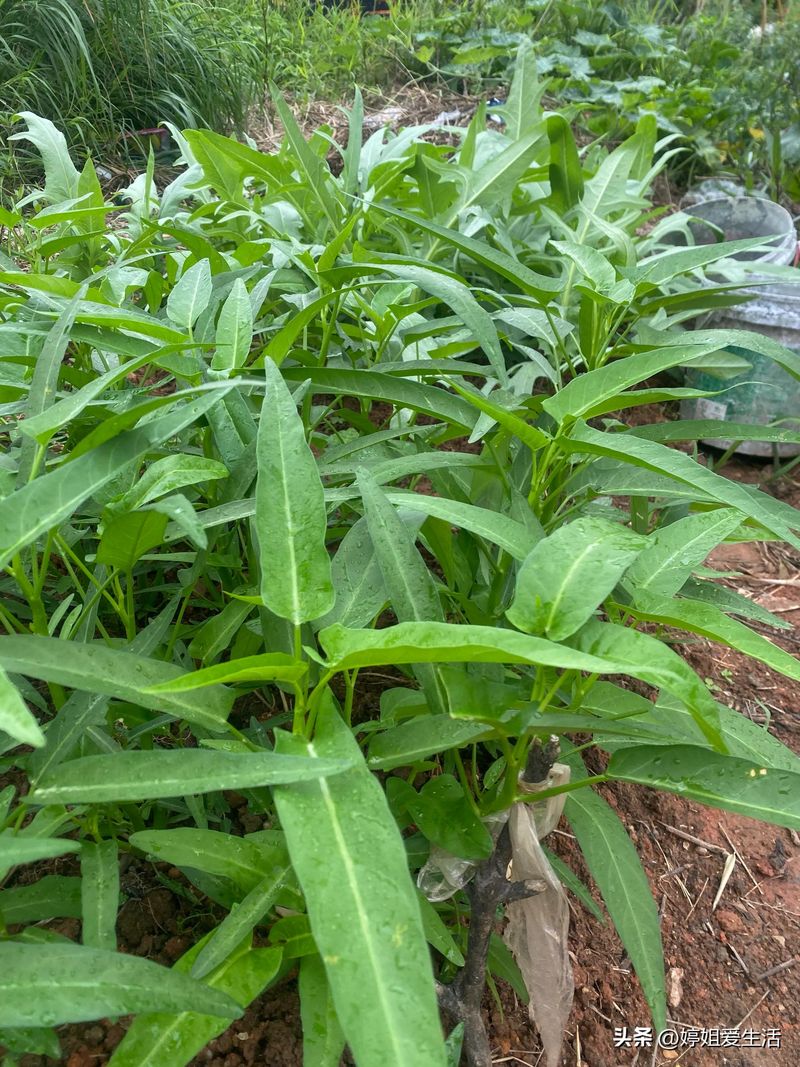
2. Timely drainage during the rainy season and poor water management root
Poppy water is not equivalent to water-resilient, continuous rainy weather, more than six hours of water accumulated in the fields, oxygen-decompressed root of hollow cabbage, yellow-haired leaves and a direct halt in growth. The whole area is paved with shallow drains, the surface is five centimetres above the ground, the water is pumped in time after heavy rains, the water is dry and surplus, the dry and wet altercation environment is most conducive to the growth of fine roots, and the euphoria is doubled。
In contrast, the old farmers have been able to compare the two same-conditioned gardens, a long-term drought with little water, which can be harvested in 25 days, with a thick tubing; and a scientific humid tube, which can be harvested in 18 days, with a small share of 80 per cent。
Iii. Three-step pursuit of fatty gold: hard work, quick recovery from cutting, softer harvests
Fertilizing is not a one-time re-screech, and emptied cabbage consists of multiple harvests of vegetables, with three stages of fertilizing during the seeding season, re-harvesting of fertilizers and daily promotion of fertilisation, following the principle of “freight and hard work”, which accelerates growth without the appearance of empty leaves and suffering。
Phase 1: young seedlings contributing to long fattening (7 days after planting)
The first fat hunt is carried out after the planting of four to five saplings with a steady root in the saplings, mainly with thin nitrogen, which promotes the spread of the leaves。
Oda operations: 1,500 kg of decompressed, decomposed manure per acre, watered with fermented rice, three times the amount of water used in family gardens and no direct urea application at high concentrations. The objective of this competition was to boost the base branch, allowing the plant to split rapidly, to grow more sides and to double the subsequent harvest。
Phase 2: after harvest and return to fertilizer (on the day each harvest is completed)
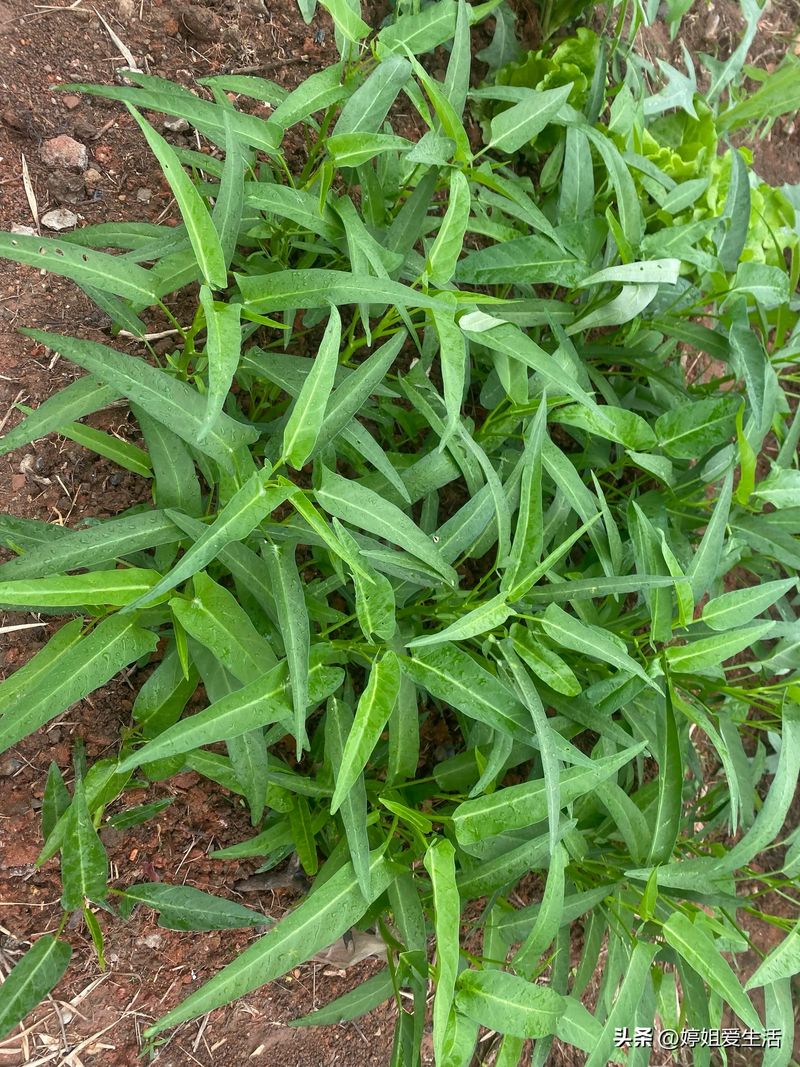
This is the most critical step of the whole season of care, with the vast majority of farmers losing their fat after harvesting, and the onset of new growth being half-slow. Empty cabbage collects large amounts of nutrients, which are replaced on the same day, and a large number of fresh buds can emerge in three to five days。
The fertilizer programme is divided into organic, mild and chemical fertilizers for agricultural households, selected as necessary:
1. Natural farmers ' programmes (first choice for household food, greener leaves): decomposition and thinning of faeces, with a small amount of grass-wood ash per square metre, complementary potassium elements to grass-wood ash, softening of trough fibres, and also aids in pest prevention
2. Quick-impact increase programme (past-growing): 10 kg of urea + 5 kg of potassium sulphate per acre, which is immediately watered and dissolved after fertilization to avoid the burning of plumes。
Focused pit avoidance: single urea use cannot be exceeded, excessive nitrogen fattening can lead to thin cabbage, mid-drives, a high temperature, a high aging, and a strong diet。
Phase 3: intermittently fertilized (between two harvests)
If more than 10 days have elapsed before harvest, a thin water is added to the middle to slow wooding. The fermented vegetables and vegetables are fermented with water to fill the trace elements so that the branches that continue to grow remain soft。
Iv. Day-to-day field care: pine earth, whole branch, sun cover, slow ageing and accelerated separation
The installation of water fertilizers, which are the basis, combined with daily fine-scrubling, to sustain the production of fresh and empty cabbage, appears to be an incomprehensible technique for old-fashioned farmers。
1. Light pine soil weeding to prevent soil slabing
Three days after each watering, the surface mud is easily clogged with hard shells, hindering the gas flow of the roots, using small acupunctures with 3 centimetres of shallow surface soil and removing weeds. Weeds take soil nutrients, leading to thinness of hollow cabbage, shallow pine soil that preserves water and stimulates a downward expansion of root systems, and a marked acceleration of the growth of side branches. Pine soil is carefully avoided from the roots and does not hurt the roots。
2. Timely cutting of old poles and concentration of nutrient support
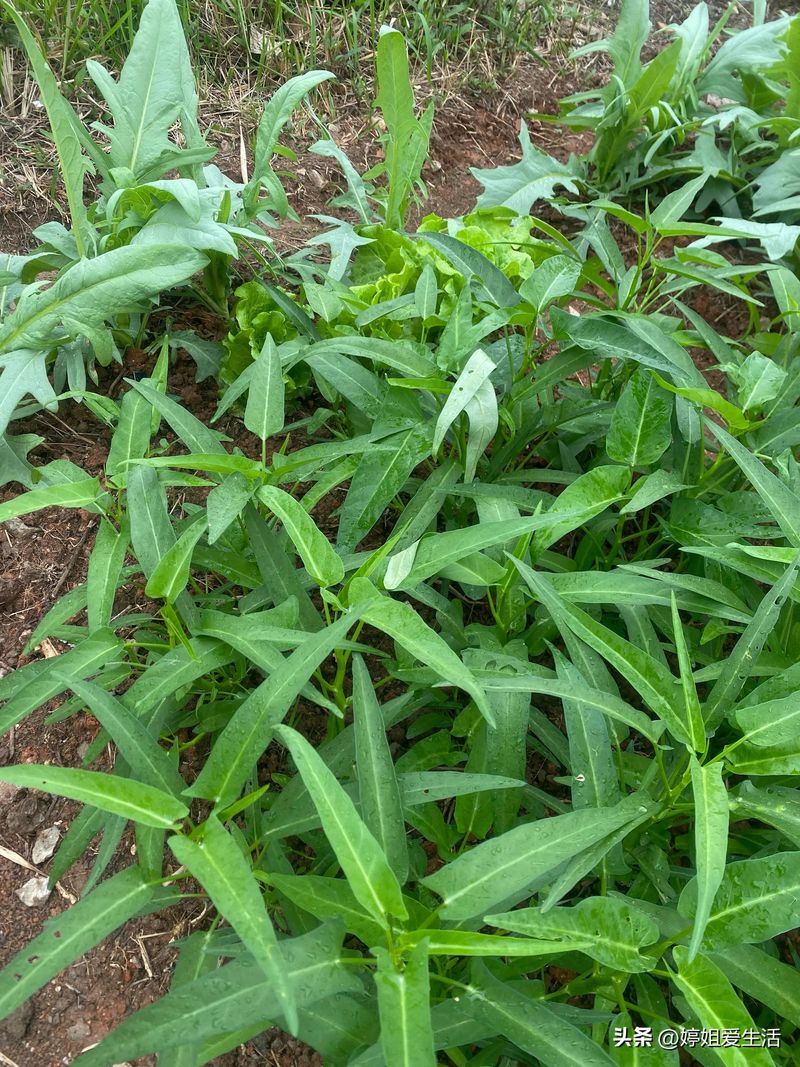
After some time of growth, the carbs produce a big old pole at the bottom, which only consumes nutrients, does not grow edible and requires regular trim. At each harvest, co-mingled with the yellow and highly fibroized old branches of the bottom, the nutrients were all concentrated on the fresh and young sprouts, and the whole plant grew stronger。
3. High-temperature, light-simplified shades to avoid sunburning
In june, at 35°c or more, the water of the hollow cabbage evaporates rapidly, and the freshness of the tan is highly aging. An open garden can build a simple sunnet above the vegetable field, covering the light from 11 to 15 p. M.; without a sunnet, it can plant silk melons, bean vines and vines around the kitchen to cover the direct sunlight, empty cabbage in a light-dispersed environment, soft leaves and juicy, and thick fibres can be reduced significantly。
V. Green pest management: pesticide-free cultivation, green leaves eat
Infestation can stop the growth of emptied cabbage, the gnawing of broken branches can quickly become fibrosis, and in the summer the emptiness of emptied cabbage has a high incidence of pests: pedals, aphids, larvae, sharing of purely natural insecticidal methods in rural areas, non-use of chemical pesticides, and greater peace of mind at home。
1. Savannah ash deworming: when morning leaves are covered with dew, a single layer of dry grass ash is spread across the leaves and the oscillations to prevent the leopards and aphids from eating while supplementing potassium fat
2. Pepper garlic insecticidal water: millet rice, garlic shredded, immersed in water for 24 hours, filtered and sprayed leaves, sprayed twice in a row, three days apart, capable of repelling molluscs
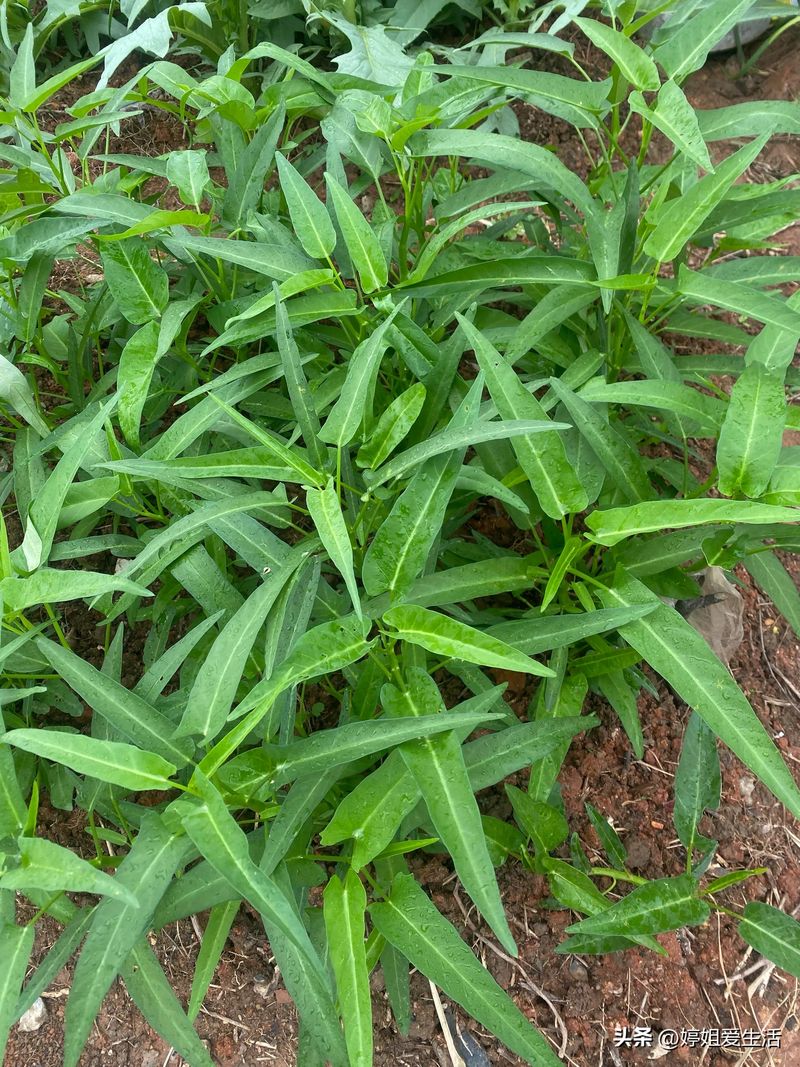
Physical barriers: protection from pest proliferation by laying breakers around small gardens, reducing the number of insects laying eggs, finding a small number of leaves removed directly from the gardens and destroying them。
Insects are small and healthy, and empty cabbage is able to grow without interruption, and if widespread outbreaks of pests occur, even if the water is abundant, they will stagnate and the whole branch will grow old。
Vi. Scientific receivation methodology: reaching methodology, through and through
The reason why many people grow emptied cabbage with low yields and old harvests is that it is wrong to harvest it, that the right harvest stimulates fast-growing branches, that three or five days to regenerate, and that it is clear and understandable:
1. Harvest height control: do not remove all of them from the ground, keep 2-3 stubs of the base and cut about 8 cm from the soil. Residual stasis rapidly divides the sprouts; if directly harvested, plant recovery slows, with a delay of at least one week
2. Harvesting cycle: 18 to 22 days when temperature 28 to 35°c is in place, and 15 days when water fertilizer management is in place
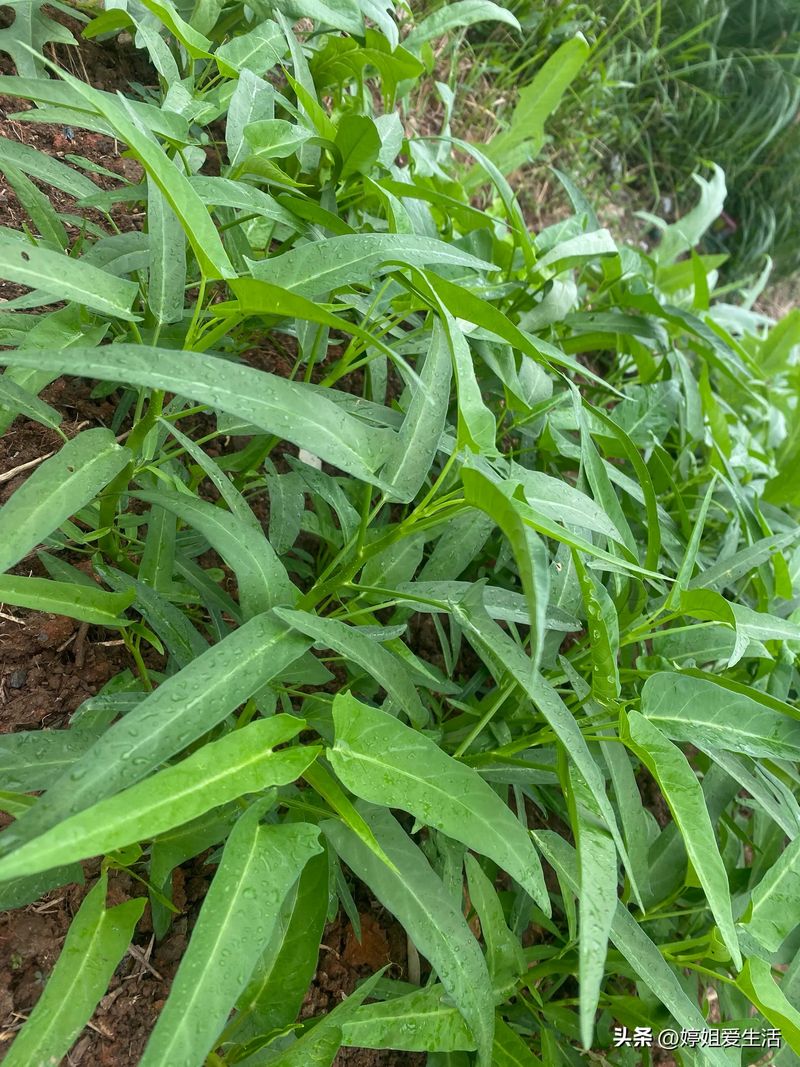
3. Instant care after harvesting: the pine soil is completed on the day the harvest is completed, water is poured, a process is followed, nutrients are quickly delivered to the rest of the tuber, and fresh sprouts can break out in three days。
A comparison of the production of real farmers: the same vegetable field, where the harvest is wrong, can only be harvested four times throughout the season; in the summer, seven times a year can be collected, and the total production of freshling can rise by more than 60 per cent, according to the management of the collection of stakes + the current day。
Vii. Five fatal faults for freshmen to grow so that they can be avoided
In conjunction with years of field observation, the most easily stepped-up management mined areas by ordinary people were assembled and, by self-censoring, the uncreated cabbage rose directly to a level:
Mistake 1: long-term drought with little water and fresh water when the leaves fall. The shortage of water is the first cause of the ageing of emptied cabbage, the basis of which is continuous soil moisture
Error zone 2: large and single urea application, ignoring organic fertilizers. Nitrogen overweights can only be long-spaced poles, thick fibres increased and the taste changed
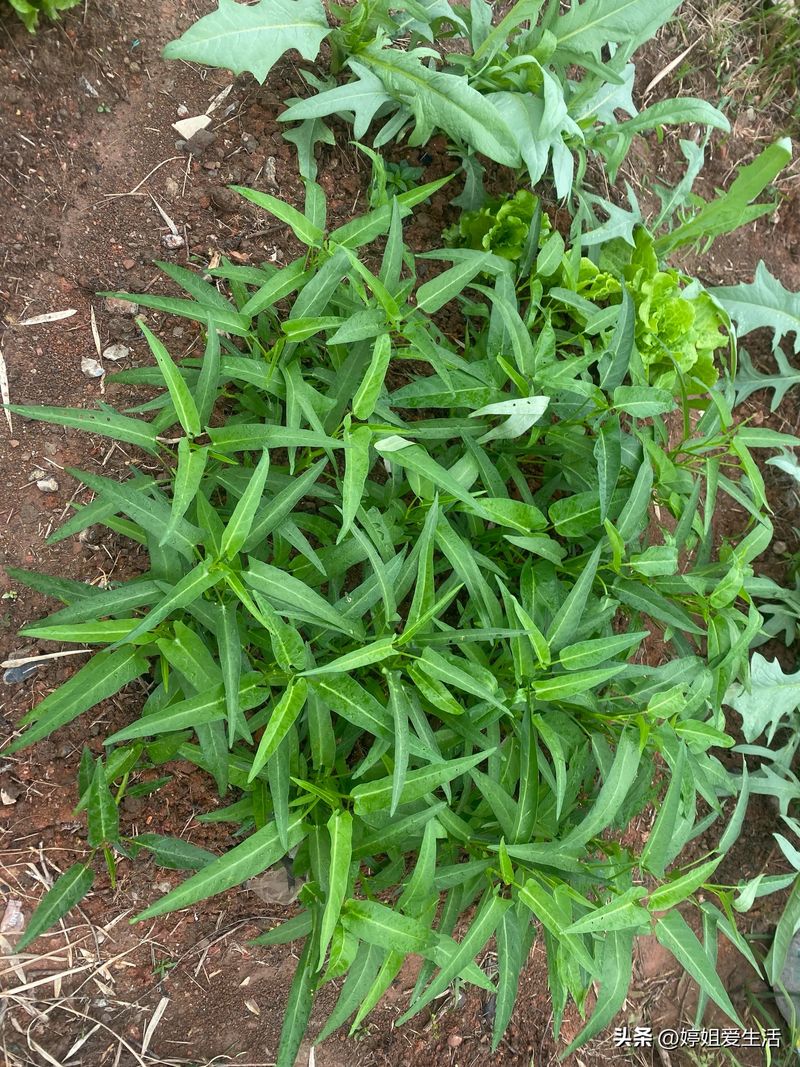
Error area 3: cultivation density is too high and the wind is too low. There is insufficient light on the branches and fast yellowing of the branches
Error area 4: no stakes collected and directly levelled. (b) longer plant recovery cycles and a significant decrease in the rate of growth
Erective area 5: never moisturizing grass with severe soil sheeting. Respiration is impaired at the root, absorbing water fertilization efficiency is halved and growth slow。
Summary of full text + end of interaction
This is the month of june, when hollow cabbage is grown and collected, and if you want to grow your own small garden, the leaves are not hard. The whole management process remembers the core logic: to plant improved soil, daily constant wet watering, a phased fertilization of thin weight, regular pine twigs, green insects, a scientific harvest, six-step rounding。
Without expensive fertilizers, without sophisticated equipment, the management system is replicated in rural open-air areas, balconies, balconies, and a continuous collection of emptied cabbage throughout the summer, and fresh mouths of fried, garlic and soup。