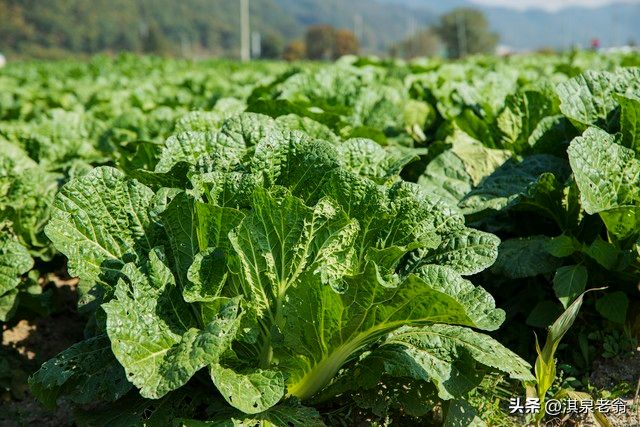
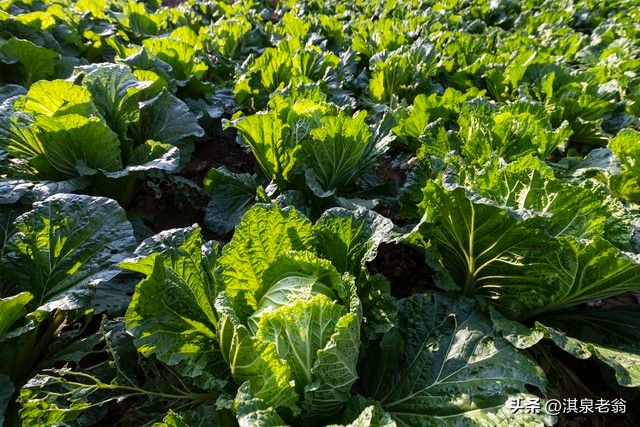
Farmers who grow large cabbage are aware of the high and high productivity of cabbage, the core of which is not blindly fertilizing, but fertilization of formulations and scientific management. In many cases, cabbage problems are found in cabbage, bad gangs, loosely packed hearts and uneven growth, mostly due to uneven application of fertilizers and inadequate field management. Today, with the platinum of the earth, let's tell you in detail about the whole set of recipes and efficient planting measures from the ground up, sowing, seeding, seeding, lubricating to the heart cover period, which have a high level of integrity, the usual vegetable fields, the field, and the easy growing of high-yield, tight and high-quality cabbage。
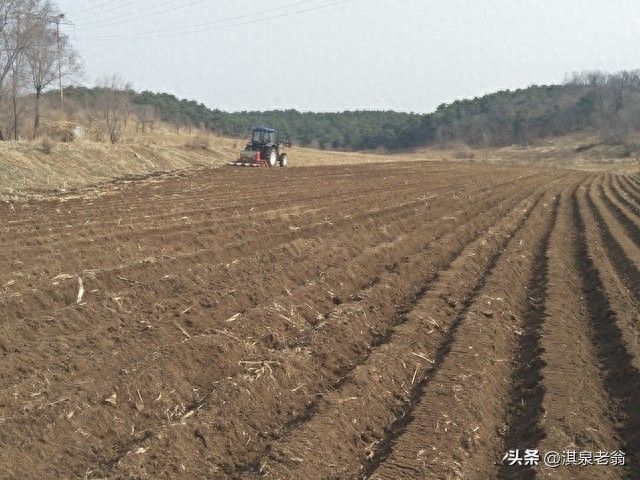
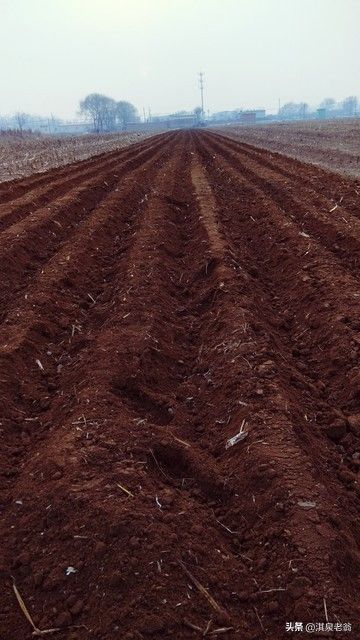
First, the first step in planting cabbage is not to sow, but to apply whole-scale bottom fertilisation, which is not good, and to waste later on. The cabbage is a shallow root vegetable, concentrated in 20 to 30 centimetres of the earth, which tends to deplete fertile and water-preserving soils, with the greatest fear of soil sheeting and fertility. Seven to ten days before planting, we are going to plant the land deep into the ground, smash the earth, clean the weeds and roots, and avoid infestation and pests in the fields。
Bottom fertilizer must be supported by consummate organic fertilizers, which are the basic formulations for high production of cabbage. Our farmers can apply 2,500 to 3,000 kg of decomposition, cow dung and chicken dung in an acre. Organic fertilizer improves soil, defusing soil, and stabilizes cabbage roots. A combination of 40 kg of three-dollar compound fattening, 15 kg of calcium perphosphate and 10 kg of potassium sulphate, in a balanced manner, is spread evenly over the surface and tilled into the earth layer. It is important to remind you that it is absolutely impossible to use raw manure, which is fermented in the soil, which burns and which breeds a large number of eggs and pathogens, with post-mortem roots and especially severe pests. Soil infertile plots can add a small additional amount of urea to improve the base fertility of the soil and meet the growing needs of cabbage。
This is followed by seeding and seed management, where cabbage is less fertilized, but is particularly sensitive to nutrients, which can lead to thin, yellow, slow growth and excessive application of fertilizers, which in turn can burn the seedlings. The cabbage is suitable for light broadcasting, 40 and 35 centimetres away, and is reasonably dense, with a good ventilation and a tight end. The seedlings are mainly concentrated on water and fertilizer control and do not need to rush to fat。
When the cabbage grows four to five leafs, and the seed is grown, the first time you can catch fat, that is to say. This time, a small amount of fast-acting nitrogen fertilizer was used, urea was sprayed in an acre and five to eight kilograms of urea, or it was flushed with thin decomposed manure, with the aim of quickly extracting seedlings and allowing cabbage to spread and grow. It's not big enough to remember that too much nitrogen fat will drive the cabbage into a long period, the leaves are weak, the later is prone to fall back and disease, and will affect the resting heart. Weeding is also done during the seed season, where weeds and cabbage compete for water and nutrients, and artificial shallows are sufficient to avoid deep-rooted roots。
The most critical stage in the growth of cabbage is the lotus period, which is a critical period for cabbage with long leaves and skeletons, as well as a period of surge in demand for water, which directly determines the size of late cabbage. If there is a shortage of fat at this stage, cabbage leaves are short and thin and can be difficult to cover later. Lsd is designed to change the formulation, reduce nitrogen fattening, increase phosphorus potassium fattening, and avoid simple long leaves. An acre application of 20 to 25 kilograms of high nitrogen-heavy potassium compound fattening with potassium sulphate with five kilograms of fertilizer distributed around 10 centimetres from the root, with no direct root spread to prevent the burning of roots。
In addition to root fertilisation, this stage can be combined with leaf-face fattening, resulting in more than half the effort. Potassium phosphate solution is sprayed every 10 days with boron and calcium fertilizer. Many cabbages have problems with dry heart, empty heart and bad side, the root cause of which is the lack of calcium and calcium, the early enrichment of which is effective in preventing physiological diseases and making cabbage thicker and more resistant. Water should be wet and dry, the soil should be wet and dry and the water should not accumulate. Drought can stagnate, and the water can rot and cause frost。
The most important bellow period is the hardening, tight core period of cabbage and the final stage in determining production and quality. At this stage, cabbage is in the highest demand for potassium fertilizer, and a proper nitrogen fertilizer is sufficient. Excessive nitrogen fattening can only grow vanilla leaves, with loose and impatience storage. We use high potassium, low nitrogen fertilizer formulas, one acre of potassium sulphate complex fattening about 25 kg, every 15 days, and two or three times throughout the encirclement period。
Land that is weak in size and slow in heart can be used to spray extra noodles, with potassium phosphate plus amino acid folate applied interchangeably, quickly replenishing nutrients and accelerating the expansion of the condensation. It is important to eliminate urea-prevalence at this stage, with many farmers applying nitrogen fertilizer at a later stage, and, finally, cabbage that looks big, is empty, loose, has a bad taste, is not ready for transport and cannot be sold. Water should also be brought up, the soil kept wet and the soil kept dry and dry, or cabbage could break and burn。
In addition to precision formulas for fertilization, there is a need for high-yield quality, accompanied by field management. The first is disease and pest prevention, which is supported by prevention. The focus of the nursery period is on geishas, aphids, jumpals, and the medium- and late-term focus on frosting, molluscs, black spots. The fields are well ventilated and are drained in a timely manner after the rain, avoiding the wetness of the fields over the growth of the fungus, using as much as possible the green method of control, reducing the use of highly toxic pesticides and ensuring the quality of cabbage。
The second is full-scale water management, with large cabbage, high evaporation, poor drought resistance, and chronic chronic water shortages. Shrunk water during shrunk seasons, steady water fattening during hysteria, wetting during groceries, stopping water during the week preceding harvest, preventing the excessive water content of cabbage, its susceptibility to decay and increasing its durability。
In the end, and in due course, large cabbage can be harvested with a tight heart and a green leaf, rather than later, avoiding cold freezing and aging hollows, which affect commodity value。
In general, the core of high-efficiency cabbage cultivation is the principle of fertilization of formulas with bottom-fats, light seeding seasons, a steady lichen seat and a heavy-heart potassium. It is not blindly fertilized, with no preference for a single fertilizer. It is easy to grow high-yielding, well-carried and high-quality cabbage, either home-grown or daejeon-growing, in combination with rational and well-planted field management。