Every season there are suitable vegetables
In this season of harvest
The chinese academy of agricultural sciences' "big vegetable gardens"
What are the foods
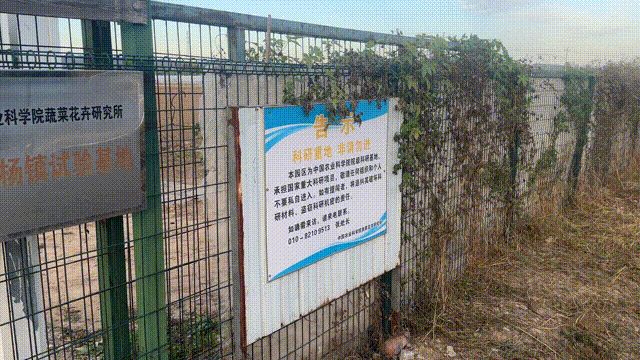
The small farmers are very curious
With the gang
Sneaked into the specialist's garden。
Let's see what the small farmers found today
Go!
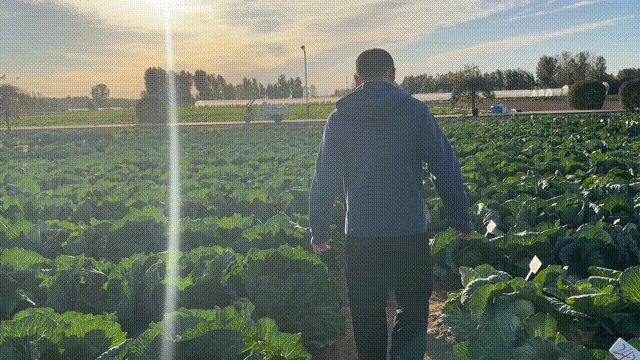
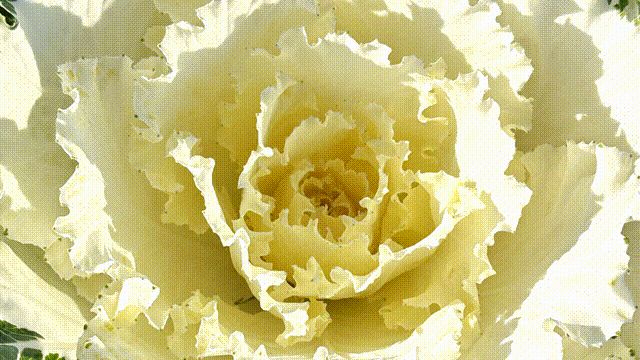
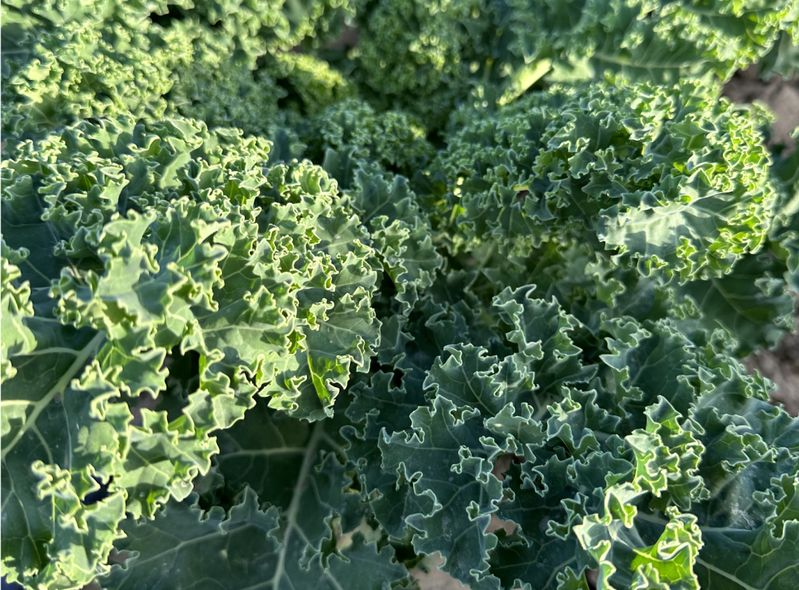
Wait! What's this place? There's purple, white, yellow, even pink! Are they flowers or vegetables
Small-scale farmers have a hard heart, but they don't know what to do with the poaching. Today, small-scale farmers have the privilege of “frequently encountering” zhang yong, the lead researcher in the gan blue genetic breeding of the institute of vegetable flowers of the chinese academy of agricultural sciences, for the expert to show us the immersion of science。
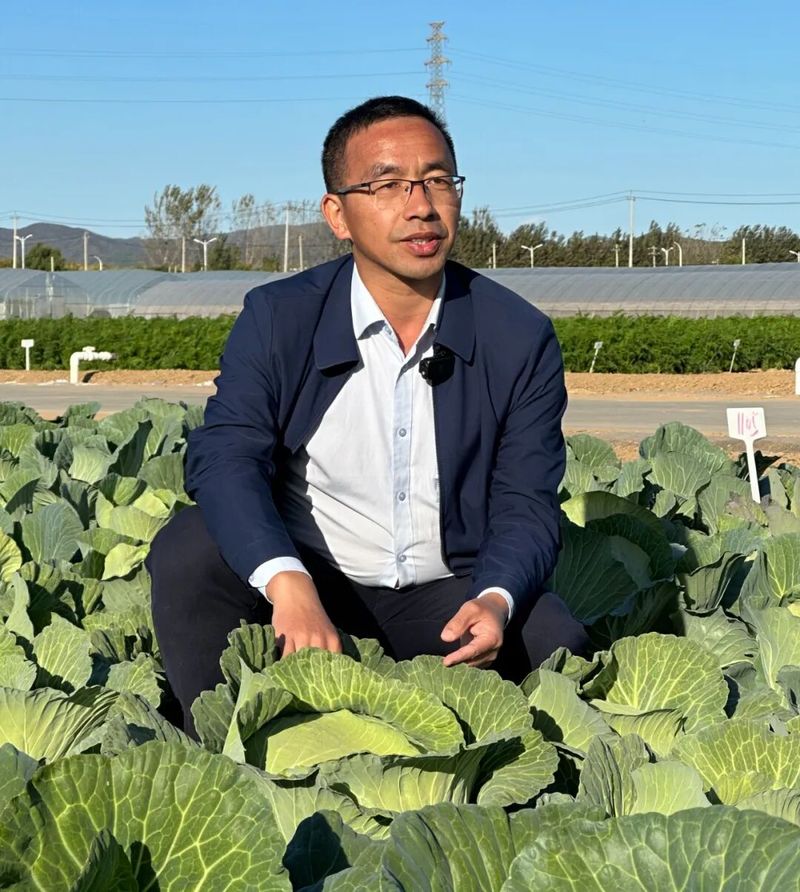
Zhang yong fellow told small farmers that what was seen earlier was the glamour (in the broad sense of kale), which was edible, but more importantly its value. The colours, the variety of the leaves and the severity of the cold make it extraordinary。
Every time the autumn wind blows off the leaves (about october)
It has its own "high-light moments" and it has its own "high-light moments."
Until around december, it was extremely valuable。
The yangtze river is an area that can even be extended until march of the following year
Promise the small farmers that the next time they see it in the park
Don't be emotional
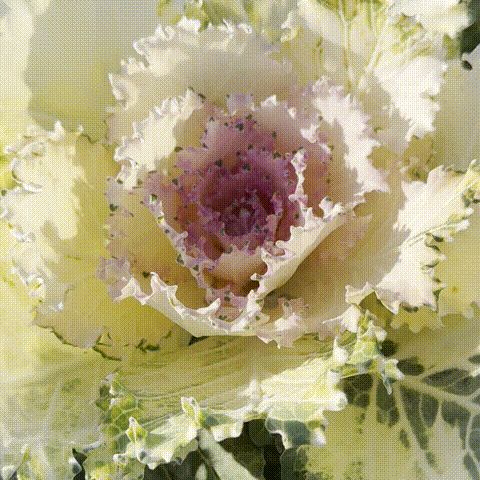
"why is it a bit like flowers and a little like cabbage?"
It belongs to the kale
It's a "relative" relationship with the ball kale common on our table
As they look like flowers
This post is part of our special coverage yemen protests 2011
It's a rare winter beauty。
Of course
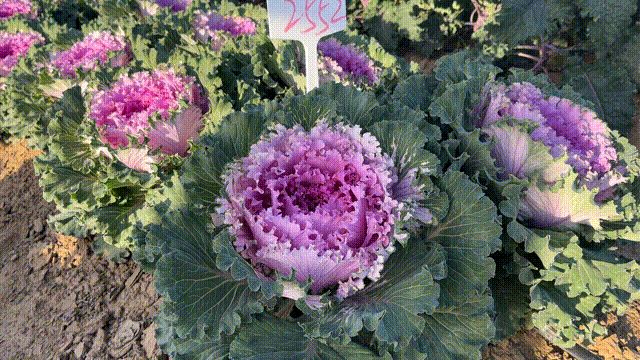
Small farmers don't suggest you strip off its leaves and eat them
It's just too beautiful。
Do you want to eat it or do you want to eat it
Eat the kale
They're all kale
It's both nutritious and low fat
If you eat it, you can eat it。
But
Why do they have so many "diverses"
Why don't we start over
Get to know the garang family
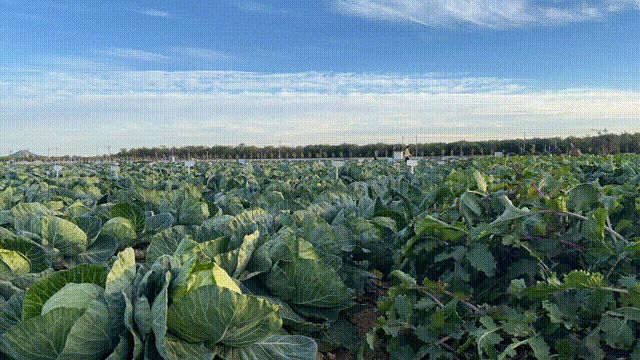
Garland origin
Zhang yong researcher told small farmers that kale originated on the mediterranean coast and was rich in wild resources。
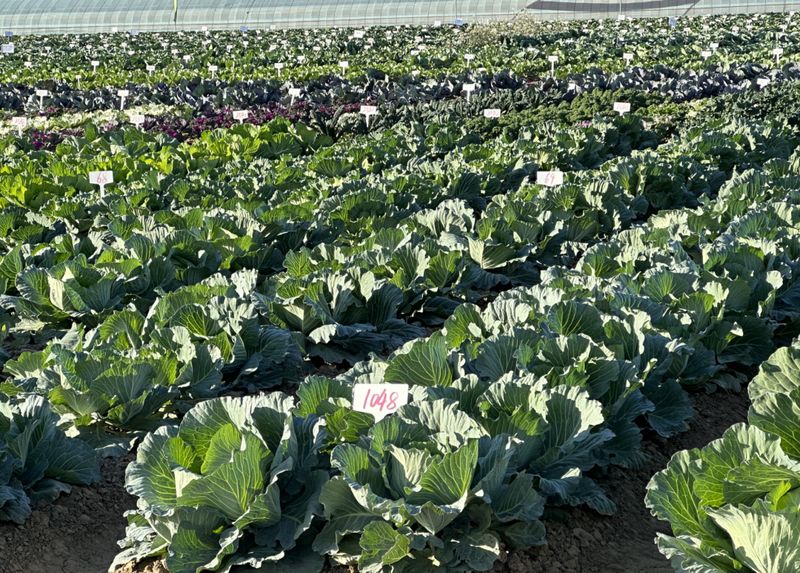
In the 13th century a. D. Gradually chosen in the blue, the ball is loose, suitable for cold weather and then spread to countries around the world. In the 14th-16th century a. D., kale spread to italy, england, etc., gradually dividing purple kale and wrinkled kale. Around the sixteenth century, kale was introduced into north america. In the 17th to 18th centuries, garang entered asia, and at the end of the 17th century our country witnessed a record of the cultivation of the ball。
Garland cultivation
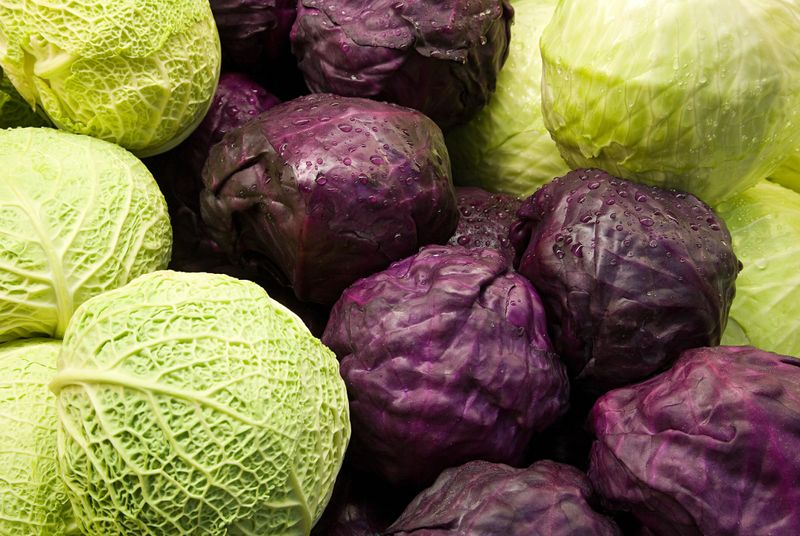
It is believed that many people have heard of the name “black cabbage”, which was initially not widely cultivated in our country, and that cultivation began to increase in the last century, with a rapid increase in cultivation at the end of the last century and at the beginning of the current century, becoming a home-grown vegetable on our table. Today, garang, with an area of 14 million acres, is one of our major vegetables。
Garland classification
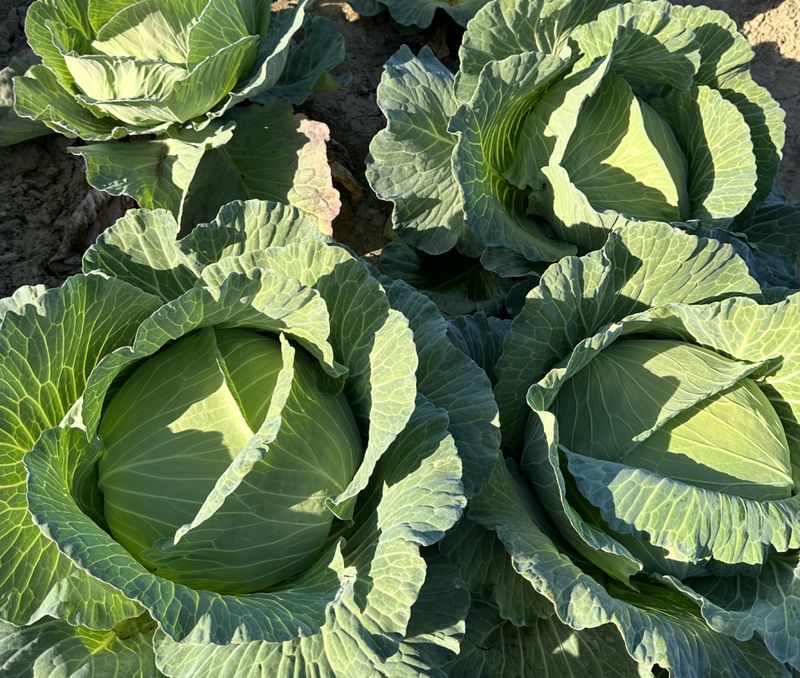
The experts told small farmers that there were two types of ball slurry, according to the ball slurry shape (form) and by the planting mouth。
By sphere
The spherical (form) shape of the ball can be divided into three broad categories: ball, point and flat。
Balls of kale:
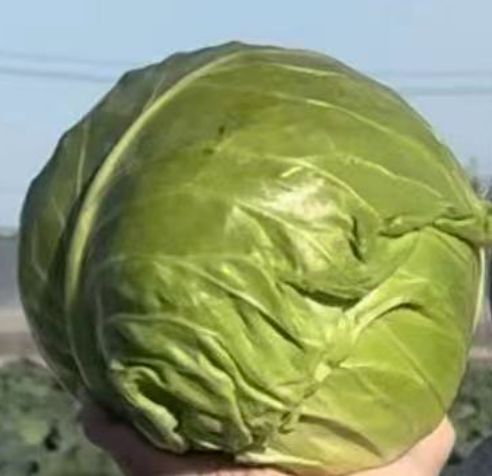
The sphere is relatively early, small and resistant (which is not easy to flower)。
Pointy ball blue:
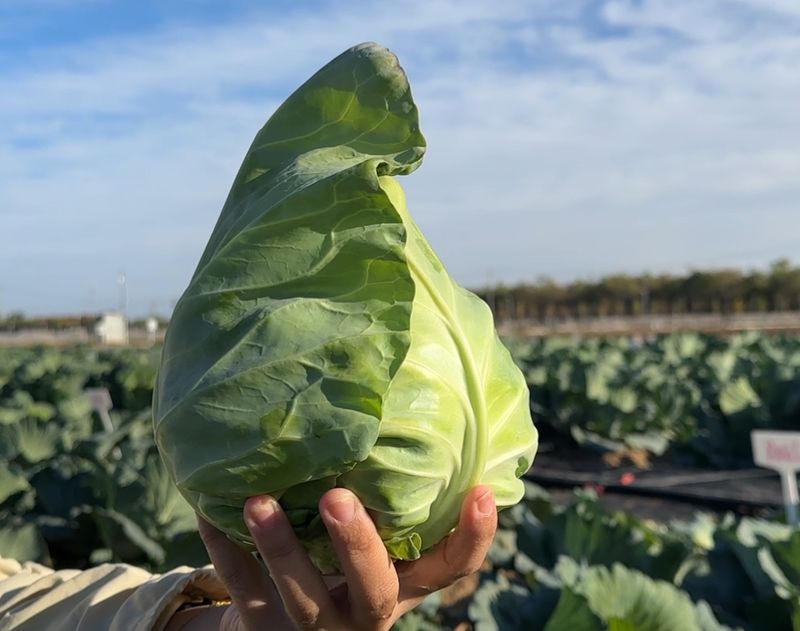
It's long, hairy, relatively good. The ball is looser, is not too tight, is more resistant and is relatively sophisticated。
Flat circle kale:
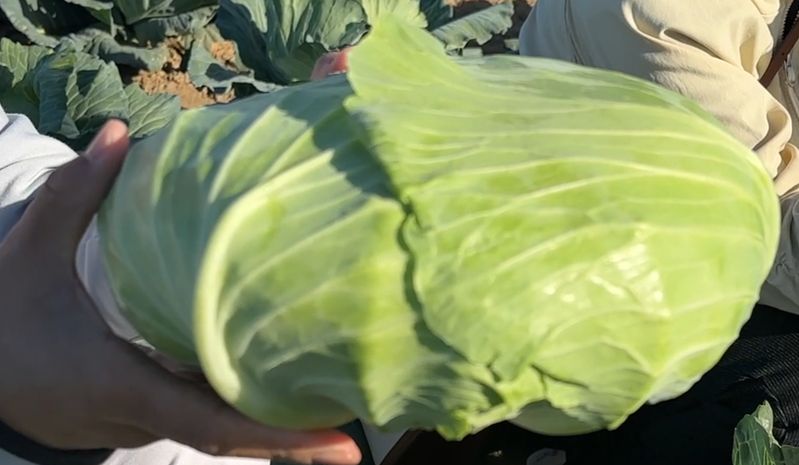
This type of kale is more fertile in the mountains of the south-west, where the soil is relatively poor. Our flatball kale cultivation is more common and, in recent years, with the miniaturization of families, the increase in consumption levels, the diversification of consumption, and the growing consumer preference for round and sharp kale. Breakdown by planting pits
According to the planting mouths, the condensed kale can be divided into sprout kale, shar kale, kale, kale in winter and kale in facilities。
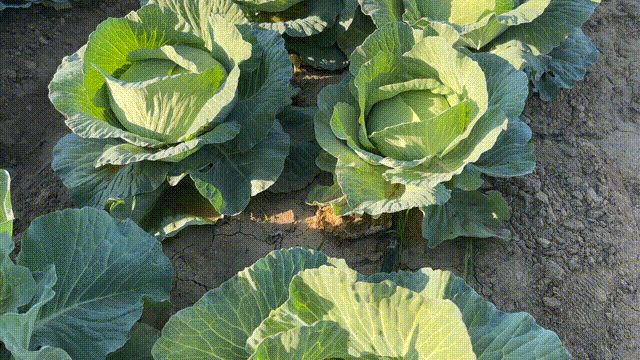
The main growing season of kale, such as spring garang, is in the spring, and the northern part of china is listed around the “51st”. The main growing season of chagarin is in summer, requiring good heat resistance from the kale variety. This is also the case for “highland summer vegetables”, which are grown in the cold and cold seasons of high altitude areas。
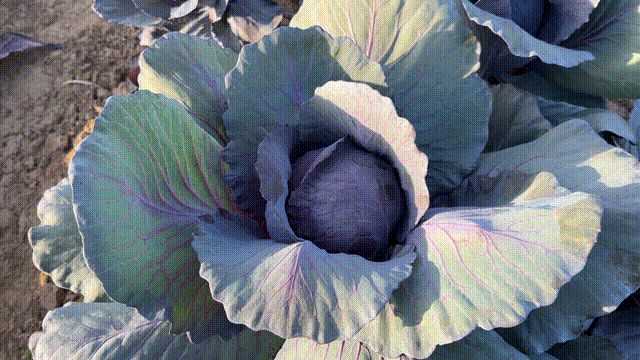
The main growing season is autumn, with north china listed in october-november each year. The main area of winter is the yangtze river basin, which is cultivated upstream and downstream. The minimum winter temperature in this region is at 0°c, which is a “natural refrigerator” and does not require additional heating of the kale plant, which can survive in the ground, so that the long supply of kale over the winter runs from december to april of the following year, and plays an important role in securing the food basket. Facilities
Garang is also suitable for facility protection and can be cultivated in greenhouses, large and small arches. The supply period is march-april of each year, and it meets the demand for vegetables in the early spring and late spring before the spring blues are marketed。
Garland nutrition
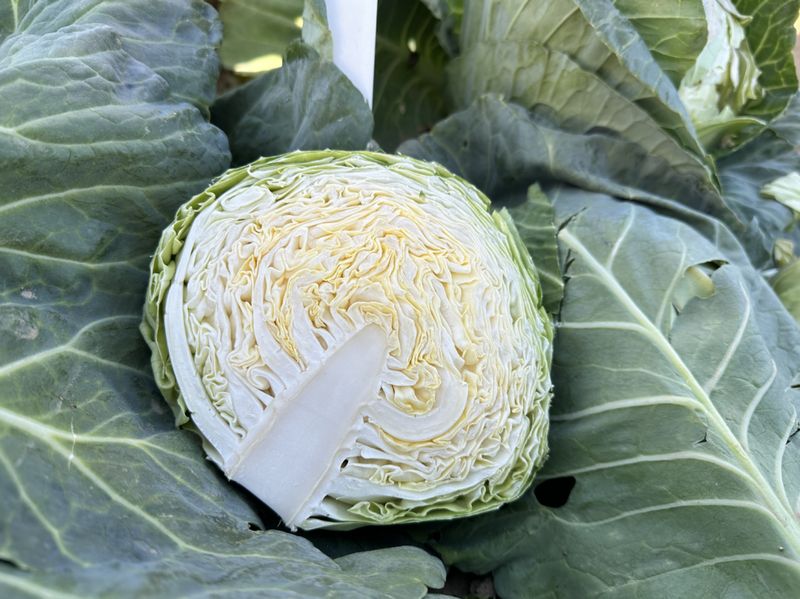
The kale comes from the euro-mediterranean coast and is the first to be domesticated in germany, and in the eyes of the germans, cabbage has the unmistakable status of “king in the food” and is convinced that it can be “treated”. There is also a series of cabbage “breeding recipes”, which are fermented with yogurt and made into sour pickles. This is also an essential ingredient in the german dish sour pickle pork ranch。
In recent years, the nutritional value of kale has become increasingly valued with the increase in the area under cultivation in our country。
Studies have found that kale is rich in trace elements such as calcium, potassium, phosphorus and iron, which are important for sustaining some of the decisive metabolisms in the human body。
The kale contains rich secondary metabolites, such as radish sulphur, and is carcinogenic. The kale is rich in vitamin u, which helps to heal the ulcer。
According to the expert, not only is the kale very productive, resistant, nutritious, but most importantly, it is good and everyone wants it。
What's that smell
Garland sweet
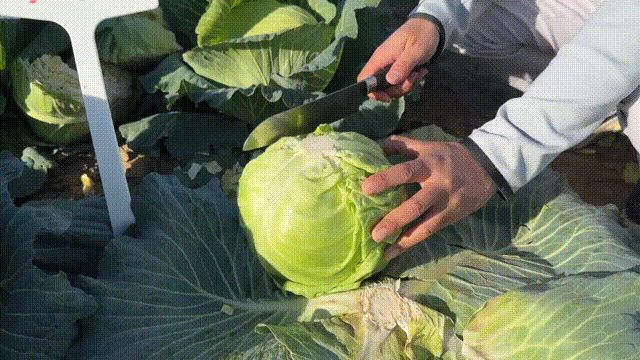
It's the first time that a small farmer and a small partner have gnawed green leaves in the ground, but it's amazing how good it is! It's so scrawny and sweet, like it's eating fruit。
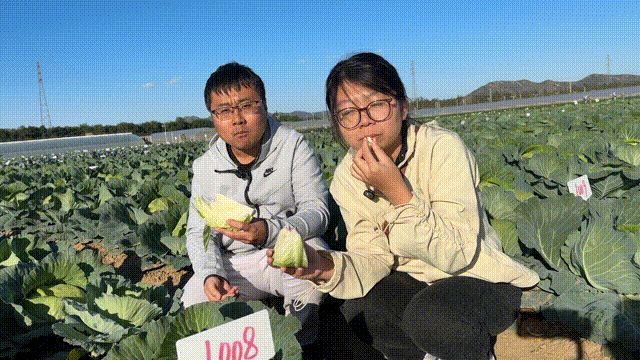
Small farmers are curious. Can all kale eat
Zhang yong fellows told small farmers that kale is foodable, as long as it is formally purchased, the planting process is standardized, and the cabbage is tested for compliance。
However, being able to eat raw does not mean that all varieties of kale are good and fit。
In some cases, the kale varieties are stored, stored, and tasted harder, and are not suitable for raw food。
Some warmer green leaves can also affect taste. The expert said that, taking into account resistance, quality upgrading was the breeding direction of kale. It's good, but it's good。
If there are young people who like to eat kale, the small farmers suggest that you pick sweet fruit kale
Garland leung
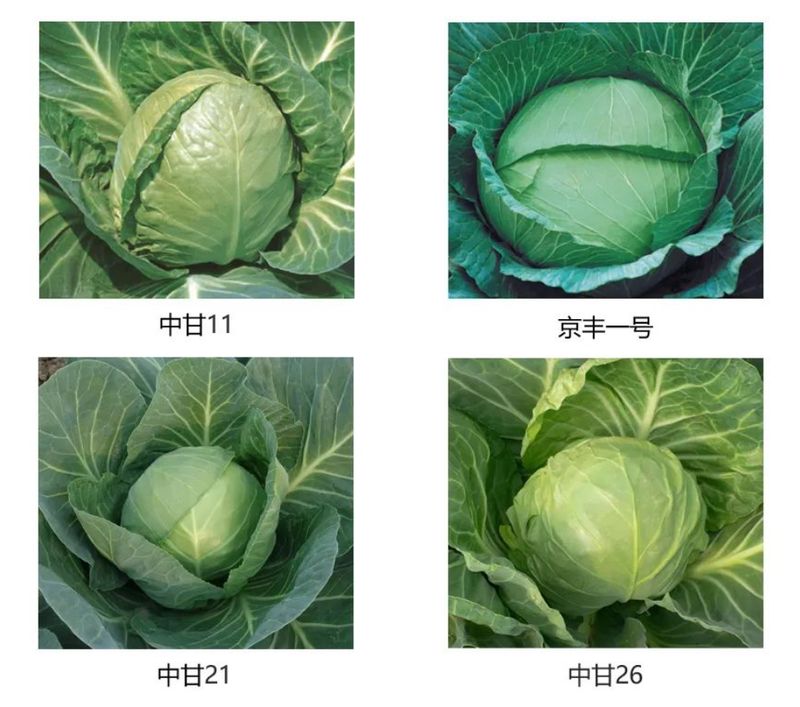
In recent days, four kale varieties selected by the institute of vegetable flowers of the chinese academy of agricultural sciences have been selected for the country's top ten varieties
Medium g. 11
The term “middle glycol 11” is the pre-literated cylindrical kale, which is so soft in the leaves that it is resistant to pre-smoking and is resistant to heart disease. The "middle gyan11" achieved a breakthrough from flatball to roundball。
“chonggan 11” received the national prize for scientific and technological progress in 1991。
Medium g-21
The “middle gyan21” complex is prominent, spherical, high-quality, pre-employable, fissure-resistant, adaptable and suitable for cultivation in the northern and high plateau (summer highlands)。
“strengan21” received the national prize for scientific and technological progress in 2014。
Medium gan26
The “middle gyan26” for the protection of dingang blues is the most recent form of kang blue, which is green, loose, soft, commercial and pre-smoking, and is highly market-oriented。
Kyo feng one
According to the expert, the “kyoto i” was the first kale hybrid in the country, which was nurtured in 1973 by the fong jiji academy and is now 50 years old. In 1985, he received the only national prize for technological innovation in the field of vegetable science and technology。
The "kyoto 1" is a flat ball of kale, of good quality, adaptable, known as the "ten powerful", with a strong combination of abilities, and can also bear a ball in mountainous and marginal areas. Once promoted, widespread cultivation has been carried out throughout the country, which is a rapidly growing species of cultivation in the country。
To this day, kyoto i continues to be the largest growing species, playing an important role in the production and consumption of our kale。
Of course
It's a fine kale breed made by a team of experts
Many more
The expert says he hopes for the future
The kale series is more and better for the people
Provide support services。
The small farmers are here
Pay tribute to the deep-drop scientists on the first line