Hello, i'm the best of cocoa, and i bring you up to date every day
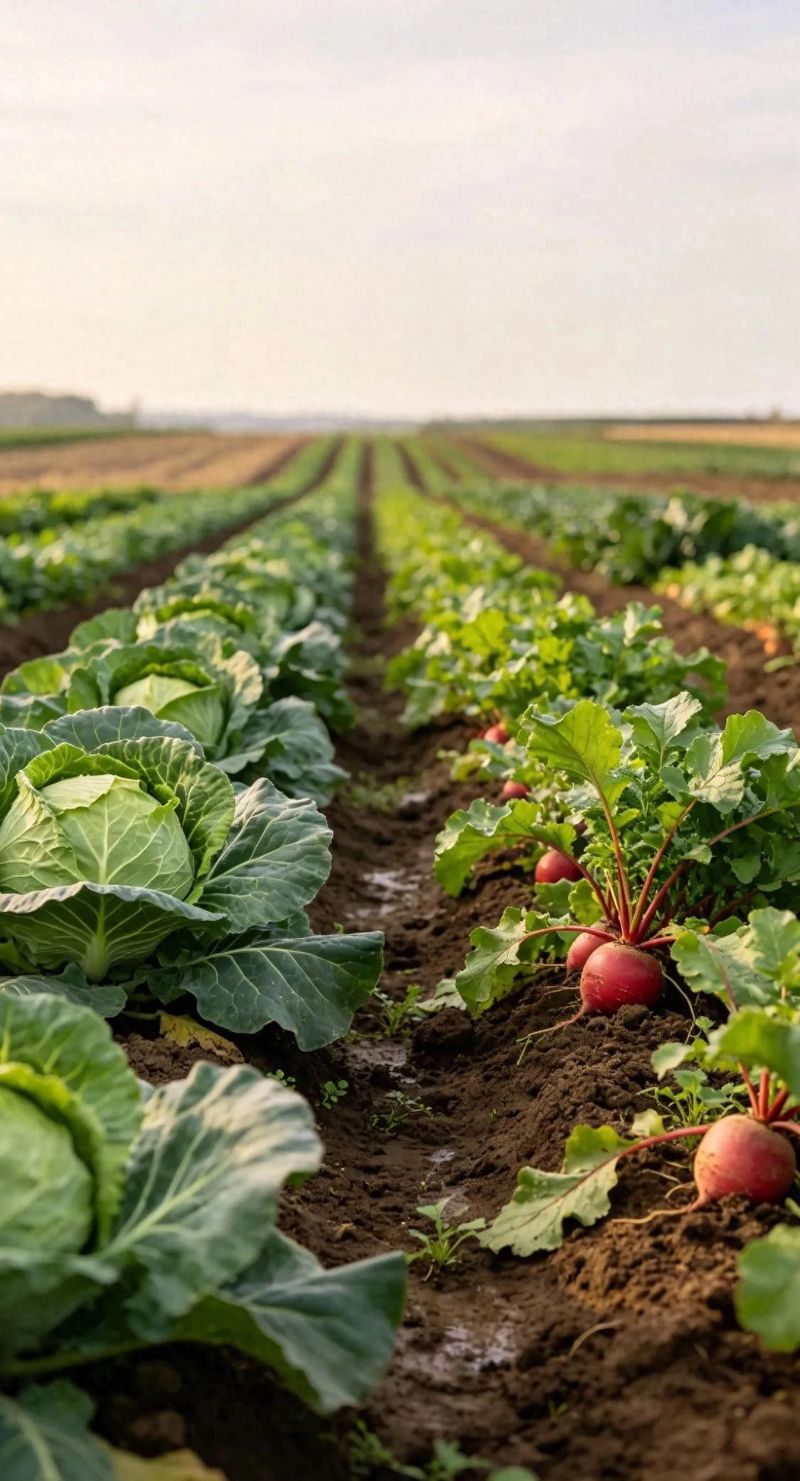
The official autumn of 7 august marked the most critical turning point in the planting of vegetables throughout the year. A large number of freshmen can easily step on the pits, either still growing hot food in the summer, growing wild, fruitless and early aging; or missing the autumn-gold window, planting too late, freezing too late to cool, and growing and confiscating vegetables。
The old breeds often say, “autumn planting, fall and winter, one after another”, after which the temperature is slowly rising, the soil is fertilized in a suitable way, and the vegetables grow sweet, with few pests and diseases and high yields. Whether it be rural gardens, gardens, or balconies, it is only possible to pick up the node of the fall and select the type of vegetables and the time to sow them, to eat fresh vegetables in the autumn, to save winter, to harvest them in the early spring and to eat vegetables for six months。
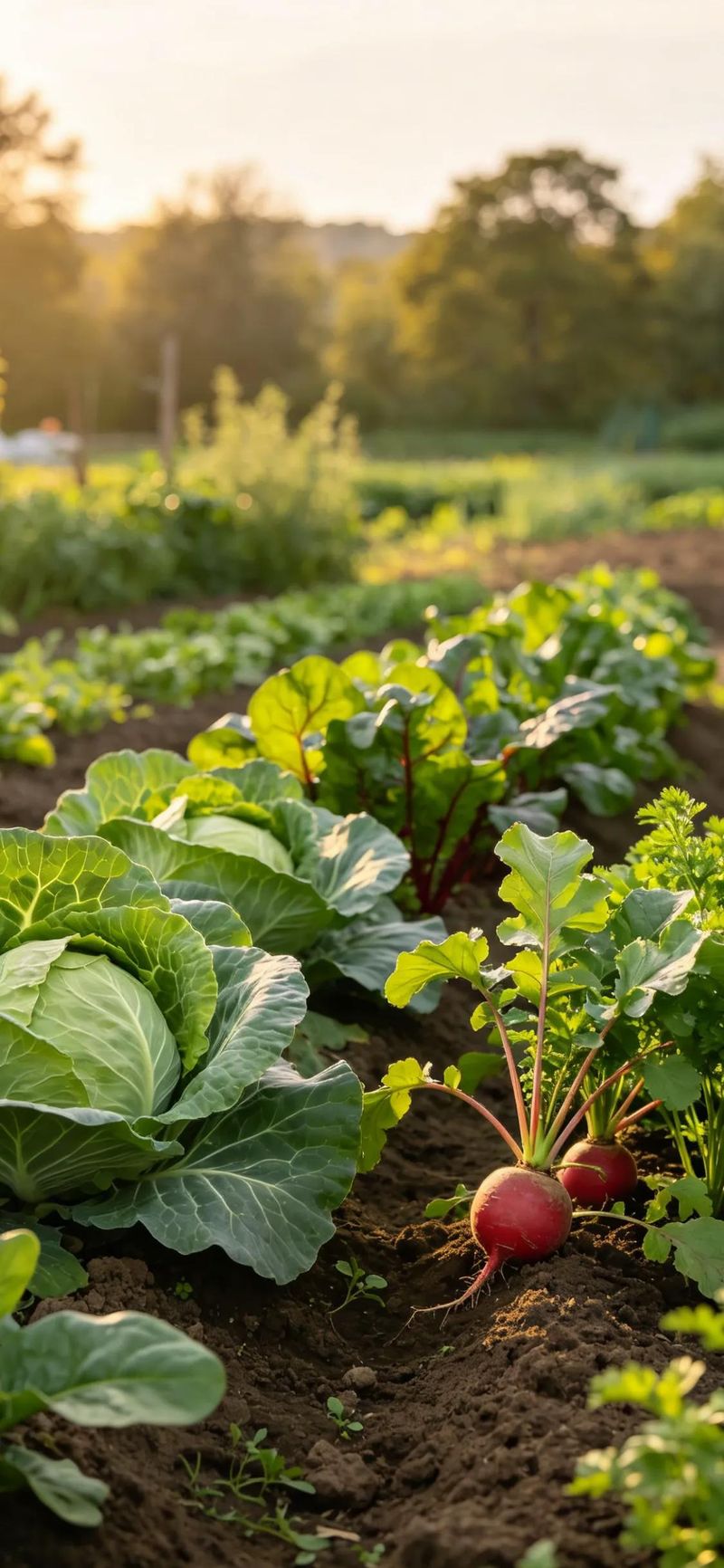
Today, a practical, web-based, autumn-specific culinary table has been prepared, broken down into root and root vegetables, cabbage for winter, quick pickles and winter vegetables, to refine the country's planting time, planting techniques and at the latest the duration of planting, avoiding all the faults, so that ordinary people can produce a good harvest。
I. Autumn root and root: autumn and winter master, durable storage, taste good
Root and root vegetables are the highest priority for planting in the autumn and the most durable and viable vegetables in winter. They are not prepared frequently. They can be kept in the open and stored in the cellars as they mature, from autumn until spring。
1. White carrots, blue carrots, fruit carrots
Gold broadcasting period: 5-15 august in the north, no later than 20 august; 10-25 august in the yangtze basin; south china could be postponed until early september
Carrots are cold, heat is cold, heat is high, temperature differentials are higher, and this is the best time for meat to swell. The radish sows before and after the autumn do not cause the problem of empty, bitter, forklifting summer radish. The meat is strong, the juice is sufficient for raw food, stew and pickles。
Point of cultivation: radish is a straight root vegetable with the greatest fear of soil slabs and quarries, which must be ploughed with deep soil before seeding. On-demand planting is used to distribute seedlings in a timely manner to avoid overcrowding. In the early autumn, heavy thunderstorms must be raised, the drains must be dug, the fields must be protected from the puddles of water, the swelling period must be filled with a small amount of potassium fertilizer and the carrots must be larger and sweeter。
Carrots
Gold broadcasting period: best time for national reunification from late july to autumn, not later than 10 august
Carrot seed shells are hard, germinate at a slow pace, have low seed rates and are long-lived, and are largely no longer suitable for seeding after autumn. You don't have the balls to hold on to the final window period and miss the next year。
Plantation highlights: 12 hours of seed seeding with warm water to impregnate before planting, significantly increasing the rate of seedling. The soil should not be too thick for the choice of lax sand. Vacuum protection is provided before seeding, high temperatures are avoided, small-time water is soaked and soil wet or not。
Ii. Food winter reduction: further house and house
The large cabbage and the caterer are traditional winter masters, and are also the core of the machete, which is so well stored throughout the winter and can be used in daily stew, pickle and drying。
1. Autumn cabbage (winter reserves)
The golden period: before 5 august in the northeast, high altitude mountains; early in august in the north china, the huang cai region; mid-august in the yangtze basin; early september in south china
The old saying, radish, two volts, fits the pattern of cabbage in the north. In the middle and late-winter season, cabbage must be grown early, for a long period of 80 to 100 days, sowing at too late late late temperatures, with loose cabbage and light weight, and freezing and decomposition after frost。
Plantation elements: priority is given to cold-resistant medium- and late-lated varieties, with the use of small, high-sprung plants to prevent scavengers and soft rot. Insects are protected during the nursery season, with a focus on the control of larvae and leaching, so that the seedlings are not eaten. The guacamole period follows the weight of the water, is balanced with dry and wet water and prevents cabbage from drying and cracking。
Kale, cabbage
Golden season: nursery before and after the fall, planted in mid-august shizuku
In the case of kale and cuisine, which are afraid of heat and heat, the fall temperature is suitable for the growth of the seedlings, the fall temperature is very different and the ball is tight and high。
Plantation highlights: covering the rain during nursery time and avoiding heavy rains on seedlings and high temperature seedlings. After planting, water and seedlings are distributed in a timely manner, they are applied in a living manner, they promote the growth of leaf blades, they control fattening at a later stage, and they contribute to the formation of the ball。
Iii. Fast-growing green leaves: short-term harvests and picks whenever you eat
After the autumn, hot and empty cabbage and pickles are becoming obsolete in the summer, when the pick-up is 30 to 40 days away, filling the early and autumn vegetable slots, and the balcony and garden can be easily grown。
1. Potatoes, gravy
Gold broadcasting period: between mid-august and early september, in batch seeding and collection
This type of leaf is cold, cold, hot, cold, cold, cold, cold, cold, cold and cold。
Plantation elements: selecting heat-resistant seedling varieties, sowing them to keep them wet, and giving them timely light. The growth cycle is short, without the need for strong fattening, and soil is kept moist, so that small seedlings can be harvested in denses, and seedlings can be kept large and harvested on a continuous basis。
Spinach, fragrance
Golden season: late august to mid-september
Spinach and cuisine are extremely afraid of the heat, they are barely seeded in the summer, and they are the best planting period after the fall. These two vegetables are extremely cold-resistant, with an open winter in autumn and winter and a softer taste after snow。
Plantation highlights: spinach seeds are pre-cooled to break the hibernation; fragrance seeds are replanted and seeded faster. Shrimp periods are characterized by heavy flooding, dry and wet soil, and there are few cuisine and spinach pests growing in low-temperature environments, with little use of medication。
Iv. Autumn and winter winter cuisine: long-activated till next spring
These vegetables are resilient, growing in the early spring of the following year and growing and harvesting in the autumn and winter, and have been sowing and eating for six months at a time at very high prices。
1. Cabbage, shanghai green, oilseed
Golden season: all available in august, in batches
The growth rate is fast and adaptable, with seedlings being grown in the early autumn for 25 days or so, so that they can grow over the winter, and in the spring they can smoke and eat the moss。
2. Mustard
Golden season: planting mid-august
The mustard is a special vegetable for pickles, growing in the autumn and growing in abundance, with thick leaves, pickled in the fall and winter, prunes, durable storage, fragrance and a necessity for farmers。
Five, four big taboos for the liqiu food
1. Desperate summer vegetables: no more cucumbers, bean horns, empty cabbage and pickles after autumn. Such vegetables are hot and warm, and later light is short and temperature is low. They will only produce fruit and waste land。
2. Overstretching and flooding: early autumn temperatures are still high and the seeds are too deep to be sprouted; high-temperature water can burn the roots of vegetables, resulting in dead and cold seedlings, and early and late water can be given。
3. Obsessed: radish, cabbage and cabbage are all cross-facing crops, which are not planted in the same area on a continuous basis, tend to accumulate bacterial pests and diseases, causing rotting roots and high levels of disease, and shifting cultivation as much as possible。
4. Nut-heavy light potassium fat: accumulation of nutrients is required in the later stages of the autumn fertilizers, the application of nitrogen fertilizers can only lead to the development of wild leaves, the non-breeding of roots and cabbage, and the application of potassium fertilizers in the later intermediate periods。
Vi. Summary of simple cultivation in the southern arctic, once seen
(b) cold areas in the north: priority is given to picking up carrots and cabbage, all of which land in early august, with a combination of spices and spinach seedlings
(a) the central temperate zone: planting root vegetables in the first half of august, planting cabbage and kale in the second half of the year, with a reasonable mix of mouths
In the hot areas of the south, large-scale seeding began in mid-august in the middle of the year, with a focus on cold-skinned cabbage and late ripe cabbage。
The core is “no delay in looting”, taking advantage of early autumn temperature differentials, choosing varieties, setting time limits, and not trying to manage them, so that a good harvest can be made. Rationally planned planting mouths, fresh food in the autumn, winter winter and spring raisins, so that the gardens are not empty for four seasons and the vegetables are self-sufficient throughout the year。
Interactive topics