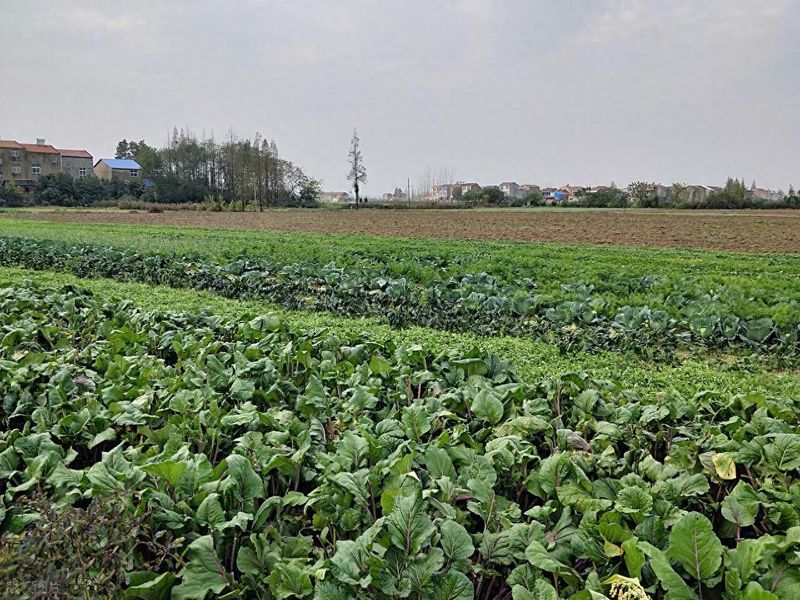
The summer is the highest and most abundant of the year, and the temperature will not decline immediately after the summer, but the temperature differentials between day and night begin to increase slowly and the soil is abundant, the start of all kinds of spring and winter vegetable planting and nursery gold. Many farmers are unable to distinguish between what can be grown after the summer and what needs to be delayed, either blindly and early, with high temperatures causing small seedlings to grow and fail to grow; or lateness, missing the optimal planting window, late colds, inadequate vegetable growth cycles, and a significant reduction in production. The 10 types of vegetables that can be sowed and bred after the summer season are well-defined, with a clear distribution of seedlings and live broadcasts, and a fine-tuning map of the north and south, accompanied by high temperatures, wetting and flood-proofing practices in the field after the summer. The farmers' control lists are fast-tracked underground, holding on to the first wave of the autumn and winter gardens, and the harvest is not lost。
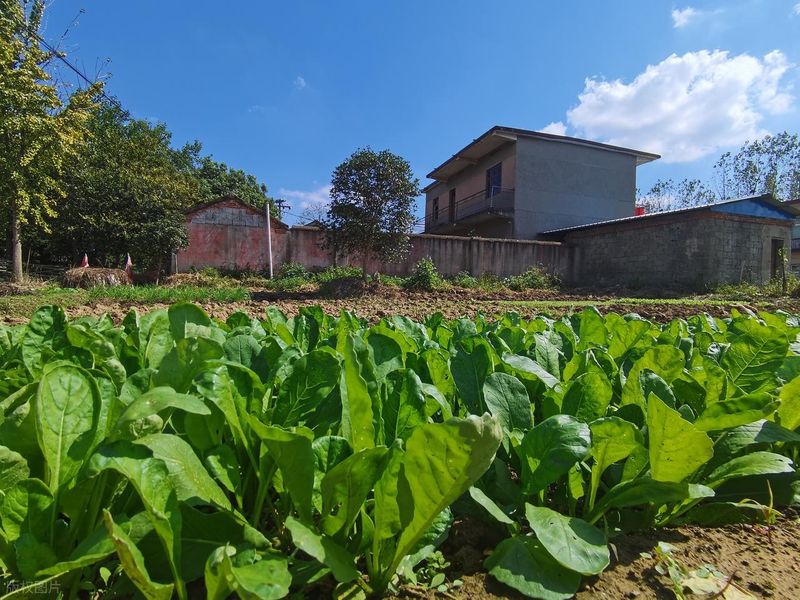
First category: priority after the summer for sunshield vegetables (not directly live and need to grow)
Premature for hot autumn flowers: sun-shield seedlings have been built throughout the summer, nurserys have been established in the north-east, the central light seas have been fertile throughout the month, the southern mid- and post-summer periods are the best, and plantings have moved around the autumn. After the summer season, when the baby is not bred in time, it waits for the summer to reoccupy, and later temperatures do not divide the balls, with only long leaves. Autumn kale: co-ordinated seedlings with autumn cuisine, managed in a consistent manner, summer sun-covered seedlings, fall plantings, october ball maturings, missed summer nursery window periods, loosed cabbage in the later part of garang, poor commodity orientation. Autumn: in the middle and late summer, the sun is covered, the seedlings are grown for about 25 days, the troughs are expanding rapidly in the early autumn and cold conditions, the nursery is delayed after the summer, and it is easy to draw the emptiness early after cooling。
Second category: direct live broadcasting of vegetables after the summer, so that the whole area can sow
Carrots: the summer is followed by a period of national fusion of gold, planting in the north-east in the first half of the summer, planting in the middle in the second half of the summer, planting at the end of the southern summer, keeping the sun wet after the seedlings, leaving a 90-day full expansion cycle to avoid later cooling. Autumn and four seasons of beans: live in the middle and post-summer season, high-temperatured seedlings, temperature suitable for flowering curds after autumn, heavy harvest in september, slow-down seeding, low-temperature and low-yielding bean production. Hot leaves (empty cabbage, cabbage, butter pickles, mussels): after the summer, the seeds are recycled in batches, so that every ten days, one round is collected for more than 20 days, and the summer and autumn vegetable slots are filled continuously, hot and wet, and there are few pests。
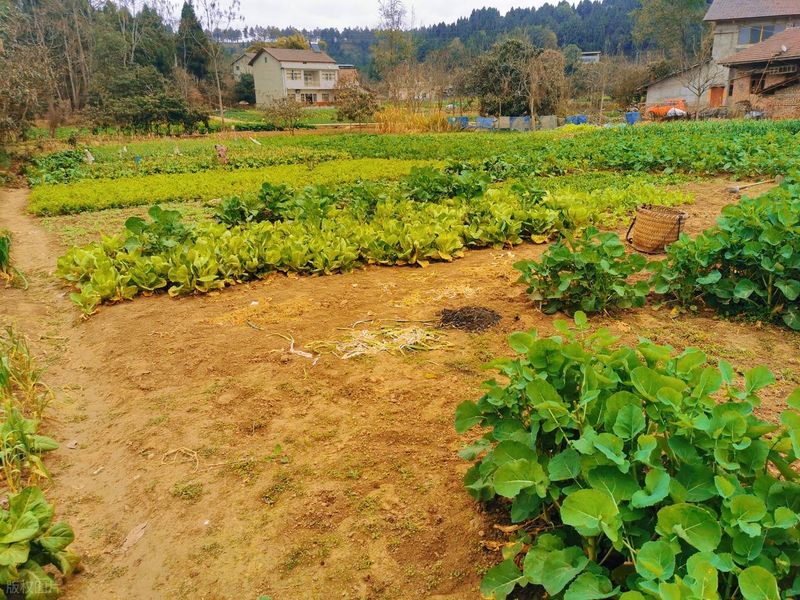
Third largest category: fatty after the summer, well-sowned root and leafball vegetables before and after the autumn
Autumn cabbage, white carrots: no direct planting during the summer, but it is necessary to hold on to the deep tillage, to fertilize the tans, to prepare the fertilized farmers, and to sow them until the fall of the autumn temperature. The summer was lazy, the earth was turned in the autumn, the earth was not sufficiently sterilised, and cabbage was prone to sprouts, gangs and empty hearts. Autumn potatoes: the sub-region planted seeds at the wrong peak, the planting was completed in the north-east early in the summer, the planting took place at the end of the central north china summer, before the fall, after the broad autumn of the southern gang zhejiang, after the summer, and the sprouts were cut up in time to prevent the accumulation of water saplings。
After the summer, there was high temperatures and heavy rains, with the planting of three core tube-care techniques to avoid the planting risks associated with high temperatures and heavy rains. First, all autumn cultivation must be high, 15 cm high in the north, 20 cm tall in the rain-fed southern region, deep-drilled drains of drains, quickly draining water after heavy rains to prevent suffocation of seeds and small seedlings; second, seedlings and seedlings must cover the sun and water, with three centimetres thickly covered in the face, to cover the midday light, to lock the earth's water in order to avoid high temperatures on the surface. Dead seed, seeding up 80 per cent; and, third, watering is strictly selected from 6 to 8 a. M. And after 7 p. M., a small number of light water spills will prevent high-temperature and heavy water flooding during the afternoon, and cold and heat temperatures can easily cause flowers, sprouts and foliage。
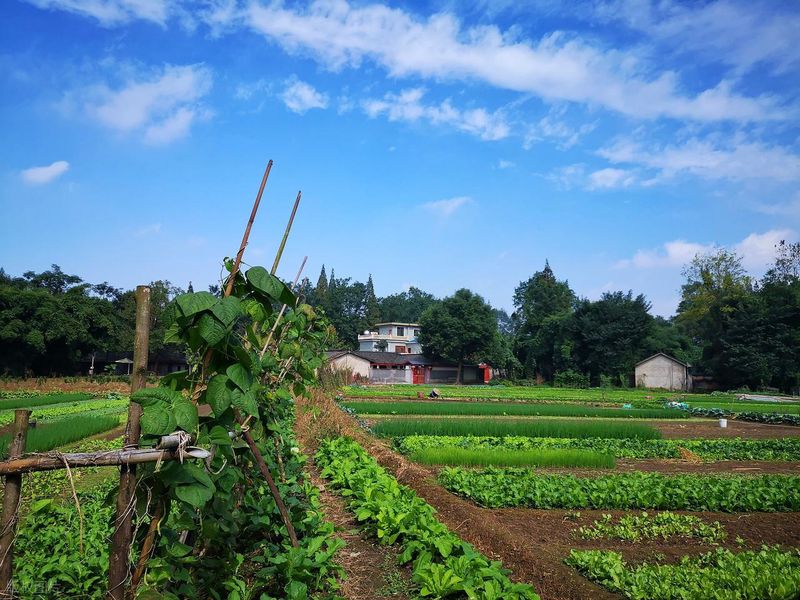
Farmers are the easiest to grow after the summer and must be avoided. First, there is direct direct live broadcasting of all kinds of products, vegetables such as cuisine, kale and tungsten, which require seedlings to grow, and very low rates of survival; second, low levels of low-intensity seedlings, high levels of rain, high levels of stifling seeds, root systems, low levels of seeding and deadness; and third, prolonged seeding, missed summer and autumn windows, late colds and frosts, inadequate growth cycles of vegetables, small, unheard and non-balled, and significantly reduced yields。
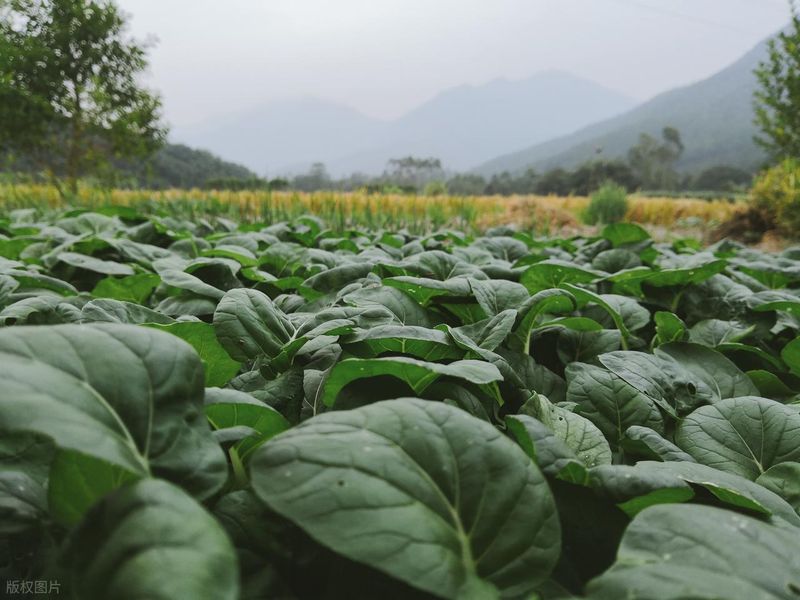
After the summer, the window was officially opened, 10 types of vegetables were distributed, broadcast live and seeded later, and farmers were fine-tuned to their local climates for planting time, giving priority to vegetable, cabbage, cabbage and sun-shield seedlings, broadcasting carrots, acupuncture bean horns and fast-resilient hot leaves, preparing them for the planting of twilight cabbage and radish, combining three high-temperature tubing techniques with flood-proof, sun-shielding, early and evening watering techniques, avoiding all kinds of planting errors, holding on to the post-tsunday periods of gold, and a steady production of the autumn gardens during the season。
Vegetable cultivation