They are also known as herbs or herbs, which are a combination of fungi, so that they are not flowers or winter savannahs, but are similar to winter savannahs, which can cook, make soup and have medicinal value. In addition, herbs can be grown in the same way as edible fungs such as mushrooms and mushrooms. As the demand for medicinal products rises, so does the growing popularity of herbs, which are now shared with you。
1. Separability of bacteria
The separation, purification and cultivation of bacteria are difficult and critical. The tissue separation with a *bacterium is followed by the cultivation of finely purified seed, which is then expanded after artificial purification, and the production of bacteria for large-scale cultivation。
2. Cultivation of bacteria
Potatoes, glucose, glucose, proteins, inorganic salt, etc. Are usually used to produce falciparum. A large number of cultivations use formulas such as rice, wheat, maize and beans and egg milk to produce a culture base, which needs to be eradicated when it is packed in containers (bottles)。
3. Inoculation of bacteria
The next step is to immunize the bacteria into the culture when the culture is ready. This process is to be carried out under sterile conditions, otherwise it may contaminate bacterial species and culture foundations and bring in fungi。
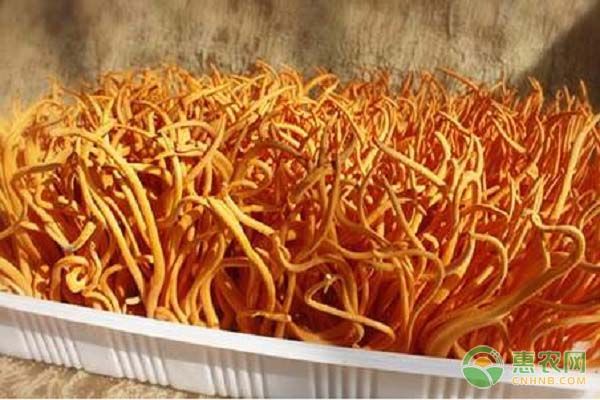
4. Training in germs
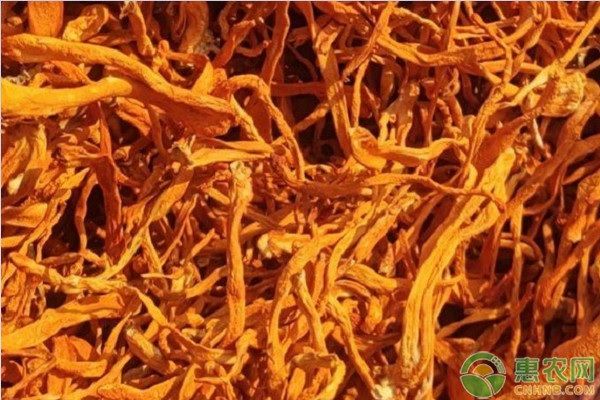
After vaccination, they are moved to the culture room, where they are trained. The fungus is suitable for growth temperatures of 15-25°c and the sub-seaps for growth temperatures of 18-22°c. A culture room needs to maintain a certain temperature, humidity and clean air. After two to three months of cultivation, the harvest can be achieved when the mats slowly become orange red or orange rods。
5. Collection and retention
When the raisins become orange red or orange rods and no longer grow, we are required to take them from the base with a small knife or scissors and put them into clean instruments for drying or drying in a timely manner, but never in the sun, so it is likely to fade away and lose its nutritional value. A dried subseason is stored or sold in a closed plastic bag. Following harvesting, the culturer is given additional moisture or nutrients, depending on the circumstances, and maintenance of the appropriate temperature allows it to recover growth, with the possibility of harvesting an additional 1-2 crops。
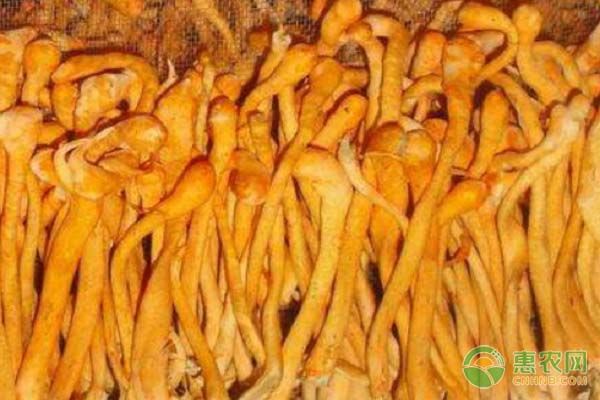
In conclusion, it is difficult and critical to separate, purify and cultivate the first bacteria in the technique of planting worms. Large-scale planting is usually done using formulas proportional to rice, wheat, maize and pulses, egg milk, etc., which need to be sterilized after they are fed into containers (bottles). When the culture base is ready, the bacteria will be inoculated into the culture base to be operated under sterile conditions, otherwise the bacteria and culture base will be contaminated and brought into the fung。
You may be interested in the content of the recommendations below。