Autumn open tomatoes, peppers were grown during periods of high temperature, drought, strong light weather, combined with high levels of virulent insects such as aphids in the field, powdered lice and parrots, and rapid, widespread and hazardous disease. The virus is a systemic infestation, and if there is no specific root cure for the widespread disease, the strains are dwarfed, the leaves are wrinkled, the flowers fall, and the whole plant is dead and the harvest is the core of the disease that constrains the smooth production of the autumn fruit and vegetables. Taking into account the characteristics of the field-planting environment and upholding the principles of “preventive orientation, integrated control, pest control, and fitness training”, the set of standardized measures is summarized below。
I. Identification of symptoms and causes of infection, precision of control
(i) main symptoms
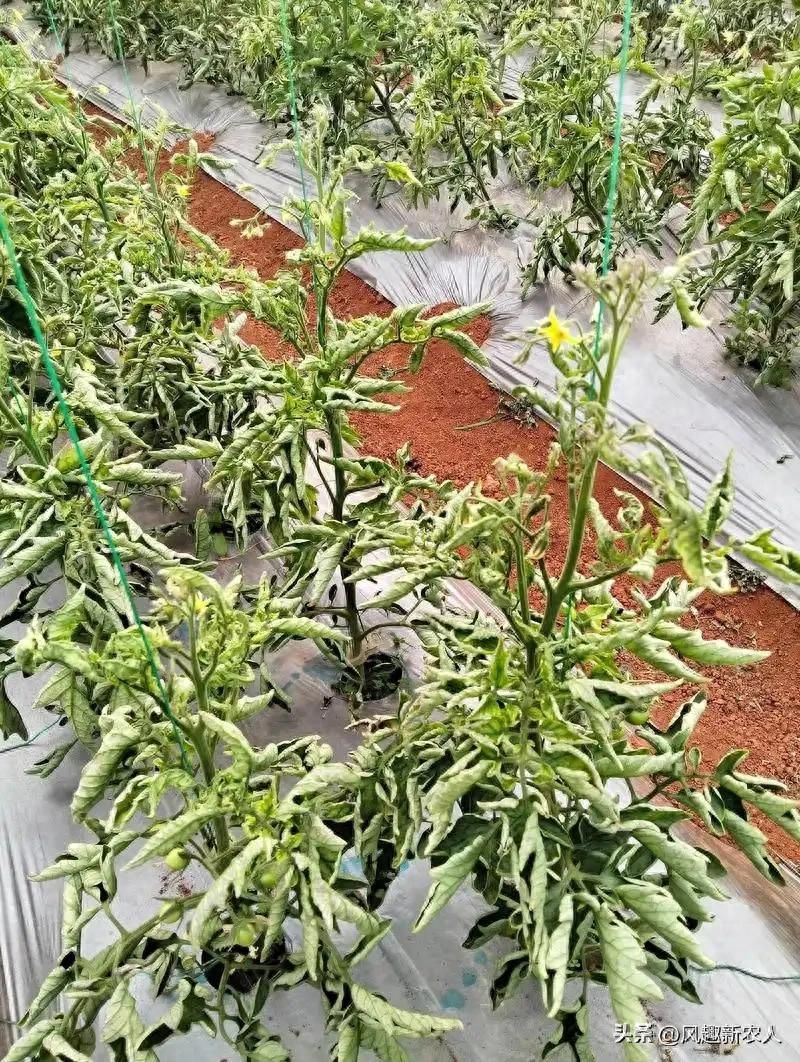
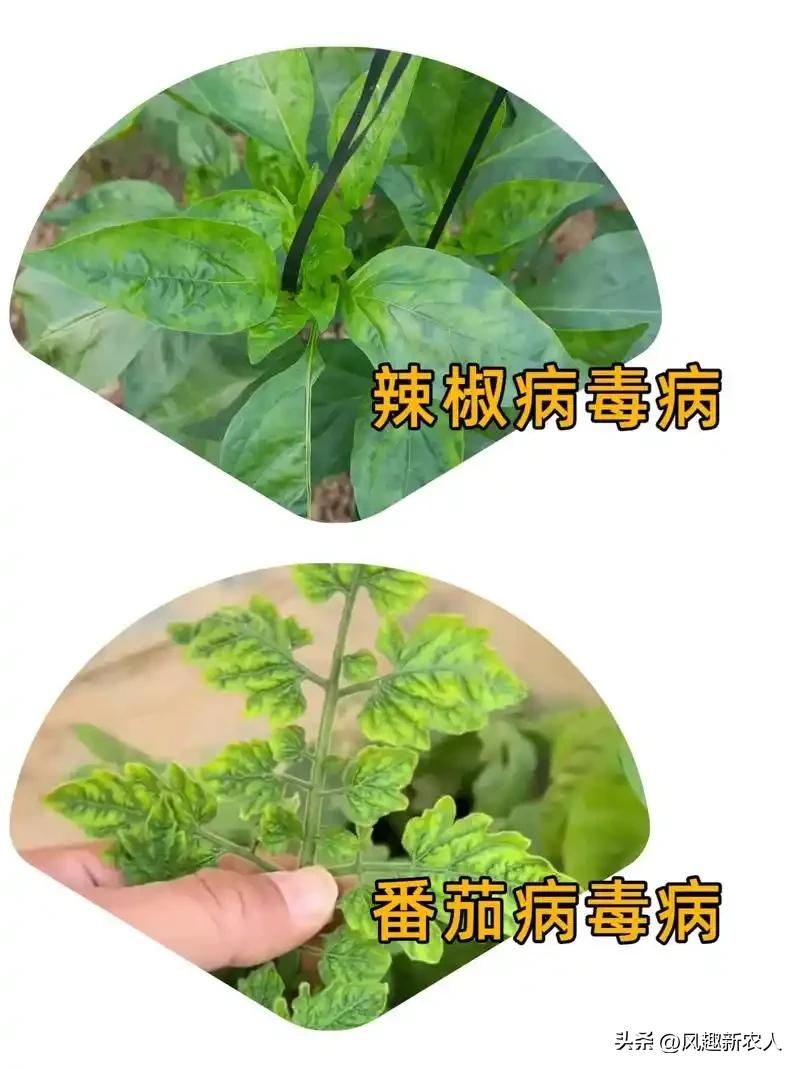
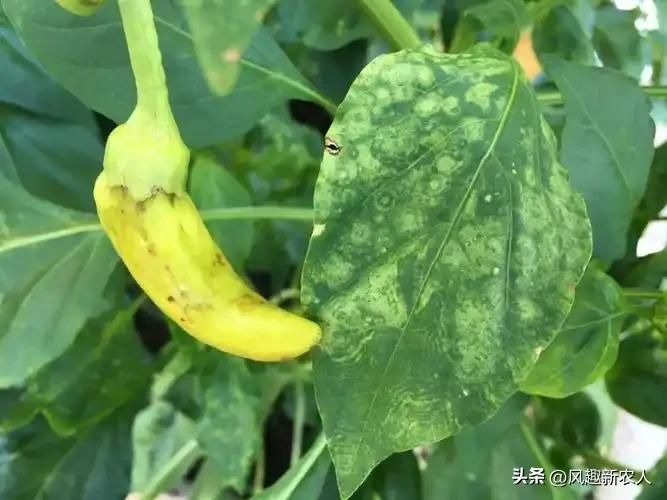
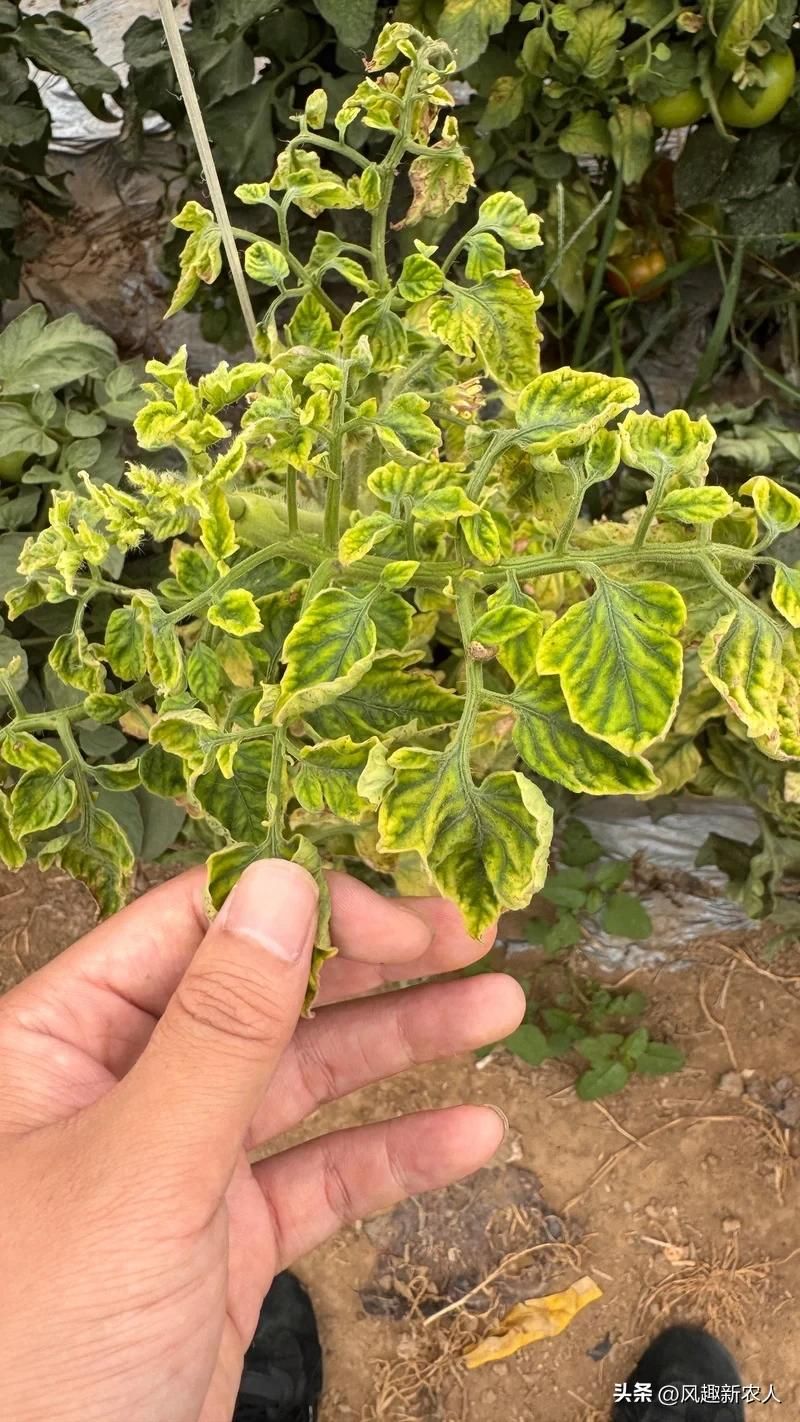
There are four typical symptoms of tomato and chili virus disease, which occur in combination in the fields: first, fracturing leaves, yellow and green leaves, curling leaves and wrinkles, and slow growth of the plant; second, cylindrical leaves, thinning of leaves and branches, shorter nostrils and condensation of the plant; third, malformations of fruit, rigidity, colour imbalance and poor quality; and fourth, yellow-coloured leaf, whole-leaf yellowing of the leaf, curling upwards and decreasing in light cooperation。
(ii) core induction factors
1. Climate drivers: the continued high-temperature drought in the autumn, the strong sun, and a significant reduction in the resilience of plants are the primary conditions for the outbreak of viral diseases, which are more conducive to their replication。
Insect inductions: aphids, pyrochlors and parrots are the main vectors of viral disease and are characterized by “venomous transmission, instant infestation and repeated transmission” and can trigger a series of viral diseases three to five days after the outbreak。
3. Incentives for seedlings: seedlings are the main source of disease in the seed age, and when unsterilized seeds and ill seedlings are planted, they form centres of morbidity in the field and spread over time。
4. Man-made incentives: farming operations such as whole branching, stinging, fruit harvesting, shifting plants, etc., result in the planting of wounds, which are operated in contact with strains, tools are unsterilized and result in artificial exposure to transmission。
5. Incentives in the field: weeding in the field, re-emergence, soil infertileness, water-composed imbalances can lead to a high base of toxics in the field, weak plant capacity and insufficient resistance to disease。
Agriculture prevention: the management of disease at its source and the establishment of basic lines of defence
Agricultural control is at the core of anti-autumn virus disease control, cutting the source of disease from seedlings, soil and plant management to the whole process, thus fundamentally reducing the probability of disease。
(i) selection of resistant varieties and strict control of seed sources head
Priority is given to high-temperature, anti-virus, adaptable varieties of tomatoes and peppers to reduce the risk of morbidity at the seed level. The planting of seedlings with disease is strictly prohibited, the nursery stage is isolated and pests are eliminated; seeds are sterilised before planting, and 10 per cent of the sodium phosphate solution is impregnated for 30 minutes after planting for four hours. Clean seeding sprouts are recovered, the virus attached to the seed surface is eliminated。
(ii) deep tillage and soil conversion to reduce the source of drug in the fields
In order to avoid heavy plot cultivation, parcels of former eggplant crops need to be treated primarily for disinfection. Pre-plant deep-tilled soil 25-30 cm, soil scrawl with high fall temperatures; re-emergence plots can be decontaminated using such agents as lime nitrogen and acre, keeping the ground warm from 40-50°c for 25-30 days, effective passivation of residual viruses in the soil and reducing the risk of earth-borne infestation. At the same time, weeds from fields, floors, ditches, which are winterers of viruses and insects, are completely eliminated, and the eradication of weeds can significantly reduce the sources of poisoning in the fields and their sources。
(iii) optimization of cultivation patterns and development of strong plants
(c) the application of high-strength planting and rational planting patterns to avoid poor field water and ventilation and to improve the small field climate. High-temperature and dry weather is infrequently watered, soil moistification is maintained, field air moisture is increased, high-temperature coercion is mitigated and strains are avoided due to early drought and reduced resistance。
Scientific compost, which is mainly based on consumable organic fertilizers, combines with potassium nitrogen phosphorus to produce a long-term reduction in the application of estuarine fertilizers and avoids the planting of long-lived strains; supplements, as appropriate, of potassium phosphate, amino acid folates, balanced nutrients, and promotes the development of well-established and robust plant roots and strong leaves, and enhances its own antiviral capacity。
(iv) regulation of farming operations to eliminate human poisoning
The viral disease can be transmitted through adhesive exposure, and field farming operations are subject to strict adherence to the principles of pre-hard, post-disease. The whole branch, stinging, chowing, fruit-picking, washing hands, scissors, ropes, etc. With soap or disinfection to avoid cross-infection. Minimize the plant wound, take it easy and lower the path to the virus. Sporadic strains were found to be uprooted immediately, taken out of the fields and buried or burned in a concentrated manner, and must not be abandoned at will, blocking the proliferation chain。
Iii. Physico-biological control: green insect control, cutting transmission routes
Insect transmission is the key vector for the outbreak of viral disease. Insect resistance is the antivirus, and field cultivation requires a thorough physical and biological control of insects and a complete cut-off of transmission routes。
(i) physical barriers and booby traps
1. A full range of 40-60 insect-prevent nets is used to prevent the intrusion of aphids, infestations and mares into seedbeds and to cultivate insect-free and disease-free seedlings。
2. The field is equipped with a decoy plate of 30 yellow and 20 blue viscos per acre, above the plant growth point of 15-20 cm, regularly replaced and booby-trapped various types of insects。
3. Silver grey membranes are laid in the fields to effectively protect against aphids and lice and to reduce infestation。
(ii) biological protection and field protection
A small number of benign weeds or deworming crops are maintained in the fields, protecting natural enemies of pests such as wedges, grasshoppers and bees, and using natural nature to control them. In the early stages of pests, biological agents can be selected for control, taking into account the effects of pests and the green safe production requirements of fruit and vegetables, and reducing chemical agent residues。
Scientific chemical control: precision medicine, control of disease spread
In keeping with the principles of “preventive, early and early prevention, drug rotation, and co-habitation”, there is an early prevention of disease, rapid initial control of the disease, and a high prevalence of repression, in parallel with the eradication of the disease。
(i) use of drugs during critical preventive periods
1. Timing: the first preventive agent is applied in a timely manner after a delayed seeding, while 5 per cent of amino-oligomalin is applied at a rate of 2 kg per acre, with a 15-day break-up to form a long-acting protective layer to increase the antiviral immunity of the plant。
2. High-temperature and high-prevalence periods: repeated high-temperature weather in the autumn, spraying every 7 to 10 days of antitoxin + insecticides, 2 to 3 consecutive times, with emphasis on the application of predisposable areas such as plant growth points, young leaves and young saps。
3. High-prevalence pests: when a small number of aphids, insects and parrots are found in the field, immediate general control is exercised to prevent the spread of pests with poison。
(ii) treatment formulation (security compliance, rotation)
1. Anti-toxic anti-psychopharmaceuticals: the option is to use a passivative agent, such as amino-vegetables, mushrooms and sugars, ningenicillin, toxafluorophosphate, oligarine chain protein, and thalphate, alone or in combination, to effectively inhibit the replicability of the virus and mitigate symptoms。
2. Toxicicides: for aphids, lice, parrots, aphids, aphids, aphids, aphids, aphids, aphids, avimoxins, etc., the total eradication of vector pests and the disruption of transmission chains。
3. Efficacy formulations: the combination of potassium phosphate and thacetate in the application of the agent increases the resistance of the plant, promotes the recovery of the strain and enhances the control effects of the agent。
(iii) core drug focus
1. Strict adherence to safe use norms for pesticides, rotation of different machine preparations and avoidance of long-term mono-pharmaceuticals leading to resistance from pests。
2. To avoid high-temperature periods and to opt for wind-free weather in the morning and evening to enhance the efficacy of the drug and avoid its harmful effects。
3. There are no special effects of viral disease, and the strain of serious diseases must be removed and destroyed and must not be treated solely on the basis of a cure to avoid becoming a continuous source of infection。
4. The harvest period is strictly in compliance with the safety interval and ensures the safety of fruit and vegetables。
V. Comprehensive management in the medium-term level, strengthening control
1. Regular inspection and monitoring: daily inspection of field developments, with emphasis on the top of the plant, fresh leaves, suspected strains such as wrinkled, thawing and deformation, first-time clean-up and individual treatment, to prevent the spread of small diseases to the whole field。
2. Reasonable hysteria: timely removal of excess side branches, weak branches, sick leaves, old leaves, improvement of ventilation in the field, reduction of temperature in the field and inhibition of the growth of viruses and pests。
3. Timely rejuvenation: timely application of noodles after rain, after high temperatures, rapid replanting of nutrients, restoration of plant strength, restoration of antiviral capacity and avoidance of early decay of strains。
Summary
The core logic of the autumn spectrum tomato, paprika virus disease prevention and control is source prevention, pest control, fitness strains, and overall control. Discarding the “disease and re-treatment” error zone, focusing on the four key components of seed seed seed sterilization, soil purification, infestation and management of water fertilizer science, can effectively reduce the incidence of viral disease through a combination of agricultural, physical, biological, chemical and multidisciplinary programmes that guarantee the robust and productive development of autumn tomatoes and peppers。