In the retail sector, where the profitability of shops is increasingly being challenged, we are often confused, as if the way in which they were managed in the past was at this point in time. As we all know, sales at the door are a core indicator of the retail industry, and sales are determined by the single price and traffic of the various stores. How, then, can we raise the unit price of passengers while the flow of passengers remains stable or increasing
01 factors that increase the unit price of customers
> door shop policy
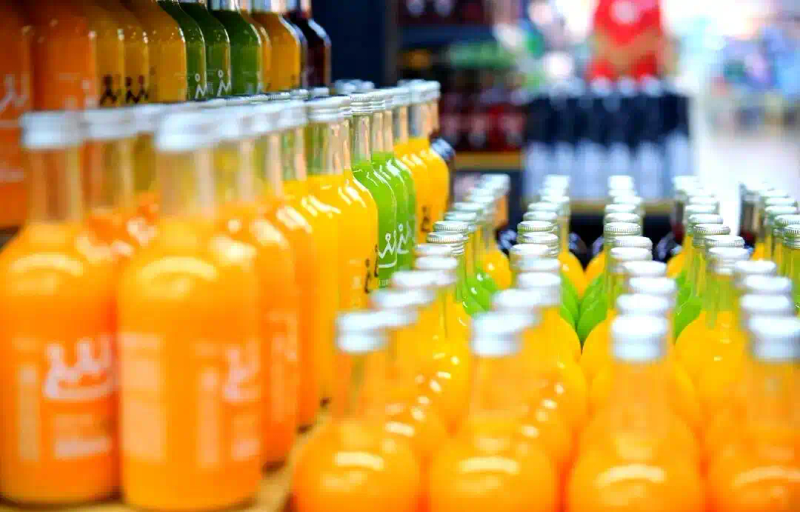
Doors need to increase the price of a single customer by increasing the breadth and depth of the product and by enriching commodity choices. Owing to their rich variety, large stores usually have higher unit prices. There are significant differences in the unit prices of customers in different industries and shops, mainly due to the breadth and depth of the store class. In preparing the goods, we need to take full account of the breadth and depth of the goods and to enhance the characteristics of the shop and build core competitiveness by increasing the number and variety of small and medium-sized goods。
> brand commodity positioning
The positioning of branded goods affects the price of a single customer, and a clear brand location maximizes the price of a single customer. In the same mall, differences in positioning prices between different brands can lead to significant differences in unit prices. Therefore, we need to clearly position brand commodities to ensure that price strategies attract both customers and maximize benefits. There may be significant differences between high-end and low-to-medium-end marketer unit prices。
> commodity grouping and relevance
Reasonable combinations of goods and related goods facilitate the purchase of different types of goods by customers and increase the value of single purchases. In pushing customers to buy different types of commodities, we need to focus on two types of commodities: related goods, which complement each other and can promote each other's sales; and unconnected goods, which, through clever combinations and hints, can also stimulate customers' desire to buy。
Optimization of commodity displays
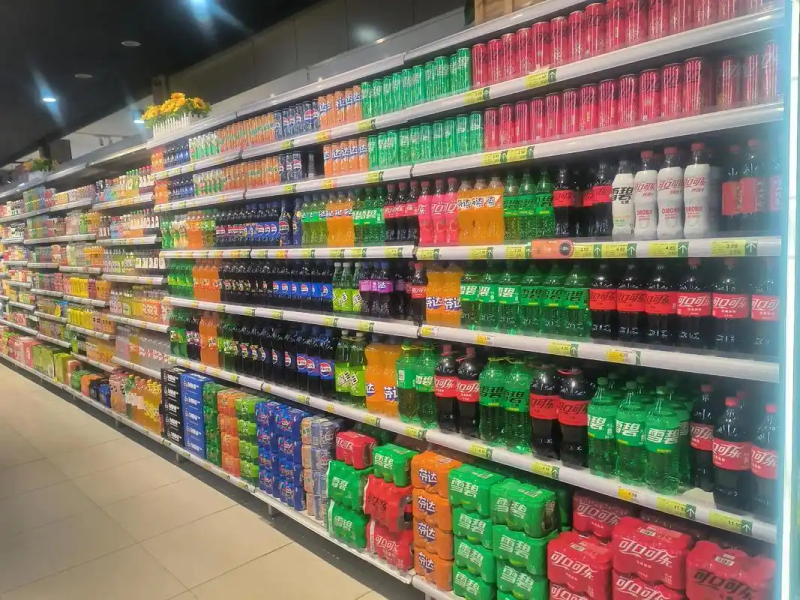
Commodity displays should be balanced and marketable. Good displays can draw the attention of customers and lead them to choose more commodities. The three stages of commodity displays — integrity, beauty and marketing power — require careful planning and implementation to ensure that the right commodities are presented in the best way to customers。
02's policy of raising the price of a single customer
> customer purchase guide
Inducing customers to buy more goods of the same kind or different categories of goods, raising the price per customer through promotion strategies, tied sales, gifts, etc. In daily shopping, we often buy more products, especially female consumers, for promotional activities that are not intended to buy. Promotional activities not only stimulate customers ' desire to buy, but also increase the number of commodities in the shopping basket, thereby raising the unit price of customers。
> data analysis application
Data analysis helps businesses to understand customer needs and optimize commodity referral and promotion strategies. In particular, different data analysis strategies need to be developed by businesses, depending on their level of informatization. By in-depth analysis of sales data, businesses can more accurately capture customers ' purchasing habits and needs, thereby targeting goods and services and further increasing the unit price of customers. Data can be obtained from sales data and membership information。

> member information system access
Enterprises optimize associated marketing and consumer behaviour analysis through customer membership system data, improving outreach and increasing the price of each customer. Through membership management information systems and data mining techniques, businesses are able to carry out member association marketing, construct member personal consumer behaviour portraits, achieve targeted member marketing, improve marketing effectiveness and, ultimately, increase the profitability of the shop。
V. Strategies to promote investigation of purpose
There are a number of strategies that we can use to boost the price of each customer. First, a word of marketing is implemented, whereby a cashier at a door can cleverly add a marketing phrase to stimulate the desire to buy. Second, new and hot commodities are actively recommended for sale, through demonstration by shopkeepers and proactive marketing by shopkeepers, so as to promote closerness with customers and win-win. Finally, regular production of consumption hotspots, marketing through seasonal new, ultra-low-priced or high-value high-quality commodities, attracts the attention of visitors and customers and furthers the rise in unit prices。