It's..
Eucalyptus cultivation: high-risk industries or financial opportunities
At 5:00 a. M., the old king woke up again from his dreams. His heart had already flown to the americ forest in the mountains. The heavy typhoons and the continuous rain caused him to sleep in a precarious state。
The wind has not stopped, and the old king can't wait to see it in the mountains while the rain is slowing. The sights he saw lay on the ground: the trees, which were so well-earned, are now all upside-down, with their backs broken, with their roots pulled up, and their faces stung..
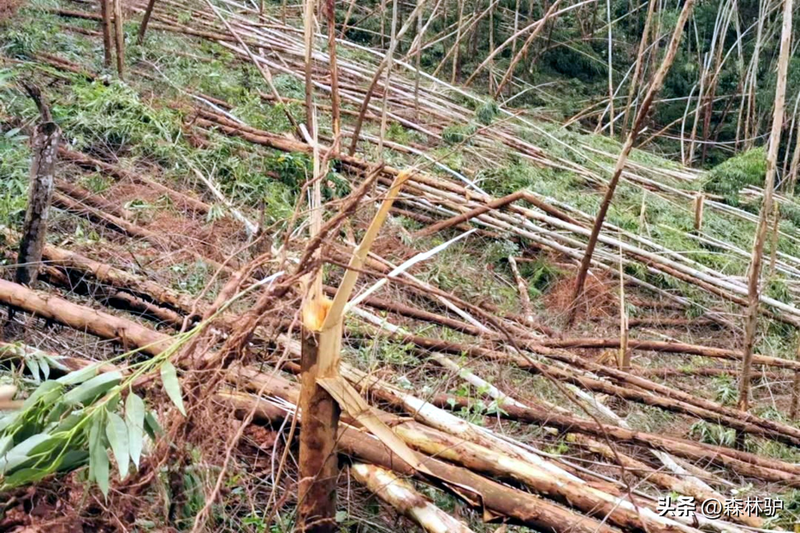
"it's over, it's over!" he murmurs, his hands shakes. This eucalyptus tree, which has just been planted for two years, although it has an area of over 70 acres and can spend all its savings on their homes, has almost been lost in the typhoon。
Didn't you say that the eucalyptus is the "breath tree"? How come i'm the "breath tree"? The old king can't even excite the eucalyptus tree, but he can't hurt it。
It's..
Industry truth: risks and opportunities together
In relative terms, eucalyptus yields faster returns than normal species, but planting is indeed not an easy path, not to mention their increasing investment, but their pervasive risks。

• the first is natural disasters。
Elm trees grow in a fully open natural environment, facing multiple natural factors that cannot be controlled, especially the increasing frequency of extreme weather events in recent years, with heavy rains, typhoons, hails, droughts, etc. Taking turns。
• second, pests and diseases。
With the growing area of eucalyptus cultivation, the threat of disease and pests is increasing, especially caricinosis, bacterium, bacterium, purple scabs, physiological diseases caused by inappropriate fertilization, as well as subsurface termites, crickets, scavengers, etc., and leaf-eating moths, roller moths and dried buffalo, which cause headaches。
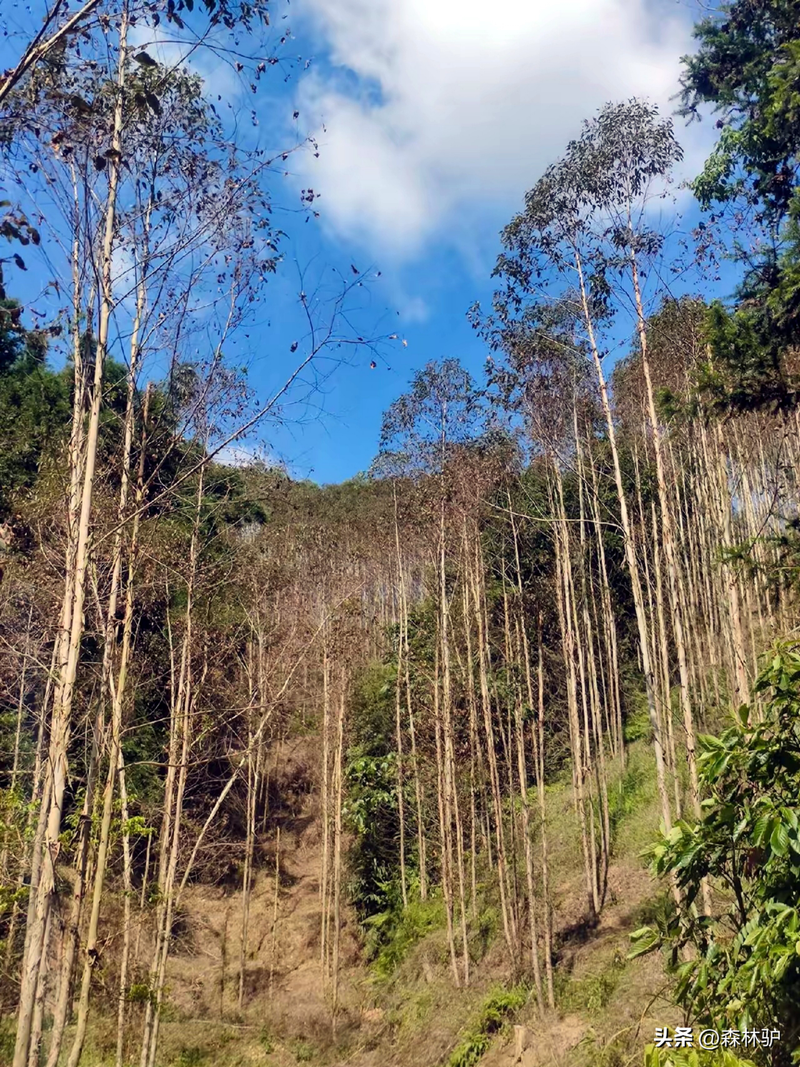
:: third is the price of wood。
Price changes, which are market-driven, are too frequent to be followed. Last month it was $600 per ton, which became 550 per ton, and in just two or three months price movements of more than 30 per cent were beyond control。
However, if we therefore reject the cultivation of eucalyptus in its entirety, it would be biased。
In fact, the science-managed eucalyptus forests, with a seven-year cycle of rotation, contributed as follows:
Total investment was approximately $3,200/acre (planting, stewardship, 2500 dollars/acre + 100 dollars/acre for forest land * 7 years) and total output was approximately $6750/acre (15 tons of acre-producing wood, calculated at 450 dollars per ton), net profit: about 3550 dollars/acre, with an annualized return of about 15 per cent。
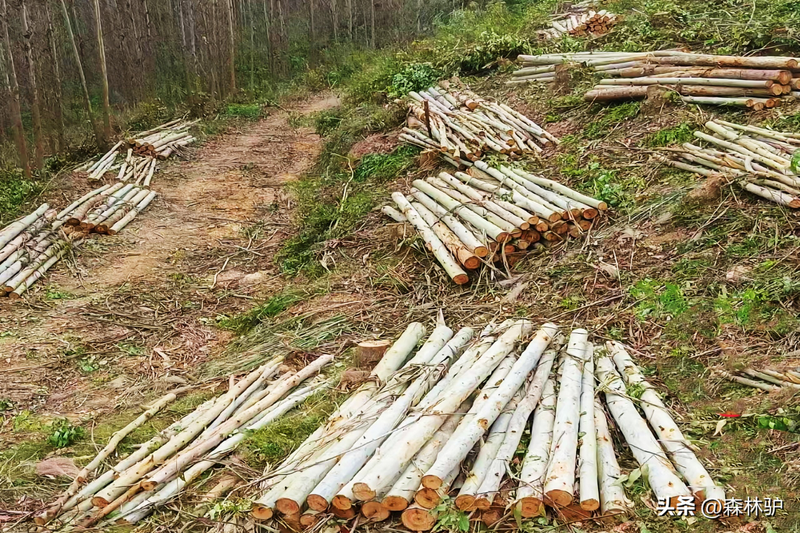
Although the return on investment is not too high, it is significant in the agro-forestry sector。
It is clear that the problem lies not in the industry itself, but in the way in which we participate。
It's..
Breakthrough: three strategies to reduce risk
Strategy 1: changing attitudes, from "food by heaven" to "technologies"
Traditional growers tend to be over-dependent on natural conditions, with the idea of "planting down, just like material". However, modern agriculture has long proven that high input can produce high output。
The "input" here is not just funding, but a comprehensive upgrading of technology, ideas and management practices. For example:
:: selection of highly resistant varieties to enhance resistance
:: implementation of precision management, planting, running and cutting
:: increased fertilizer utilization through the application of soil formulas
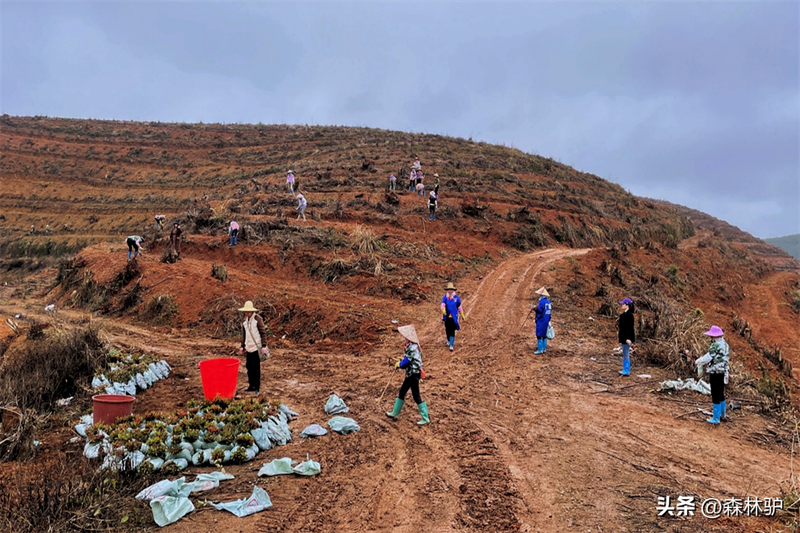
Strategy ii: continuous learning, from “planters” to “operators”
It may be possible to rely on experience to grow a few acres of forest land; but when the scale is expanded to hundreds or even thousands of acres, the role of grower needs to change from “farmer” to “forest owner”。
This shift means you need more skills:
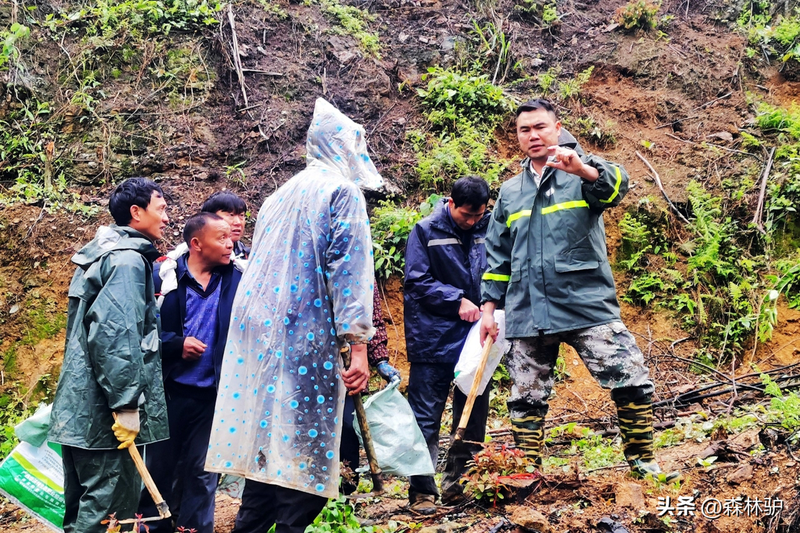
:: learning from modern forest management knowledge to improve operational efficiency
• knowledge of market conditions and optimal timing of sales
:: focusing on policy developments and pre-positioning to respond to changes
Strategy iii: moderate scale, from "quick for big" to "sure for precision"
While it is true that size can have a scale effect, it can also magnify risks. One acre earns $1,000, and 1,000 acre does make $1 million, but in the event of a disaster, the loss is also magnified。
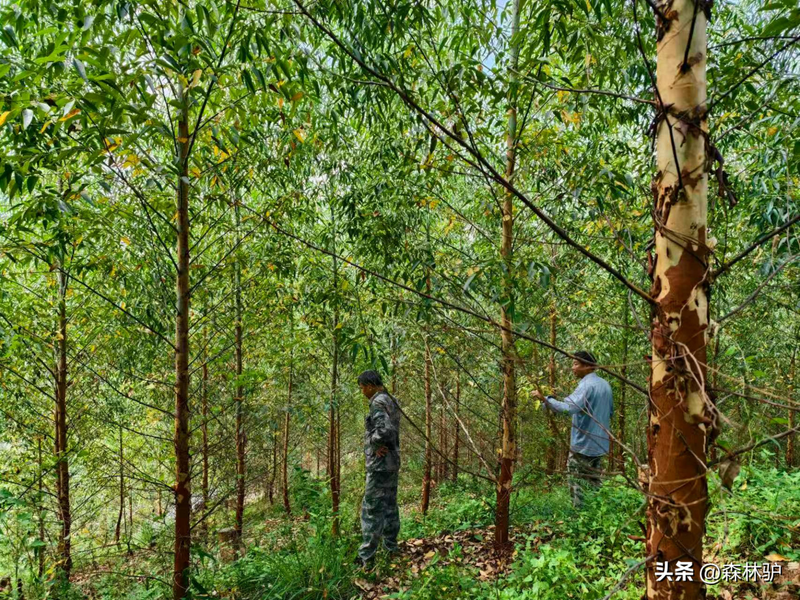
Many cases of failure do not stem from inadequate technology, but from blind expansion. When power is not fully available, it would be wiser to:
• precise, steady, experience-building
• progressive improvement of the management system of science
• sequenced expansion until conditions are ripe
It's..
The way forward: risks are manageable and opportunities are sustainable
In modern forestry systems, we already have well-developed risk management tools: from good breeding to precision fertilization, from disaster early warning to forest insurance, there is room for upgrading each and every one to reduce risk。
Let's go back to the original question: is it a high-risk industry or not
Actually, the answer is in everyone's heart。
If you're still stuck in traditional cultivation, unwilling to invest, unwilling to learn, blindly pursuing scale, then it's a high-risk industry -- - it's like flying a frickin' frickin' frickin' can't be done。

But if you are willing to believe in science, to give in, to keep learning, to manage finely, then this vast universe will be your stage of talent。