After the spring festival, the price of lamb continued to rise by almost 30 per cent. This may be misleading: after spring seasons in previous years, the demand for lamb has been reduced considerably, while the price of lamb has generally declined. In shandong, a number of citizens found that they used to need only about $40 a pound of lamb, and now they're up to $50 a pound。
Contrary to the trend in the price of lamb, the price of pork fell all the way after the spring season, one of the reasons being the decline in demand. What is the reason for the fall in demand following the spring season, which is also a light season for the consumption of lamb
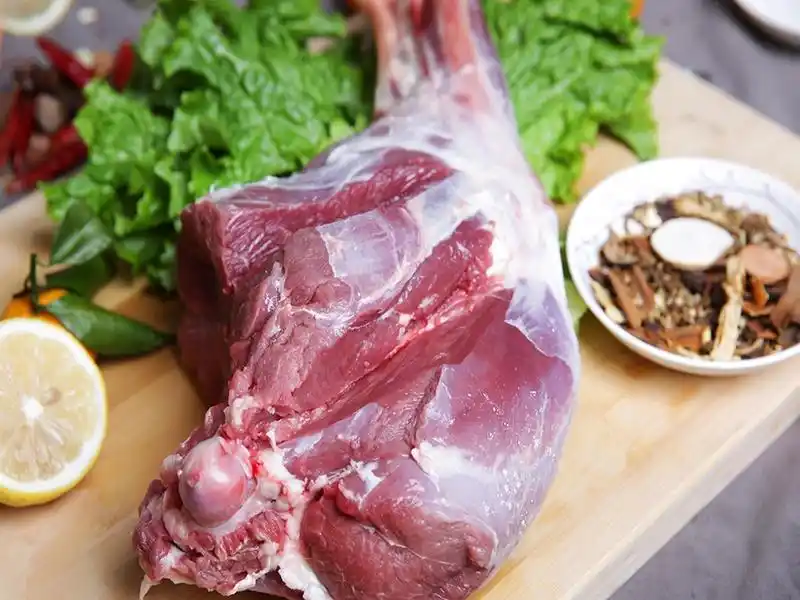
It is known that a number of lamb producers have indicated that the cost of animal feed for meat and goat farming has increased considerably this year, that prices of raw materials such as maize and beans have risen significantly, and that the long life of meat and sheep farming, coupled with the unpredictable nature of the market, have deterred most meat farmers from increasing their holdings。
Despite the current upswing in the price of lamb, if, in the past, prices due to reduced supplies have increased the stock of meat and sheep in general, many farmers today face a dilemma in the face of rising prices。
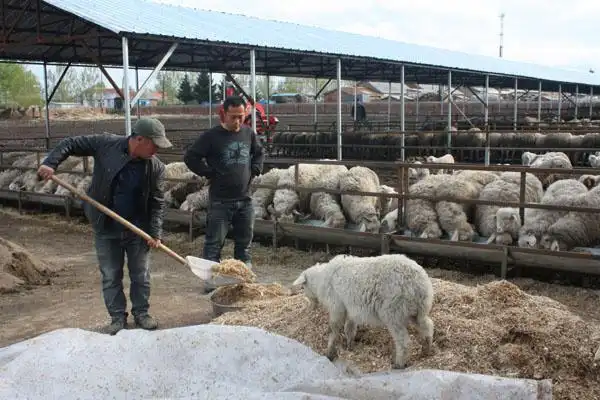
On the other hand, as a result of the epidemic, imports of sheep from abroad have been restricted, and in the past, many of our lambs have been imported through imports, as well as through the continued establishment of exclusion zones in mongolia in recent years, resulting in a decline in meat and lamb production, an impact on the availability of lamb, a certain shortfall and, ultimately, an increase in the price of meat。
Today, the cost of meat and sheep farming in the country is gradually increasing and, despite insufficient market supplies, a large number of sheep and meat-breeding families are leaving their homes because of the high cost of raising them. On the other hand, the increase in costs and the unpredictability of the market has deterred the production of sheep, even if there are insufficient columns, and the market gap for sheep is widening。
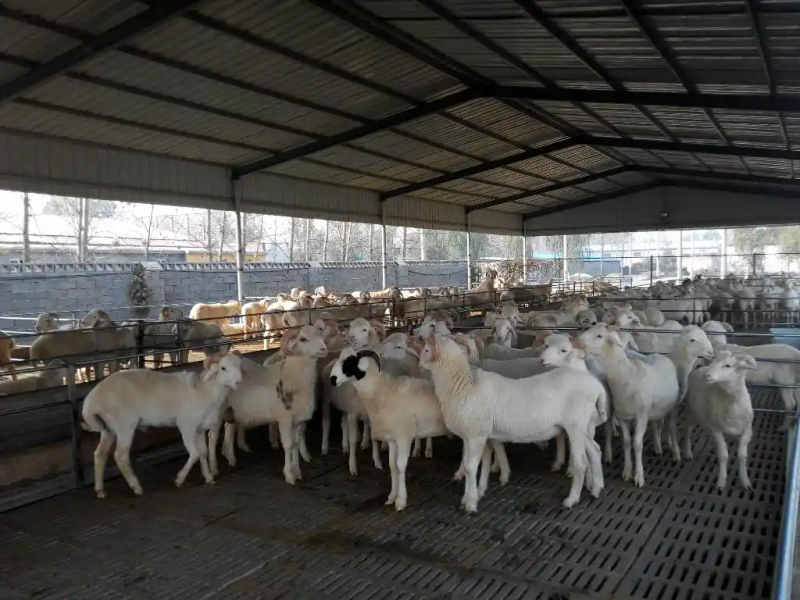
Professionals have indicated that it is important to actively guide and assist in the standardized scale-up of meat-farming enterprises and the development of a chain of chain locks between raising and marketing of meat and sheep in order to improve the resilience of the meat and sheep industry。