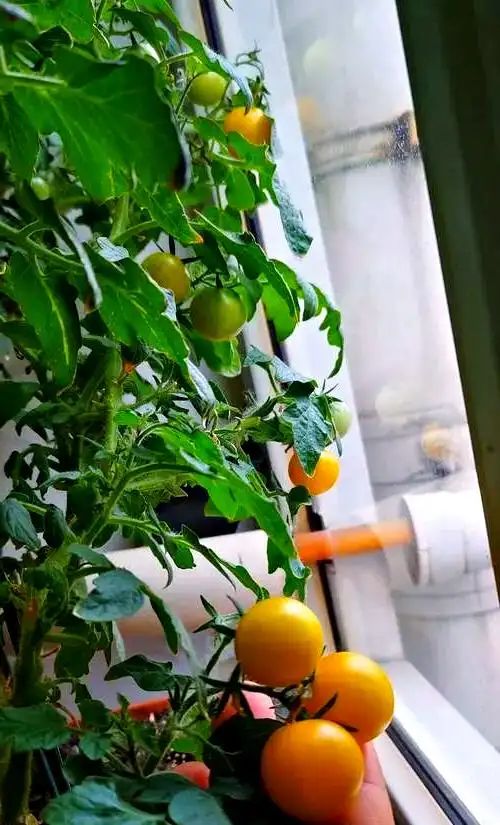
The department of agriculture and rural affairs of qingshima city has been informed that there are currently 197,000 acres of fruit in the city-wide facilities, which are generally well developed, and that the facilities are mainly made up of fruit and eggplants, while tomatoes, cucumbers, cabbage and celery are mostly in the harvest period, with sufficient supplies during the spring festival. Strawberries and blueberries are now on the market, selling and selling, bringing to the population “a taste of the tip of the tongue”。
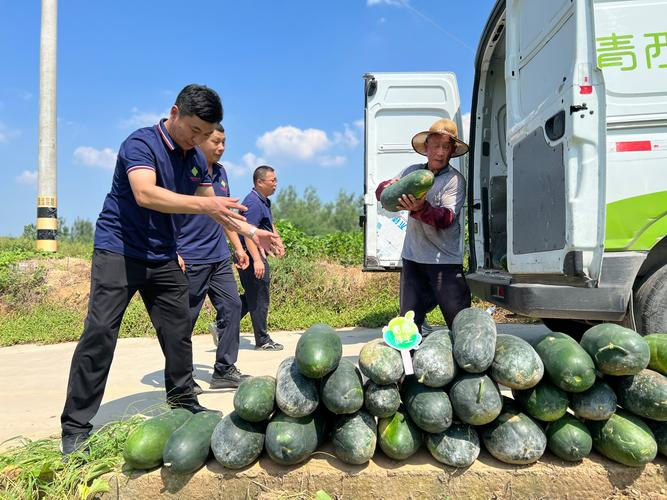
At this time, during the coldest period of the year, the production of plant fruit and vegetables is subject to severe fluctuations in temperature, such as wind, persistent temperatures and rain and snow, which can lead to adverse effects, such as atrophy of vegetables and a decline in the rate of strawberries and so forth, as well as a high incidence of winter pests and pests that threaten the sustainability of plant and vegetable production. In order to ensure a steady supply of the “basket of rice” “fruit” during the spring festival, the municipal centre for agricultural technology has seized the critical time point of agricultural production in the winter, issued a programme of agricultural guidance for wheat spring field management, developed the “three fives” working mechanism, managed the classification, refined the methodology and built up the basis for the harvest of the summer grain. In order to cope with the adverse weather effects on the facilities' vegetables and vegetables, the municipal agro-technology centres provide “on-line” classes and special initiatives to promote agricultural technology, and three levels of agricultural technicians carry out intensive production, delivery of services to villages, technology to sheds, normalization guidance for new players such as fruit and vegetable enterprises, cooperatives, family farms, growers, etc., increase the coverage and availability of key technologies。
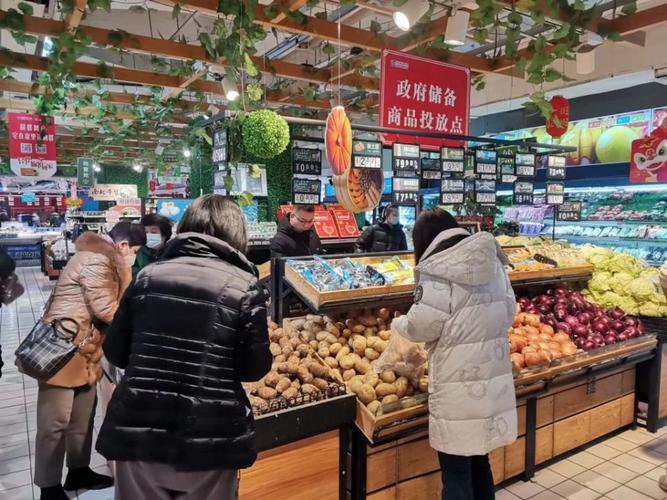
As spring approaches, the citizens' “basket” consumption is on the rise. In order to ensure the quality of agricultural products during the festival, the city of qingdao continuously carries out monitoring and spot checks, routine monitoring, unannounced check-ups, law enforcement check-ups, a “five-dimensional” multi-dimensional monitoring model for pro bono testing, and has set up a 3-dimensional network of “point-precision check-ups, online process control, face-to-face risk screening”, covering more than 145,000 producers and maintaining the security of the public table。
In the jefon organic agricultural development company ltd. Of qingdao, lacy city, staff from the qingdao agricultural quality safety centre are conducting sampling tests to keep a close eye on the quality of hot and marketed vegetables from the source and to secure the safety of agricultural products listed during the spring festival. “the demand for vegetables during spring seasons, such as beryllium, will be high, and we will strictly control the quality of production, in conjunction with the professional check-ups of authoritative inspection agencies, to make the quality of products more secure and the market more stable. Zhao xinde, head of the base said。
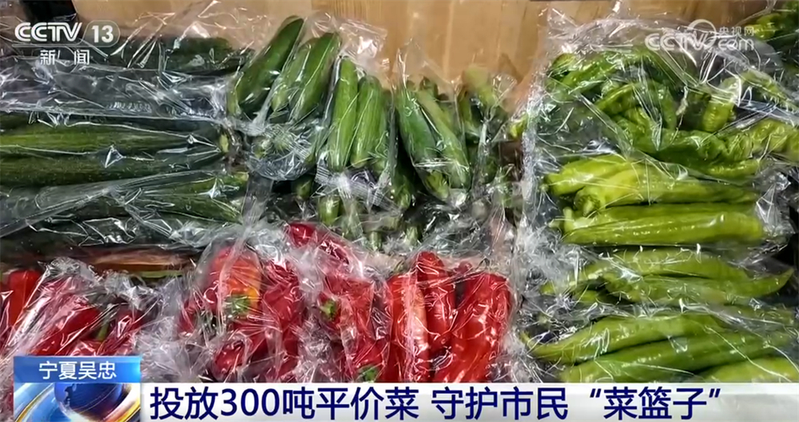
It is known that the city of aoshima has increased its efforts to ensure the safety of agricultural products during the spring festival. On the one hand, it conducts special inspections for agricultural quality safety, focuses on priority products and on field verification, focusing on key aspects such as the standardized use of inputs and the implementation of a system of certification of compliance with standards. On the other hand, it has continued to increase the intensity and intensity of spot checks, and has made concerted efforts to conduct spot checks and unannounced visits for priority products and issues listed during the festival. To date, our city has implemented 841 batches of quantitative tests to quickly detect more than 6,000 batches, achieve early screening, early warning and early disposal, and effectively secure the entire chain of security barriers from the field to the table。