At the peak of the year, the markets of the interbank and exchange markets were at their peak, and although on 28 june the multi-temporal national debt of the deep-off exchange skyrocketed over 10 per cent in the counter-purchase interest plate, the market was confident that it would move smoothly through the middle of the year。
On 28 june, as the best buy-back point in the year, 7. 70 per cent of the counter-purchase rate (gc001) was reported for the opening of the state debt over the overnight period, which then skyrocketed to a maximum of 12. 40 per cent, leaving the interest rate at the end of the year unobserved and ultimately receiving 9. 495 per cent. The two-day and three-day repurchase interest rates were similarly set at 10 per cent and ultimately collected above 9 per cent, at 9. 20 per cent and 9. 210 per cent, respectively。
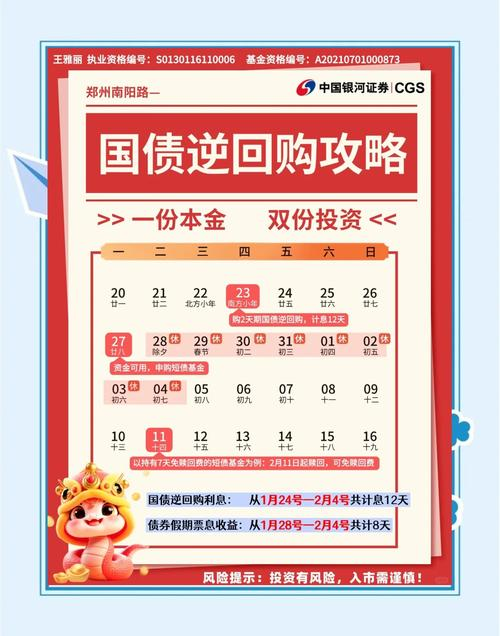
The so-called pledge-type national debt repurchases are short-term capital finance operations in which the parties pledge their rights on bonds. The money holder (reverse purchaser) borrows the money on the exchange at the value of the money that it has made, recovers capital and interest as it matures. The amount claimed is several times the 100-hand threshold, i. E. $100,000; the shenzhen stock exchange threshold is $1,000。
The inter-bank market, which reflects the real financial situation of banks, has been relatively calm, with the above-mentioned shibor inter-bank interest rate, for example, falling except for the 7-day and 14-day shibor rates。
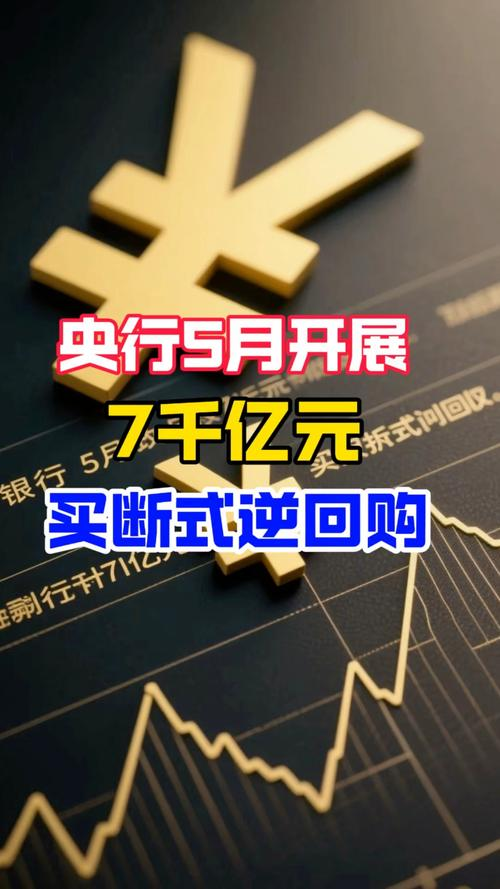
To bridge the funding gap across the season, the central bank launched $240 billion in repurchases in mid-june for 28 days and $260 billion for 14 days in mid-june. This week, the central bank continued to invest $220 billion in re-purchases over seven days, actively caring for the end-of-season intentions。
With a view to stabilizing the financial situation at the end of the six-month period, on june 28, the central bank re-invested $80 billion in reverse purchases, claiming that june was a major month of fiscal spending, and that today’s fiscal expenditures are expected to be adequately replenished by such factors as the expiration of the central bank’s reverse buyback。
“the season is over, the whole is loose, the central bank's reverse buy-back has not stopped, and has grown stronger, as well as the prospect of a targeted drop。
In the view of cif, the massive release of mlf funds in june not only eased the six-month end-of-year liquidity tightening trend, but also eliminated the subsequent maturity of short-term liquidity support, which also had a solid and stable effect on the july funding landscape. Together with the formal landing of the targeted reduction brigadier general on 5 july, it is expected that $700 billion will be released. It now appears that the amount of funds due in july will be below $400 billion, that the targeted cut-off net central bank will not undertake large-scale liquidity investments in early july, and that the pressure on funds due in late july will ease, with a secure liquidity environment。
On 20 june, the standing committee of the state council proposed the use of targeted reduction policies to support micro-enterprise financing, and on 24 june the central bank announced a reduction of 0. 5 percentage points from 5 july 2018 in the reserves of large state-owned commercial banks, joint-stock commercial banks, postal savings banks, urban commercial banks, non-district rural commercial banks and foreign banks in renminbi deposits. Five large state-owned commercial banks and 12 equity commercial banks are encouraged to use targeted reduction and market-generated funds to implement “debt-to-equity” projects in accordance with market-based pricing principles; at the same time, small and medium-sized banks, such as postal savings banks and city commercial banks, non-district agricultural comptoirs and other small and medium-sized banks, should use the reduced funds mainly for micro-enterprise loans and focus on alleviating the difficulty of financing micro-enterprises。