Reburning of sand-port kilns is the key to the porcelain system, because it restores the chain of art and inheritance that cut off nearly a thousand years of transcreas to dragon spring kilns, from archaeological evidence to living culture. This kiln site, which began in the late evening of tang, is not only a testimony to history, but also a re-emergence of fever。
Fill in the missing link of history
The archaeological value of a sand kiln lies in the fact that it fills a gap between the collapse of the kiln and its rise. Archaeologists have found the longest song dynamite kiln in zhejiang, up to a distance of 72. 32 metres, as well as a large number of unique baby dramas, parrot strips, phoenix porcelain pieces, lined up and morphated, forming a distinct artistic mark。
These findings prove that the sacramento kiln is an important node of cyanacin production in the medium term in north song, inheriting the technical essence of the crossing kiln and paving the way for its rise. More crucially, at the same time, at the terminal site at haimeipur, porcelain tablets co-existing in multiple kilns, such as dragon spring kilns, sandport kilns and kilns, show that sandport kilns used to be the hub of regional cedar diffusion and exchange。
In historical terms, the sakung kiln uses the u viet nam-era water transport network — the china that is transported through the shauzhou stream to the yongfon river, then into the west river, which is being rolled around the southern river, the east river, from the port of wenzhou or the port of myungzhou, for sale to the world — not only as a trade route, but also as a conduit for technology diffusion。
A living rebirth of art
Reburning sand-port kilns is essentially “breathing” the technique of sleeping for thousands of years. The key role played by the non-genetic heir, tao jung-sheng. He was born in saab, and when he was a young man, he found in the mountains a piece of china with flowers, which planted seed in his heart。
Through a scientific analysis of the ancient china, he and his lover went to the mountains to collect local raw materials such as mud, acne ore, phoenix, etc., and, after numerous experiments, successfully imitated various types of instruments such as stoves, chalk boxes, permium bowls, fish bowl bowls, and typical tans such as accelerants, sauce sauces, twigs, etc., in order to restore the classic stripes such as dragon stripes, baby stripes, parrot stripes, etc。
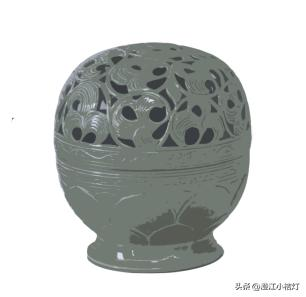
In the first few years, the burning remains piled up as mountains, but tao insists on keeping records at the kiln gate and improving the formulation until a crayon bowl that is clear as a lake is reborn. On 11 february 2026, the traditional dragon kiln, which was built in accordance with ancient law, was set up for the first time, with thousands of china units coming out of the kiln, covering such items as teapots, vases, fragrance stoves, and so forth, with a light and fresh colour, and with the classics of flower birds, clouds and baby theatre。
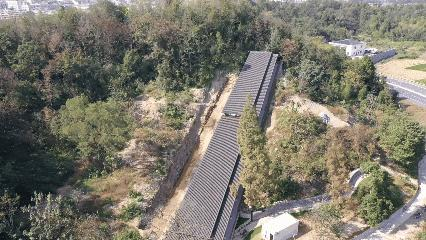
The total investment in this kiln is approximately 1995 million yuan, which restores the traditional form and integrates modern process improvements into a tactile and experienced cultural vehicle。
From archaeology to life
Reburning is not just a technical rehabilitation, but a cultural activation that allows the cyanobactinary system to enter everyday life from museums. The sacramento archaeological sites park, a district-wide project for the revival of song yung culture, has invested approximately $120 million in planned 3,900 acres of land, which contains core elements such as the palacean museum and the ceramic master garden。
Innovations in the opening of kilns have introduced the “characterism + immersion interaction” model, which combines the unique experiences of kiln fire fairs, caffeine coffees, auctions of cavity blind boxes and so forth, so that the public can touch the culture of the millennium in its play. Works have also been integrated into contemporary ideas, such as vases inspired by the yellow rock map to mark the five-hole bridge, and porcelains with the theme “ponys” that integrate the culture of life, bringing together traditional aesthetics and modern needs。
In addition, the sandport kiln has been included in the china world cultural heritage reserve list and has promoted cultural “off to sea”, such as the production of the short play " love for green porcelain " , through activities such as porcelain research and international cultural exchanges. This dynamic heritage, which transforms the platinum from historical specimens to the cultural dynamics of regional development, gives lasting vitality to rural renewal。
It is not just a kiln fire, but a continuation of a civilizational memory。