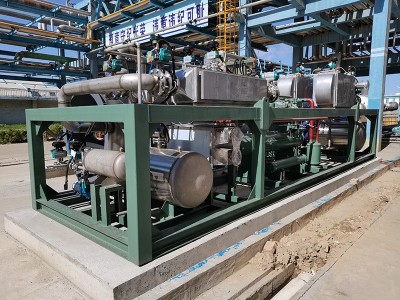
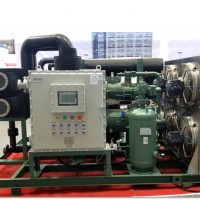
Vocs flue gas treatment equipmentThe selection shall take into account the following five elements:1. Analysis of waste gas characteristicsVocs waste gas treatment equipment needs to identify the waste gas composition, concentration, flow, temperature/moisture, and different components need to correspond to different treatment techniques, such as catalytic combustion suitable for low concentrations of vocs and heat combustion suitable for high concentrations。Process selectionCommon processes include:Adsorption: the vocs gas treatment equipment, active carbon adsorption towers are suitable for low concentrations of flue gas, with low investment but regular replacement of adsorption。Catalysing combustion: decomposition of vocs waste gas treatment equipment into co? And h? O, appropriate for low to medium concentrations。Thermal combustion: high-temperature incineration is suitable for high concentrations of waste gases, with attention to energy consumption and safety。Biological methods: microbiological degradation is appropriate for low concentrations of degradable gases, and vocs waste gas treatment equipment is operating at low cost but efficiently subject to environmental impacts。
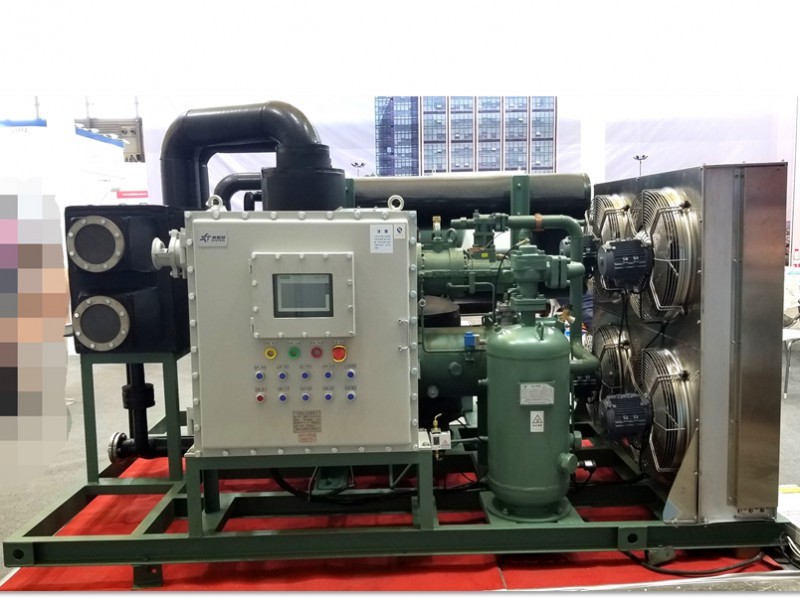
3. Equipment performance indicatorsAttention needs to be paid to the efficiency, stability and reliability of treatment, such as catalytic combustion units requiring catalyst activity stability and adsorption equipment taking into account wind matching。4. Compliance with emission standardsRegional environmental requirements need to be clarified to ensure that post-treatment emissions from vocs treatment equipment meet national standards such as gb16297。Operational cost assessmentThe inclusion of energy consumption, maintenance costs and the cost of materials requires an integrated assessment of economics。
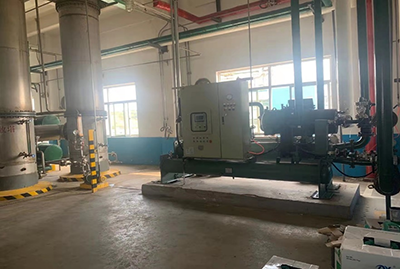
The selection of vocs waste gas treatment equipment needs to be based on technical compatibility to address efficiency and compliance at the core, taking into account economy, safety and compliance. In the future, as environmental policies become more stringent and the “two-carbon” goal advances, the selection of equipment will trend towards remote monitoring and intellectual optimization of equipment in conjunction with technology for the networking of goods; and the development of low-energy consumption processes and after-heat recovery systems. From http://www. Yjfqclsb. Com